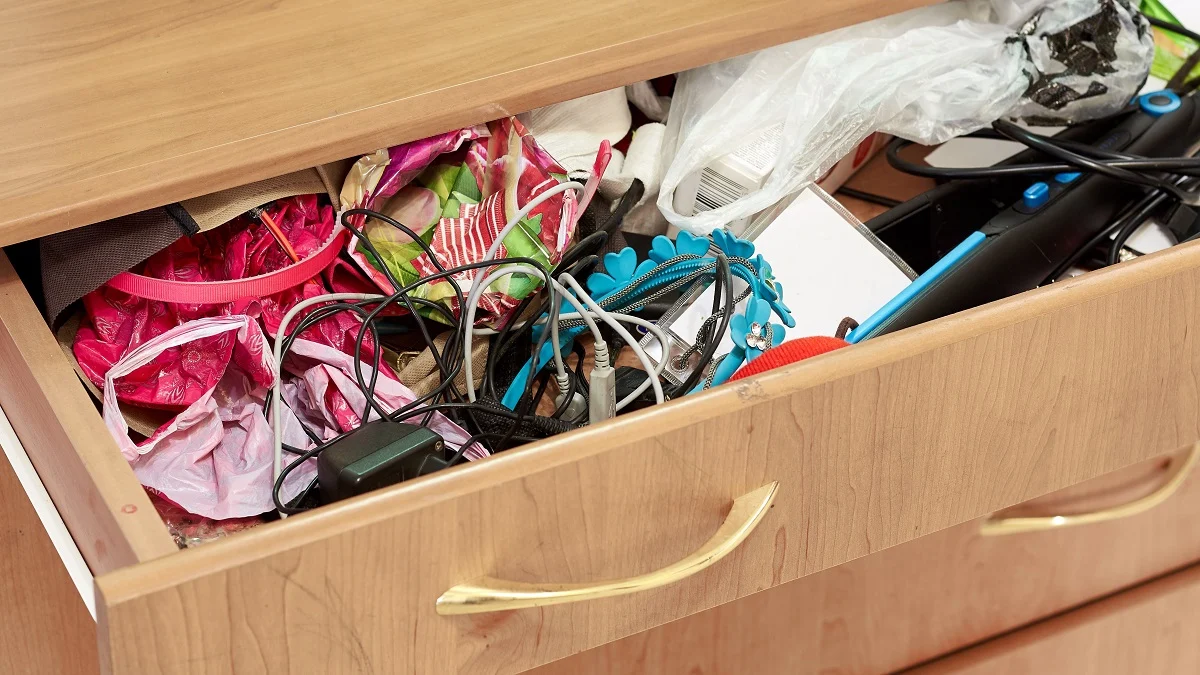
The average American household functions as a micro-warehouse for obsolete technology and forgotten accessories. According to the 2025 Mobile Survey conducted by Allstate Protection Plans, the typical home contains approximately 1.8 unused smartphones, contributing to a massive stockpile of electronic waste that sits idle in drawers, garages, and storage bins. While the impulse to discard these items during a periodic clean-out is common, the environmental and economic implications of such disposal suggest that a more strategic approach to "junk drawer" management is warranted. By transitioning from a mindset of disposal to one of repurposing, consumers can mitigate waste, extend the lifecycle of functional hardware, and avoid the recurring costs of replacement goods.
The Lifecycle of Consumer Electronics and the E-Waste Crisis
The rapid turnover of consumer technology has created a distinct chronological challenge. Data indicates that 27% of American consumers replace their smartphones every two years, while 23% maintain devices for three to four years. This cycle is driven by both planned obsolescence and the aggressive marketing of new hardware iterations. However, the environmental impact of this behavior is significant; electronic waste (e-waste) is the fastest-growing waste stream globally.
When a device is relegated to a drawer, it represents "locked" value—both in terms of rare earth metals and functional utility. From a regulatory perspective, the transition in network infrastructure has altered the landscape of device reuse. In 2022, major U.S. wireless carriers finalized the sunsetting of 3G networks. The Federal Communications Commission (FCC) has clarified that for a smartphone to remain viable as a communication tool, it must support 4G LTE with Voice over LTE (VoLTE) or 5G connectivity. Devices lacking these specifications are no longer capable of reaching emergency services, including 911. Consequently, consumers must audit their legacy devices to determine whether they can serve as secondary communication tools or must be relegated to offline, localized utility.
Maximizing the Utility of Legacy Hardware
For devices that no longer support modern cellular networks, the path to utility lies in Wi-Fi-enabled functionality. An unactivated smartphone or tablet can be repurposed into a dedicated household hub. Common applications include:
- Security and Monitoring: With the installation of motion-sensing software, an old phone can function as a security camera for a nursery, a pet monitor, or a perimeter alert system, transmitting a live feed to a primary device.
- Digital Media Management: By installing dedicated e-reader or music streaming applications, a device can be transformed into a bedside media player, reducing the wear and tear on a primary, expensive smartphone.
- Home Automation Controllers: Older tablets are frequently used as wall-mounted interfaces for smart home ecosystems, providing a centralized control panel for lighting, thermostats, and security locks.
- Digital Photo Albums: By utilizing cloud-synced storage, legacy tablets can be placed in frames or stands to cycle through family photographs, functioning as a dedicated, low-energy digital frame that requires no active input once configured.
This shift in use-case not only extends the product’s life but also prevents the environmental toll associated with the manufacturing of new, single-purpose gadgets.

The Economics of Accessory Maintenance: Eyewear and Watches
Beyond electronics, the "junk drawer" often functions as a repository for high-value fashion accessories that have fallen out of rotation due to minor damage or aesthetic fatigue. The replacement cost for high-end optical frames is often prohibitive, frequently exceeding several hundred dollars. However, the modular nature of modern eyewear allows for cost-effective maintenance.
Specialized retailers such as Revant Optics have identified a market niche in providing replacement lenses for approximately 75 major brands, including luxury labels like Maui Jim, Oakley, and Ray-Ban. By replacing only the lenses—which are susceptible to scratching and degradation—rather than the frames, consumers can extend the lifespan of their eyewear by several years. This practice is particularly relevant for high-quality, durable frames that remain structurally sound long after the lenses have lost their clarity.
Similarly, the surplus of eyeglass cases often found in households serves a secondary, practical purpose. Beyond their original intent, these hard-shell containers are ideal for organizing small, easily lost items:
- Cable Management: Storing tangled charging cables and USB drives.
- Travel Kits: Organizing grooming tools, contact lens supplies, or miniature sewing kits.
- Security Storage: Using cases as discreet containers for emergency cash or spare keys in locations where they are unlikely to be discovered by unauthorized individuals.
Revitalizing Horology and Analog Accessories
The mechanical and aesthetic longevity of wristwatches often exceeds the trends of the fashion industry. A watch that has been relegated to a storage box due to a broken band or a dated aesthetic can be easily modernized. The industry for watch accessories offers a vast array of materials, ranging from classic leather and stainless steel to modern, hypoallergenic rubber and nylon.
For individuals who find traditional buckle straps cumbersome, the installation of an expandable "stretch" strap or a butterfly deployment clasp can significantly enhance comfort and usability. In cases where a watch mechanism is definitively beyond repair, the artistic repurposing of the watch head offers a creative alternative to disposal. Engraving tools and non-toxic metallic paints can be used to transform a watch face into a decorative pendant, a component of a piece of jewelry, or a custom desk ornament. Online marketplaces and crafting communities like Pinterest serve as hubs for these "upcycling" projects, demonstrating that the value of an object is often defined by the creativity of the owner rather than the original manufacturer’s intent.
Broader Implications: The "Circular Home" Movement
The cumulative impact of these small-scale reuse strategies contributes to a broader movement toward a circular economy at the household level. By treating personal possessions as assets with multi-stage lifecycles, consumers exert pressure on manufacturers to prioritize repairability and modularity.

From a policy standpoint, the "Right to Repair" movement—which advocates for legislation requiring companies to provide consumers and independent repair shops with the parts, tools, and documentation necessary to fix products—is intrinsically linked to this behavior. When citizens demonstrate that they value the longevity of their goods, it shifts market demand away from the "disposable" consumer model that has dominated the last three decades.
Analysis of Waste Reduction and Future Outlook
The decision to audit a junk drawer is not merely a task of organization; it is an act of waste mitigation. If every household in the United States successfully repurposed even two items annually—whether through technical conversion, accessory replacement, or creative upcycling—the collective reduction in landfill volume and resource extraction would be substantial.
As we look toward the remainder of the 2020s, the economic pressures of the cost-of-living index are likely to further incentivize these practices. Consumers are increasingly seeking ways to maintain their standard of living while curbing discretionary spending. The repurposing of existing household items serves as a practical, low-cost strategy for achieving this balance.
In conclusion, the contents of the junk drawer are not merely "trash." They represent a collection of resources that, with minimal effort and ingenuity, can continue to serve the household. Whether it is an old smartphone monitoring a home, a pair of luxury glasses fitted with new, activity-specific lenses, or a vintage watch repurposed as a personal accessory, the transition from "discard" to "repurpose" is a fundamental component of sustainable living in the modern era. The challenge for the consumer is to move beyond the convenience of the waste bin and toward the long-term utility of the resources they already possess.