
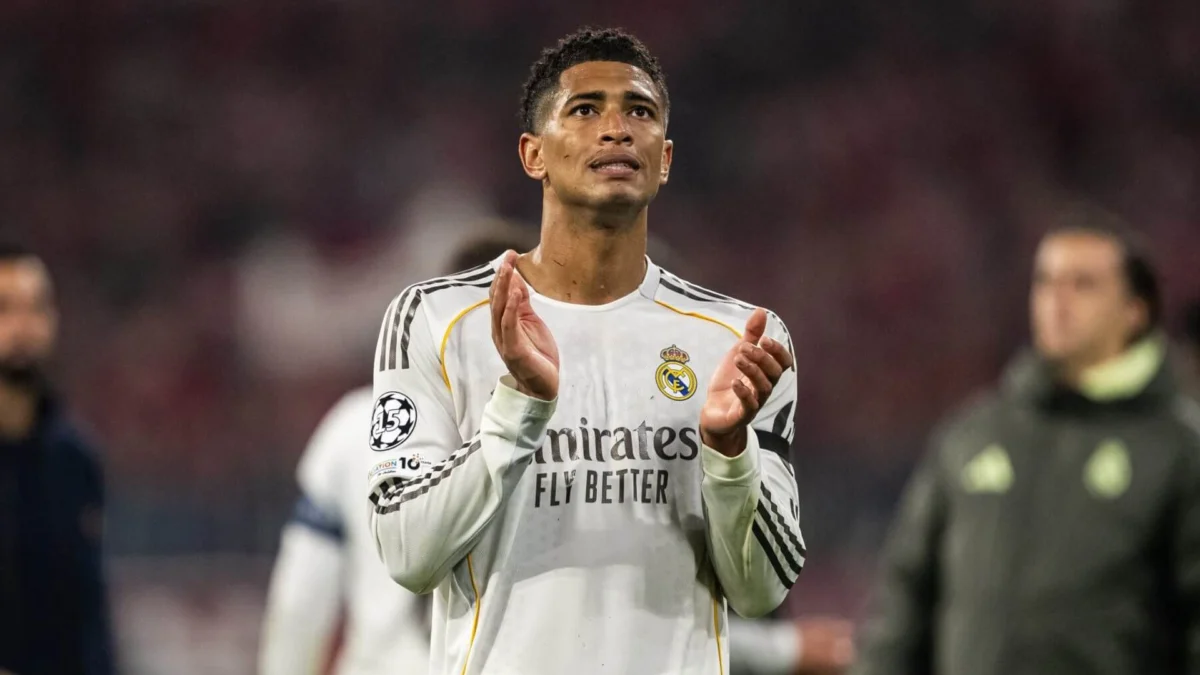
Real Madrid’s Champions League exit at the hands of Bayern Munich, following a dramatic and chaotic second leg at the Allianz Arena, has ignited another period of significant upheaval at the storied Spanish club. The immediate focus of this impending reshuffling appears to be the position of head coach Alvaro Arbeloa. Appointed in January to succeed Xabi Alonso, the 43-year-old’s tenure is now under intense scrutiny, with his dismissal appearing increasingly likely, although he may remain in charge until the conclusion of the current season.
The aggregate 6-4 defeat, sealed by a 4-3 scoreline on the night, all but guarantees that Real Madrid will finish the 2024-25 campaign without a major trophy. This outcome mirrors the previous season, marking the first time since the 2008-09 season that the club has endured two consecutive campaigns without silverware. Under the long-serving presidency of Florentino Perez, a similar trophyless season has historically led to managerial change, with Zinedine Zidane being the only exception to return for a subsequent campaign after failing to secure a major title.
Arbeloa himself acknowledged the club’s stringent standards in his post-match press conference. When questioned about his future, he stated, "Right now, I’m not thinking about any of that at all. I’ll say it again: it’s the club’s decision and I’m a loyal supporter. All I want is for Real Madrid to win, regardless of who’s in charge." This sentiment underscores the club’s unique pressure cooker environment, where even loyal figures are subject to the unforgiving demands of immediate success.
The club’s ruthless approach to managerial stability is well-documented. Numerous coaches have faced the axe, often in swift and brutal fashion. A stark example is Vicente del Bosque, who was dismissed the day after securing the 2002-03 league title. Carlo Ancelotti, despite delivering Real Madrid’s long-awaited tenth European Cup, La Decima, in 2014, was sacked in May 2015, merely 12 months later. Ancelotti’s second spell, which concluded at the end of the previous season, saw him become the most decorated coach in the club’s history with 15 titles, including a FIFA Intercontinental Cup in December 2024.
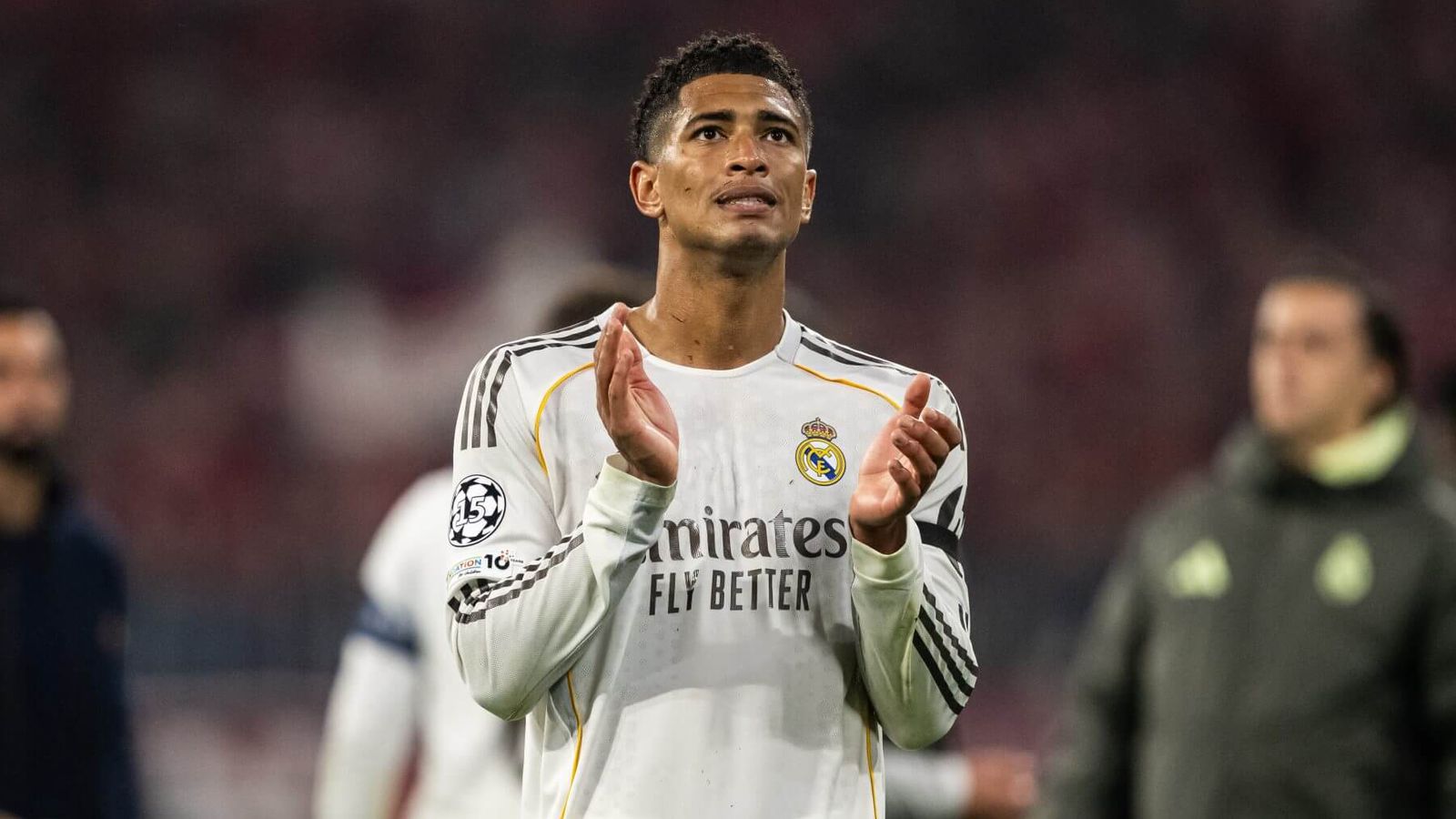
Arbeloa, a former Real Madrid player, alluded to the club’s relentless pursuit of glory during a press conference following his appointment in January. He recounted an anecdote from the 2014 Champions League final victory, where teammate Dani Carvajal, amidst the celebrations, expressed a desire for "another one." This anecdote, intended to evoke the club’s legendary mentality of never resting on laurels, now serves as a poignant reminder of the expectations Arbeloa was tasked with upholding. Real Madrid, with a record 15 European Cups, stands as the undisputed monarch of continental club football, a status that fuels an insatiable hunger for more trophies, attracting global superstars like Kylian Mbappé, Vinícius Júnior, and Jude Bellingham. However, this very legacy dictates that failure is met with swift accountability, with the manager invariably bearing the brunt of the blame.
The Immediate Aftermath: Arbeloa’s Uncertain Future
The prevailing sentiment within the club is that Arbeloa is likely to be dismissed, but his departure is expected to be postponed until the end of the season. This strategy is attributed to the perceived lack of incentive to appoint a new manager with so little left to play for and the belief that Arbeloa, a respected figure within the club, can maintain a professional atmosphere in the dressing room until May.
Arbeloa’s position has been precarious since his January appointment. Despite his prior success with the club’s academy and the high regard in which he is held by President Perez, his lack of senior management experience and the absence of a clearly defined contract length upon his promotion have fueled persistent speculation about his future. Sources close to Arbeloa initially suggested his contract extended beyond the current season, but this has not been publicly confirmed by the club. Arbeloa’s strong relationship with the Real Madrid hierarchy, cultivated through his ambassadorial roles, could potentially offer him alternative positions within the club should he wish to remain. However, his ambition clearly lies in continuing his coaching career.
Potential Successors: A Crowded Field of Elite Managers
The question of who might succeed Arbeloa has been a recurring topic of discussion since his appointment, intensifying with every dip in form or disappointing result. While a definitive frontrunner has yet to emerge, several high-profile names have been discussed and considered by the club’s leadership.
Jurgen Klopp, the former Liverpool manager, has been a perennial subject of speculation. Despite his public declarations of satisfaction with his current role as global head of soccer for Red Bull, a position he assumed in January 2025, his name continues to be linked with the Santiago Bernabéu. Sources close to Klopp have reiterated that there has been no contact from Real Madrid and that he is not considering a move away from his current responsibilities.
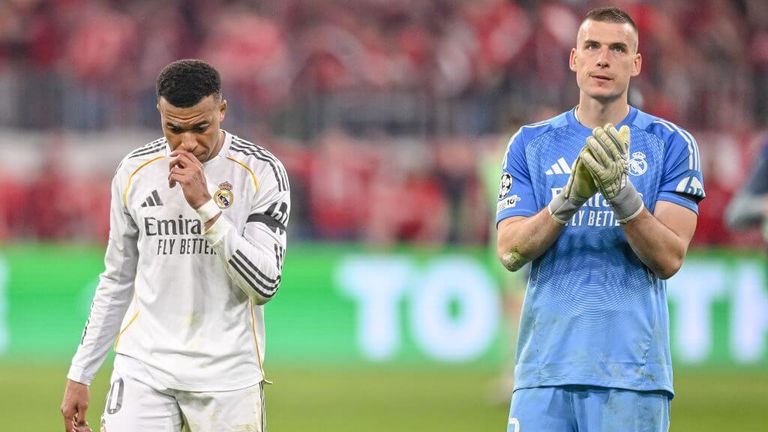
Zinedine Zidane, a legendary figure who guided Real Madrid to three consecutive Champions League titles between 2016 and 2018, remains a highly appreciated candidate by Florentino Perez. However, sources close to the Frenchman have indicated a potential interest in succeeding Didier Deschamps as the head coach of the French national team after the upcoming World Cup.
Didier Deschamps himself has been mentioned as a possible contender by industry sources. The current French national team manager, whose contract expires in July, has led his country since 2012.
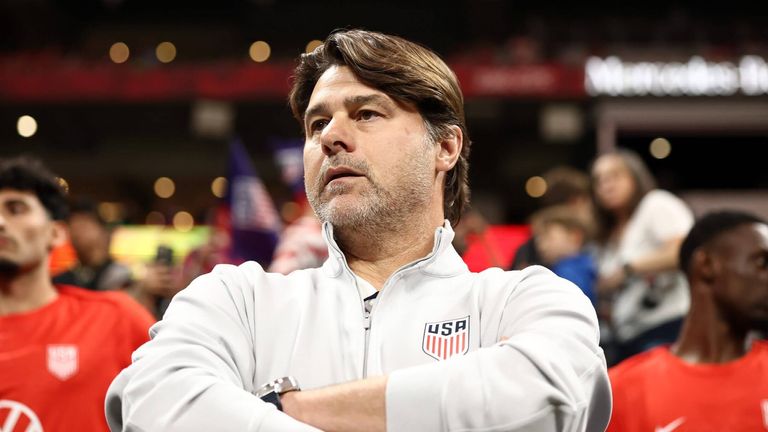
Mauricio Pochettino, the current manager of the United States men’s national soccer team, has also been identified as a strong candidate. His presence in the Spanish capital recently, attending a Champions League match between Tottenham and Atlético Madrid, has amplified speculation. Pochettino has long been admired by Florentino Perez. His contract with the USMNT concludes after the World Cup, and he has expressed openness to extending his tenure with the team, while also stating that no discussions have taken place with Real Madrid.
Beyond the Dugout: Systemic Challenges and Potential Reforms
The fallout from the Champions League elimination extends beyond the managerial position, suggesting a need for broader structural changes within the club. A pervasive feeling among key figures at Real Madrid is that significant reforms have been overdue for some time. The club’s struggles over the past two seasons can be attributed to a confluence of factors, including recruitment efficacy, the impact of new signings, dressing room dynamics, and a persistent injury crisis.
Both previous managers, Carlo Ancelotti and Xabi Alonso, reportedly believed the squad possessed quality but lacked balance, necessitating further signings. Insiders close to their coaching staff have also highlighted the inherent challenges of managing a dressing room populated by high-profile stars such as Mbappé, Vinícius Júnior, and Bellingham, where maintaining harmony can be a complex undertaking.
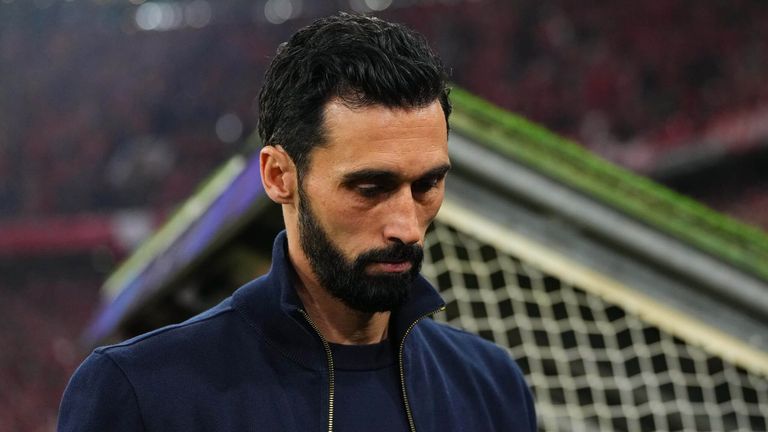
Following Alonso’s dismissal in January, sources associated with Ancelotti’s former staff expressed concerns about the team’s immediate prospects, suggesting a fundamental squad rebuild was required. Their assessment indicated that selling a major star might be necessary to acquire reinforcements in key positions like right-back, centre-back, and right-wing, with a particular emphasis on strengthening the central midfield.
Post-dismissal, sources close to Alonso characterized the current Real Madrid squad as "impossible to coach," citing an overabundance of player power and a perceived reluctance among some to commit to continuous improvement.
A notable area where significant change is being considered is the potential appointment of a dedicated director of football. This would represent a departure from the current recruitment model, which relies heavily on the insights of general director José Ángel Sánchez, chief scout Juni Calafat, and President Pérez himself. While former player and manager Santiago Solari holds the title of director of football, his influence has reportedly waned since his appointment in 2022. Despite some internal reports suggesting the club is exploring the possibility of bringing in external sporting expertise, well-placed club figures have denied such intentions. Similarly, rumors of an internal power struggle between Sánchez and external advisor Anas Laghrari, a trusted confidant of Pérez, have been dismissed by sources close to the club, with Laghrari reportedly having no aspirations to usurp Sánchez’s role.
Nonetheless, the broader football industry anticipates that changes at multiple levels within Real Madrid are not to be ruled out. Reports from within the club’s training facilities have indicated a sense of "confusion among the staff" due to persistent rumors of widespread changes affecting the board, coaching staff, medical teams, and even the playing squad.
The club has grappled with a significant medical crisis since 2023, with a high incidence of injuries reportedly impacting the team’s performance, particularly during Ancelotti’s final season. Tensions were noted between the coaching staff and physical trainer Antonio Pintus, a figure who has historically enjoyed Pérez’s unwavering trust. Upon Alonso’s arrival from Bayer Leverkusen in May, he brought his own fitness coach, Ismael Camenforte, with an understanding that Pintus would assume a reduced role. However, the injury problems persisted under Alonso, leading to Pintus’s return to a more prominent position following Alonso’s dismissal. In a related development shortly before Alonso’s sacking, Croatian doctor Niko Mihic was reinstated as head of medical services, having been sidelined in November 2023 due to concerns over the number of injuries.
Further compounding the medical issues, The Athletic reported in March that Real Madrid’s medical team had misdiagnosed Mbappé’s knee injury after an MRI scan was performed on the incorrect leg in December, potentially hindering the French star’s recovery process.
Meanwhile, proposals for a new ownership structure that would permit external investment in Real Madrid for the first time, as announced by Pérez in November, appear to have made no substantial progress. The club’s financial future and governance model remain subjects of ongoing discussion and potential evolution. The coming weeks are expected to provide greater clarity on the trajectory of these significant changes within one of football’s most prestigious and demanding institutions.







Leave a Reply