
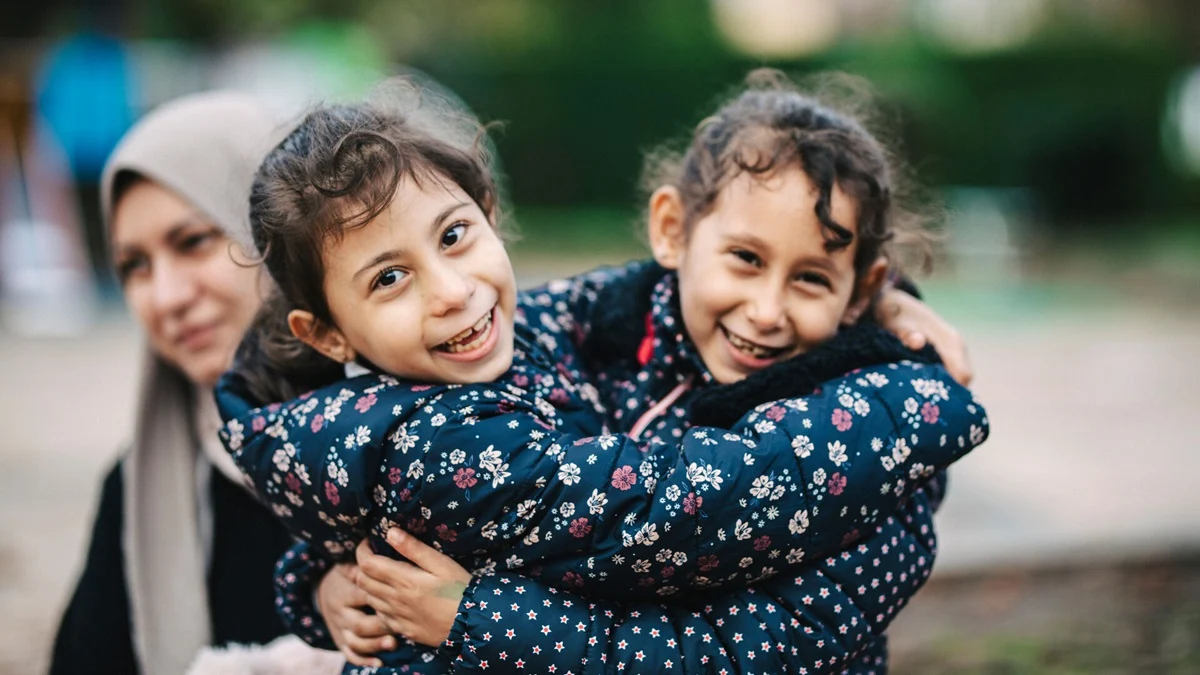
The World Health Organization (WHO) has announced a significant global shift in how nations are addressing the health needs of refugees and migrants, with new data revealing that over 60 countries—representing two-thirds of those surveyed—now incorporate these populations into their national health policies and legal frameworks. This landmark report, drawing on comprehensive data from 93 Member States, establishes the first-ever global baseline for monitoring progress towards inclusive and migrant-responsive health systems worldwide.
A Defining Global Phenomenon: Migration and Health
Human migration, a constant thread throughout history, has profoundly shaped cultural, social, and economic development across generations. Today, this phenomenon is more pronounced than ever, with over one billion people—more than one in every eight individuals globally—living outside their country of origin as refugees or migrants. The motivations for such movements are diverse and complex, ranging from dire circumstances like armed conflict and natural disasters to aspirations for economic opportunity, access to education, or the reunification of families.
Despite the fundamental human right to health, refugees and migrants frequently encounter formidable barriers to accessing essential healthcare services. These challenges are often compounded by heightened risks of infectious and chronic diseases, significant mental health burdens, and precarious living and working conditions that can compromise their well-being.
"Refugees and migrants are not just recipients of care; they are also health workers, caregivers, and community leaders," stated Dr. Tedros Adhanom Ghebreyesus, Director-General of the World Health Organization. "Health systems are only truly universal when they serve everyone. WHO’s new report on the health of migrants and refugees shows that inclusion benefits whole societies and strengthens preparedness for future health challenges."
The Far-Reaching Dividends of Inclusive Health Systems
Investing in the health of refugees and migrants yields substantial and far-reaching benefits. Such investments not only foster better social and economic integration for these individuals but also significantly bolster the resilience of national health systems. Moreover, they reinforce global health security by creating healthier and more integrated populations, thereby reducing long-term healthcare costs and enabling these individuals to contribute fully to the economic and social fabric of their host countries. Inclusive, migrant-responsive health systems are thus a cornerstone of robust and equitable societies.
The comprehensive "World Report on Promoting the Health of Refugees and Migrants: Monitoring Progress on the WHO Global Action Plan," published by the WHO, underscores a crucial trend: even in politically sensitive environments, countries are increasingly leveraging evidence, data, scientific research, and established international norms and standards to guide their approaches to migration and health within their national health infrastructures.
Progress in Practice: Global Case Studies
The report highlights concrete examples of progress across all six WHO regions, illustrating how inclusive policies are being translated into tangible improvements in healthcare delivery. These case studies offer valuable insights into effective strategies:
- Thailand: The nation has made strides in expanding health insurance coverage for migrant populations, ensuring greater access to essential medical services. This initiative recognizes the significant contribution of migrant workers to the Thai economy and addresses their healthcare needs proactively.
- Belgium: In Belgium, the implementation of cross-cultural communication mediators has proven instrumental in bridging language and cultural barriers between healthcare providers and migrant patients. This approach enhances understanding, trust, and the effectiveness of medical consultations.
- Chile: Chile has demonstrated a commitment to participatory governance by including migrant community representatives in decision-making processes related to primary healthcare delivery. This ensures that health services are designed and implemented in a way that is responsive to the specific needs and cultural contexts of migrant communities.
These examples collectively demonstrate a growing global recognition that tailored and inclusive health strategies are not only ethical imperatives but also pragmatic solutions for building healthier and more cohesive societies.
Persistent Gaps and the Path Forward
Despite the encouraging progress, the WHO report unequivocally points to persistent gaps that demand urgent attention. While the specific details of these gaps are not elaborated in the provided excerpt, common challenges in migrant health often include:
- Access to primary healthcare: Many refugees and migrants still face significant barriers in accessing timely and appropriate primary healthcare services, including preventive care and early diagnosis.
- Specialized care: Access to specialized medical care, particularly for chronic conditions and mental health issues, remains a challenge for a substantial portion of the refugee and migrant population.
- Data collection and disaggregation: A lack of robust data collection and disaggregation methods specific to refugee and migrant health can hinder accurate assessment of needs and the effectiveness of interventions.
- Health insurance and affordability: Inadequate health insurance coverage or the prohibitive cost of healthcare services can prevent refugees and migrants from seeking necessary medical attention.
- Cultural and linguistic barriers: Ongoing challenges related to language differences, cultural misunderstandings, and discrimination within healthcare settings can impede effective care delivery.
- Health system preparedness: Health systems in many countries are not yet fully equipped to respond to the unique health needs and vulnerabilities of mobile populations, particularly in crisis situations.
WHO’s Call to Action and Collaborative Efforts
The World Health Organization commends the progress made by its Member States and issues a strong call to action for governments, international partners, and donors to accelerate these efforts. The WHO urges stakeholders to prioritize the following actions:
- Strengthen legal and policy frameworks: Continue to embed the health needs of refugees and migrants within comprehensive national health policies and legal structures.
- Increase investment: Allocate dedicated financial and human resources to develop and implement migrant-responsive health programs.
- Enhance data collection and research: Invest in robust data collection mechanisms to better understand the health profiles and needs of refugee and migrant populations.
- Promote intersectoral collaboration: Foster strong partnerships between health ministries, immigration authorities, social welfare departments, and civil society organizations.
- Empower communities: Ensure the meaningful participation of refugee and migrant communities in the design, implementation, and evaluation of health initiatives.
- Invest in health workforce training: Equip healthcare professionals with the necessary skills and cultural competencies to provide effective and equitable care to diverse populations.
The WHO remains steadfast in its commitment to supporting Member States in translating these policy commitments into concrete actions. This support includes strengthening the evidence base, promoting culturally responsive care, and fostering the integration of refugees and migrants into resilient national health systems. On global, regional, and country levels, the WHO will continue its close collaboration with key partners, including the International Organization for Migration (IOM), the United Nations High Commissioner for Refugees (UNHCR), and the World Bank, to advance coordinated, rights-based approaches to refugee and migrant health.
Leveraging Digital Infrastructure for Enhanced Health Security
A significant development in this ongoing effort is the International Organization for Migration’s (IOM) onboarding onto the Global Digital Health Certification Network (GDHCN). The GDHCN is a WHO-hosted digital public infrastructure designed to facilitate the verification of health documents across countries. This pioneering collaboration is poised to significantly enhance efforts to enable migrants to securely access verifiable health records wherever they travel, thereby supporting the continuity of care across borders.
By becoming the first international organization to join the GDHCN, the IOM not only underscores the WHO’s leadership in addressing the public health dimensions of refugee and migrant health but also champions the development of trusted, interoperable digital health systems. Such systems are vital for protecting and empowering individuals globally, ensuring that health information follows people as they move, and facilitating seamless access to healthcare services regardless of geographical location. This initiative represents a forward-thinking approach to modernizing global health governance and ensuring that vulnerable populations are not left behind in an increasingly interconnected world. The integration of digital health solutions is seen as a critical component in building more efficient, accessible, and equitable health systems for all.









Leave a Reply