
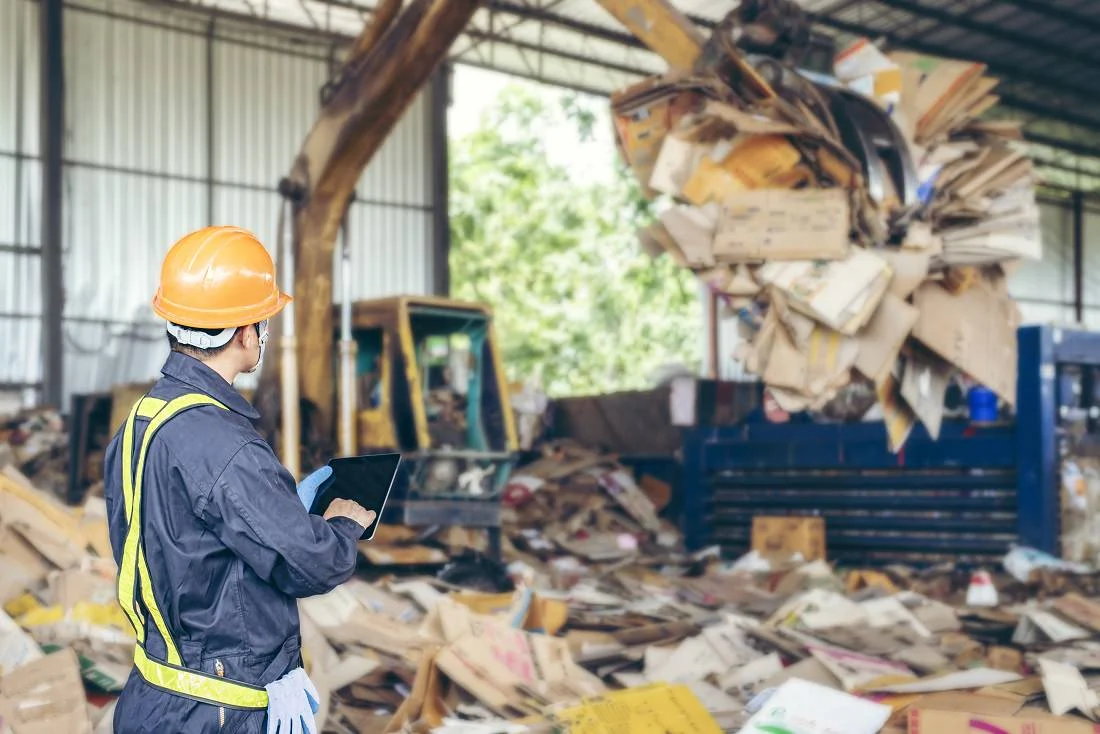
The trajectory of a corrugated cardboard box from a distribution warehouse back to a paper mill spans approximately two weeks, representing one of the most efficient industrial loops in the modern economy. In stark contrast, plastic packaging remains an environmental outlier, often requiring centuries to decompose in a landfill, with contemporary estimates indicating that a mere 5 to 6 percent of plastic waste in the United States is successfully recycled into new products. This profound disparity serves as the focal point for the global circular packaging market, a sector that has ballooned into a $245 billion industry as of 2024, even as it grapples with systemic failures in infrastructure, regulatory inconsistency, and a burgeoning crisis of consumer trust.
The concept of a "circular economy"—one where materials are perpetually recovered and reused rather than discarded—has moved from the fringes of corporate social responsibility to the center of global industrial strategy. However, the growth of this market does not always equate to true circularity. As the industry looks toward a 2034 valuation projected to exceed $480 billion, the gap between ambitious corporate ESG (Environmental, Social, and Governance) commitments and the technical realities of waste management systems has come under unprecedented scrutiny from regulators, environmental advocates, and investors alike.
The Evolution of the Recycling Crisis and the Shift to Domestic Processing
The modern era of recycling was fundamentally reshaped in 2018 when China implemented its "National Sword" policy, effectively banning the import of most plastics and other recyclables that did not meet stringent purity standards. Prior to this, the United States and many European nations relied heavily on exporting low-grade waste to Asian markets, where manual labor was used to sort contaminated bales. When this outlet was shuttered, the U.S. recycling industry was plunged into a period of volatility. Communities across the country were forced to suspend recycling programs as the cost of processing materials locally far exceeded the market value of the recovered commodities.
This crisis served as a catalyst for a domestic infrastructure overhaul. In April 2020, DS Smith, a major player in the packaging sector, opened its first North American recycling plant in Reading, Pennsylvania. This facility was significant not just for its capacity, but for its proximity to an existing paper mill and corrugated packaging plant. By co-locating these facilities, the company created a "closed-loop" system capable of manufacturing, distributing, collecting, and recycling fiber-based packaging within a 14-day window. This model relied on sourcing "clean" materials directly from retailers and distribution centers, bypassing the high contamination rates typical of residential curbside collection.
Material Disparities: The Success of Fiber vs. the Stagnation of Plastic
The success of the circular economy is currently dictated by the physical properties of the materials involved. Paper and corrugated cardboard remain the gold standard for circularity. According to the American Forest & Paper Association, the U.S. recycled more than 33 million tons of cardboard in 2024, averaging roughly 90,000 tons per day. This represents a recovery rate of approximately 69 to 74 percent. Furthermore, the integration of recycled fiber into domestic manufacturing is increasing; the share of recycled paper used at U.S. mills rose from 36.6 percent in 2005 to 44.4 percent by 2024.
Aluminum similarly demonstrates a high degree of circular efficiency. The average aluminum beverage can produced today consists of approximately 73 percent recycled content, benefiting from an established infrastructure and the fact that aluminum can be recycled infinitely without loss of quality.
Plastic, however, remains the primary obstacle to a fully circular packaging economy. Despite decades of public service announcements and the ubiquity of the "chasing arrows" symbol, the technical challenges of sorting various resin types (PET, HDPE, LDPE, etc.) and removing food contaminants make plastic recycling economically precarious. The 5 to 6 percent recovery rate for U.S. plastics highlights a systemic failure to scale chemical and mechanical recycling technologies at a pace that matches the global increase in virgin plastic production.
Corporate Consolidation and Strategic Investments
The financial community has signaled its confidence in the longevity of the circular packaging market through a series of massive mergers and acquisitions. In July 2024, Smurfit Kappa finalized its acquisition of WestRock, creating Smurfit WestRock. This entity now stands as one of the largest paper-based packaging firms in the world, boasting $32 billion in combined annual revenue and a workforce of 100,000 across 40 countries.
Simultaneously, International Paper moved to acquire DS Smith in a deal valued at approximately $9.9 billion. These consolidations are not merely about scale; they are strategic bets on the future of fiber-based packaging as a sustainable alternative to plastic. By controlling the entire lifecycle of the product—from timberlands and mills to recycling centers—these "super-majors" aim to insulate themselves from market fluctuations and meet the increasing demand for verified sustainable packaging from global consumer goods companies.
The Ellen MacArthur Foundation: A Reality Check on 2025 Targets
In 2018, the Ellen MacArthur Foundation (EMF) launched the Global Commitment, a voluntary initiative that brought together over 1,000 organizations, representing 20 percent of the global plastic packaging market. The participants set ambitious goals for 2025, including a pledge to make 100 percent of plastic packaging reusable, recyclable, or compostable, and to significantly increase the use of post-consumer recycled (PCR) content.
The Foundation’s 2024 Progress Report provides a sobering assessment of these goals. While participating companies have avoided approximately 9.6 million tons of virgin plastic since 2018, this figure represents less than 3 percent of total annual global plastic production. During the same period, the broader market actually increased its use of plastic packaging by 8 percent.
The report also highlighted the struggle to scale reuse and refill models. Despite 64 percent of Commitment participants launching pilot programs for reusable packaging, these models account for a negligible 1.3 percent of total packaging volume. The primary barriers include a lack of standardized reverse logistics (the process of moving goods from their final destination back to the manufacturer for reuse) and a lack of economic incentives for consumers to participate in return programs.
The Rise of Greenwashing and the "Classic Puffery" Defense
As corporate sustainability claims have proliferated, so has the phenomenon of "greenwashing"—the practice of making misleading or unsubstantiated claims about the environmental benefits of a product. In October 2024, the legal advocacy group ClientEarth released a comprehensive report detailing how vague terms like "100-percent recyclable" and "ocean-bound plastic" often violate consumer protection laws in the European Union and the United Kingdom.
The credibility of the industry suffered a further blow during the 2024 Packaging Recycling Summit. Myles Cohen, founder of Circular Ventures, noted a troubling legal trend where companies accused of misleading consumers argued that their sustainability claims were merely "classic puffery"—a legal term for exaggerated advertising that no reasonable person would take literally. This defense has contributed to a sharp decline in public trust. Data from 2024 suggests that 32 percent of Americans now doubt the efficacy of curbside recycling, more than double the 14 percent reported four years prior. This skepticism has led to "greenhushing," where brands choose to remain silent about their environmental initiatives to avoid the risk of litigation or public backlash.
Regulatory Divergence: The E.U. Lead and the U.S. Policy Gap
The future of circular packaging is increasingly being shaped by legislative mandates rather than voluntary corporate pledges. The European Union’s Packaging and Packaging Waste Regulation (PPWR) represents the most aggressive regulatory framework to date. It mandates a 70 percent recycling rate for all packaging waste by 2030 and requires member states to reduce per capita packaging waste by 15 percent by 2040. Furthermore, the E.U. is implementing strict standards for biobased and compostable plastics to ensure they are truly biodegradable in industrial settings.
In the United States, the regulatory landscape is a patchwork of state-level initiatives. California has emerged as a leader with its Extended Producer Responsibility (EPR) laws, which shift the financial burden of waste management from taxpayers to the producers of the packaging. However, federal action remains stalled. This was underscored in November 2024 during the UN Global Plastics Treaty negotiations in Busan, South Korea. Despite years of preparation, delegates failed to reach a binding international agreement on plastic production limits, leaving a significant void in global environmental policy.
Infrastructure Requirements and the Path Forward
The Environmental Protection Agency (EPA) has estimated that modernizing the U.S. recycling infrastructure to meet circularity goals will require an investment of between $36.5 billion and $43.4 billion. These funds are needed to upgrade Materials Recovery Facilities (MRFs) with advanced optical sorters and artificial intelligence, expand industrial composting capacity for food-contaminated paper, and build specialized plants for hard-to-recycle plastics.
However, investment at this scale is unlikely to materialize without binding national policies that create a stable market for recycled materials. Currently, virgin plastic—derived from subsidized fossil fuels—is often cheaper than recycled resin, creating a disincentive for manufacturers to switch to more sustainable options.
Implications for the Global Economy
The transition to a circular packaging economy is no longer just an environmental necessity; it is a complex industrial transformation with profound economic implications. For the fiber industry, the shift represents a period of unprecedented growth and consolidation. For the plastic industry, it is a period of defensive innovation and regulatory combat.
As the 2025 deadline for many corporate sustainability targets approaches, the industry is entering a phase of accountability. The "closed-loop" model demonstrated by facilities like the DS Smith plant in Pennsylvania offers a blueprint for success, but scaling such models requires more than just corporate will. It demands a synchronization of consumer behavior, municipal infrastructure, and federal policy. Without these pillars, the circular economy risks remaining a $245 billion market that, while profitable, fails to address the fundamental challenge of a planet buried in its own packaging.









Leave a Reply