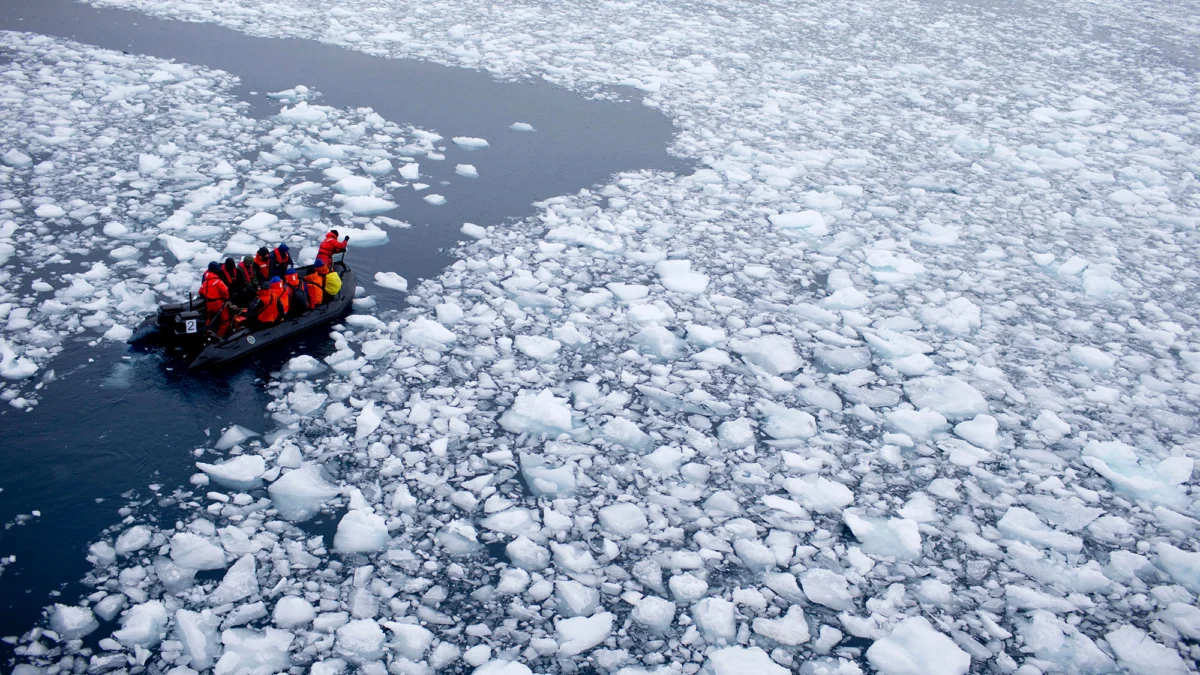
For decades, the behavior of the sea ice surrounding Antarctica presented one of the most enduring paradoxes in climate science. While the Arctic experienced a steady and well-documented decline in ice cover due to rising global temperatures, the Southern Ocean appeared to defy the trend. From the beginning of satellite observations in the late 1970s until roughly 2014, the extent of Antarctic sea ice actually expanded, reaching record highs even as the planet warmed. However, this period of growth came to an abrupt and violent end in 2016. Since that pivotal year, the ice has undergone a dramatic contraction, reaching consecutive record lows that have left researchers scrambling for answers.
Now, a groundbreaking study led by researchers at Stanford University and published in the journal Proceedings of the National Academy of Sciences (PNAS) has identified the underlying oceanic and atmospheric drivers of this sudden shift. Utilizing a sophisticated network of deep-diving autonomous robots, scientists have determined that the secret to both the long-term expansion and the sudden collapse lies in a complex interplay of salinity, wind patterns, and "pent-up" oceanic heat. The findings suggest that the ocean acts as a massive thermal regulator, modulating sea ice variability over decades until atmospheric shifts trigger a rapid release of energy.
The Mystery of the Antarctic Ice Paradox
To understand the significance of the recent decline, one must first look at the historical context of Antarctic sea ice. Unlike the Arctic, which is an ocean surrounded by land, Antarctica is a continent surrounded by a vast, circumpolar ocean. This geography makes the Southern Ocean’s ice much more susceptible to the whims of winds and currents.
Between 1979 and 2015, Antarctic sea ice extent increased at a rate of approximately 1 percent per decade. Climate skeptics often pointed to this expansion as evidence against global warming, but scientists suspected a more complex mechanism was at play. Theories ranged from changes in the ozone hole affecting wind patterns to an influx of freshwater from melting glaciers, which freshened the surface and allowed it to freeze more easily.
"One of the key takeaways from the study is that the ocean plays a huge role in sort of modulating how sea ice can vary from year to year, decade to decade," said Earle Wilson, a polar oceanographer at Stanford University and the lead author of the research. The study clarifies that the period of expansion was not a sign of cooling, but rather a period of "stratification," where the ocean was effectively hiding heat in its deeper layers.
The Role of Argo Floats: A Technological Breakthrough
Traditional methods of monitoring the Southern Ocean are notoriously difficult. The region is characterized by some of the most treacherous maritime conditions on Earth, including "The Roaring Forties" and "The Furious Fifties"—latitudes known for extreme winds and massive waves. Furthermore, during the Antarctic winter, much of the ocean is covered by ice, making it impossible for standard research vessels to take measurements.
To overcome these hurdles, the research team relied on the Argo float program. These torpedo-shaped, human-sized robotic instruments are designed to drift with ocean currents and perform vertical profiles of the water column. An Argo float typically sinks to a depth of about 2,000 meters (roughly 6,500 feet), where it drifts for several days. It then slowly ascends to the surface, measuring temperature and salinity throughout the journey. Once it reaches the surface, it transmits its data via satellite to researchers on land before beginning the cycle again.
Because these robots float passively and can operate under the ice, they provided the high-resolution data necessary to see what was happening beneath the surface. This data revealed a startling reality: while the surface of the Southern Ocean remained cold enough to support ice growth for decades, the water several hundred feet below was becoming increasingly warm and salty.
Stratification and the "Heat Trap" Mechanism
The Stanford study explains that the expansion of sea ice prior to 2016 was driven by a process called stratification. In most of the world’s oceans, the warmest water is at the surface, heated by the sun. In the Southern Ocean, the situation is often inverted. The frigid Antarctic air cools the surface water, while warmer, denser, saltier water circulates in the depths below.
For decades, increased precipitation—a byproduct of a warming atmosphere holding more moisture—added fresh water to the ocean’s surface. Because fresh water is less dense than salt water, it formed a "lid" or a buoyant layer that stayed on top. This stratification prevented the deeper, warmer water from mixing with the surface.
"With warmer liquid kept away from the surface, more sea ice can form," the researchers noted. This freshwater lid essentially acted as an insulator, trapping heat in the deep ocean and allowing the surface to continue freezing despite the overall warming of the planet. However, this was a precarious balance. The deeper ocean was essentially becoming a pressure cooker of "pent-up" thermal energy.
The 2016 Regime Shift: A Violent Release
The equilibrium broke in 2016. The study identifies a shift in atmospheric conditions as the catalyst for the collapse. Winds around the continent intensified and shifted their patterns, likely driven by the widening temperature gap between the warming tropics and the polar regions—a phenomenon linked to anthropogenic climate change.
These intensified winds did two things: they pushed the surface ice away from the coast and, more importantly, they "churned" the ocean. This mechanical mixing broke the stratification, bringing the warm, salty water from the depths up to the surface.
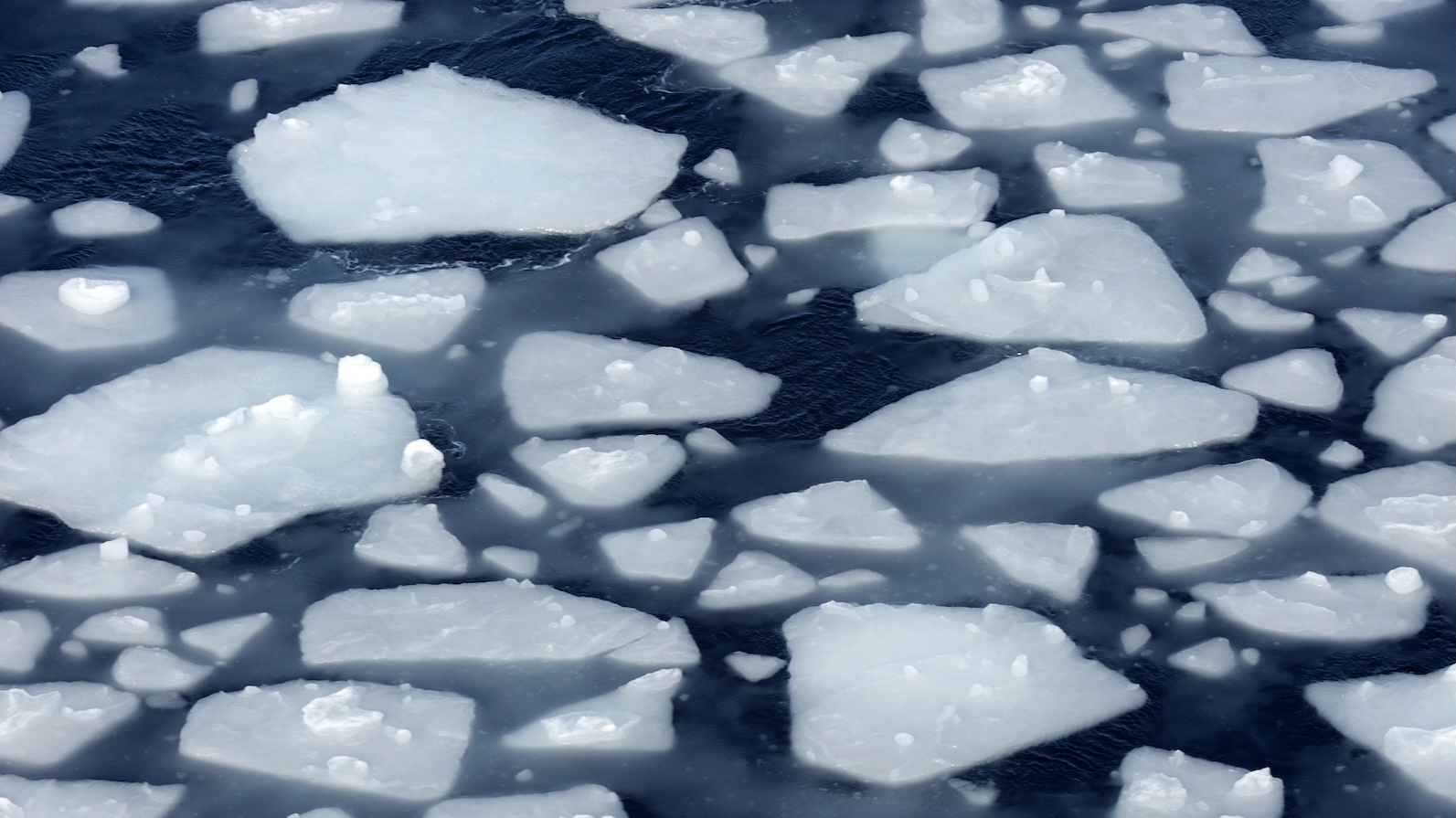
"What we witnessed was basically this very violent release of all that pent-up heat from below that we linked to the sea ice decline," Wilson explained. The sudden influx of heat from below decimated the sea ice from the bottom up. Once the ice began to disappear, a feedback loop took over. Without the white, reflective surface of the ice to bounce sunlight back into space—a process known as the albedo effect—the dark ocean absorbed even more solar radiation, further accelerating the melting process.
Supporting Data and Chronology of Decline
The data following the 2016 event paints a grim picture of the current state of the Southern Ocean. According to satellite records maintained by the National Snow and Ice Data Center (NSIDC):
- September 2014: Antarctic sea ice reached a record maximum extent of 20.11 million square kilometers.
- 2016: A sudden and precipitous drop occurred, with sea ice extent falling well below the long-term average.
- February 2022: Sea ice reached a record low minimum of 1.92 million square kilometers.
- February 2023: This record was shattered again, with the extent dropping to 1.79 million square kilometers.
- Winter 2023: The "winter recovery" was unprecedentedly weak, with the ice failing to grow back to its normal extent by a margin equivalent to the size of Argentina.
Zachary Labe, a climate scientist at Climate Central who was not involved in the Stanford study, emphasized that this research confirms the ocean’s dominant role. "Recent research has shown that both atmospheric and oceanic warming is likely contributing to the sudden change in Antarctic sea-ice extent since 2016, and this paper helps to further develop the point that deeper ocean warmth is a significant player," Labe said.
Broader Implications: The 190-Foot Threat
The loss of sea ice is not merely a concern for local ecosystems or penguin habitats; it represents a systemic threat to global sea levels. While the melting of sea ice (which is already floating) does not directly raise sea levels, its absence accelerates the melting of the Antarctic ice sheet—the massive glaciers sitting on the continent itself.
Sea ice serves as a vital physical buffer. It protects the massive floating ice shelves that extend from the continent’s edge. These ice shelves act as "corks in a bottle," holding back the land-based glaciers. When sea ice disappears, the ice shelves are exposed to direct wave action and warmer surface currents, which erode them from below.
If the Antarctic ice sheet were to collapse entirely, it contains enough water to raise global sea levels by approximately 190 feet (58 meters). Even a partial collapse of vulnerable regions, such as the West Antarctic Ice Sheet, would result in several feet of sea level rise, threatening every coastal city on the planet.
Furthermore, the loss of the albedo effect creates a "polar amplification" scenario. As the Southern Ocean absorbs more heat, it alters global weather patterns and slows down the "oceanic conveyor belt"—the global circulation system that regulates temperatures across the Northern and Southern Hemispheres.
Expert Reactions and the Need for Global Monitoring
The scientific community has reacted to the Stanford findings with a mixture of praise for the methodology and alarm at the conclusions. The study underscores the necessity of maintaining and expanding the Argo float network.
"Overall, we need more international support to continue building observing networks across the Antarctic polar region, both for oceanic and atmospheric monitoring," Zachary Labe noted. "This is critical given the rapid changes we are beginning to observe in this part of the world in a warming climate, with potentially significant consequences for global sea level rise."
The research also highlights the limits of current climate models. Many models failed to predict the 2016 collapse because they did not fully account for the "heat trap" mechanism of the deep Southern Ocean. By integrating this new understanding of salinity and stratification, researchers hope to build more accurate simulations of future sea level rise.
Conclusion: A Permanent Shift or a Temporary Low?
The central question remains: has the Antarctic reached a "tipping point," or is this a temporary phase of low ice? While natural variability always plays a role in the chaotic weather systems of the Southern Ocean, the consensus is leaning toward a permanent regime shift.
The release of heat observed in 2016 was so massive that the ocean has not yet returned to its previous stratified state. With the atmosphere continuing to warm, the likelihood of the freshwater "lid" reforming to its previous extent is slim.
"The big question now is whether we’re witnessing a permanent state of low sea ice, or whether atmospheric and oceanic conditions might swing back enough to encourage years of growth," the study authors noted. However, Earle Wilson remains cautious about the long-term trajectory. "The long-term, multi-decade trend will be negative. That would be my guess, but we don’t know for sure."
As the world continues to monitor the "strange" waters around the southern continent, the data from deep-diving robots serves as a stark reminder: the oceans have a long memory, and the heat they have been absorbing for decades is finally coming to the surface. The consequences of this thermal release will be felt not just in the icy reaches of the south, but on every coastline across the globe.