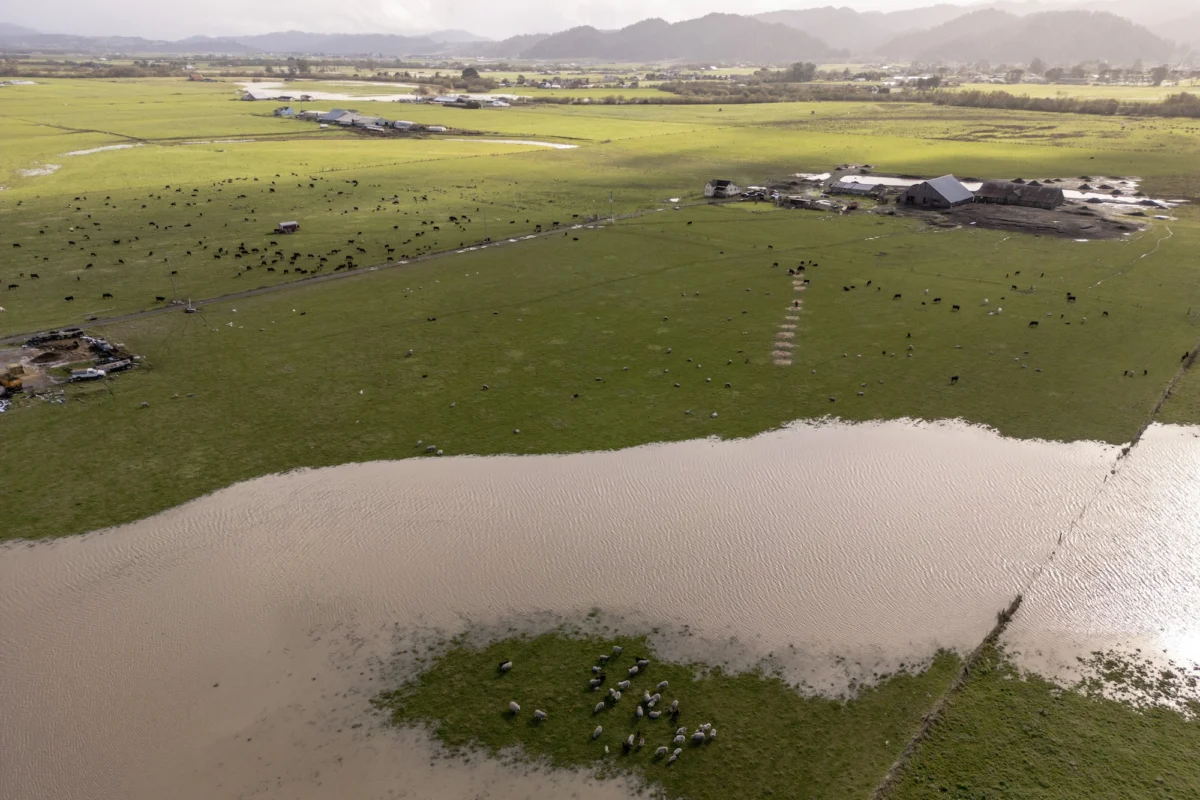
The Potter Valley Project, a century-old hydroelectric and water diversion complex that dams Northern California’s Eel River, currently stands as a monument to a bygone era of infrastructure. Its primary reservoir is heavily choked with sediment, its hydroelectric turbines have been silent for years, and the recurring droughts of the 21st century frequently leave its basins empty. Despite its historical significance, the project now poses a significant liability; much of its infrastructure is at risk of catastrophic failure in the event of a major earthquake. Recognizing these realities, Pacific Gas and Electric (PG&E), the utility that owns the project, moved last year to surrender its license and demolish the dams. However, what began as a delicate, locally negotiated compromise to restore the river while protecting regional water security has been thrust into a high-stakes federal political battle.
U.S. Secretary of Agriculture Brooke Rollins has emerged as the primary antagonist to the decommissioning plan, signaling a significant shift in federal involvement in local conservation efforts. By aligning with a small but vocal group of local opponents and an obscure water agency located hundreds of miles away, Rollins has transformed a complex environmental and engineering challenge into a front in the nation’s broader culture wars. This intervention threatens to upend years of negotiations between Tribal nations, conservationists, and agricultural stakeholders who had finally found a path forward for the Eel River.
The Decline of the Potter Valley Project
Constructed in the early 1900s, the Potter Valley Project was designed to divert water from the Eel River into the Russian River basin, primarily to generate hydroelectric power and provide irrigation to the Potter Valley and Sonoma County. At its peak, the project’s powerhouse could produce approximately 9 megawatts of electricity—a modest output by modern standards, representing only about 1 percent of the capacity of a typical fossil-fuel-fired power plant.
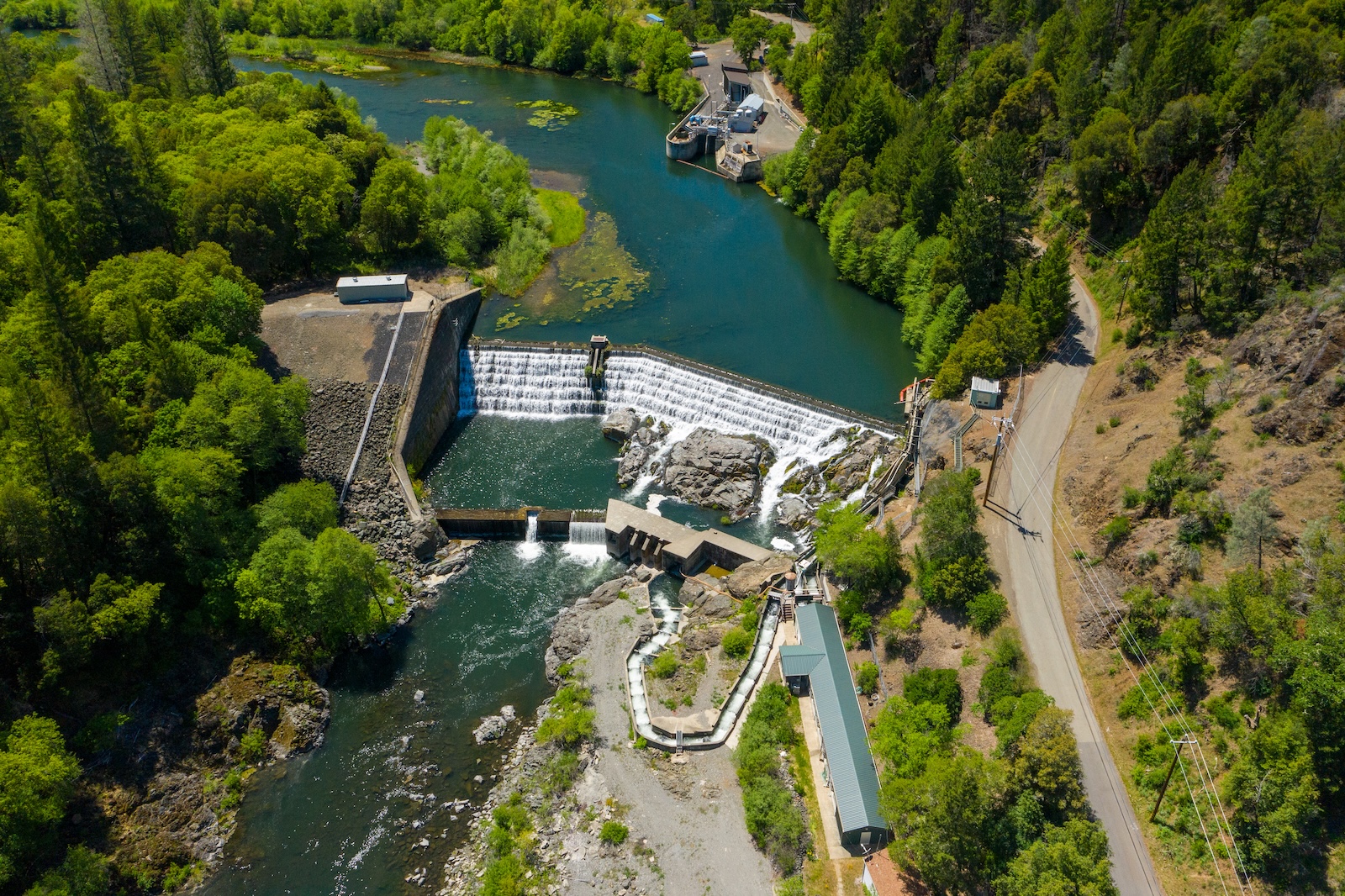
In recent years, the project has become functionally obsolete. The hydroelectric plant has not operated since 2021 due to equipment failure and the prohibitive costs of repairs. Furthermore, the Scott Dam and Cape Horn Dam, the project’s primary structures, are located near a seismic fault zone. Engineers have warned that a significant tremor could lead to a collapse, endangering downstream communities. Compounding these issues is the accumulation of sediment in Lake Pillsbury, the project’s main reservoir, which has significantly reduced its storage capacity and degraded water quality.
For PG&E, the project is no longer economically viable. The utility has sought to divest from the site for decades, but the complexities of water rights and environmental regulations made abandonment difficult. Last year’s agreement to move toward decommissioning was hailed as a breakthrough, promising to remove the barriers to fish passage for vulnerable salmon and steelhead populations while modernizing the region’s water delivery systems.
A Fragile Consensus and the 2025 Agreement
The agreement to undam the Eel River was not reached easily. It required a "delicate compromise" among stakeholders with often-conflicting interests. Central to this deal is the Round Valley Indian Tribe, which holds senior water rights to the Eel River. For generations, the tribe has advocated for the removal of the dams to restore the natural flow of the river and the health of the fisheries upon which their culture and economy depend.
Under the terms of the 2025 agreement, the Round Valley Indian Tribe agreed to allow a reduced amount of water to be diverted through a new tunnel system to support farmers in the Potter Valley. In exchange, the farmers agreed to accept roughly half of the water volume they had historically received during years when the reservoir was full. This compromise was intended to ensure that the rural farming community—for whom the project is the sole water source—could survive the transition to a dam-free river.
Supporters of the plan, including U.S. Representative Jared Huffman, a Democrat representing the region, argue that the deal represents the only realistic future for the area. Without a coordinated removal, the infrastructure will continue to decay, likely leading to an unmanaged failure that would provide neither water for farmers nor a healthy habitat for fish.
Federal Intervention and the "Fish vs. People" Narrative
The intervention by Secretary Brooke Rollins has introduced a new level of volatility to the proceedings. Rollins, a long-time ally of former President Donald Trump, has framed the dam removal as an ideological battle rather than a resource management issue. Under her leadership, the U.S. Department of Agriculture (USDA) has increasingly targeted environmental and sustainable farming programs, often labeling them as "woke" initiatives of the previous administration.
In the case of Potter Valley, Rollins has adopted the "fish over people" rhetoric—a common political attack used in California’s long-standing water wars. She has publicly condemned the decommissioning plan, claiming it would "devastate hundreds of family farms" and "wipe out more than a century of agricultural tradition."
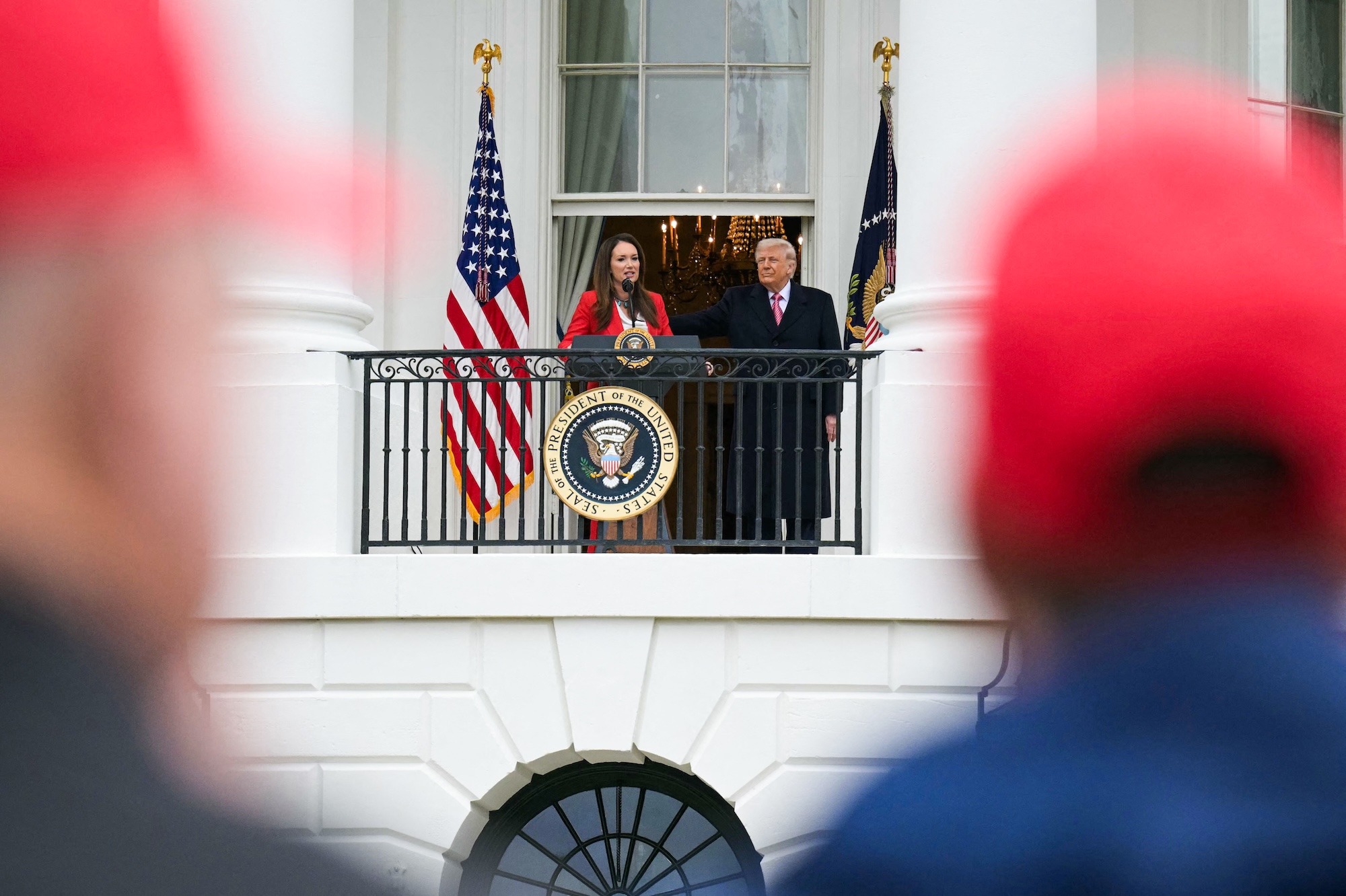
This stance has been bolstered by local activists, most notably Keely Brazil Covello, a filmmaker and blogger whose "America Unwon" platform has become a hub for opposition to the deal. Covello and her father, a local veterinarian, have worked closely with Rollins to lobby the federal government to block PG&E’s license surrender. Their campaign suggests that the removal of the dams is an existential threat to the Potter Valley community, a sentiment that Rollins has amplified through social media and formal filings with the Federal Energy Regulatory Commission (FERC).
The Elsinore Valley Mystery: A Geographic and Logistical Outlier
Perhaps the most baffling development in the Potter Valley saga is the emergence of the Elsinore Valley Municipal Water District as a potential buyer for the dams. Based in Riverside County, more than 500 miles to the south, Elsinore Valley has no existing infrastructure that could physically transport water from the Eel River to its service area.
When questioned about the logic of the acquisition, Elsinore Valley board members have framed the move as an act of statewide altruism, arguing that preserving any water source benefits the entire state of California. However, critics and policymakers have dismissed this as a political stunt or a precursor to a "water grab" that would attempt to siphon Northern California resources to the south.
Representative Huffman’s office has launched a formal investigation into Elsinore Valley’s involvement and its ties to the Trump administration. Environmental advocacy groups, including Friends of the Eel River, have also filed public records requests, alleging that the district’s sudden interest may violate the Brown Act, California’s open-meeting law.
Tribal Sovereignty and the Legal Risk of Inaction
The Round Valley Indian Tribe has made it clear that their patience is not infinite. Tribal President Joseph Parker has warned that if the federal government or outside agencies succeed in blocking the dam removal agreement, the tribe will assert its senior water rights through litigation.
Such a legal challenge would likely lead to a protracted adjudication of the entire Eel River watershed. If the tribe’s senior rights are upheld—as they have been in similar cases across the West—it could result in the complete shutoff of water to the Potter Valley farmers, regardless of whether the dams remain standing.
"We aren’t backing down," Parker stated, emphasizing that the tribe has spent over a century watching its resources be diverted without compensation. The 2025 agreement was seen as a way to avoid this "legal nuclear option," providing a path for co-existence. By disrupting the deal, Rollins and her allies may inadvertently trigger the very agricultural collapse they claim to be preventing.
Technical and Regulatory Realities
Despite the political firestorm, the regulatory process managed by FERC continues to move forward. In May, the commission released its first National Environmental Policy Act (NEPA) scoping document, which labeled the retention of the dams as "infeasible." FERC cited the significant seismic stability concerns, the lack of a viable operator willing to fund the hundreds of millions of dollars in required upgrades, and PG&E’s stated preference for removal.
The cost of bringing the Potter Valley Project into compliance with modern standards is staggering. To keep the dams, an owner would need to address:

- Seismic Retrofitting: Strengthening the Scott Dam to withstand potential earthquakes.
- Fish Passage: Installing expensive ladders or elevators to allow salmon and steelhead to reach spawning grounds, as required by the Endangered Species Act.
- Sediment Management: Dredging millions of cubic yards of silt from Lake Pillsbury.
- Powerhouse Restoration: Rebuilding a defunct hydroelectric system that produces minimal energy.
For most experts, these costs far outweigh the economic benefits of the water provided. Even some local farmers, like Janet Pauli, who once fought to keep the dams, have come to realize that the status quo is unsustainable. Pauli now advocates for alternative water storage projects, such as expanding the nearby Coyote Valley Dam on the Russian River, to replace the storage lost by the Eel River decommissioning.
Broader Implications for Western Water Policy
The conflict over the Potter Valley Project is a microcosm of the challenges facing the American West as it grapples with climate change and aging infrastructure. Across the country, thousands of small, privately owned dams are reaching the end of their lifespans. The successful removal of the Klamath River dams on the California-Oregon border was seen as a blueprint for how diverse groups—Tribes, utilities, and farmers—could work together to solve these problems.
However, the politicization of the Potter Valley deal suggests that such bipartisan solutions are becoming increasingly difficult to maintain. By framing infrastructure management as a "culture war" issue, federal actors risk paralyzing the very agencies designed to handle these transitions.
As the FERC assessment continues, the residents of Potter Valley remain in a state of uncertainty. For some, the dams represent a cherished past; for others, they are a dangerous and failing relic. But for all involved, the Eel River remains a vital lifeline, one that is currently caught in a tug-of-war between local reality and national political theater. Whether the "delicate compromise" of 2025 survives will depend on whether science and local consensus can prevail over the escalating rhetoric from Washington.