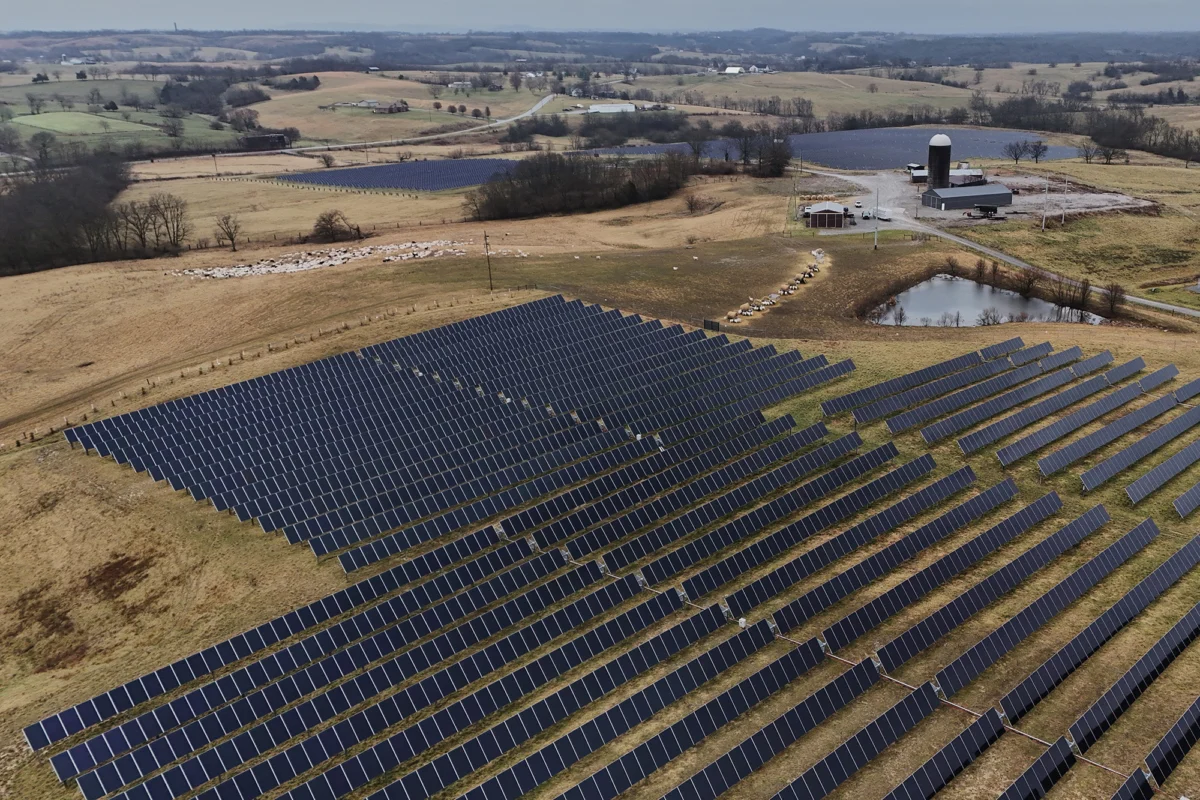
The landscape of American agriculture is undergoing a profound and turbulent transformation as federal support for renewable energy, once a cornerstone of rural economic development, faces a systematic rollback. For decades, farmers across the United States have balanced thin profit margins by diversifying their income through renewable energy projects, ranging from small-scale rooftop solar on barns to massive commercial leases on fallow land. However, a significant shift in federal policy under the current administration has brought this momentum to a halt, leaving thousands of farmers and renewable energy developers in a state of financial limbo.
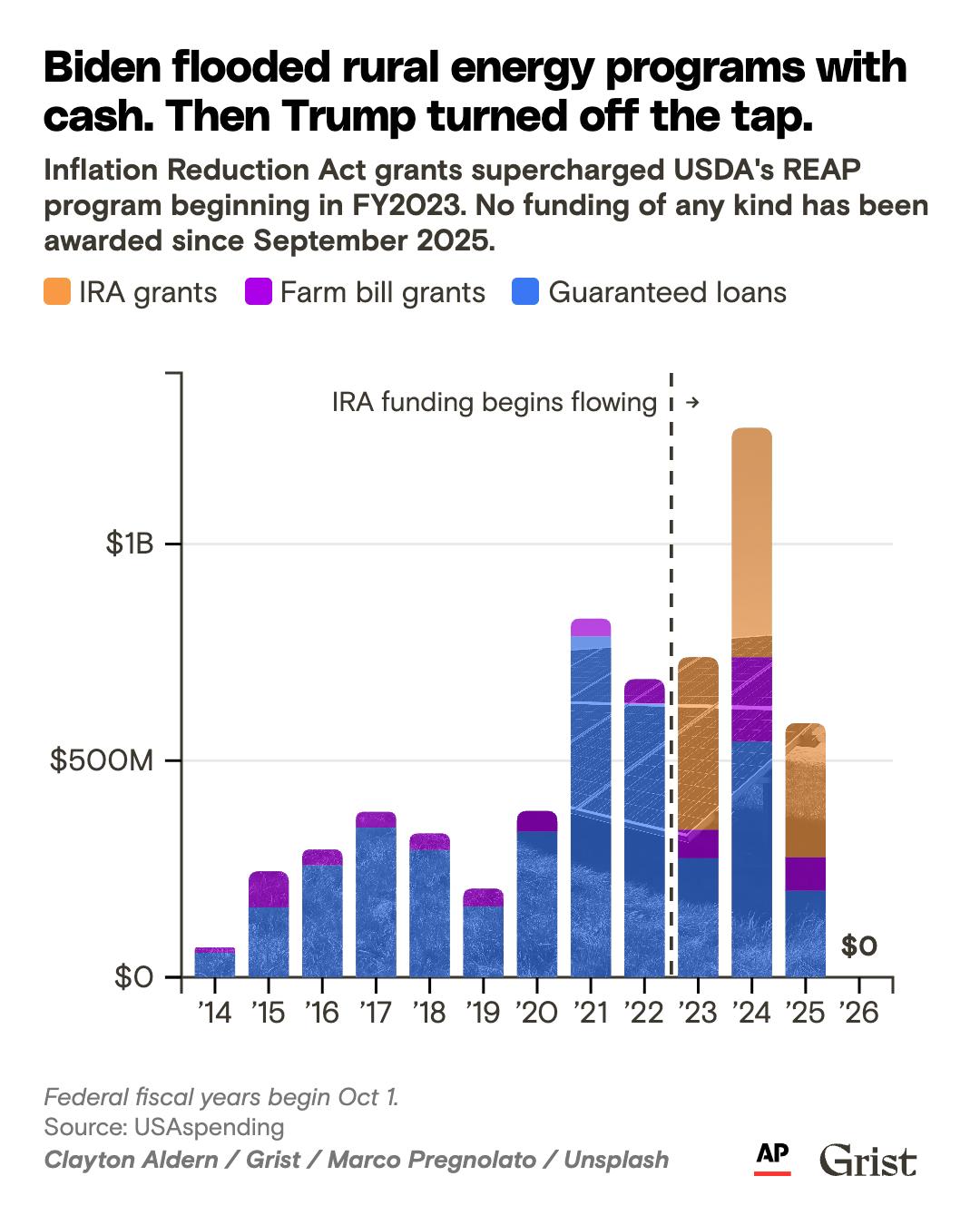
The primary drivers of this transition are the effective suspension of the U.S. Department of Agriculture’s (USDA) Rural Energy for America Program (REAP) and the drastic acceleration of expiration dates for clean energy tax credits. Analysis of federal data and industry reports reveals a stark reality: in the current fiscal year, the USDA has yet to award a single dollar in rural energy grants or loan guarantees. This policy pivot is not merely a bureaucratic adjustment; it represents a fundamental change in how the federal government views the intersection of energy production and agricultural land use.
The Human Cost of Policy Volatility
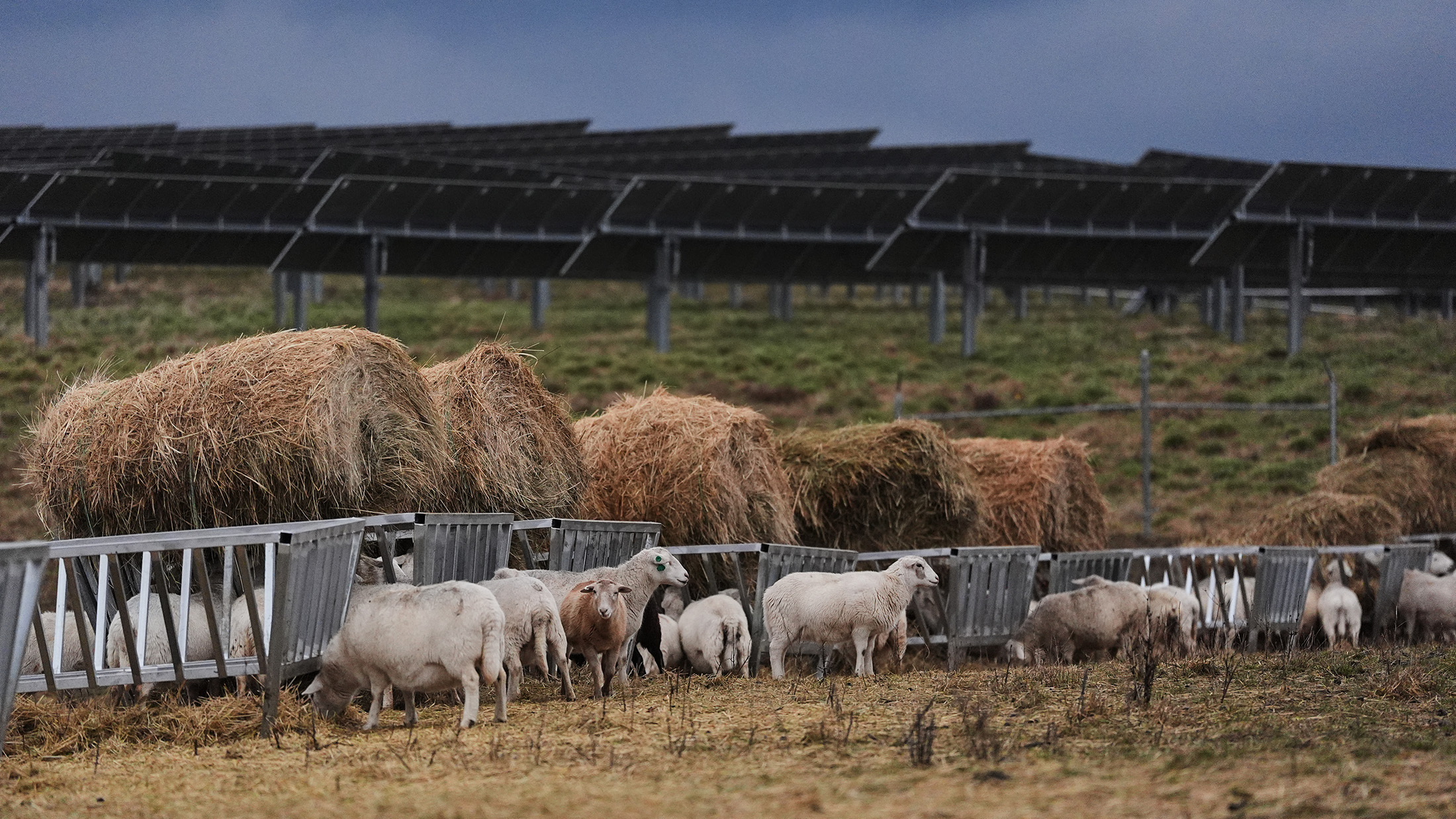
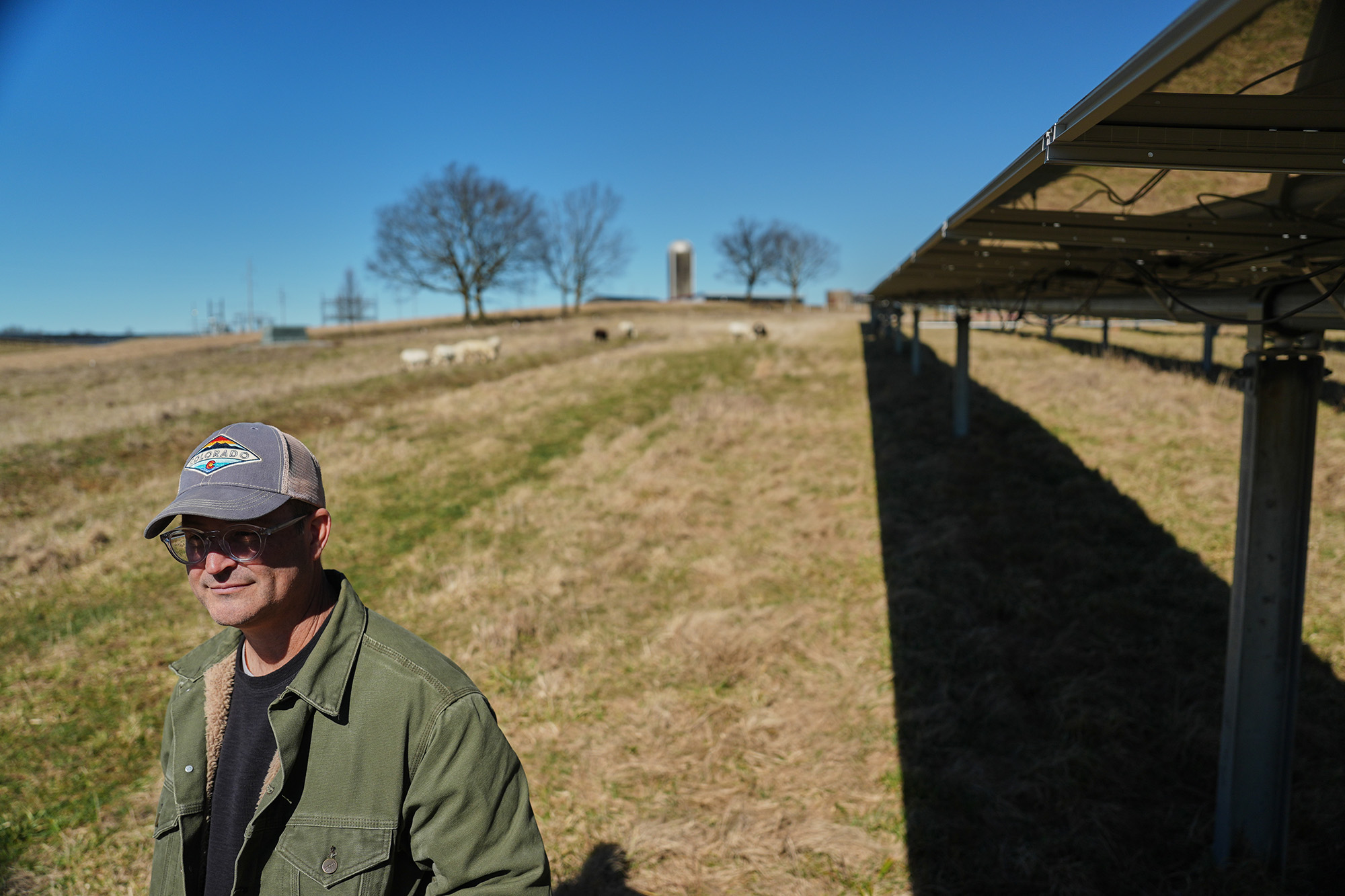
For individuals like Daniel Bell, a sheep farmer in Kentucky, the promise of energy independence has been replaced by a search for workarounds. Bell’s plan to install rooftop solar on a new barn—essential for heating and operations far from existing power lines—was predicated on receiving a REAP grant. When the administration effectively halted the program, Bell’s project became financially unviable. His story is emblematic of a broader trend where "freedom" in the agricultural context is increasingly defined by the ability to control utility costs and assets without being tethered to volatile fossil fuel markets.
Similarly, in Maryland, flower and fruit farmer Elisa Lane experienced months of acute anxiety when a $30,576 REAP grant she had already been awarded was suddenly frozen. Lane had already contracted a solar company to begin installation, leaving her potentially liable for the full $70,000 cost of the project. While her funds were eventually released after a seven-month delay, the experience highlighted the fragility of federal commitments. The USDA’s subsequent requirement that grantees "voluntarily" revise proposals to remove climate-related language served as a further signal of the changing political tide.
A Chronology of Federal Support and Retraction
To understand the current crisis, one must look at the historical trajectory of renewable energy legislation in the United States. The foundation for the modern solar industry was laid nearly two decades ago, and for much of that time, support was largely bipartisan.
- 2005: The Energy Policy Act. Signed by President George W. Bush, this landmark legislation enacted a 30% investment tax credit (ITC) for large-scale clean energy projects. It was designed to incentivize private investment in domestic energy infrastructure.
- 2008–2016: The Obama Extensions. The ITC was extended multiple times, allowing the solar industry to mature and costs to drop precipitously.
- 2020: The Trump Extension. During his first term, President Trump signed further extensions of the tax credit, acknowledging its role in the energy sector’s growth.
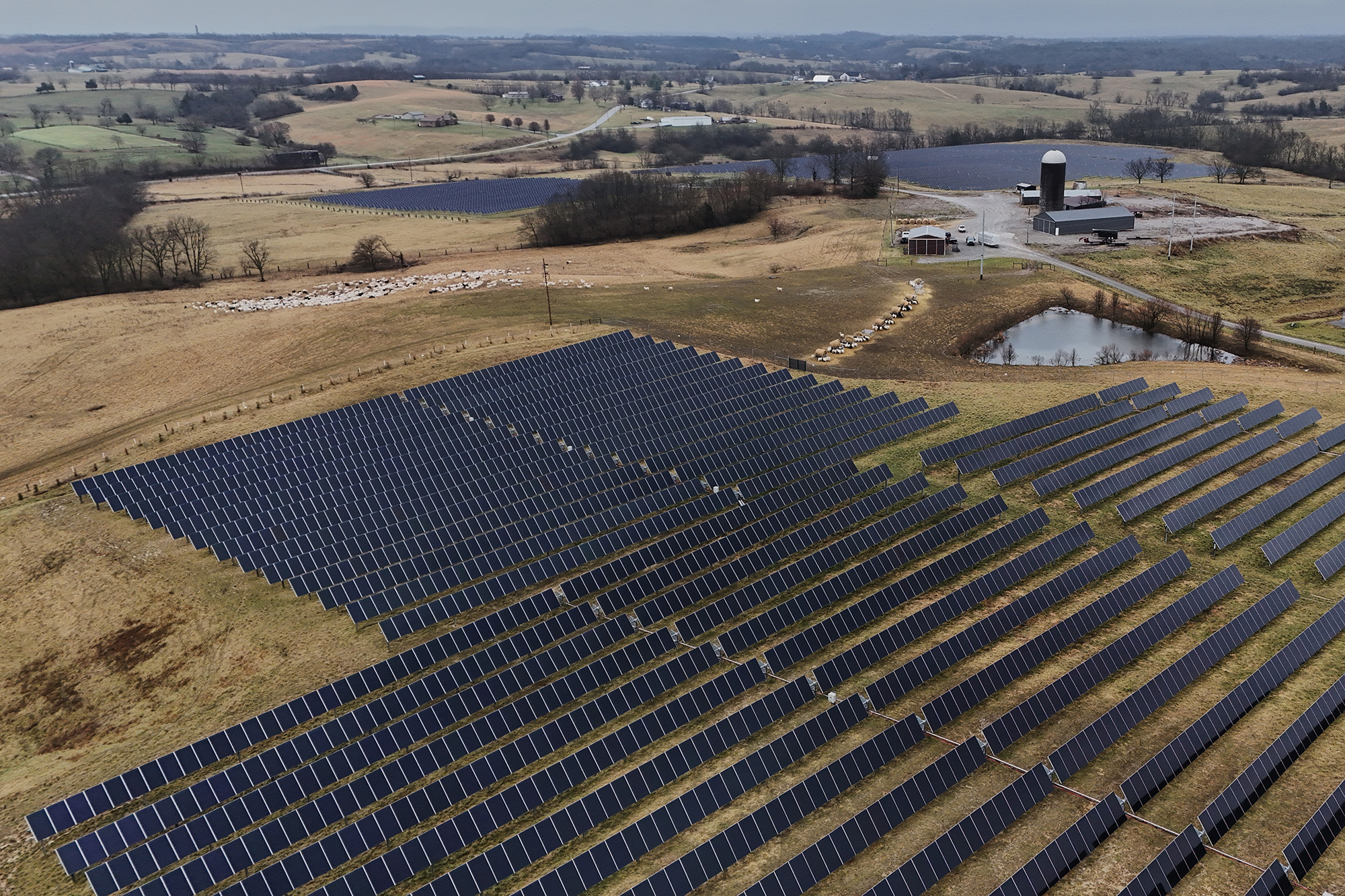
- 2022: The Inflation Reduction Act (IRA). Under President Joe Biden, the IRA supercharged the REAP program with nearly $2 billion in additional funding and extended the 30% tax credit through 2032.
- 2024–2025: The Reversal. Following the passage of a new tax bill in July 2024, the timeline for clean energy credits was abruptly shortened. Projects must now be under construction by July 2026 and operational by the end of 2027 to remain eligible.
- March 2025: Formal Suspension. The USDA officially announced a suspension of all REAP grant awards to update regulations in alignment with executive orders focusing on the removal of "Biden-era mandates."
The Stagnation of the REAP Program
The Rural Energy for America Program has historically been one of the USDA’s most successful initiatives. Since its inception, it has funded more than 19,000 grants totaling over $1.8 billion. These funds have been used for everything from high-efficiency grain dryers to solar arrays that power irrigation systems.
However, the current fiscal year tells a different story. An analysis of USDA Rural Development data confirms that the flow of capital has stopped. Despite the agency’s previous projections that it would reopen application cycles in late 2024, no new grant cycles have commenced. While the loan guarantee program—intended for larger-scale rural business projects—technically remains "open," data shows that zero new agreements have been finalized this year.
The USDA has characterized this suspension as "temporary," citing the need to prioritize "program integrity" and alignment with new administration directives. Yet, for farmers operating on seasonal cycles and thin margins, a "temporary" pause can result in the permanent loss of a project or the foreclosure of an opportunity to lower long-term overhead.
The Commercial Solar Cliff and Agricultural Land
The impact extends far beyond individual family farms. Large-scale renewable energy developers who lease agricultural land are facing a "tax credit cliff." The new requirement to have projects under construction by July 2026 has created an impossible timeline for many developments currently in the regulatory or permitting phase.
Data indicates that at least 126 solar projects proposed since the beginning of 2024 are currently awaiting regulatory approval. These projects, located on or near agricultural land, represent approximately 20 gigawatts of potential electricity—enough to power 4.5 million homes. If these projects fail to meet the new federal deadlines, billions of dollars in private investment could be withdrawn.
Bogdan Micu, CEO of Alpin Sun, reported that his company has already had to abandon projects representing $6 million in initial investment and 1,000 megawatts of capacity in the Northeast. The inability to navigate the permitting process fast enough to meet the new July 2026 deadline made the projects financially untenable. This sentiment is echoed by Jon Rappe of RIC Energy North America, who noted that while companies are sprinting to finish current projects, the "next generation" of solar development is effectively dead without a change in federal policy.
Economic Implications for Rural Communities
The withdrawal of federal support for solar comes at a time when the rural economy is facing multiple headwinds, including fluctuating commodity prices and rising input costs. For many landowners, solar leases provided a "drought-proof" crop—a steady, guaranteed income stream that allowed them to keep the rest of their land in the family.
In Sheridan, New York, Tim Covert, a former dairy farmer and cancer survivor, relies on a community solar project on his land to supplement his income. For Covert, the lease payments represent roughly a quarter of his annual earnings. While his project is currently on track, the shifting federal landscape creates a constant shadow of doubt.
Furthermore, the loss of these projects has a secondary impact on local tax bases. Solar installations often provide significant property tax revenue to rural townships and school districts without requiring the same level of public services (such as roads or emergency services) as residential developments.

Analysis: The Rise of "Big Solar" and the Decline of the Small Producer
A paradoxical outcome of the current policy shift is that it may inadvertently favor large, well-capitalized corporations over small-scale farmers and independent developers. Nick Cohen, CEO of Doral LLC, observed that the new rules and the complexity of financing in a high-interest, low-subsidy environment "favor the big guys."
Large developers often have the cash reserves to "bridge" a project through periods of federal uncertainty, whereas a family farmer or a small developer depends on the certainty of a grant or a tax credit to secure bank financing. This suggests that the future of rural energy may become increasingly consolidated, moving away from the decentralized, farmer-owned model that REAP was designed to foster.
The Future of Agrivoltaics and Rural Prosperity
Despite the legislative hurdles, the fundamental economics of solar energy remain compelling. Solar continues to be one of the least expensive forms of new electricity generation, and the demand for power—driven by the growth of AI data centers and the electrification of industry—is reaching record highs.
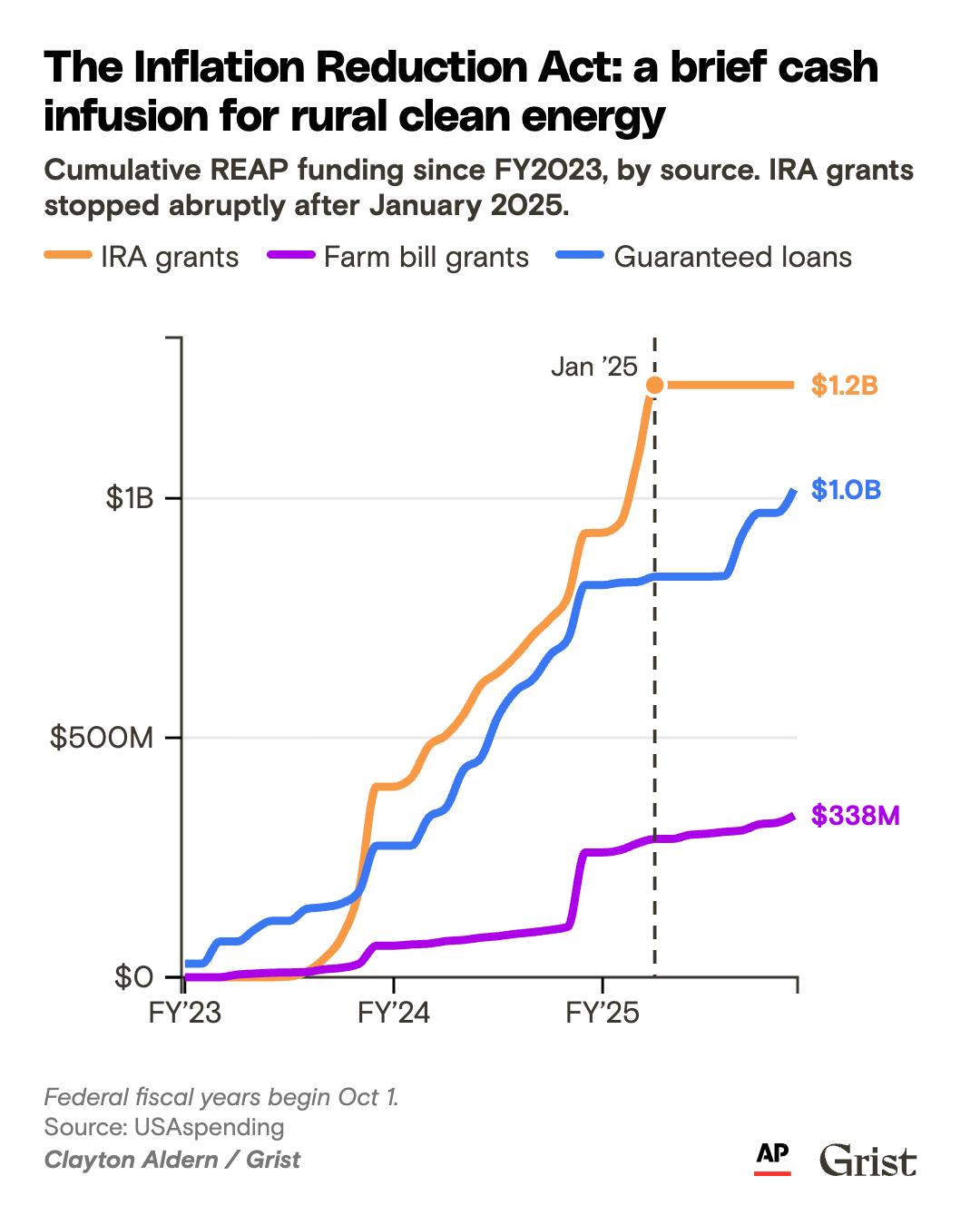
This has led to the rise of "agrivoltaics," where farming and energy production coexist. Daniel Bell’s current strategy of grazing sheep under solar panels to manage vegetation is a prime example. This dual-use approach maximizes the productivity of the land and provides a blueprint for how agriculture can adapt to a carbon-constrained world.
However, the realization of this potential depends on a stable and predictable policy environment. The current paralysis at the USDA and the looming tax credit deadlines suggest that for the foreseeable future, the growth of clean energy in American agriculture will be determined more by political ideology than by market demand or rural necessity. As the 2026 deadline approaches, the industry and the farming community alike are watching to see if federal support will be restored or if the "tap" has been turned off for good.