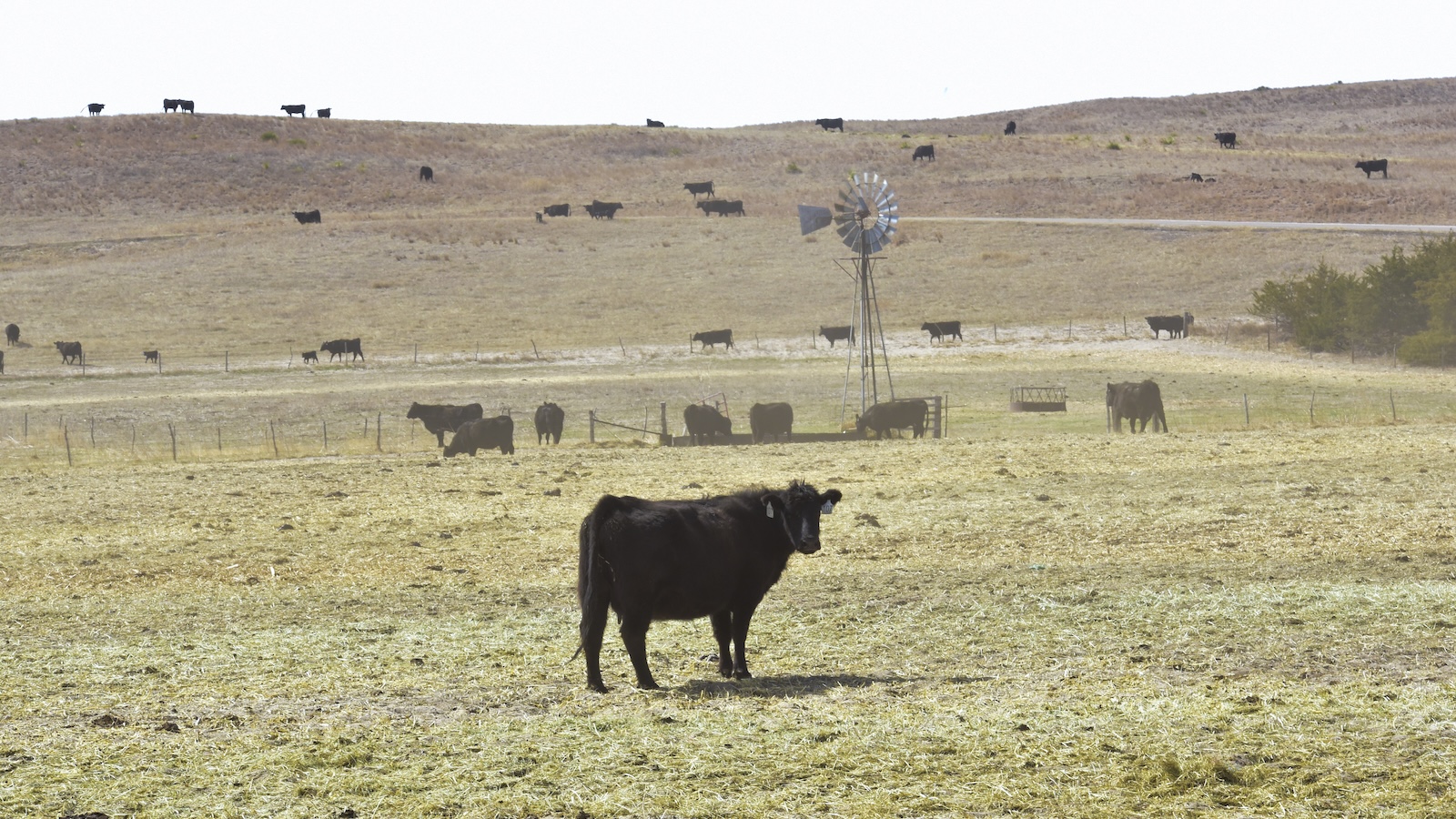
For over two decades, Mike and Kayla Wintz have dedicated their lives to the stewardship of an 11,000-acre ranch near Bingham, Nebraska. The operation, a legacy passed down from Kayla’s parents who managed the land for a quarter-century, represents more than just a business; it is a multi-generational commitment to the rugged beauty of the Nebraska Sandhills. However, the fragility of this lifestyle was laid bare in March 2026 when, in a span of less than six hours, the vast majority of their grazing land was reduced to ash and blackened soil.
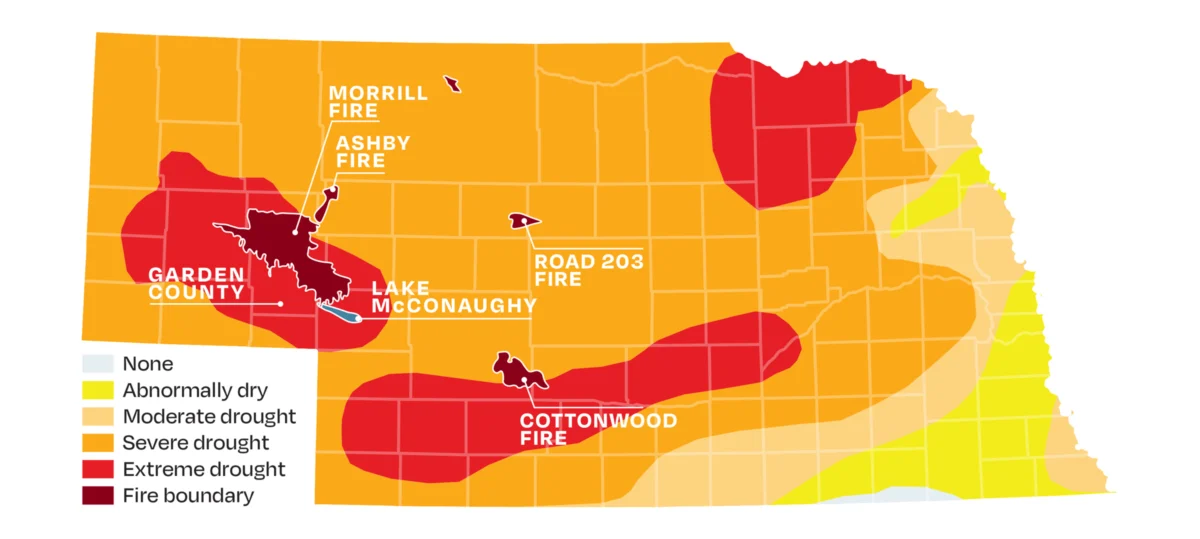
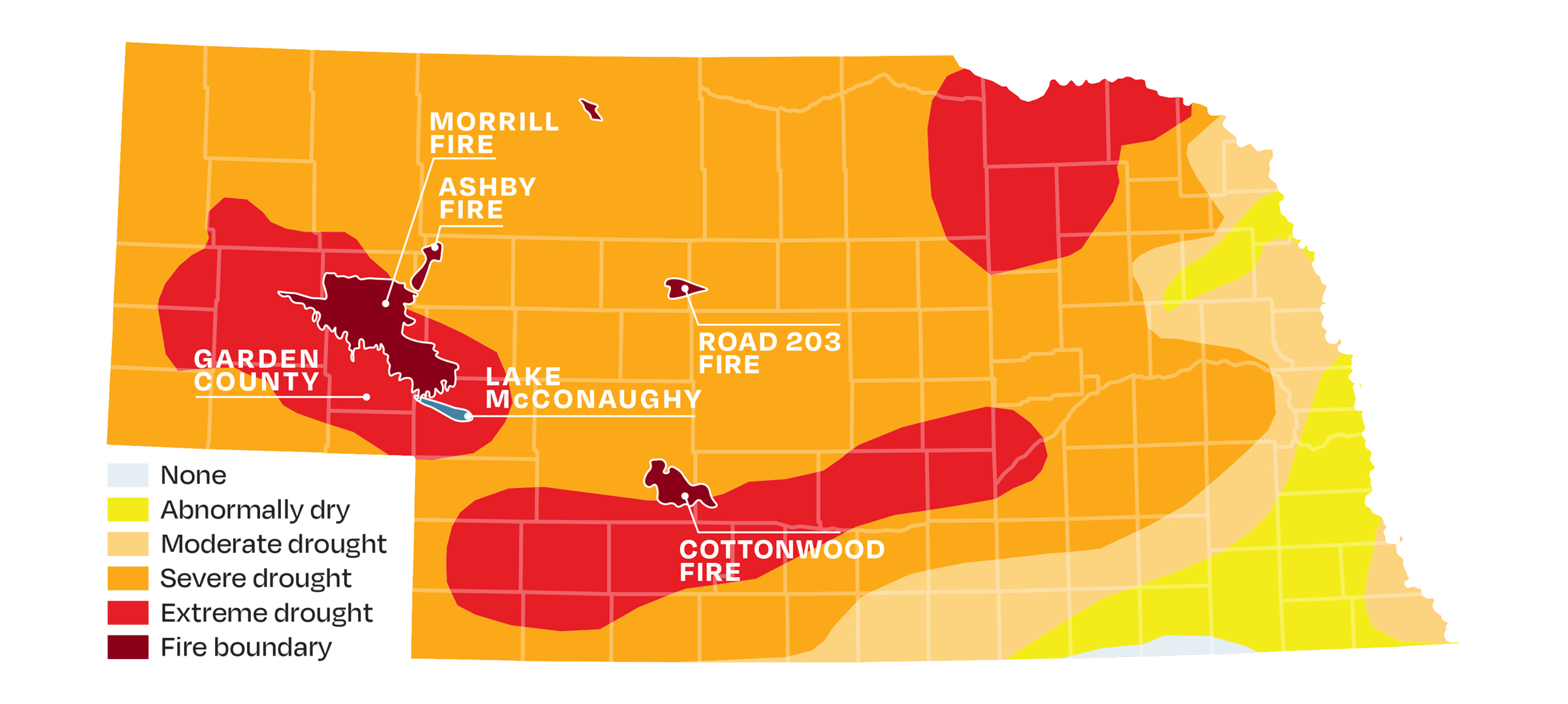
The Wintz family’s ordeal is a microcosmic view of a larger catastrophe unfolding across the state. Throughout the month of March, western and central Nebraska have been besieged by a series of massive, fast-moving wildfires. The Morrill, Cottonwood, Anderson Bridge, and Road 203 fires erupted in quick succession, fueled by a perfect storm of meteorological conditions and ecological shifts. According to the Nebraska Emergency Management Agency, as of March 30, wildfires have consumed approximately 945,381 acres across the state this year. Only three months into the calendar year, 2026 has already shattered the previous record for the most documented acres burned by wildfire in Nebraska, surpassing the benchmark set during the historically arid year of 2012.
A Winter of Anomalous Heat and Aridity
The foundations for this record-breaking fire season were laid months in advance. Nebraska recently emerged from its second warmest and fourth driest winter on record. This lack of snowpack and spring moisture left the dormant grasslands of the Sandhills—the most intact temperate grassland ecosystem on the planet—exceptionally vulnerable. When combined with low humidity and high-velocity winds, the region’s expansive pastures became a massive fuel bed waiting for a spark.
The Morrill Fire, which was first reported on March 12, quickly escalated into a historic conflagration. It eventually earned the distinction of being the largest documented blaze in Nebraska’s history. For Mike Wintz, the fire was not just a threat to his livelihood but a call to duty. Like many residents in rural Nebraska, where approximately 92 percent of fire departments are volunteer-based, Wintz serves his community as a firefighter.
On the day the flames approached his property, Wintz was nearly four miles away, battling the front lines of the Morrill Fire. The professional and the personal collided when he heard over the emergency radio that the fire had shifted direction and was barreling toward his own home. In a display of the communal reliance that defines rural life, Wintz stayed at his post, trusting his neighbors and fellow volunteers to protect his family’s residence. The gamble paid off; other outfits were able to intercept the flames, saving the Wintz house from total destruction, though the surrounding landscape was not so fortunate.
The Ecological and Cultural Shift in Fire Management
The intensity of the 2026 fire season has prompted a deeper examination of land management practices in the Great Plains. Dirac Twidwell, a rangeland and fire ecologist at the University of Nebraska-Lincoln (UNL), suggests that the state is entering a "new kind of wildfire era." This transition is driven by a combination of climate change and a century-long shift in the culture surrounding fire.
For thousands of years, the land was shaped by both natural wildfires and prescribed burns conducted by Indigenous groups. These fires were essential for maintaining biodiversity and controlling invasive species, such as eastern red cedar trees. However, as Nebraska developed its agricultural economy and infrastructure over the last 150 years, the prevailing philosophy shifted toward total fire suppression.
The absence of regular, controlled fire has allowed for a buildup of "uniform fuel loads." Mitchell Stephenson, a rangeland management specialist at the UNL-Extension, notes that rather than a "shifting mosaic" of varied plant life, many areas now feature a homogeneous cover of grass and encroaching woody species. When a fire starts in these conditions, it has a continuous path of fuel, allowing it to grow larger and move faster than in a managed ecosystem. The recent fires were further intensified by the presence of cedar trees, which burn with extreme heat and can launch embers miles ahead of the main fire front.
Economic Implications for the Beef Industry
The timing of the March wildfires could not have been more catastrophic for Nebraska’s ranchers. The blazes coincided with the peak of the calving season, the most sensitive period in the livestock production cycle. Moving pregnant cows or newborn calves under the stress of a fast-moving fire often leads to significant losses.
Mike Wintz reported that the stress of the evacuation and the loss of grazing land resulted in the death of at least six calves. Furthermore, the Morrill Fire destroyed 900 bales of hay—essential winter feed—and left surviving yearlings with singed backs and bulls with scorched hides.
The economic stakes are immense. In 2024, cattle and calves were Nebraska’s most valuable agricultural commodity, with the state ranking first in the United States for beef and veal exports, totaling $1.66 billion. The ripple effects of these fires extend beyond the ranch gates. Much of the corn grown in Nebraska, the state’s second-largest commodity, is utilized as livestock feed. When rangeland is destroyed, the demand for supplemental feed rises, increasing costs for producers and eventually impacting the entire supply chain.
Elliott Dennis, an associate professor of agriculture economics at UNL, points out that ongoing drought and wildfire cycles have already forced many ranchers to reduce their herd sizes. This contraction in supply has contributed to rising beef prices for consumers nationwide. The 2026 fires are expected to exacerbate this trend, potentially compelling more producers to exit the industry or significantly scale back operations.
The Burden of the Volunteer Firefighter
The reliance on volunteer fire departments is a hallmark of Nebraska’s rural infrastructure, but it is a system under increasing strain. In many counties, the very people tasked with fighting the fires are the ones whose properties are at risk. This creates a dual burden of physical exhaustion and emotional trauma.
When the winds shifted a day after the initial threat to the Wintz home, the fire returned for a second pass. Ranchers and volunteer crews spent hours soaking buildings and the house with water to prevent sparks from igniting the structures. While the home was spared a second time, the mental toll of defending a homestead while simultaneously mourning the loss of thousands of acres of grazing land is profound.
State officials and emergency management agencies are increasingly recognizing that the volunteer model may need additional state-level support as wildfire seasons become longer and more intense. The 2024 state climate change impact assessment, ordered by the Nebraska legislature, warned that rangeland productivity and rural safety are under increasing threat from shifting precipitation trends and rising temperatures.
Adaptation and the Path Forward
In the wake of the record-breaking destruction, experts are calling for a fundamental shift in how Nebraska approaches rangeland management. Dirac Twidwell emphasizes that the cattle industry must innovate to survive this new era. Potential adaptations include:
- Expanded Prescribed Burning: Reintroducing fire as a tool to reduce fuel loads and eliminate invasive cedar trees before they can fuel uncontrollable wildfires.
- Fire-Resilient Infrastructure: Implementing "defensible space" protocols around ranch homes and outbuildings, similar to practices used in the mountainous Western U.S.
- Ecological Diversification: Moving away from uniform grazing patterns to create the "shifting mosaic" described by Stephenson, which can act as a natural firebreak.
However, these changes require buy-in from producers who have spent generations viewing fire solely as a threat. Twidwell cautions that these strategies must be proven effective through experimentation and collaboration with local ranchers.
For Mike and Kayla Wintz, the immediate future is focused on recovery and the hope for moisture. The Sandhills are a resilient ecosystem; the deep root systems of the prairie grasses are designed to survive fire, but they require rain to regenerate. "The grass is there. It just needs a little bit of moisture to pop up, and they’ll be back," Mike Wintz said.
Until that rain arrives, the Wintzes and hundreds of other ranching families across Nebraska face a difficult year of "calving different, haying different, and summer range different." The record-breaking fires of 2026 have served as a stark reminder that while the land is resilient, the traditional methods of managing it are being challenged by a rapidly changing climate. The survival of Nebraska’s most iconic industry may depend on its ability to adapt to a landscape where fire is no longer an anomaly, but a recurring reality.