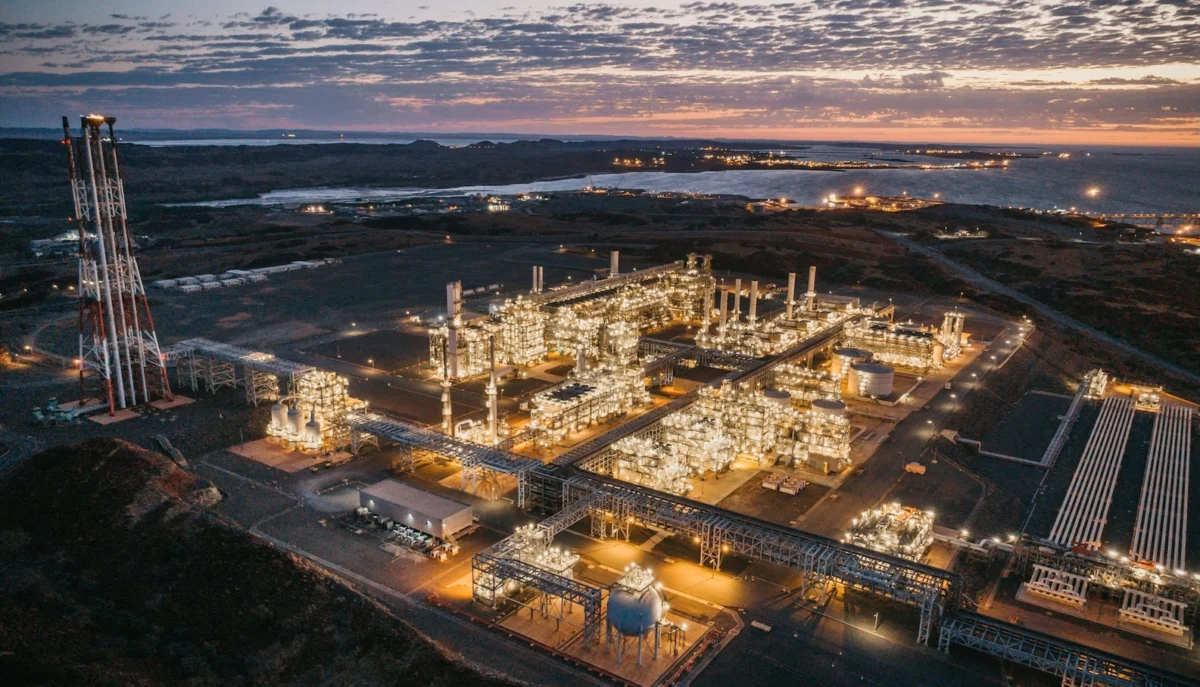
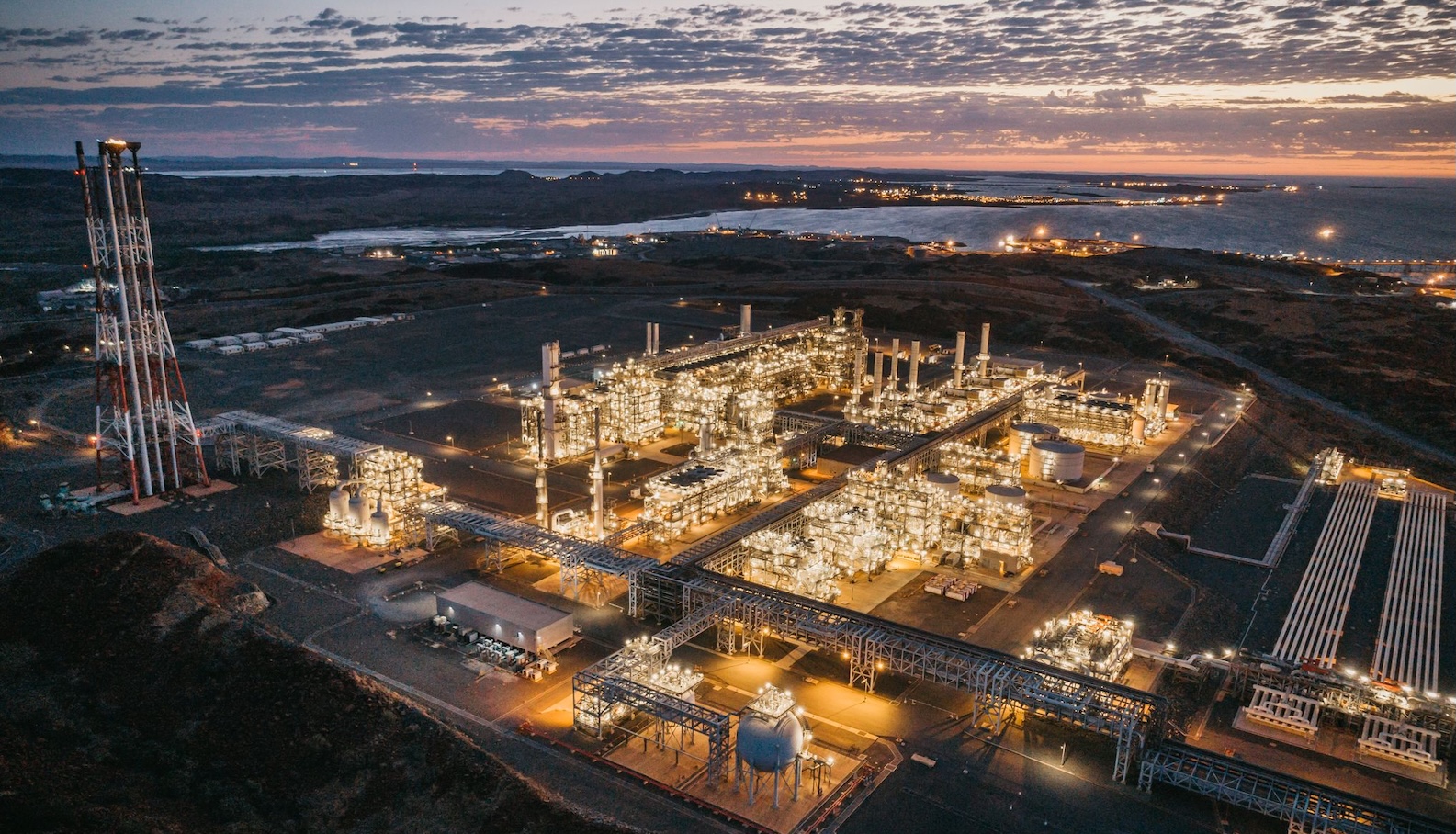
The landscape of American energy is undergoing a seismic shift as construction progresses on a massive liquefied natural gas (LNG) export facility near Lake Charles, Louisiana. Owned by Woodside Energy, Australia’s premier oil and gas producer, the project—rebranded as Louisiana LNG—is poised to become the most significant source of greenhouse gas emissions among all operating and proposed LNG terminals in the United States. According to an extensive analysis of state and federal regulatory filings, the facility’s projected carbon footprint will not only eclipse every existing domestic terminal but will also rival the emissions of the largest industrial chemical complexes in the world.
This development marks a pivotal moment in the decade-long expansion of the American LNG sector. When the United States began its export surge in 2016, natural gas was frequently marketed as a "bridge fuel"—a cleaner-burning alternative to coal and oil that would facilitate a global transition toward renewable energy. However, as the scale of these operations has intensified, so too has the scrutiny regarding their actual impact on the climate. The Woodside terminal, with an estimated construction cost approaching $18 billion, represents one of the largest foreign direct investments in Louisiana’s history, highlighting the tension between massive economic development and the state’s increasing vulnerability to climate change.
The Magnitude of Projected Emissions
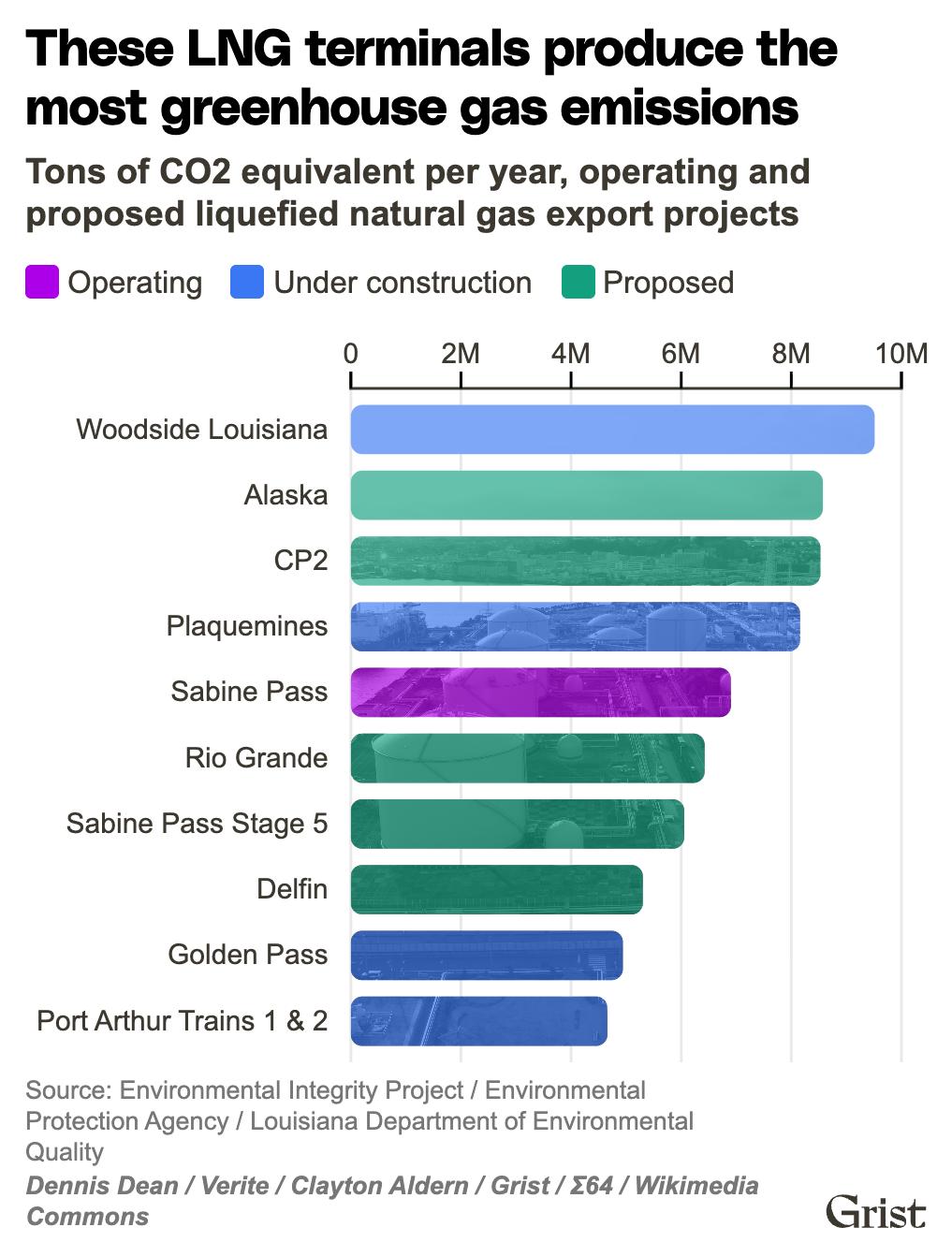
The sheer scale of the Louisiana LNG project’s environmental impact is documented in permitting records filed with the Louisiana Department of Environmental Quality. Once fully operational, the terminal is expected to release more than 9.5 million tons of greenhouse gases annually. To put this figure in perspective, it significantly exceeds the nearly 7 million tons emitted by the Sabine Pass LNG terminal, which is currently the largest source of climate-warming pollution among U.S. LNG facilities.
In the broader context of Louisiana’s industrial landscape, the Woodside facility’s emissions will rank among the highest in the state. It is projected to fall just behind the CF Industries chemical complex in Donaldsonville—the world’s largest ammonia production site—which reported 10.4 million tons of emissions in 2023. The terminal’s output will surpass that of major oil refineries, including ExxonMobil’s sprawling facility in Baton Rouge.
Of the 23 proposed LNG terminals currently reporting potential emissions to federal and state regulators, the Woodside facility remains the outlier. The nearest competitor in terms of climate impact is a planned terminal in Alaska, scheduled for 2030, which has an estimated annual output of 8.6 million tons. The concentration of these high-emission facilities along the Gulf Coast has raised alarms among environmental advocates and climate scientists who argue that the cumulative impact is being overlooked in favor of short-term economic gains.
A Chronology of Development and Acquisition
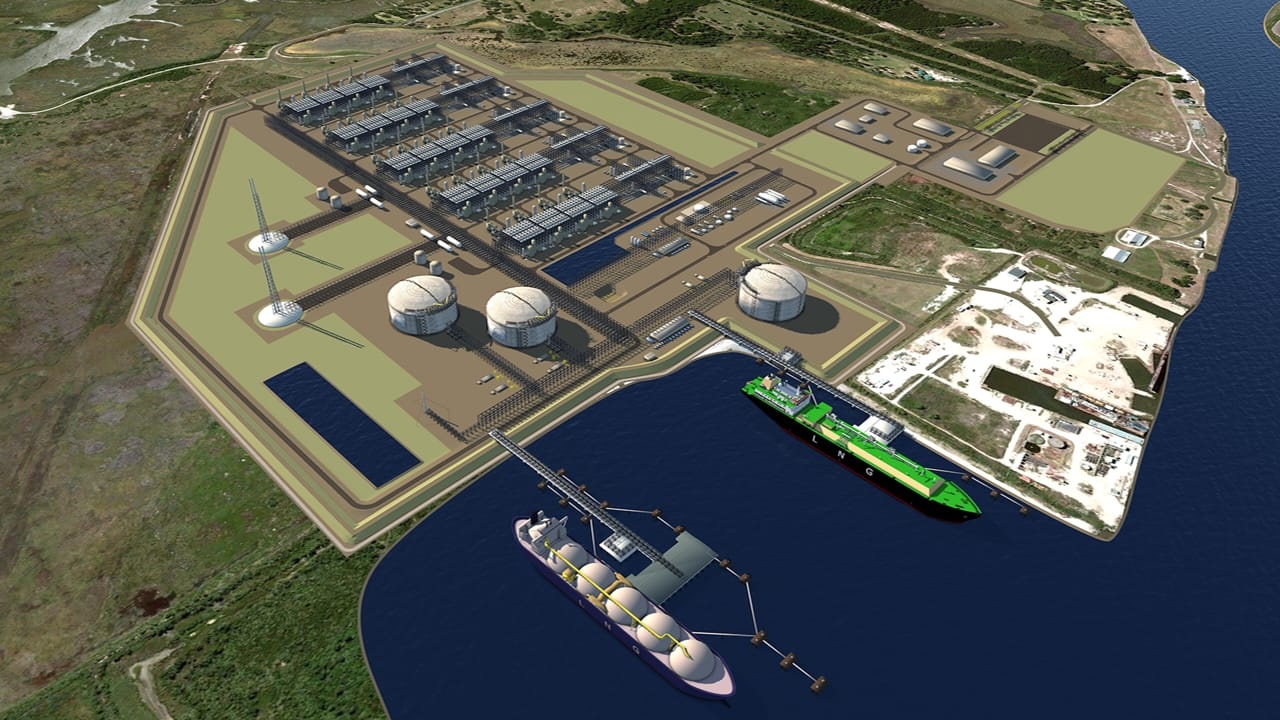
The journey of the Louisiana LNG site reflects the volatile nature of the global energy market. The 1,000-acre site, situated approximately 40 miles east of the Texas-Louisiana border, was originally spearheaded by Houston-based Tellurian Inc. under the name Driftwood LNG. Tellurian, co-founded by LNG pioneer Charif Souki, spent years attempting to secure the necessary financing and long-term contracts to bring the project to fruition.
In early 2024, amid financial restructuring and shifting market dynamics, Woodside Energy acquired the site and the project. The acquisition allowed Woodside to expand its global footprint and capitalize on the infrastructure already in place. By September 2025, the project reached a major milestone with a formal groundbreaking ceremony attended by high-ranking officials, including Louisiana Governor Jeff Landry.
The terminal is currently slated to begin operations in 2029. Its development timeline has been bolstered by a resurgence in global demand for natural gas and a shifting domestic regulatory environment. While the project initially faced potential delays during a federal pause on new LNG export permits in early 2024, the subsequent reversal of that policy under the Trump administration accelerated the path toward construction.
Economic Promises and Political Endorsements
From a state and local perspective, the Louisiana LNG terminal is viewed as an economic powerhouse. Governor Jeff Landry has been a vocal proponent of the project, characterizing the groundbreaking as "a great day for Louisiana and an unbelievable day for America." The state’s economic development agency anticipates that the project will support thousands of temporary construction jobs over the next several years and provide hundreds of high-paying, permanent positions once the terminal is operational.
Furthermore, the facility is expected to generate substantial local tax revenue for Calcasieu Parish, funding infrastructure, schools, and public services. For a region that has historically relied on the oil and gas industry, the Woodside investment is seen as a way to secure long-term industrial stability.
Woodside Energy has defended its environmental record by pointing to its corporate climate strategy. A company spokesperson emphasized that Woodside’s priority is to "avoid and reduce emissions" through technical innovations and decarbonization plans. The company has set a goal to reduce its net equity greenhouse gas emissions by 30 percent by 2030, with an ultimate target of net-zero by 2050. These efforts include improving facility designs to minimize methane leakage and investing in carbon offset programs, such as large-scale forest restoration projects.
The "Bridge Fuel" Debate and Scientific Dissent
The core of the controversy surrounding Louisiana LNG lies in the lifecycle emissions of liquefied natural gas. The industry has long argued that natural gas emits roughly half the carbon dioxide of coal when burned for electricity. Woodside’s 2025 Climate and Sustainability Summary reiterates this point, noting that natural gas is essential for displacing more carbon-intensive fuels in developing economies.
However, recent scientific research challenges the "cleaner alternative" narrative. A prominent study from Cornell University suggests that when the energy-intensive processes of supercooling, transporting, and storing LNG are factored in, the fuel may be at least 33 percent worse for the climate than coal. The process of supercooling gas to minus 260 degrees Fahrenheit—necessary for its liquid state and transport—requires massive amounts of energy, much of which is generated by burning a portion of the gas itself.
In 2023, a group of 170 scientists sent a formal letter to the White House warning that the continued expansion of LNG infrastructure would lead to "escalating climate chaos." They argued that methane leaks throughout the supply chain—from extraction at the wellhead to final delivery—offset any carbon benefits gained at the point of combustion. Methane is a potent greenhouse gas with a warming potential more than 80 times that of carbon dioxide over a 20-year period.
Geopolitical Drivers and Energy Security
The rapid expansion of the U.S. LNG industry cannot be separated from global geopolitics, particularly the ongoing conflict between Russia and Ukraine. Since the 2022 invasion, European nations have scrambled to decouple their economies from Russian pipeline gas. U.S. LNG has emerged as the primary solution to this energy security crisis.
According to the International Energy Agency, American LNG has filled approximately 40 percent of the supply gap left by the reduction in Russian gas. Germany, in particular, has become a major destination for Gulf Coast exports. Markus Hatzelmann, deputy consul general at the German consulate in Houston, noted that LNG plays a "key role" in Germany’s transition as it seeks to phase out coal by 2038. From this perspective, the Louisiana LNG terminal is not just a local industrial site, but a critical component of Western energy security and transatlantic stability.
Local Vulnerability and Environmental Advocacy
For residents of southwest Louisiana, the debate over greenhouse gas emissions is not theoretical. The region is on the front lines of climate change, facing rising sea levels and an increase in the frequency and intensity of hurricanes. Anne Rolfes, executive director of the Louisiana Bucket Brigade, has been a leading voice against the "insanity" of adding massive emission sources to a state already reeling from climate disasters.
Rolfes points to the devastation caused by Hurricane Laura in 2020, which resulted in over $14 billion in damages and nearly destroyed the city of Lake Charles. Environmental advocates argue that the economic benefits of the LNG boom are undermined by the long-term costs of climate-related disasters. They contend that the state is effectively subsidizing its own destruction by permitting facilities that contribute to the very warming that fuels catastrophic storms.
Furthermore, there are concerns regarding the "fast-tracking" of regulatory approvals. Alexandra Shaykevich of the Environmental Integrity Project noted that the industry is currently experiencing a period of "emboldening" due to the rollback of various federal oversight mechanisms. This has led to a concentration of facilities in Louisiana and Texas, creating a "sacrifice zone" where the cumulative environmental and health impacts on local communities are secondary to national energy dominance.
Conclusion and Future Outlook
As Woodside Energy moves forward with the Louisiana LNG terminal, the project stands as a monument to the complexities of the modern energy era. It represents a massive bet on the continued relevance of fossil fuels in a world increasingly desperate to decarbonize. For proponents, it is a vital engine of economic growth and a guarantor of global energy security. For critics, it is a climate bomb that threatens to lock in decades of high emissions at a time when the window for meaningful climate action is closing.
The terminal’s scheduled opening in 2029 will likely coincide with a period of intense global reflection on the progress of the Paris Agreement goals. Whether Louisiana LNG becomes a necessary bridge to a greener future or a primary contributor to climate instability remains a subject of fierce debate. What is certain, however, is that the eyes of the world—and the data of the EPA—will be fixed on this 1,000-acre site near Lake Charles for decades to come.