A significant legal challenge has been unsealed in the New Mexico District Court, alleging that global energy giant ExxonMobil and its subsidiary XTO Energy, alongside Empire Petroleum and its affiliate Empire New Mexico, engaged in systemic accounting fraud. The lawsuit, brought forward by a forensic data analyst and a corporate environmental lawyer, claims the companies "massively" undervalued the future costs of cleaning up hundreds of aging oil and gas wells during a 2021 transaction. If the plaintiffs are successful, the case could set a revolutionary legal precedent, shifting the oversight of the oil and gas industry from environmental regulation to the more stringent world of financial accounting and bookkeeping standards.
The litigation centers on the sale of approximately 670 aging wells from XTO Energy to Empire New Mexico. According to the complaint, the two entities deliberately misrepresented the Asset Retirement Obligations (AROs)—the legal and financial debt required to plug and remediate wells once they stop producing. The plaintiffs allege that while the companies valued these cleanup costs at roughly $6.1 million, the actual liability is closer to $199 million. This discrepancy, they argue, violates New Mexico’s Fraud Against Taxpayers Act by effectively shifting a massive financial burden from private corporations to the state’s residents.
The Qui Tam Mechanism and the Plaintiffs
The case was filed under a "Qui Tam" provision, a legal mechanism that allows private individuals to sue on behalf of the government. In such cases, the government is given the initial opportunity to prosecute the claim. The suit was originally filed in August 2023 but remained under seal while the New Mexico Attorney General’s office reviewed the evidence. Last week, after the Attorney General declined to take up the case—without providing a public explanation—the lawsuit was unsealed, allowing the private plaintiffs to move forward independently.
The individuals behind the suit are Theron Horton, a Taos-based forensic data analyst, and Greg Rogers, a Colorado-based attorney and former Certified Public Accountant with deep ties to environmental law. Rogers, who has served as a fellow at the University of Cambridge’s Judge Business School, noted that the case represents a shift in strategy for environmental advocacy. By focusing on accounting fraud rather than technical environmental violations, the plaintiffs aim to strike at the financial heart of how oil companies manage their "legacy" assets.
Horton and Rogers spent years developing a proprietary analysis system to track oil and gas production levels across the Western United States. Their data suggested a pattern: large, profitable companies selling nearly depleted wells to smaller, undercapitalized firms. When the production from these wells can no longer cover the overhead, the smaller firms often spiral into insolvency, leaving the wells "orphaned" and the state responsible for the cleanup.
A Chronology of the XTO-Empire Transaction
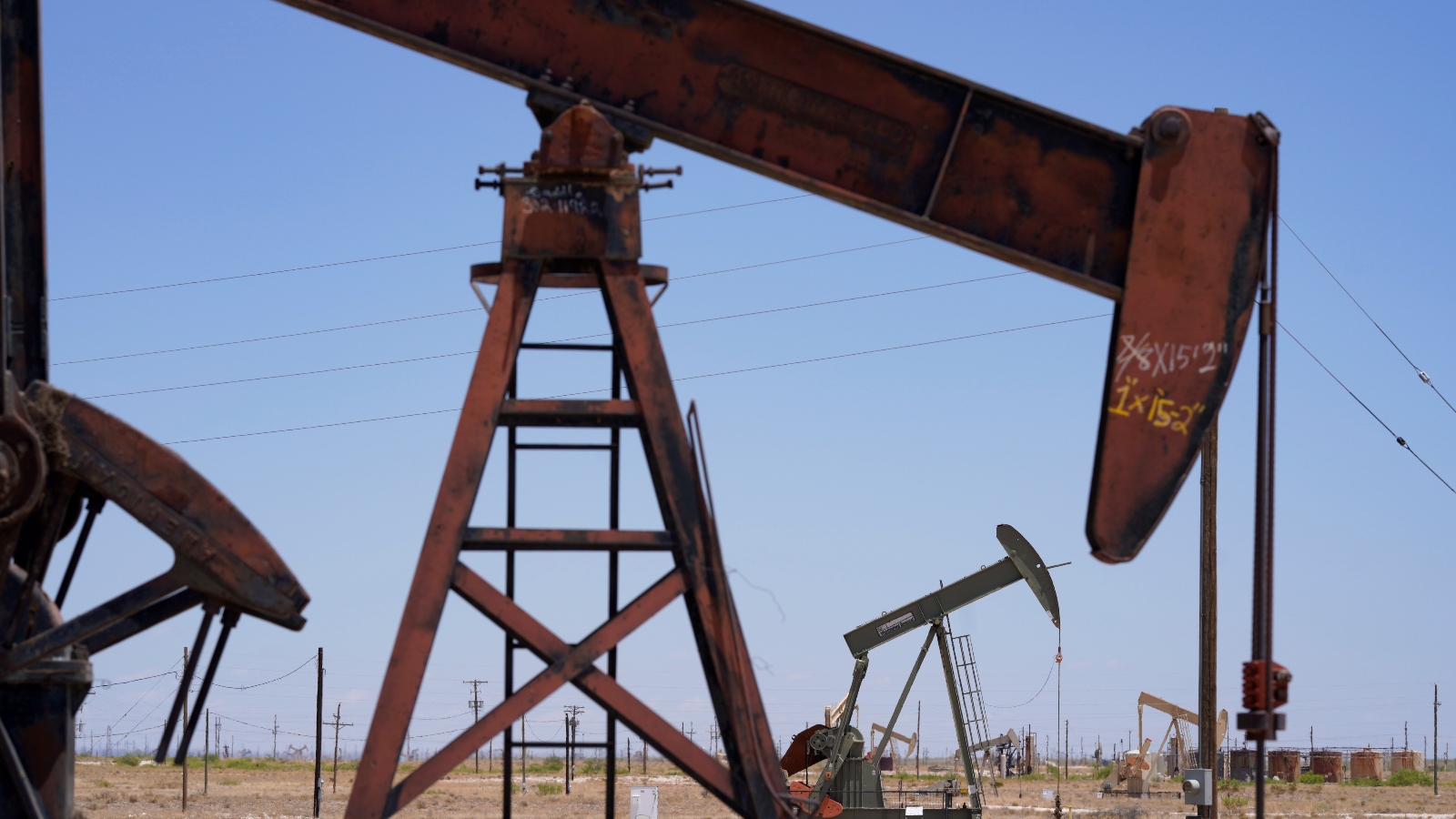
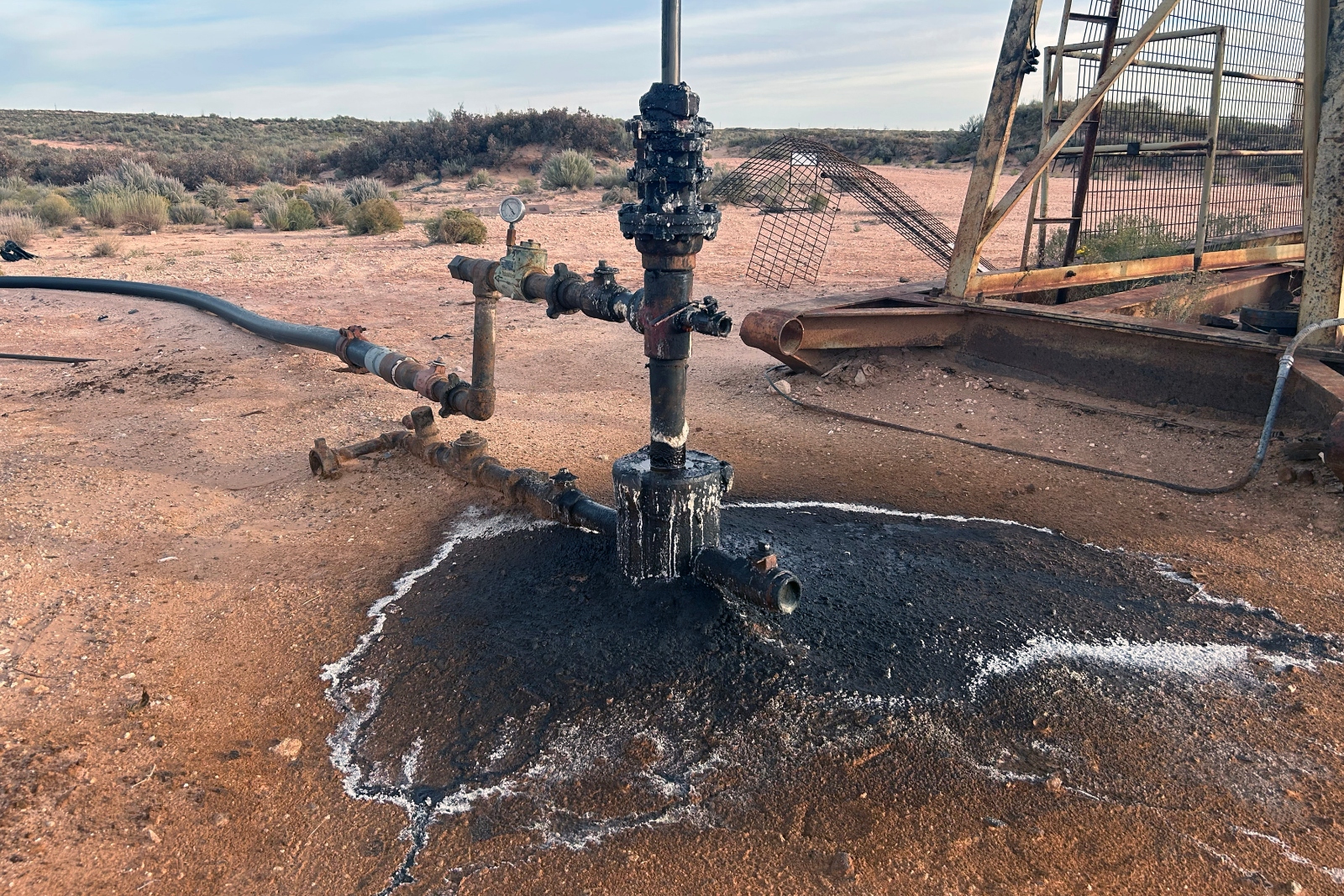
The transaction at the heart of the lawsuit occurred in 2021, a period when ExxonMobil was streamlining its portfolio to focus on high-yield assets in the Permian Basin. XTO Energy, then one of New Mexico’s top five producers, sought to offload hundreds of wells with an average age of over 63 years. These wells, many of which are located in the more expensive-to-remediate regions of the state, were sold to Empire New Mexico for $17.8 million.
The plaintiffs argue that the $6.1 million ARO reported in Empire Petroleum’s 2022 year-end SEC filing was mathematically impossible. To arrive at that figure, the cleanup cost per well would have to be approximately $9,100. However, data from the New Mexico Oil Conservation Division (OCD) tells a different story. In its 2023 annual report, the OCD estimated the state’s average cost to plug and remediate a single well at $214,000.
By applying a per-foot cost analysis and factoring in a 30 percent contingency fee for the specific depth and location of these wells, Horton and Rogers calculated the true liability at $306,000 per well. Their suit contends that the massive undervaluation allowed Empire to appear solvent on paper when, in reality, the company was "buying its own funeral" without the funds to pay for it.
The Economic Reality of "Stripper Wells"
Supporting the plaintiffs’ claims is a stark look at Empire Petroleum’s financial health. Since the 2021 acquisition, the company has struggled. Its stock price has plummeted nearly 90 percent from its peak four years ago, and it has recorded net losses totaling $100 million over the last three years.
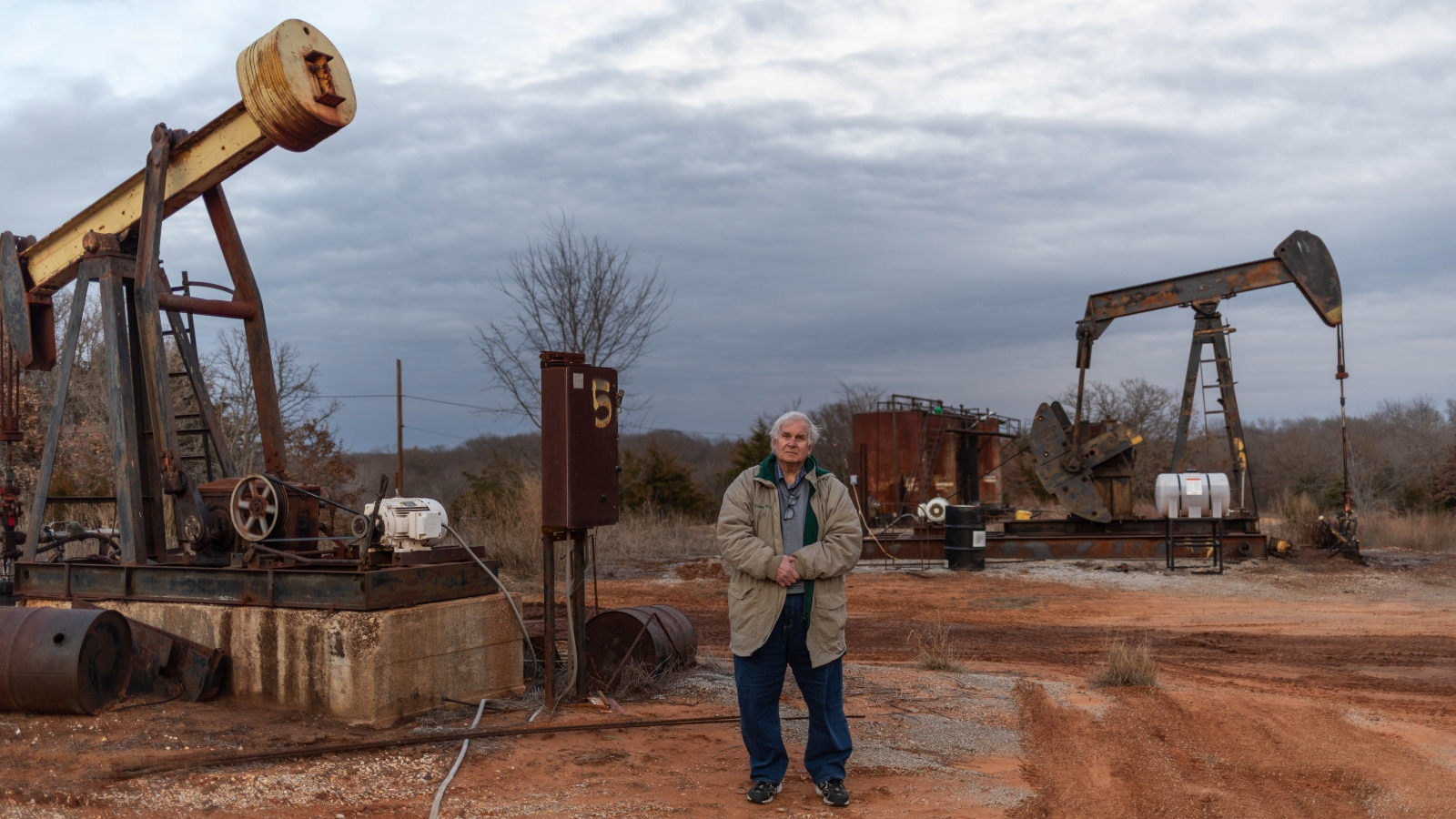
Furthermore, the production data for the wells in question suggests they are nearing the end of their economic lives. In January 2026, the last month of recorded full production, only 302 of the 375 "active" wells owned by Empire New Mexico actually produced any oil or gas. The majority are classified as "stripper wells," meaning they produce less than 10 barrels of oil per day. While these wells generated roughly $2 million in revenue that month, that figure does not account for debt servicing, maintenance, or the mounting long-term cleanup liability.
The Growing Crisis of Orphan Wells in New Mexico
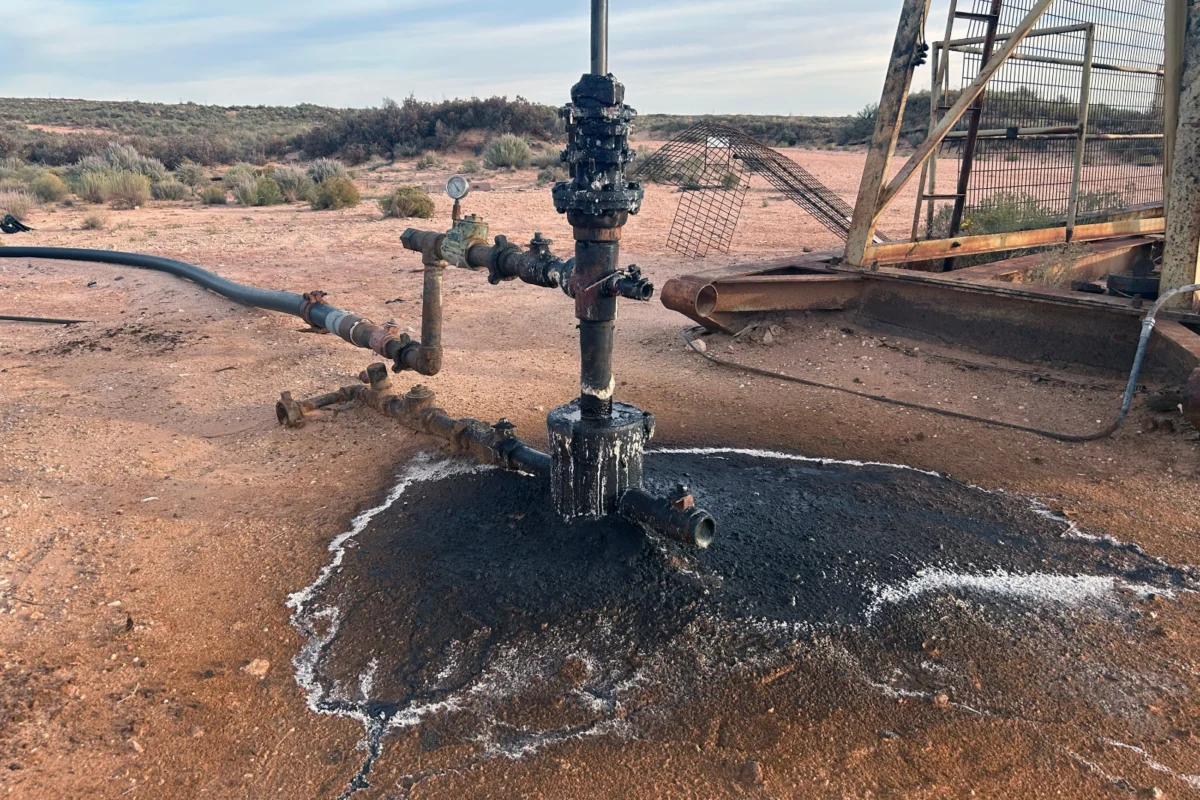
The lawsuit arrives as New Mexico grapples with a burgeoning environmental and fiscal crisis. Currently, the state has 1,035 known orphan wells—wells with no solvent owner to pay for their closure. However, a report from the Legislative Finance Committee suggests the problem is far larger. An additional 1,400 wells are currently in the administrative pipeline to be classified as orphaned, and 3,000 more are expected to join them shortly.
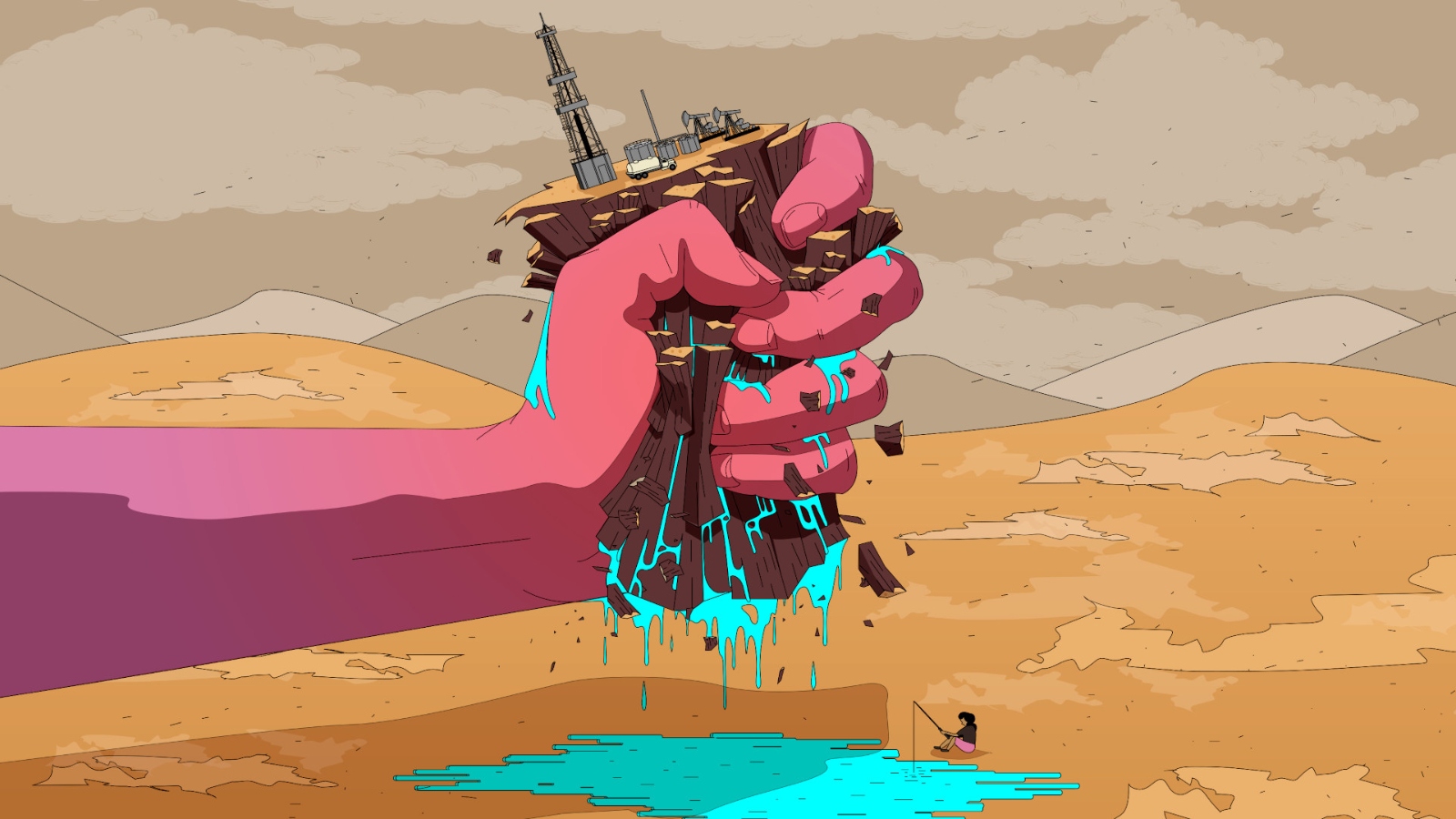
Without significant changes to bonding and transfer regulations, the committee estimates that New Mexico taxpayers could be liable for between $700 million and $1.6 billion in cleanup costs in the coming years. Currently, the state is already on the hook for $200 million for wells already on its books.
The environmental stakes are equally high. Unplugged wells are notorious for leaking methane—a potent greenhouse gas—and contaminating groundwater with toxic wastewater and petroleum byproducts. In towns like Loving, New Mexico, located in the heart of the Permian Basin, air quality monitoring has shown pollution levels exceeding those found in major metropolitan centers, largely due to the density of aging oil and gas infrastructure.
Official Responses and Regulatory Gaps
ExxonMobil has declined to comment on the pending litigation, and Empire Petroleum has not responded to multiple requests for a statement. Meanwhile, state regulators admit they are often outmatched by the legal and financial maneuvering of the industry.
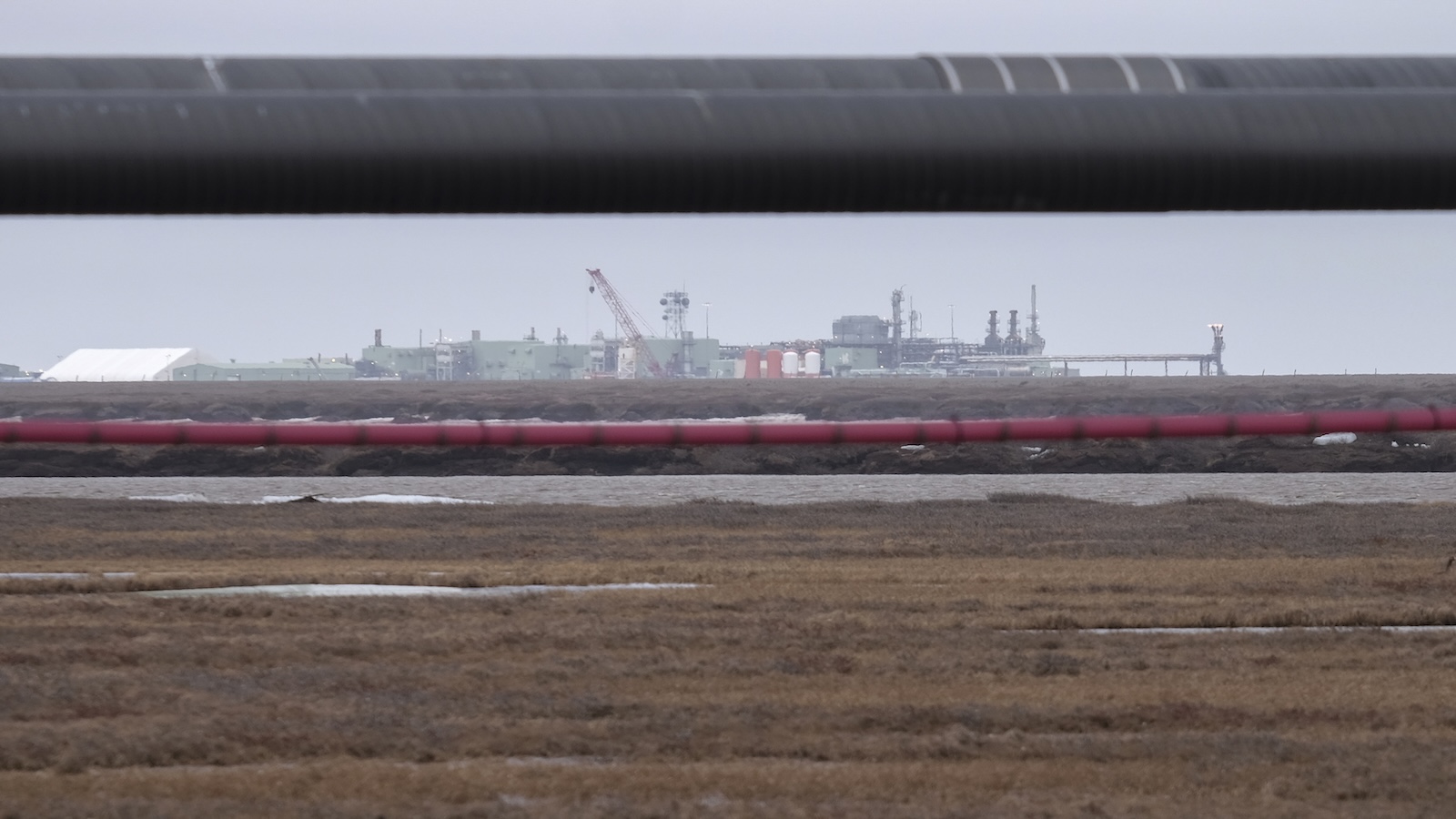
Ben Shelton, deputy secretary of the New Mexico Energy, Minerals, and Natural Resources Department, recently told a legislative committee that the "juice is not worth the squeeze" when it comes to pursuing the current low-value bonds held by companies. Empire New Mexico, for example, meets the state’s current bonding requirements, but those bonds would only cover the cleanup of approximately five wells at current market rates—leaving 665 wells in the XTO-Empire deal entirely unsecured.
To address this, the state legislature recently passed a bipartisan bill to divert tens of millions of dollars from the General Fund into a dedicated Reclamation Fund. While this provides immediate cash for cleanup, critics like Kyle Tisdel of the Western Environmental Law Center argue it creates a "moral hazard." Without higher bonding requirements, companies have little incentive to plug their own wells if they know the state’s fund will eventually cover the cost.
Broader Implications and Potential Precedents
The Horton-Rogers lawsuit is being closely watched by environmental groups and legal scholars across the country. Gabe Pacyniak, a professor at the University of New Mexico School of Law, suggests that "following the money" may be the most effective way to halt the cycle of abandoned wells. If the court finds that misrepresenting AROs constitutes fraud against the state, it would force companies to maintain much higher levels of transparency during asset transfers.
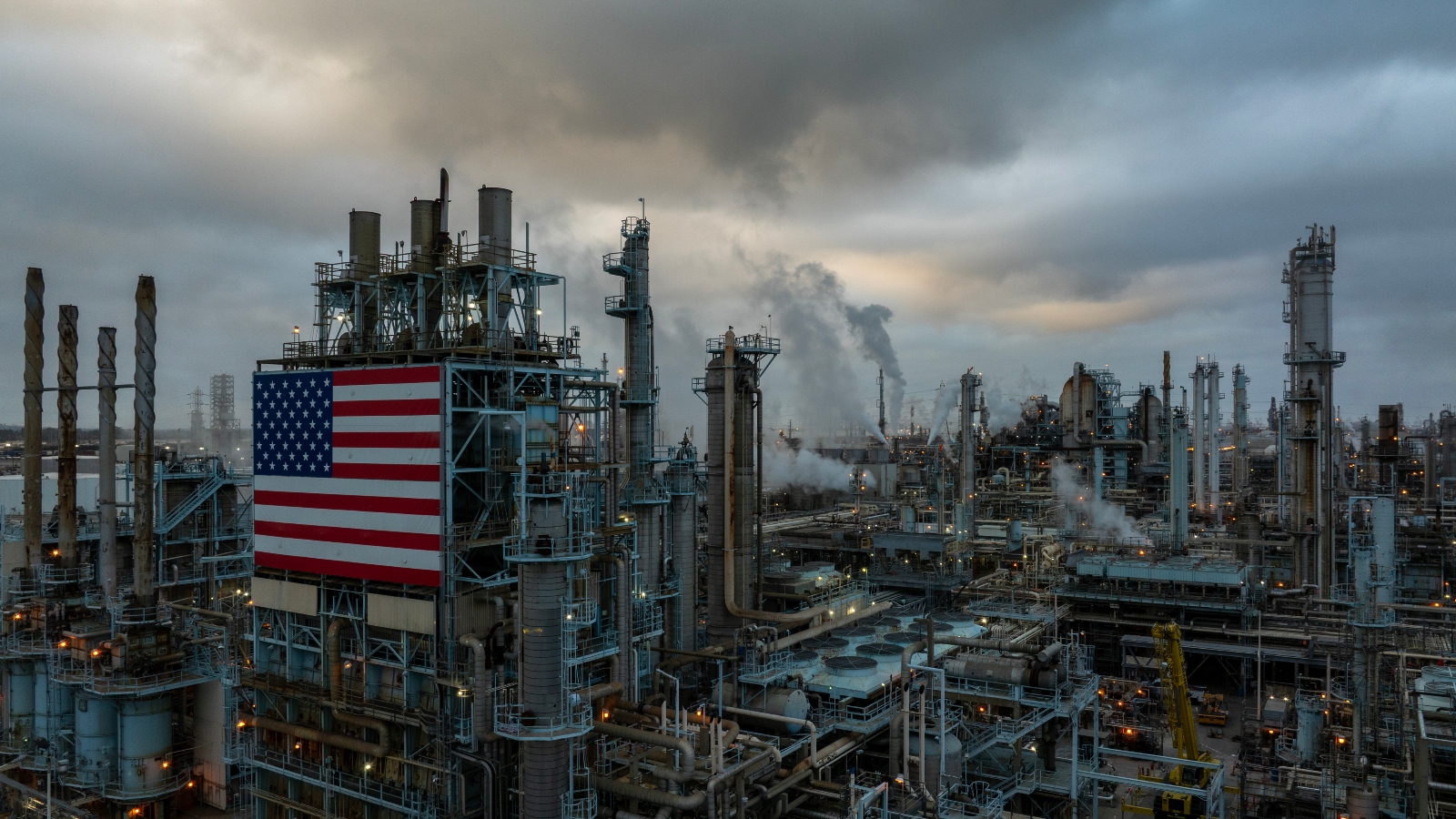
State Representative Matthew McQueen has proposed an even more radical solution: "up-the-chain" liability. Under his proposed framework, which mirrors existing federal Bureau of Land Management rules, if a company that buys a well goes bankrupt, the liability would revert to the previous solvent owner. This would effectively end the "corporate shell game" by making major producers like ExxonMobil responsible for the long-term fate of the infrastructure they built.
As the case moves toward its next hearings in April, it stands as a pivotal moment for New Mexico, the nation’s second-largest oil producer. The outcome will determine whether the "tsunami of corruption" alleged by the plaintiffs will continue to burden the public treasury, or if the era of "immoral environmental accounting" is coming to a close. For the taxpayers of New Mexico, the $200 million at stake in this single lawsuit is just the tip of a much larger, and much more expensive, iceberg.