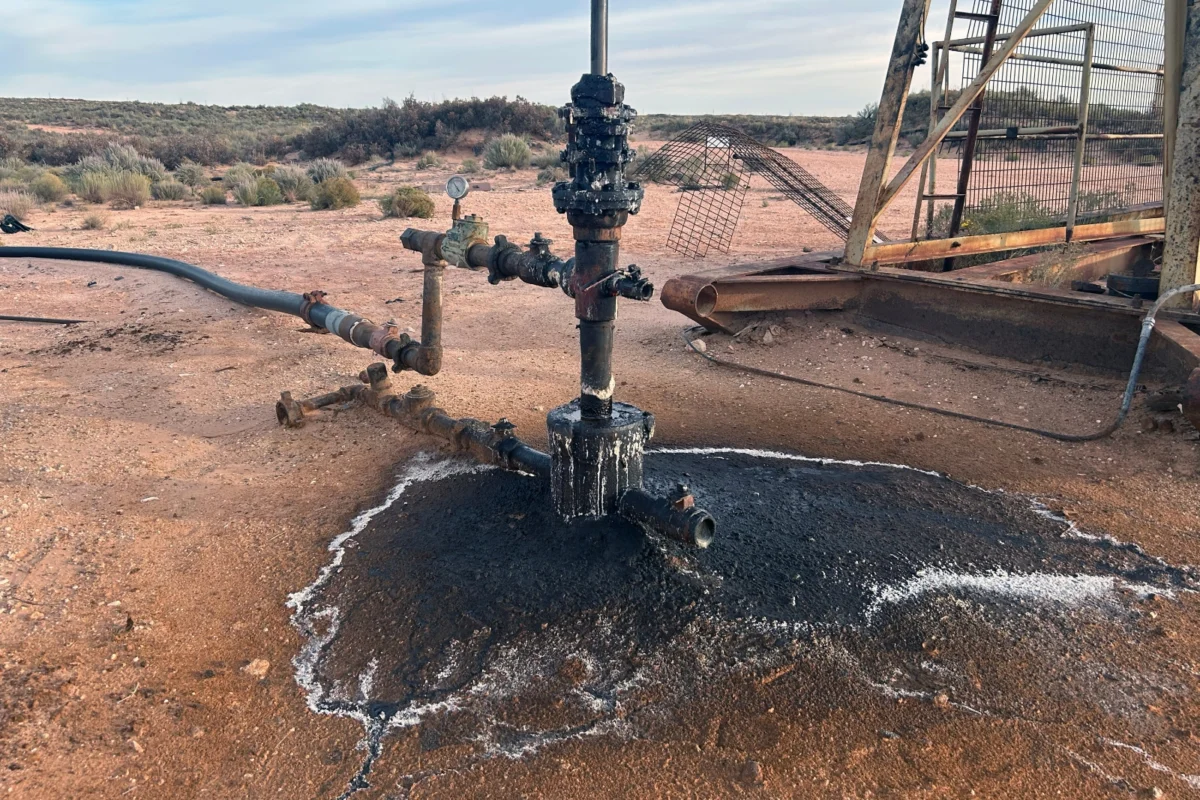
A landmark legal challenge filed in New Mexico District Court alleges that global energy giant ExxonMobil and its subsidiary XTO Energy, alongside Empire Petroleum and its local affiliate, orchestrated a massive accounting fraud designed to offload hundreds of millions of dollars in environmental liabilities onto the public. The lawsuit, brought forward under the New Mexico Fraud Against Taxpayers Act, contends that the companies intentionally undervalued the cost of cleaning up hundreds of aging oil and gas wells during a 2021 asset transfer. If the plaintiffs are successful, the case could fundamentally reshape how the oil and gas industry manages mature assets and significantly reduce the number of "orphan wells" that eventually become the financial responsibility of the state.
The litigation centers on the 2021 sale of approximately 670 aging wells from XTO Energy to Empire New Mexico. According to the complaint, the two entities "massively" undervalued the debt obligations inherent in the transaction—specifically the Asset Retirement Obligations (AROs), which represent the legally mandated costs of plugging wells and remediating the surrounding land once production ceases. By reporting these liabilities at a fraction of their projected actual cost, the plaintiffs argue that Empire Petroleum was allowed to acquire assets it could never realistically afford to decommission, effectively rendering the company insolvent from the moment the deal closed and placing it at high risk of bankruptcy.
The Mechanics of the Alleged Fraud
The lawsuit was initiated as a "Qui Tam" action, a legal mechanism that allows private individuals to file a lawsuit on behalf of the government. In this instance, the plaintiffs are Theron Horton, a Taos-based forensic data analyst, and Greg Rogers, a veteran corporate and environmental attorney and former Certified Public Accountant (CPA) from Colorado. The case remained under seal since August 2023 while the New Mexico Attorney General’s office reviewed the evidence. Following the state’s decision not to take over the prosecution—a common occurrence in complex whistleblower cases that does not necessarily reflect on the merits of the claim—the case was unsealed last week, allowing Horton and Rogers to proceed independently.
The core of the dispute lies in the discrepancy between the reported AROs and the actual costs of well remediation in the Permian Basin. In its 2022 filings with the Securities and Exchange Commission (SEC), Empire Petroleum reported that the acquisition carried an asset retirement obligation of roughly $6.1 million. This figure suggests a cleanup cost of approximately $9,100 per well. However, data from the New Mexico Oil Conservation Division (OCD) tells a vastly different story. In its 2023 annual report, the OCD estimated the average state-wide cost for plugging and remediating a single well at approximately $214,000.
Horton and Rogers, using a more granular analysis that accounts for the specific depth and location of the wells in the more expensive Permian Basin, estimate the actual liability at $199.5 million. This figure includes a 30 percent contingency fee and higher remediation costs for wells that have already been plugged but require further environmental work. The plaintiffs argue that the companies reached the $6.1 million figure either through gross negligence or a deliberate attempt to hide the fact that the transaction was, in essence, an transfer of massive debt disguised as a sale of assets.
A Pattern of "Asset Dumping" in the Oil Patch
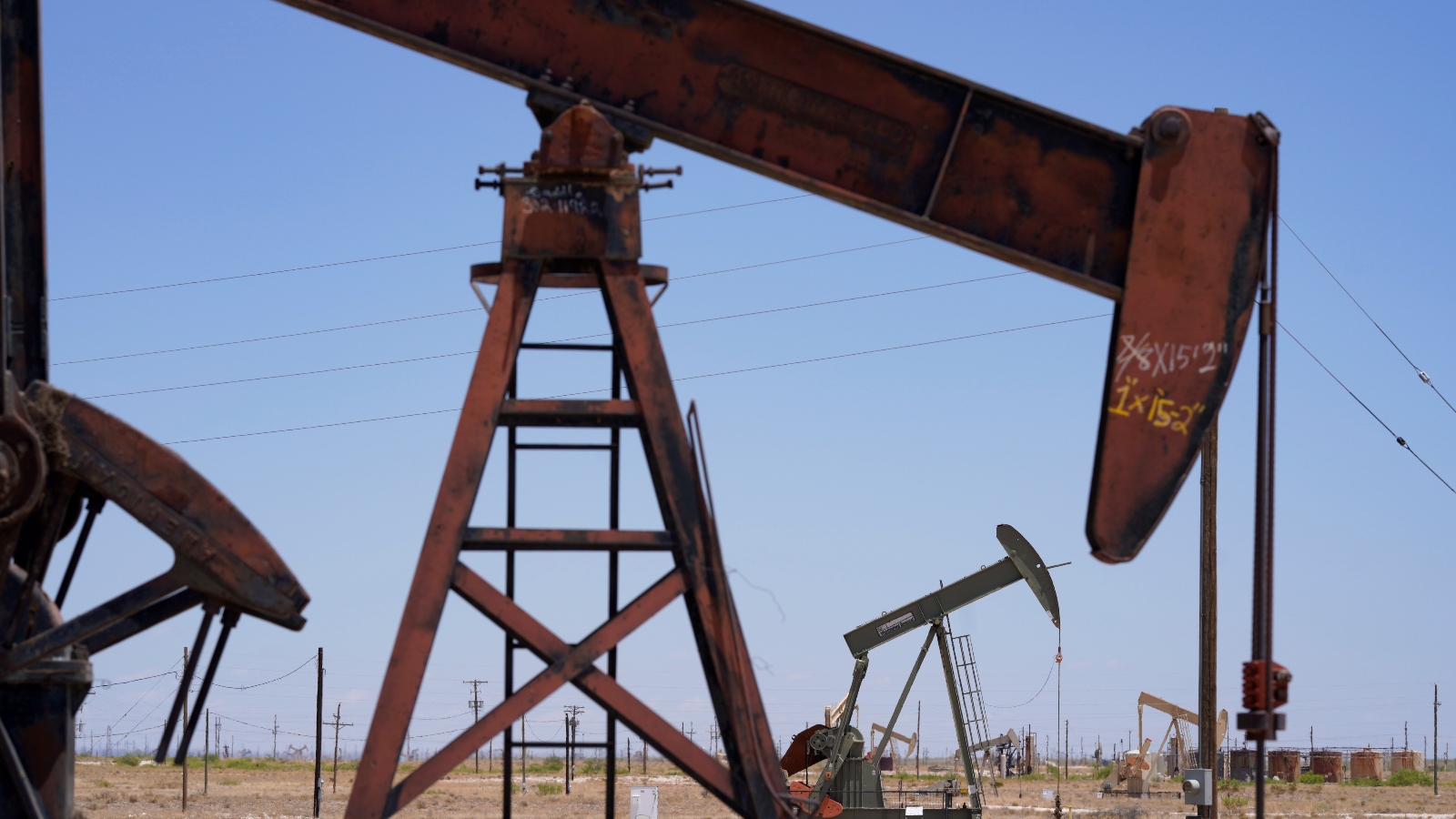
The lawsuit describes a "common game plan" used by major oil producers to divest themselves of low-producing, late-life assets. As wells age and their output declines, the overhead costs for major corporations like ExxonMobil become prohibitive. These "marginal" or "stripper" wells are often sold to smaller independent firms that operate with lower overhead or attempt to squeeze out remaining reserves through enhanced recovery techniques.
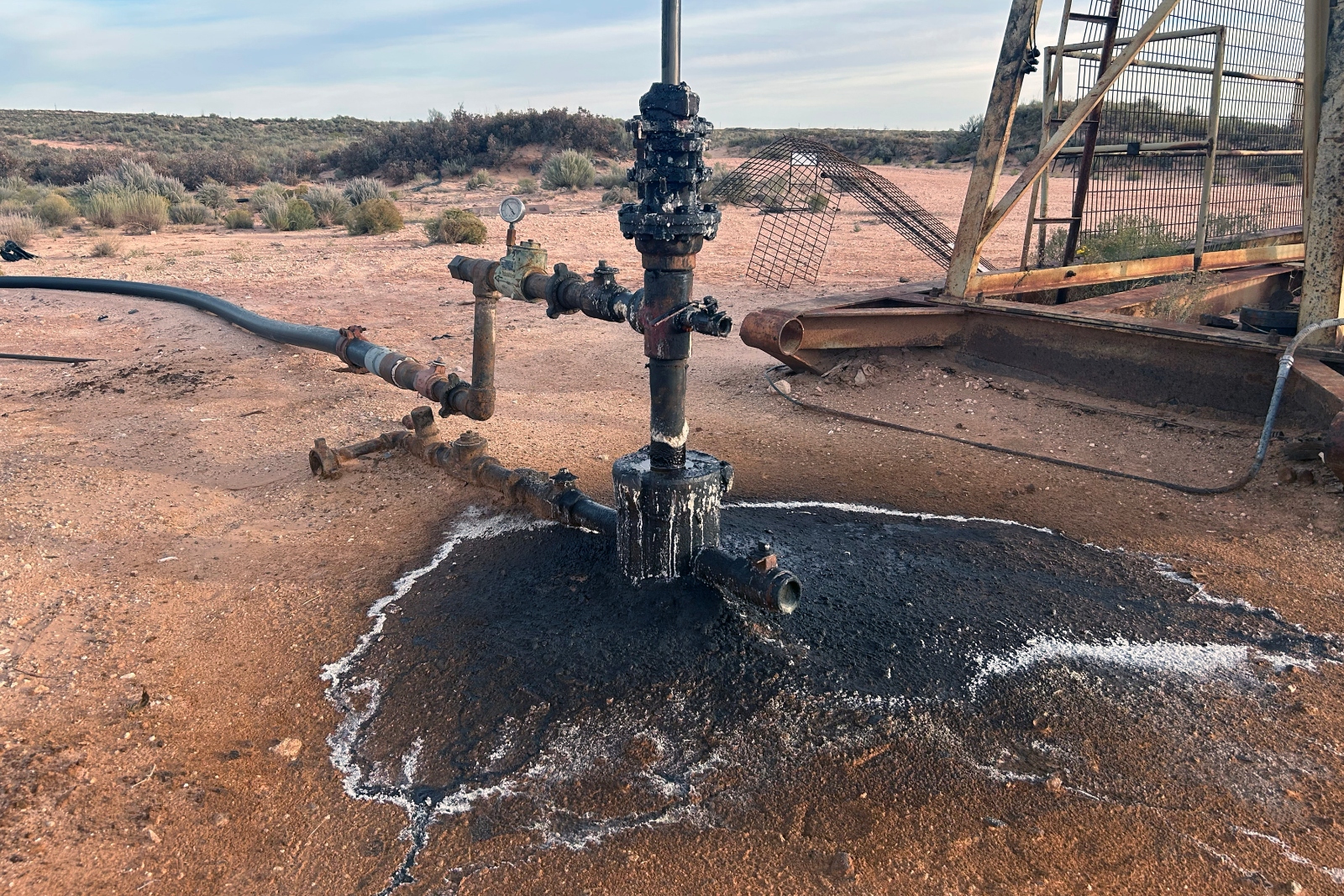
However, the plaintiffs allege that this cycle often ends in a "corporate shell game." Larger companies sell to smaller companies, which then sell to even smaller, undercapitalized entities. Eventually, the wells stop producing enough revenue to cover their own operating expenses, let alone the six-figure cost of plugging them. When these small companies inevitably face insolvency or bankruptcy, the wells are "orphaned"—left without a solvent owner to handle the cleanup.
In New Mexico, the state serves as the "final stop" for orphan wells located on state and private lands. Federal and tribal lands fall under federal jurisdiction, but the state remains responsible for the vast majority of the environmental and financial fallout. A report released last year by the New Mexico Legislative Finance Committee warned that the state is already liable for more than $200 million in cleanup costs for existing orphan wells, with that figure potentially ballooning to $1.6 billion if current bonding and transfer practices are not reformed.
Economic and Environmental Consequences
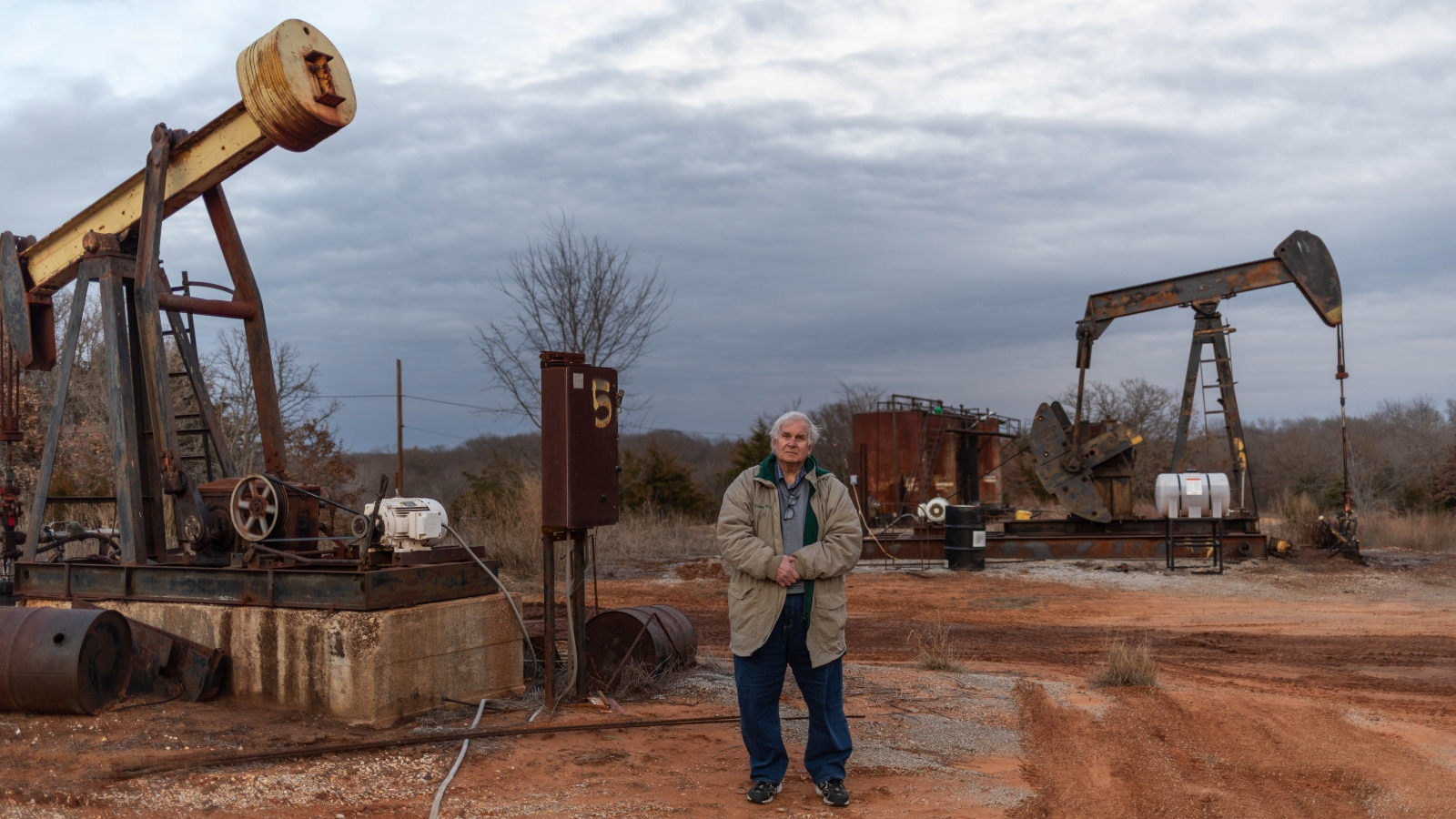
The implications of the lawsuit extend far beyond corporate balance sheets. Unplugged orphan wells pose a significant threat to public health and the environment. These aging structures are notorious for leaking methane—a potent greenhouse gas—as well as crude oil, brine, and toxic volatile organic compounds into the air, soil, and groundwater.
Data from HEI Energy has documented widespread contamination near orphan well sites. In the town of Loving, New Mexico, located in the heart of the Permian Basin, air monitoring stations have recorded extreme levels of pollution attributed to leaking oil and gas infrastructure. "I care about people, the earth, and societal justice," plaintiff Theron Horton stated. "It is critical that each of us do everything we can to stop the tsunami of corruption that threatens the very existence of our country."
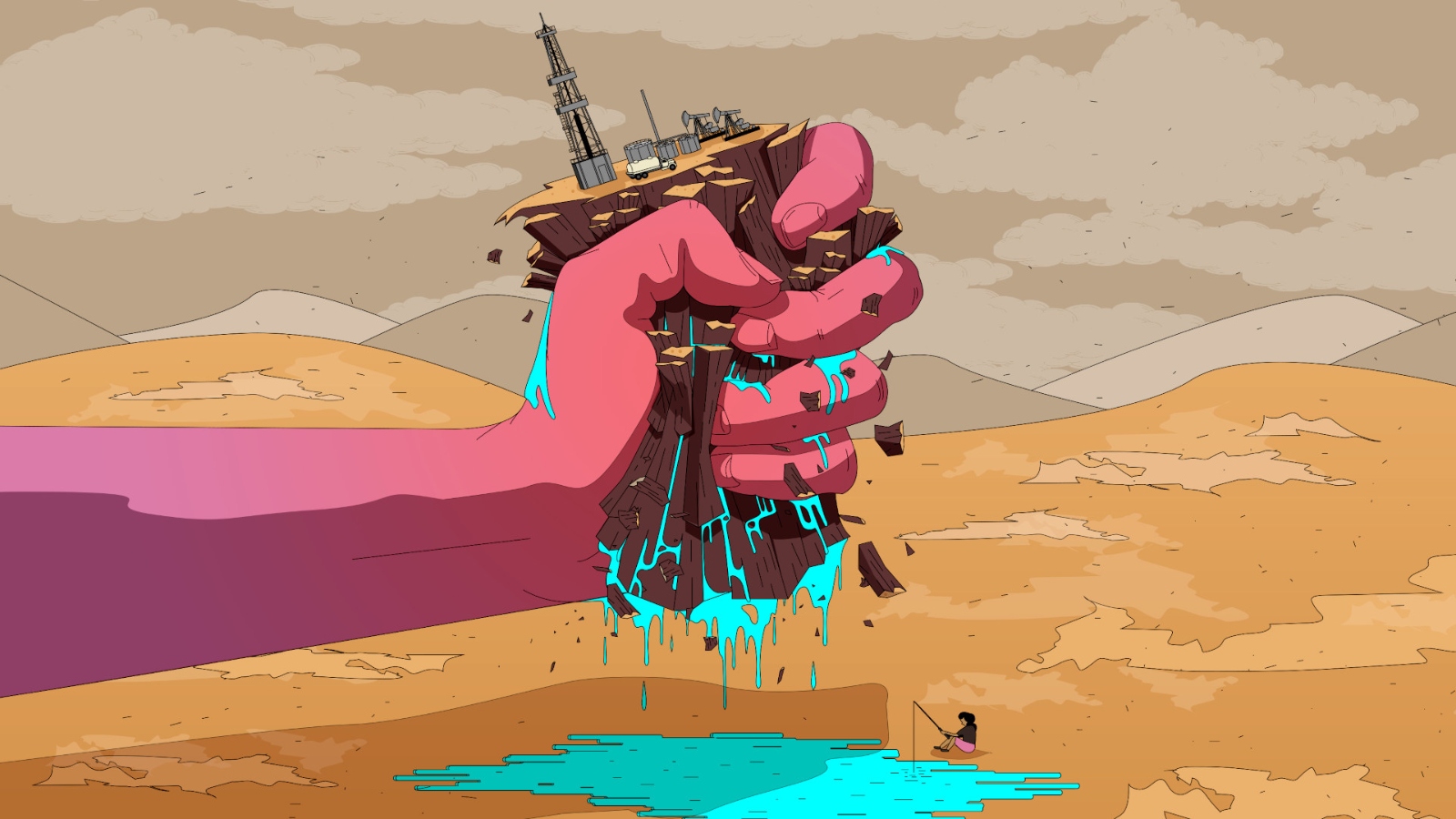
From an economic perspective, the alleged fraud represents a direct shift of private debt to the public sector. New Mexico is currently the second-largest oil-producing state in the U.S. and the third-largest producer of natural gas. While this production fuels the state’s General Fund, the looming liability of orphan wells threatens to drain those resources. Earlier this year, a bipartisan bill was passed to divert tens of millions of dollars from the state’s oil and gas conservation tax into a Reclamation Fund specifically for well plugging. Critics, however, argue that this essentially uses taxpayer-funded "insurance" to bail out companies that failed to set aside adequate funds for their own cleanup obligations.
Corporate Financial Health and Production Declines
The lawsuit highlights the precarious financial position of Empire Petroleum. As a publicly traded company, its SEC filings reveal a history of volatility. Over the past three years, the company recorded total net losses of $100 million. During the same period, its long-term debt tripled, and its stock price collapsed, losing nearly 90 percent of its value from its four-year peak.
Production figures further underscore the "marginal" nature of the assets in question. Empire New Mexico reported a 17 percent decline in oil sales and an 18 percent drop in natural gas sales between 2022 and 2025. Of the company’s 375 wells listed as "active," only 302 reported any production in early 2026. Furthermore, 306 of those wells are classified as "stripper wells," meaning they produce less than 10 barrels of oil equivalent per day. These numbers suggest that the wells are at the very end of their economic lives, making the $199 million cleanup liability even more daunting for a company with Empire’s financial profile.
ExxonMobil, the parent company of XTO, declined to comment on the litigation. Empire Petroleum did not respond to multiple requests for comment.
Broader Legal Precedents and Legislative Efforts
The lawsuit brought by Horton and Rogers is unique because it shifts the focus from environmental regulations to accounting standards. By framing the issue as accounting fraud under the Fraud Against Taxpayers Act, the plaintiffs are attempting to use the same legal tools that have successfully targeted healthcare fraud and defense contractor overcharging.
"It’s often a smart legal strategy to follow the money," said Gabe Pacyniak, a professor at the University of New Mexico School of Law. "Focusing on fraud in the sale is easier than looking at the status of each well. It also sends a message to companies that they can’t get away with trying to dump their wells without fully accounting for the cost."
This is not the only case of its kind in the state. New Mexico is also currently suing three Texas businessmen for a similar scheme involving shell companies and bankruptcies used to dump unprofitable wells. Meanwhile, at the legislative level, Representative Matthew McQueen has proposed "chain of liability" laws. Under such a framework, if a current owner goes bankrupt, the state could move back up the chain of previous owners to find a solvent company to pay for the cleanup. The federal Bureau of Land Management already utilizes this "prior owner" liability to recover costs, a tool that has recently forced major companies like BP America and Marathon Petroleum to pay for wells they sold years ago.
Conclusion and Outlook
The outcome of the case against ExxonMobil and Empire Petroleum could serve as a turning point for the American energy industry. If the court finds that the undervaluation of AROs constitutes fraud, it could force a massive re-evaluation of assets across the Permian Basin and beyond. For taxpayers, it offers a rare opportunity to hold major corporations accountable for the "cradle-to-grave" costs of fossil fuel extraction.
For now, the state of New Mexico remains on the hook for over 1,000 known orphan wells, with thousands more expected to join the list as the current drilling boom eventually subsides. As Greg Rogers noted, the solution is simple but requires political will: "If you really want to get this problem solved, you just require the operator to put up a full-cost bond." Until then, the legal battle in New Mexico District Court remains the primary front in the fight to ensure that the "funeral costs" of the oil industry are not paid by the public.