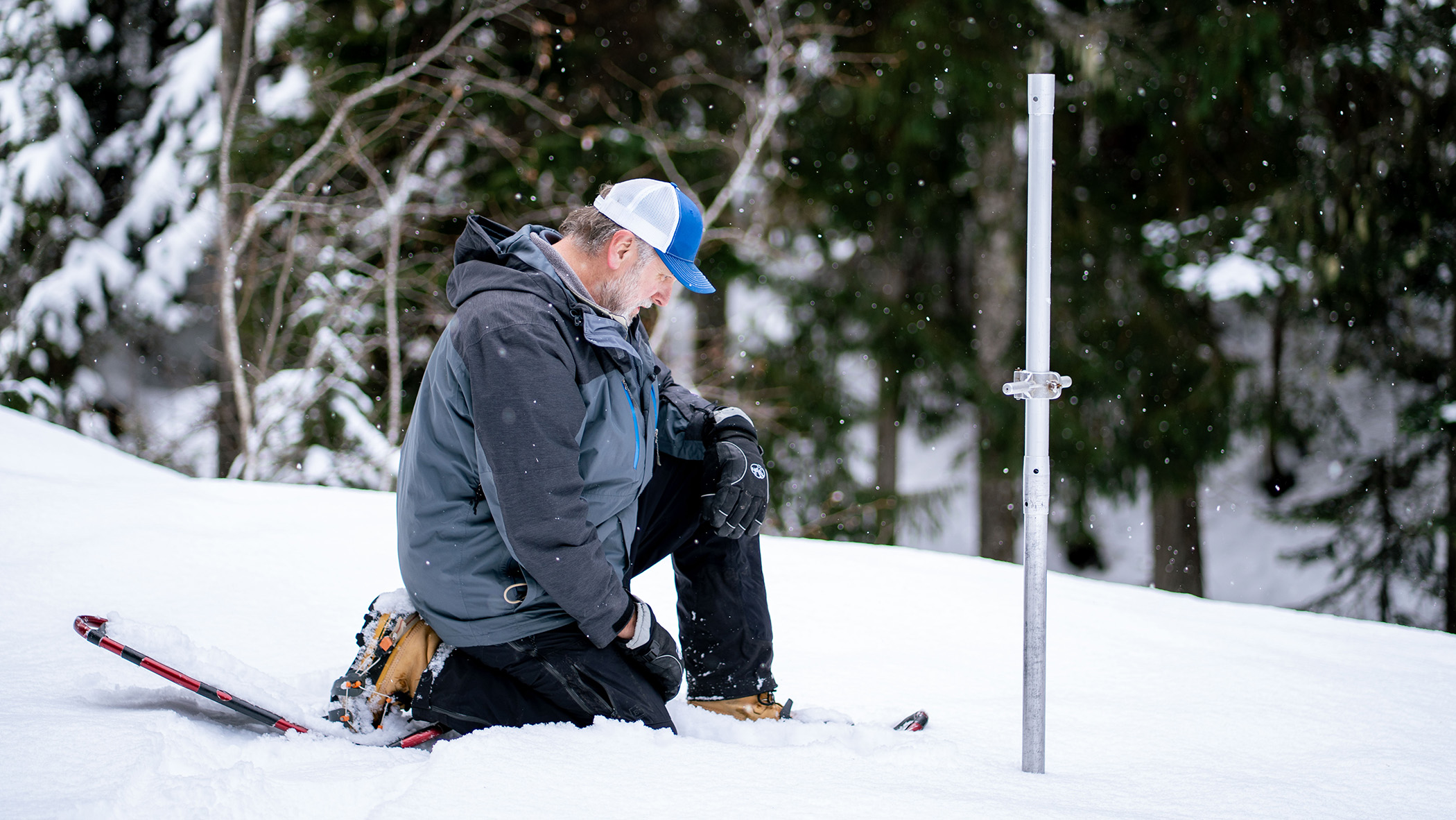
On a frigid morning in February 2026, Toby Rodgers, a hydrologist for the U.S. Department of Agriculture’s Natural Resources Conservation Service (NRCS), strapped on his snowshoes and began a grueling trek across the Cascade Mountains in Washington State. He was headed toward a specific, long-monitored "snow course," a designated path where scientists have measured snow depth and density for decades. In his pack, Rodgers carried a tool that appeared strikingly out of place in an era of satellite imagery and automated sensors: a long, hollow aluminum tube equipped with a sharp, serrated bit. This device, known as the Church Sampler, remains the gold standard for water forecasting in the American West, despite being over a century old.
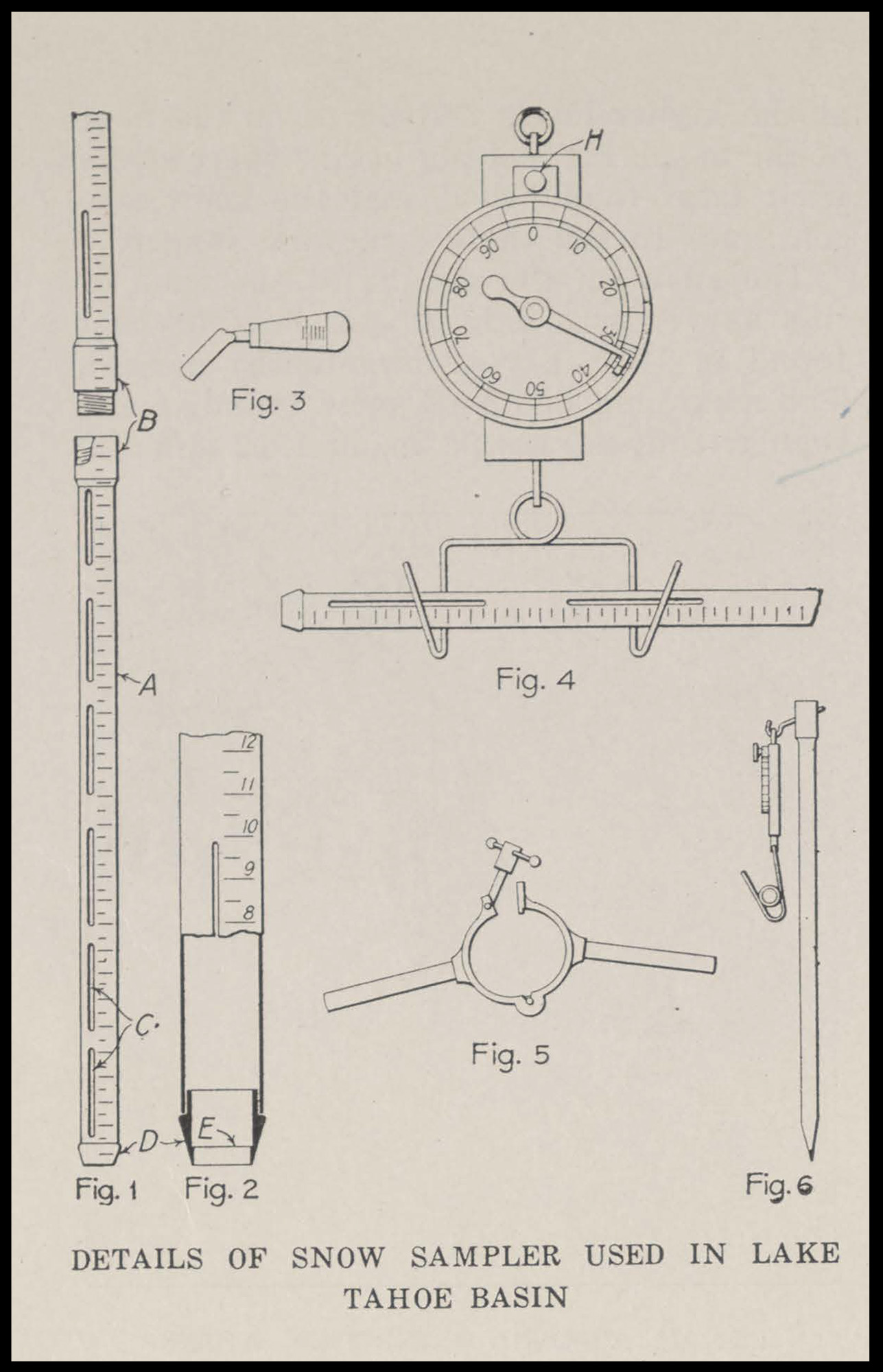
Upon reaching the sampling site, Rodgers drove the tube through the layers of snow until it struck the frozen earth beneath. He then carefully extracted a core of snow, cleared away any clinging soil with a specialized blade, and suspended the tube from a portable spring scale. This measurement does not merely record how deep the snow is; it measures the weight of the snow, which directly translates to its "snow water equivalent" (SWE). This single data point allows hydrologists to calculate exactly how much water will flow into the rivers, lakes, and reservoirs of the Pacific Northwest when the spring thaw arrives.
The Genesis of Snow Science: The Legacy of James Church
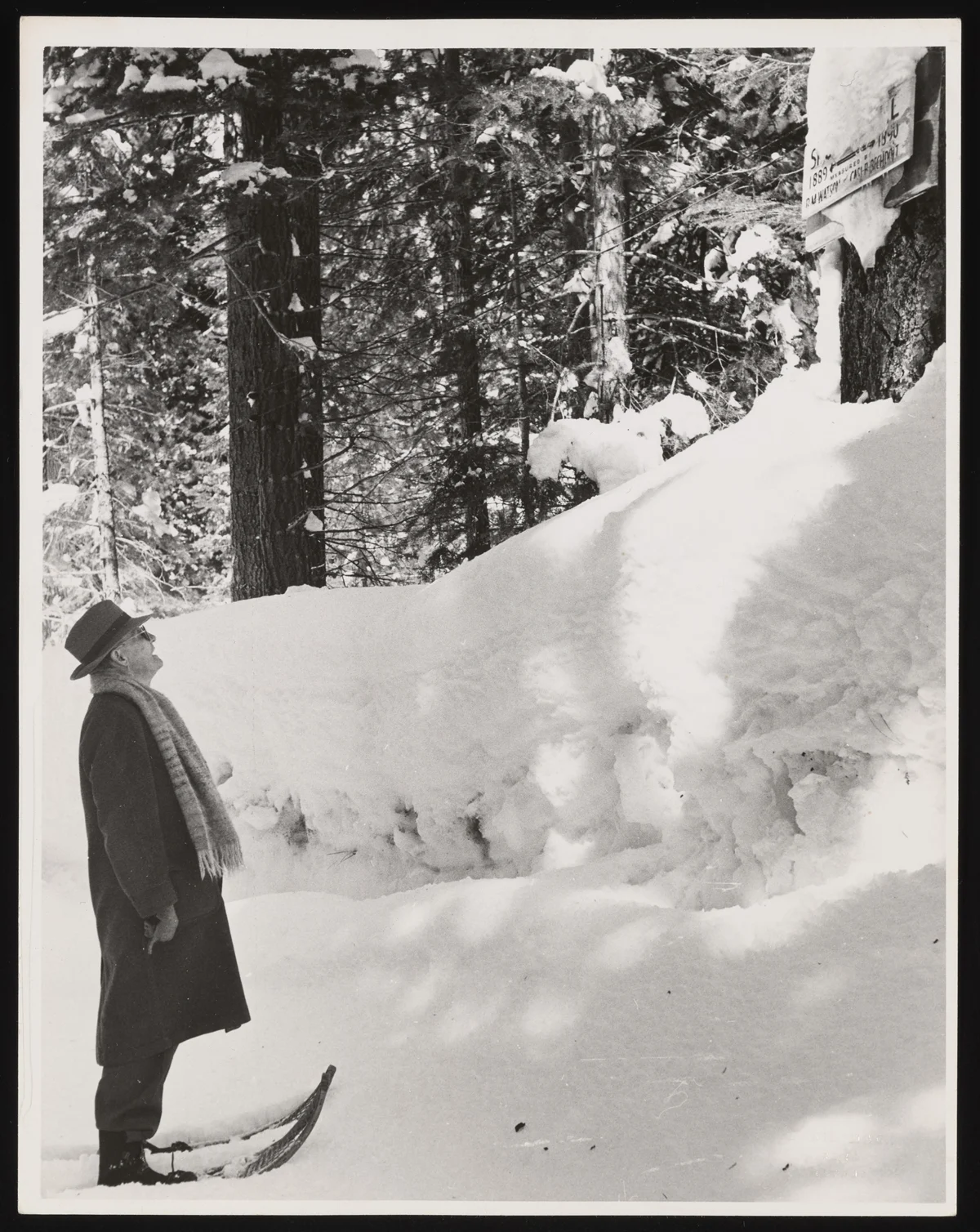
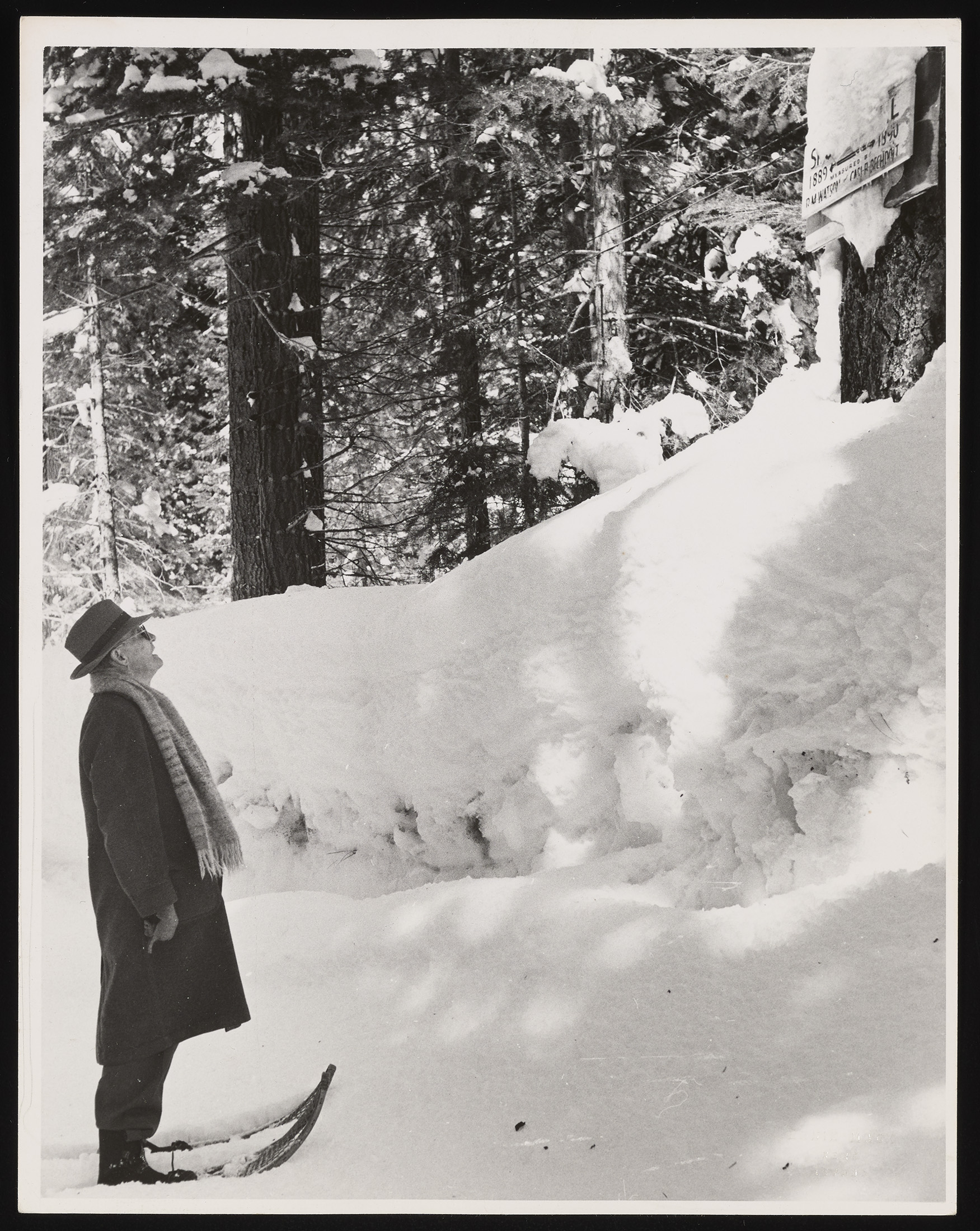
The device Rodgers uses is named after James Church, a professor of Latin and Greek at the University of Nevada, Reno, during the early 20th century. Church was an avid mountaineer who spent his winters exploring the Sierra Nevada. His academic background in the classics did not deter him from becoming the "father of snow science." At the time, the growing populations of Reno and rural Nevada were increasingly dependent on the Truckee River and Lake Tahoe for irrigation and drinking water. However, there was no reliable method for predicting how much water would be available from year to year.
In 1906, Church established the first Western snow laboratory on Mount Rose. He realized that measuring the depth of snow was insufficient because snow density varies wildly; a foot of light, powdery snow contains significantly less water than a foot of heavy, wet "Sierra cement." To solve this, he developed the Mount Rose Sampler—now the Church Sampler—which allowed for the extraction of a vertical core that could be weighed to determine its water content.
By 1910, Church’s methods were so successful at predicting the spring rise of Lake Tahoe that the technique began to spread. The USDA eventually adopted the method, creating a network of snow courses that now spans the entire Western United States. Today, the NRCS manages over 800 automated SNOTEL (Snow Telemetry) stations, but manual surveys using the Church Sampler remain vital for calibrating these sensors and maintaining the integrity of century-long data sets.
Technical Mechanics of the Church Sampler
The Church Sampler is elegantly simple. It consists of several sections of aluminum tubing that can be threaded together to accommodate deep snowpacks. The serrated "cutter" at the bottom is designed to chew through icy crusts that would stop a blunt instrument.
The primary scientific value of the sampler lies in the physics of the measurement. Because the weight of a volume of water is constant, the weight of the snow core corresponds directly to the depth of water that would result if that snow melted instantly. For example, if Rodgers extracts a core that weighs the equivalent of 20 inches of water, water managers downstream know that every acre of that mountain slope is currently holding nearly 550,000 gallons of potential liquid water.
The 2026 Snow Drought: A Regional Crisis
While the technology of the Church Sampler has remained constant, the environment it measures is shifting rapidly. The winter of 2025-2026 has been characterized by what climatologists call a "snow drought." This phenomenon occurs when precipitation falls as rain rather than snow, or when unusually warm temperatures cause the snowpack to melt prematurely.
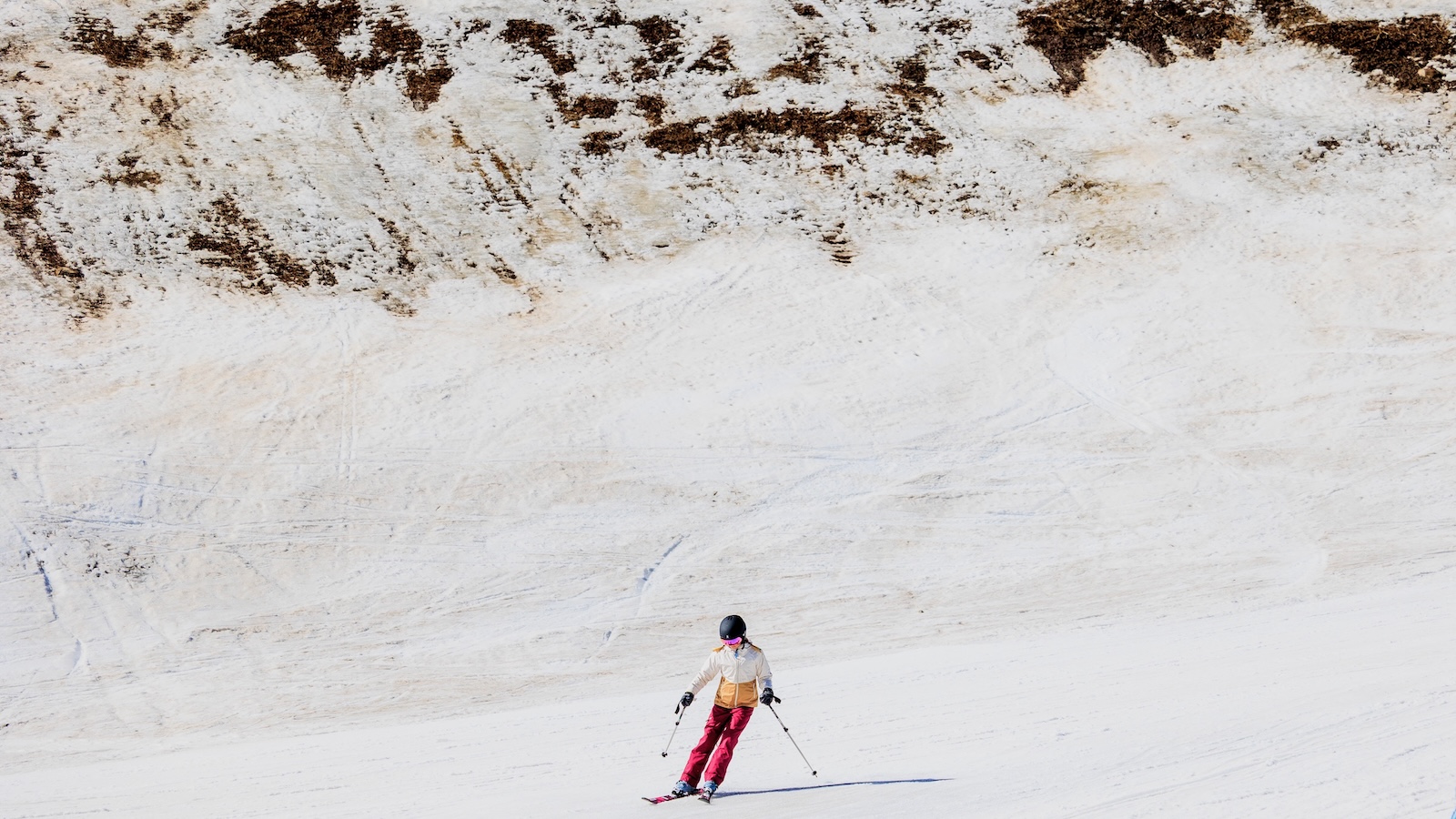
Data collected on April 1, 2026—the date traditionally used to mark the peak of the Western snowpack—revealed a dire situation. Across the West, snow levels were found to be abnormally low. In parts of California and the Desert Southwest, some basins reported only 17 percent of their historical average snowpack. In the Pacific Northwest, where Rodgers operates, the situation was slightly better but still well below the 30-year median.
The implications of these low numbers are profound. The Western United States relies on the mountain snowpack as a "natural reservoir." By storing water in solid form during the winter and releasing it slowly through the spring and summer, the mountains provide a steady supply of water during the driest months of the year. When that snowpack is absent, the region loses its primary buffer against summer drought.
The Shift from Snow to Rain: The Stevens Pass Incident
One of the most alarming trends noted by hydrologists like Rodgers is the increasing frequency of "rain-on-snow" events. During the 2025-2026 winter season, the sampling site near Stevens Pass in Washington experienced several high-precipitation events. However, instead of building the snowpack, these storms brought warm, tropical air—often referred to as "atmospheric rivers"—that dumped heavy rain on existing snow.
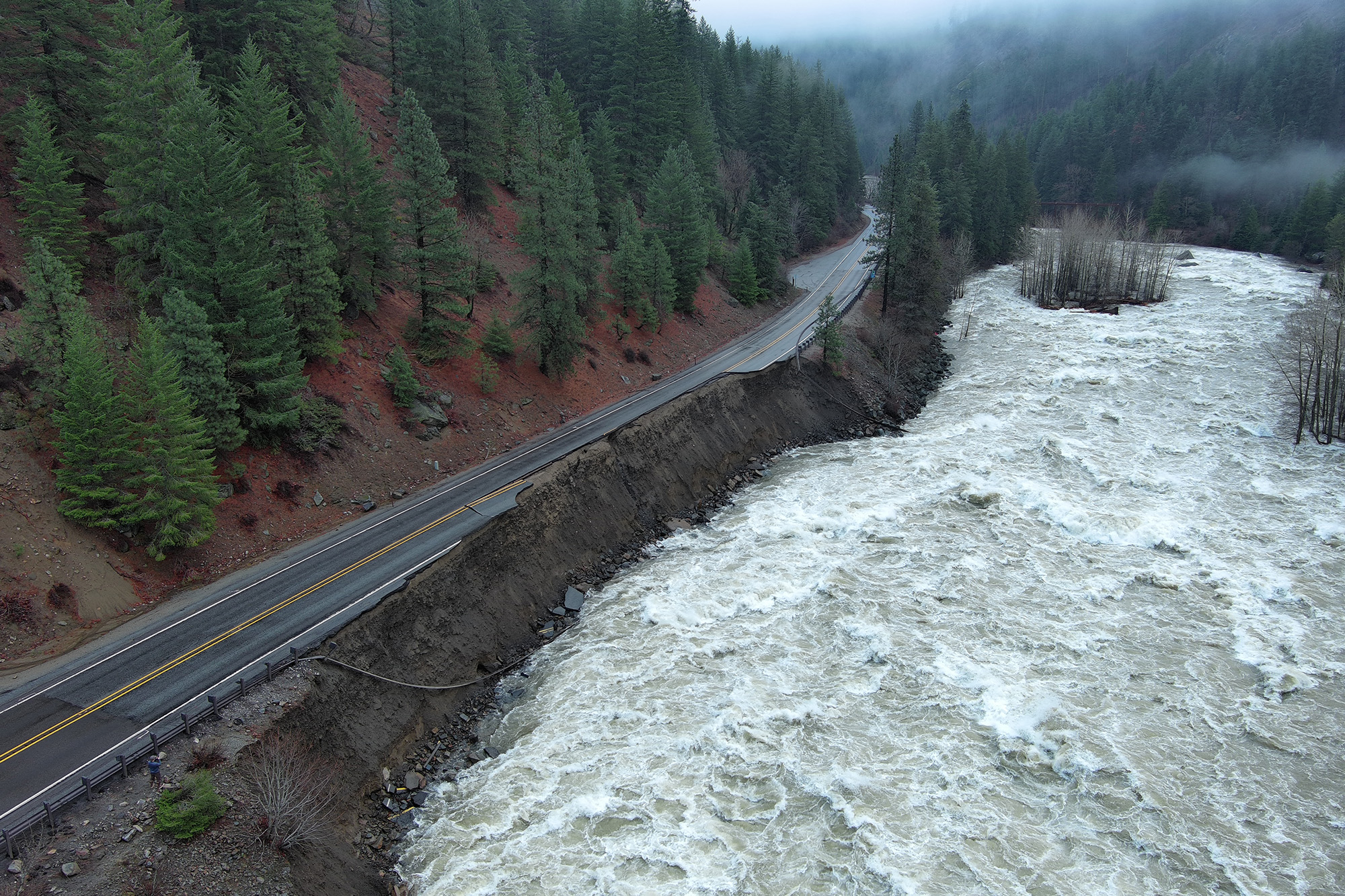
Unlike snow, which stays on the mountain, rain runs off immediately. In December 2025, one such storm caused catastrophic flooding in the Cascades. The surge of water was so intense that it triggered mudslides and washed away a significant portion of Highway 2 near Stevens Pass. The highway, a critical artery for regional commerce and travel, remained closed for months as engineers struggled to stabilize the hillside and rebuild the roadbed.
"Some of the courses that were established a hundred-plus years ago used to have very consistent snowpacks," Rodgers noted during his survey. "When we measure it now, we don’t know for sure what we’re going to find on the ground. We might find three feet of snow, or we might find bare dirt and a record of a flood."
Scientific Projections and the Nature Review
The current observations of Rodgers and his colleagues align with broader scientific trends. A landmark 2021 review article published in the journal Nature warned that the American West is transitioning into a "low-to-no snow" future. The study found that if current warming trends continue, the West could lose approximately 25 percent of its historical mountain snowpack within the next 25 years.
The loss of snowpack creates a feedback loop known as the "albedo effect." Snow is highly reflective, bouncing sunlight back into the atmosphere and keeping the mountains cool. When snow melts to reveal dark soil or rocks, the ground absorbs more heat, further accelerating the melting of any remaining snow and raising local temperatures.
Broader Socio-Economic Impacts
The data gathered by the Church Sampler is used by a diverse array of stakeholders, all of whom are bracing for a difficult summer in 2026:
- Agriculture: In California’s Central Valley and Washington’s Yakima Valley, farmers depend on snowmelt for irrigation. Low SWE readings in April often lead to reduced water allocations, forcing farmers to fallow fields or switch to less water-intensive crops.
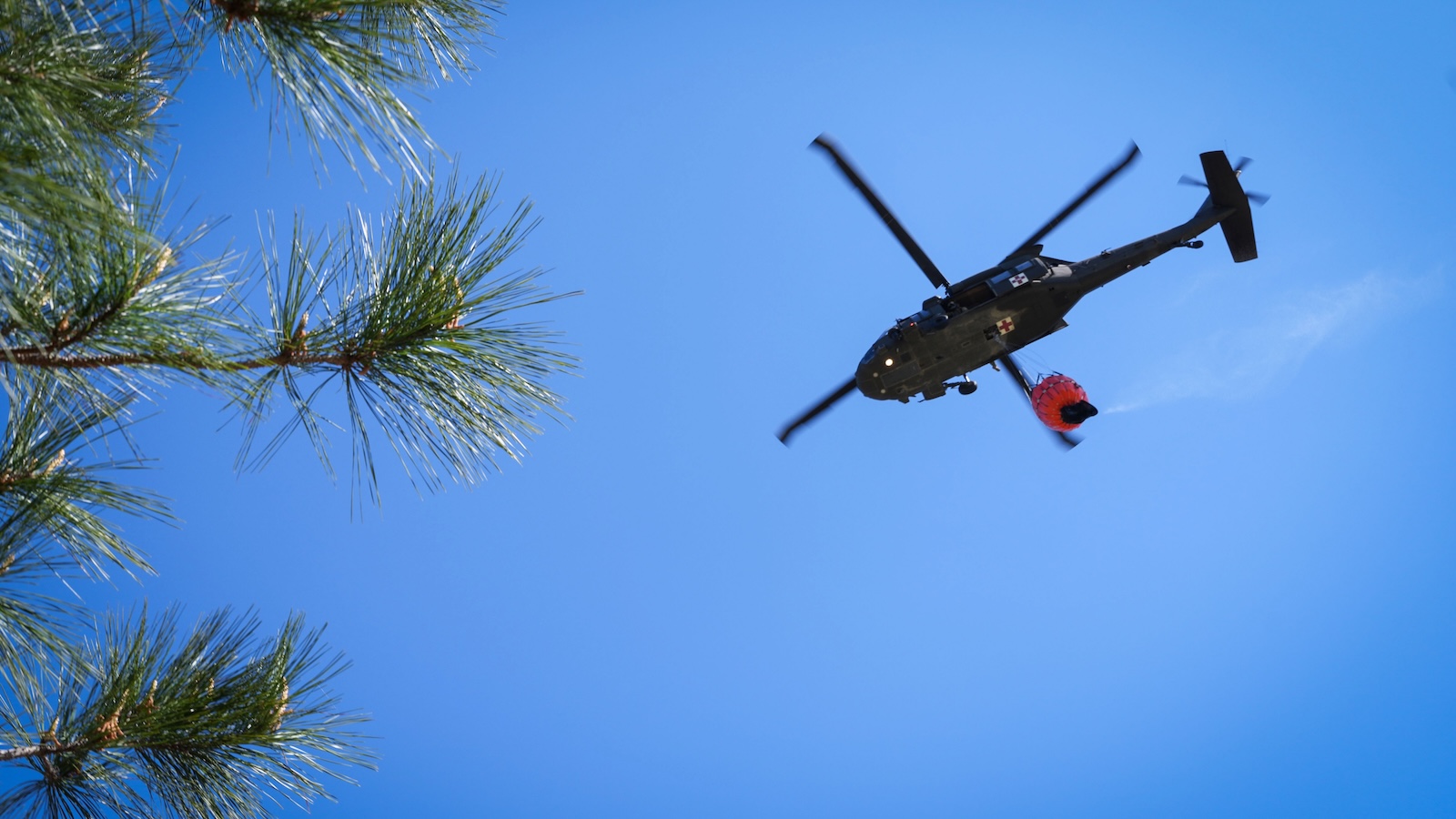
- Wildfire Management: A robust snowpack keeps forest fuels moist well into the summer. The current snow drought has led fire ecologists to predict an early and aggressive wildfire season, as the "fire season" now begins as soon as the meager snowpack vanishes.
- Hydropower: The Pacific Northwest derives a massive portion of its electricity from hydroelectric dams. Lower water volumes in the Columbia and Snake River systems could lead to higher energy costs and potential strain on the power grid during summer heatwaves.
- Municipal Water Supplies: Cities like Seattle, Portland, and San Francisco rely on mountain runoff for their reservoirs. Persistent snow droughts necessitate more frequent and stringent water conservation measures for millions of residents.
Conclusion: The Enduring Value of Manual Science
As the climate becomes more volatile, the importance of snow science has never been greater. While satellites can estimate snow cover over vast areas, they often struggle to accurately penetrate dense forest canopies or determine the exact density of the snow beneath. This is why the manual labor of hydrologists like Toby Rodgers remains indispensable.
The Church Sampler, a tool born out of a classics professor’s love for the mountains and a practical need to manage a growing frontier, continues to provide the ground-truth data required to navigate a water-scarce future. In a world of increasing uncertainty, the simple act of driving a tube into the snow and weighing the result remains one of the most powerful ways to glimpse the future of the American West. The data collected this February will shape policy, economy, and survival in the months to come, proving that sometimes, the most effective solutions to modern crises are rooted in a century of tradition.