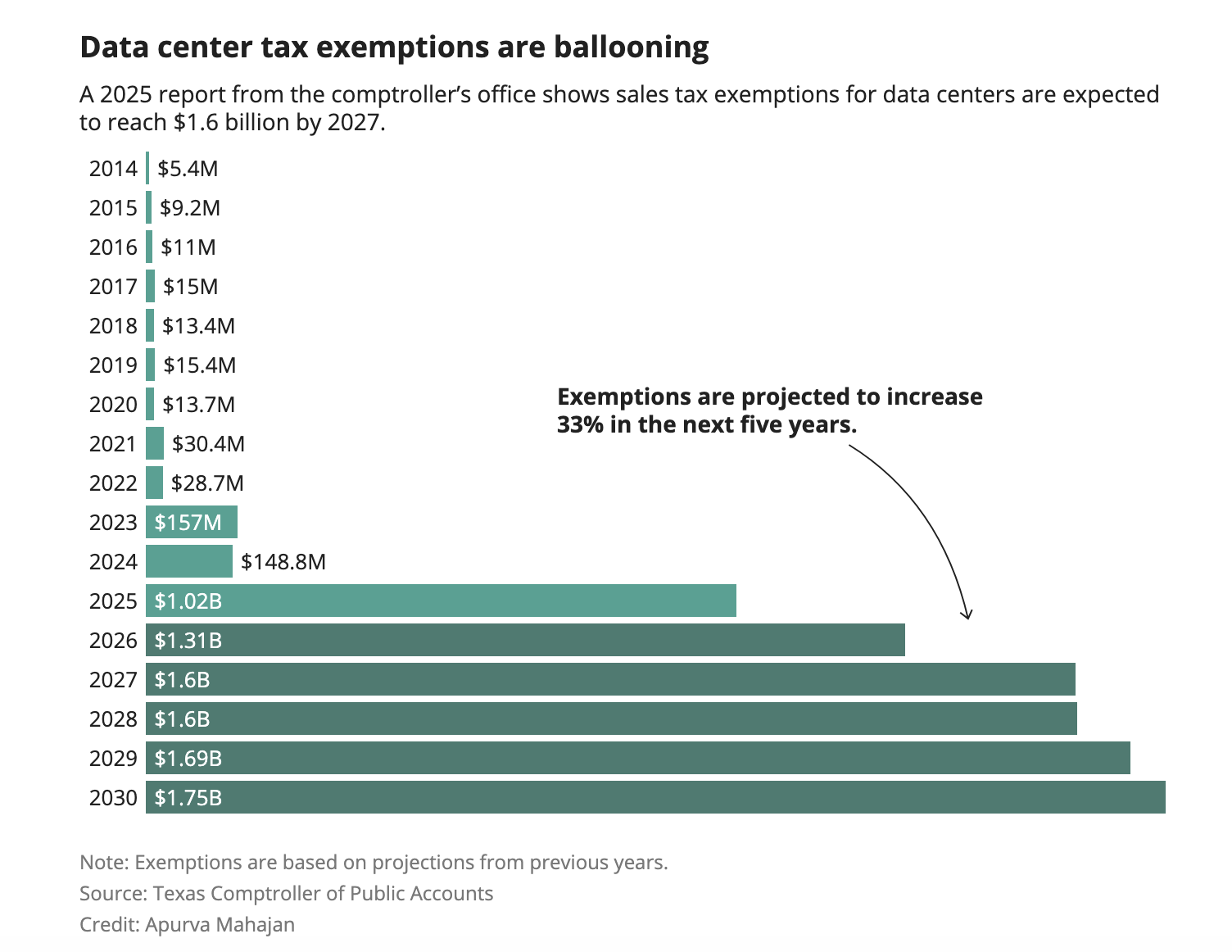
The State of Texas is facing a significant fiscal crossroads as its booming data center industry, fueled by the global explosion of artificial intelligence, has transformed a once-modest tax incentive into one of the most expensive corporate subsidy programs in the nation. According to the Texas Comptroller’s office, the state is projected to forgo approximately $3.2 billion in sales tax revenue over the next two years due to exemptions granted to data center operators. This figure represents a staggering increase from previous years and has prompted top Republican and Democratic lawmakers to signal a major legislative overhaul that could include the total repeal of the program.
The tax break, originally designed more than a decade ago to attract cloud storage facilities, has seen its costs skyrocket as the infrastructure requirements for modern computing have evolved. What began as a relatively small fiscal note of $5 million to $30 million per year has ballooned into a multi-billion-dollar liability for the state treasury. As the Texas Legislature prepares for its next session, the debate over whether these facilities provide enough local economic benefit to justify their massive public cost is intensifying.
The Evolution of Texas Data Center Incentives
The history of the data center tax exemption in Texas began in 2013, when then-State Representative Harvey Hilderbran authored legislation intended to make the state competitive in the burgeoning field of cloud computing. At the time, data centers were primarily massive warehouses for servers used for website hosting and digital storage. These facilities were relatively passive in their energy consumption compared to today’s standards and required less frequent hardware updates.
From 2014 through 2022, the program functioned largely as intended, with the state losing a manageable amount of revenue in exchange for a steady stream of construction jobs and local property tax investments. However, the landscape shifted dramatically in late 2022 and early 2023 with the mainstreaming of generative artificial intelligence (AI). Unlike traditional cloud storage, AI processing requires specialized high-performance hardware, such as Graphics Processing Units (GPUs), which are significantly more expensive than standard servers. Because the Texas incentive provides a 6.25 percent sales tax exemption on all hardware, software, and cooling equipment, the rising cost of this specialized technology has directly correlated with the massive spike in lost tax revenue.
By 2023, the value of the exemption had jumped to $150 million. This year, the figure is expected to reach at least $1.3 billion. Projections from the comptroller’s office now suggest that by fiscal year 2030, the annual cost to the state will hit $1.8 billion.
Supporting Data: A Comparison of State Priorities
The $3.2 billion in lost revenue over the next biennium is not merely a theoretical number; it represents a significant portion of the state’s discretionary spending power. To put the figure in perspective, lawmakers have noted that the annual cost of the data center tax break could fully fund the state’s controversial new school voucher program or double the capacity of the state’s disaster relief fund, which provides critical grants to local communities for flood prevention and emergency response.
The growth of the program has already surpassed the cost of the state’s former "Chapter 313" program. That initiative, which allowed manufacturing companies to avoid paying local school property taxes, was shut down by the Legislature last year after its annual cost exceeded $1 billion and drew criticism for being an inefficient use of taxpayer dollars. The fact that the data center exemption has now eclipsed Chapter 313 in cost has made it a primary target for fiscal hawks.
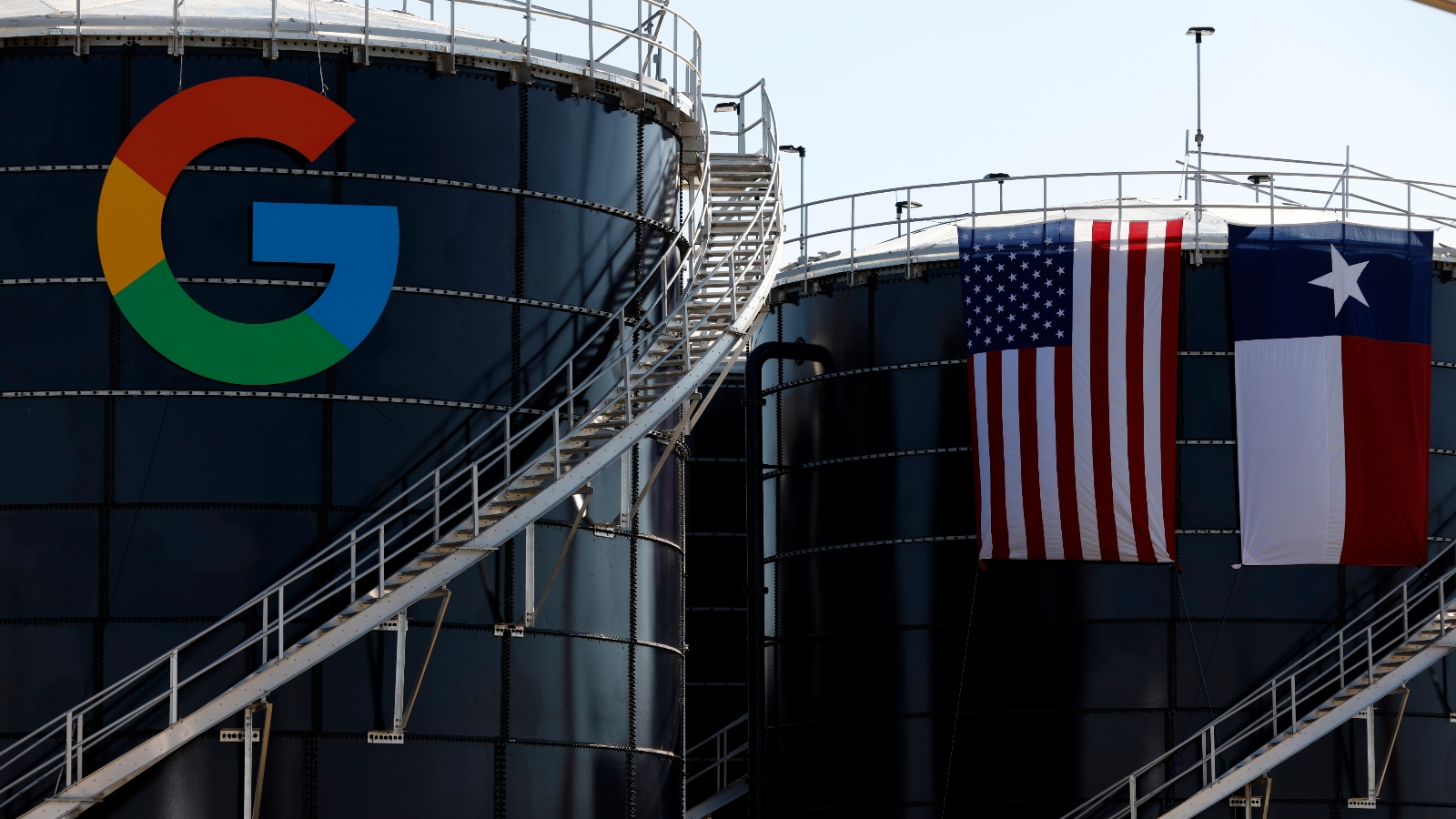
Currently, Texas is home to more than 300 operating data centers, with over 100 additional projects in various stages of development. According to data from the research firm Aterio, Texas leads the nation with 142 data centers under construction, narrowly beating out Virginia’s 141 projects. While the industry argues this growth is a sign of the incentive’s success, critics argue that the sheer scale of the industry suggests it no longer requires state-level subsidies to thrive.
The Mechanics of the Exemption
Under current Texas law, qualifying data centers are exempt from the state’s 6.25 percent sales and use tax on a wide array of purchases. This includes not only the high-cost servers and storage hardware but also the infrastructure required to keep them running: cooling systems, emergency generators, sophisticated plumbing, and office equipment.
Crucially, the exemption also applies to the sales tax on electricity. This is a major point of contention given the immense energy demands of AI-focused data centers. Industry forecasts suggest that by 2030, a single large-scale data center could require up to 1 gigawatt of power—enough to supply approximately 700,000 homes. By exempting the tax on this electricity, the state is effectively subsidizing the strain these facilities place on the Texas power grid, which is managed by the Electric Reliability Council of Texas (ERCOT).
To qualify for these benefits, operators must meet certain benchmarks:

- Small Facilities (100,000+ sq. ft.): Must create 20 permanent jobs paying 120 percent of the regional median salary and invest $200 million over five years.
- Large Facilities (250,000+ sq. ft.): Must create 40 jobs, invest $500 million, and pay to reserve 20 megawatts of transmission capacity on the grid.
While these investment numbers seem high, critics point out that for a multi-billion-dollar tech giant, 20 to 40 jobs is a negligible employment contribution compared to the massive tax break received.
Official Responses and Legislative Outlook
The sudden realization of the program’s cost has sparked rare bipartisan concern in Austin. State Senator Joan Huffman, a Republican who chairs the powerful Senate Committee on Finance, has been among the most vocal critics. "These new numbers are extremely concerning, and I will say they’re unsustainable," Huffman said. She confirmed plans to file legislation that would either significantly restrict the scope of the exemption or repeal it entirely.
Lieutenant Governor Dan Patrick has also weighed in, directing the Senate to study the impact of data centers on the state’s resources. Patrick’s directive specifically asks for recommendations to ensure that Texans—rather than just tech corporations—benefit from these investments. On the other side of the aisle, State Representative Trey Martinez Fischer, a San Antonio Democrat and vice chair of the House Ways and Means Committee, echoed the sentiment that the relationship between the state and the industry must be a "two-way street."
Even the original architect of the bill, former Representative Harvey Hilderbran, admits the program has outgrown its original intent. While he joked that it became his "most successful" law, he acknowledged that the industry’s evolution into an AI-driven powerhouse necessitates a fresh look by current lawmakers to ensure the state is getting a fair deal.
Broader Impact and Industry Pushback
The tech industry, represented by groups like the Data Center Coalition, warns that any move to curtail the tax breaks could cause Texas to lose its status as a global leader in digital infrastructure. Dan Diorio, vice president of state policy for the coalition, argued that data centers are the "lifeblood" of the modern economy, facilitating everything from financial transactions to telehealth. He warned that a "hostile message" from the legislature could cause companies to pause long-term investments in the state.
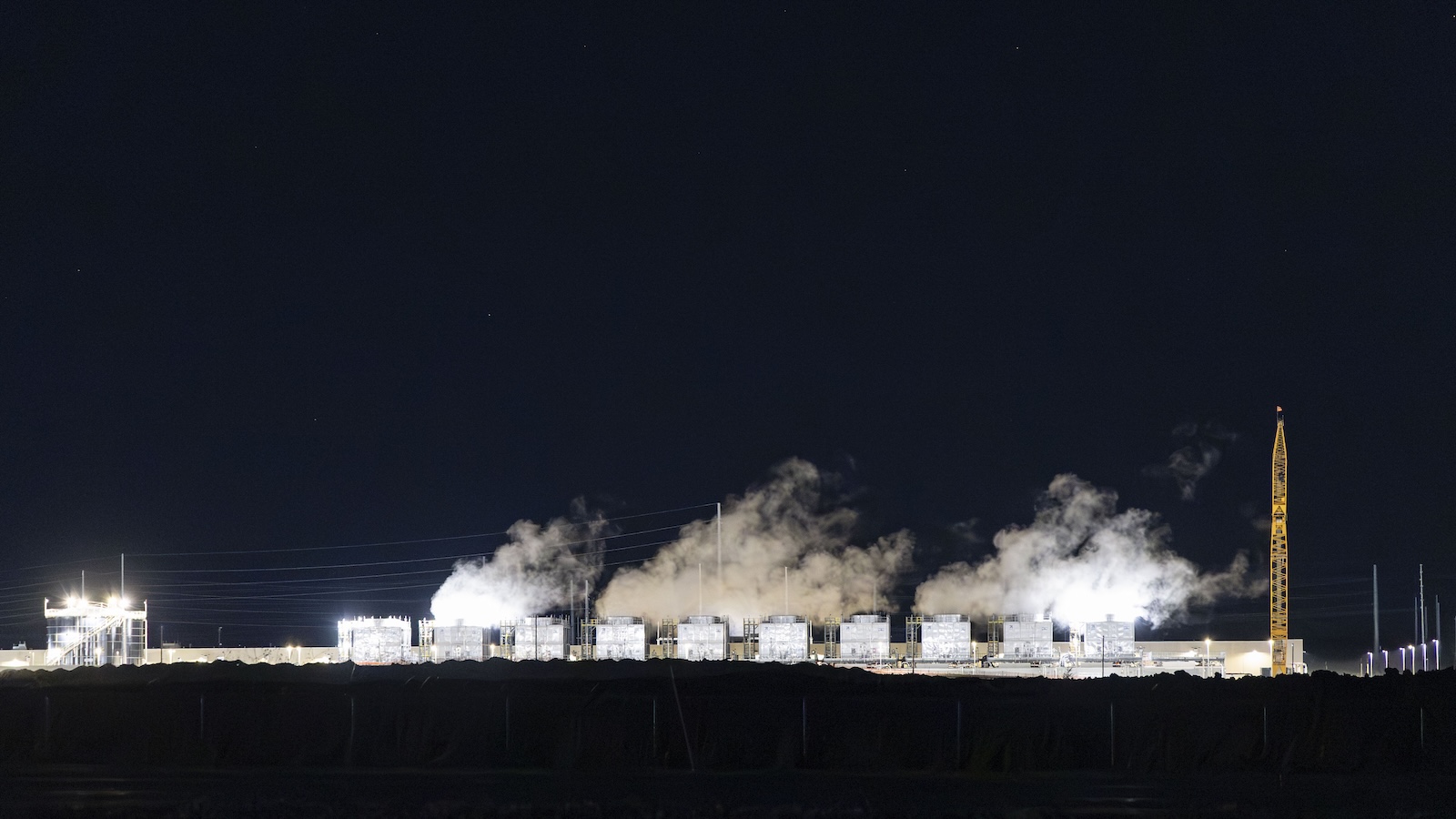
However, the industry is also facing a "NIMBY" (Not In My Backyard) problem. Grassroots movements in cities like San Marcos, Amarillo, and College Station have successfully pressured local officials to block or delay data center projects. Residents often cite concerns over noise from cooling fans, massive water consumption for hardware cooling, and the negligible number of long-term jobs created once construction is complete. A recent Quinnipiac poll indicated that 65 percent of Americans oppose the construction of data centers in their immediate communities.
Texas is not alone in this struggle. Virginia, which has long been the world’s largest data center hub, is currently debating whether to phase out its $1.6 billion annual tax break. Illinois recently suspended its version of the incentive due to concerns over rising energy costs for residential consumers. Michigan, Arizona, and Georgia are also reconsidering their positions as the AI boom forces a revaluation of what "economic development" looks like in the 21st century.
Fact-Based Analysis of Future Implications
If the Texas Legislature moves to repeal or limit the sales tax exemption in 2027, the implications will be felt across the global tech sector. Analysts suggest that the decision will hinge on a fundamental question: Are data centers coming to Texas because of the tax break, or because of the state’s "bedrock" advantages like cheap land and (historically) affordable energy?

Nathan Jensen, a professor at the University of Texas at Austin, argues that the state may have more leverage than it realizes. Even if a repeal caused half of the planned data centers to move elsewhere, taxing the remaining half at the full 6.25 percent rate would still result in a massive net gain for the state’s budget.
The upcoming interim hearings in July will serve as the first major battleground for this issue. Lawmakers will have to weigh the potential for a "tech exodus" against the reality of a $3.2 billion hole in the budget—a hole that is currently being filled by the sales taxes paid by everyday Texans on their groceries, clothes, and vehicles. As the AI boom continues to accelerate, the cost of doing nothing may soon become a price the Lone Star State is no longer willing to pay.