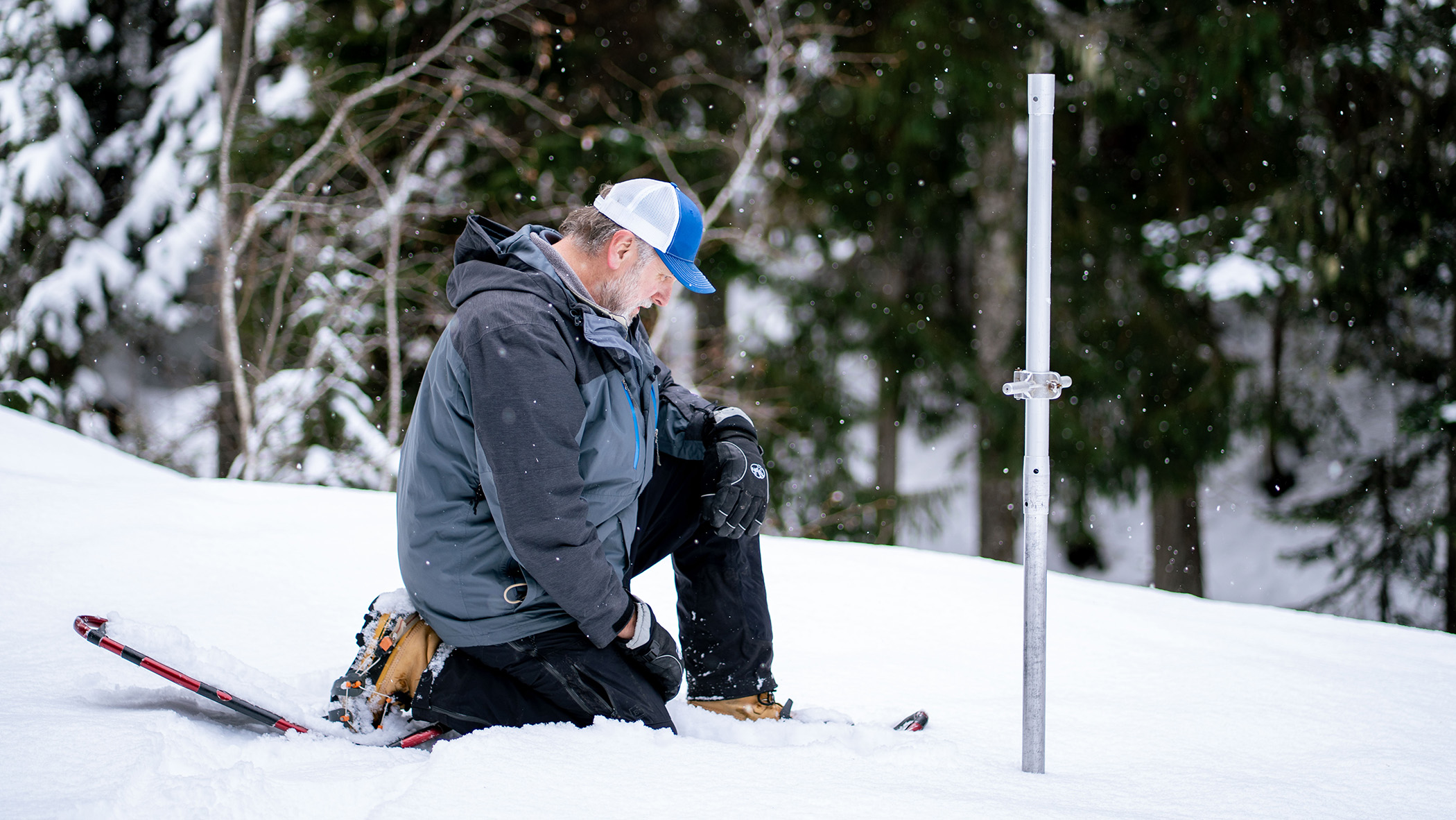
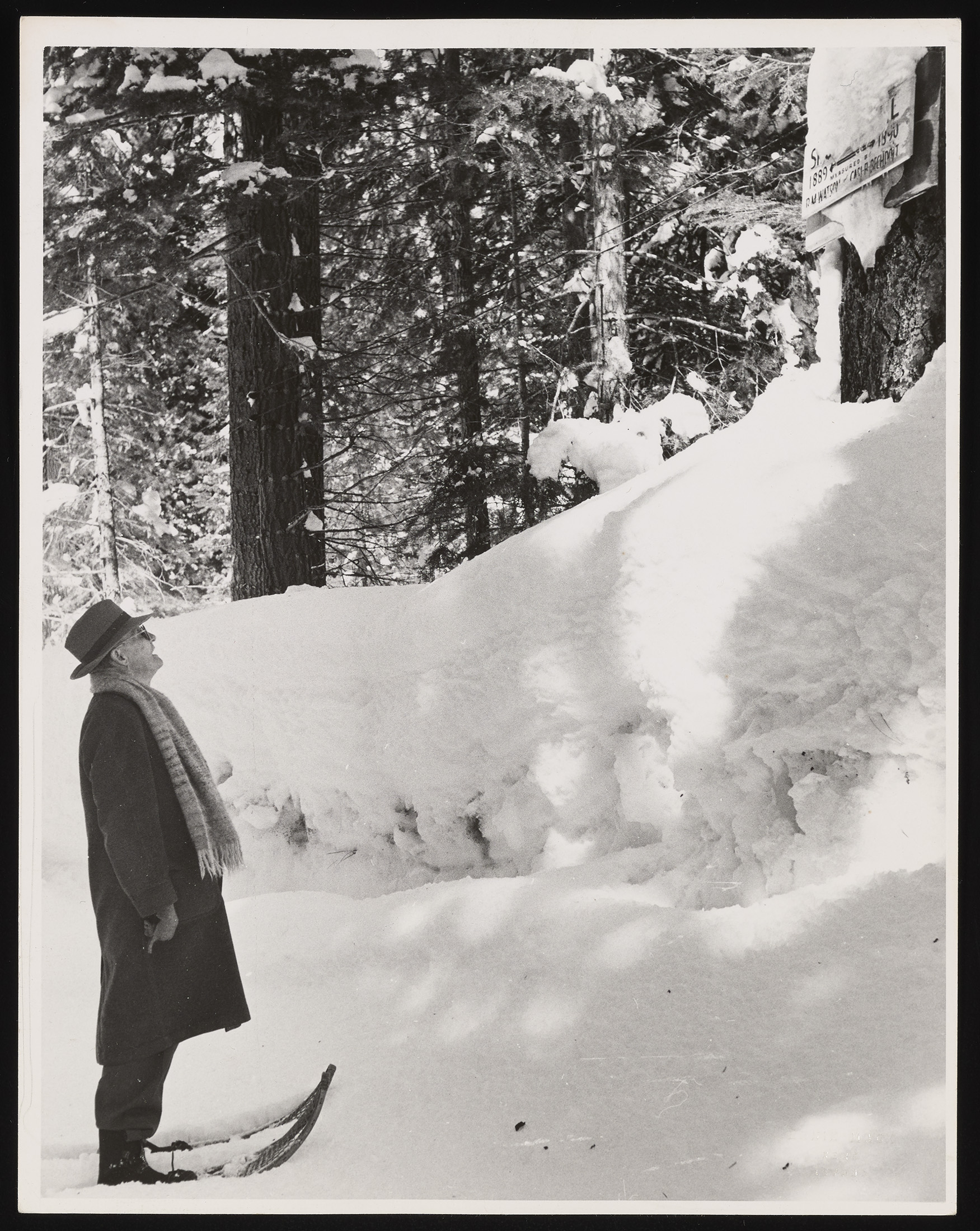
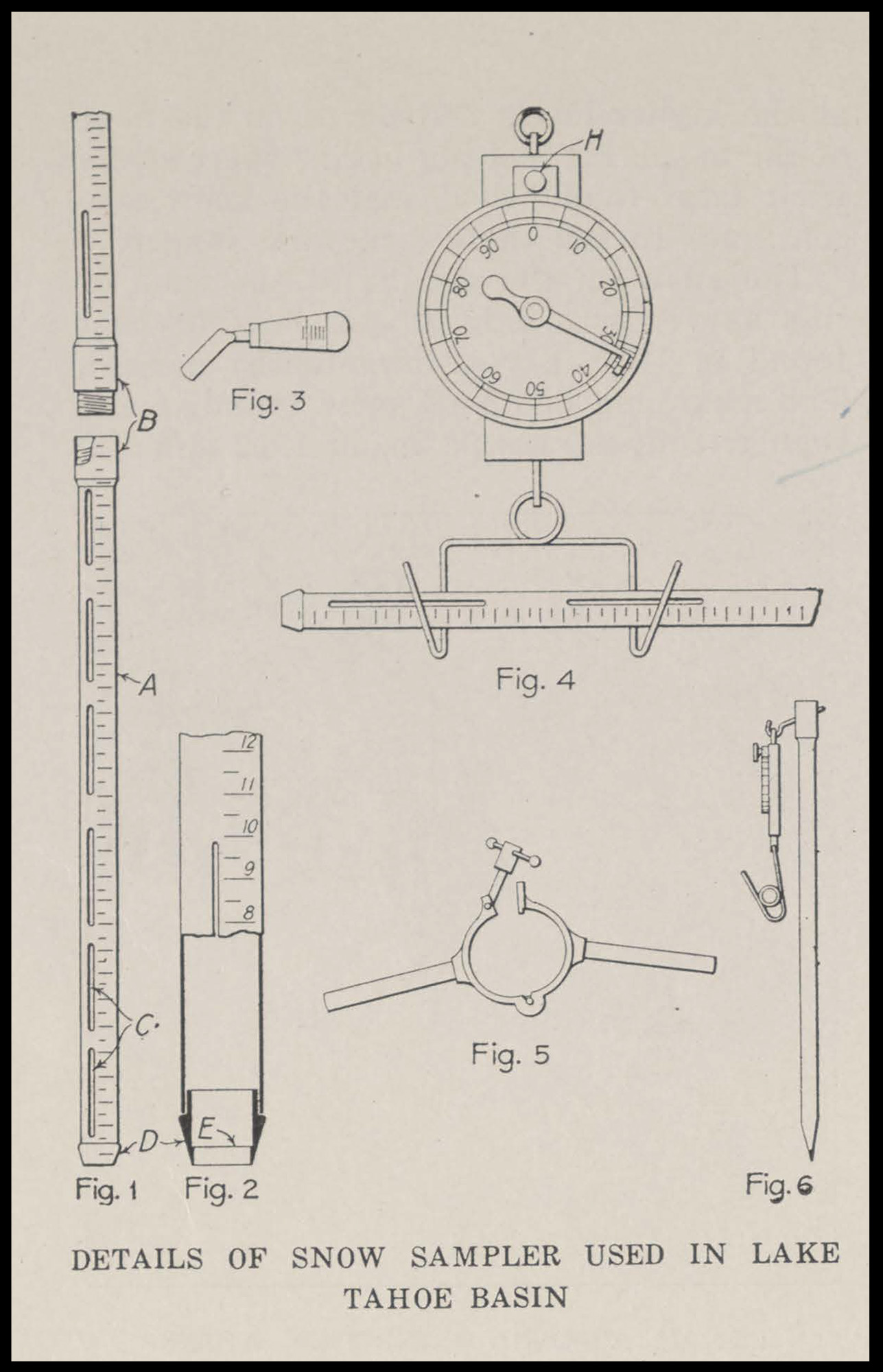
On a snowy February morning in the high reaches of Washington’s Cascade Mountains, Toby Rodgers, a hydrologist for the U.S. Department of Agriculture’s Natural Resources Conservation Service (NRCS), strapped on snowshoes to navigate a landscape defined by white silence. In his pack was a tool that appeared deceptively primitive: a long, hollow aluminum tube tipped with a sharp, serrated steel bit. This device, known as the Church Sampler, is a relic of early 20th-century engineering that remains the gold standard for water management in the 21st century. By driving the tube through the snowpack to the soil beneath and weighing the resulting core on a specialized spring scale, Rodgers performed a calculation that dictates the economic and environmental fate of the Western United States. The weight of that snow, regardless of its fluffiness or density, translates directly into the volume of water that will eventually flow into the rivers, lakes, and reservoirs downstream during the summer melt.
The simplicity of the Church Sampler belies its status as one of the most influential inventions in the history of drought prediction. As the American West grapples with a shifting climate and an increasingly volatile hydrological cycle, the data gathered by Rodgers and his colleagues across the region has never been more critical. The transition from a snow-dominated winter to a rain-dominated one is fundamentally altering the way water is managed, making the legacy of a classics professor from Reno, Nevada, more relevant than it was a century ago.
The Genesis of Snow Science: James Church and the Mount Rose Sampler
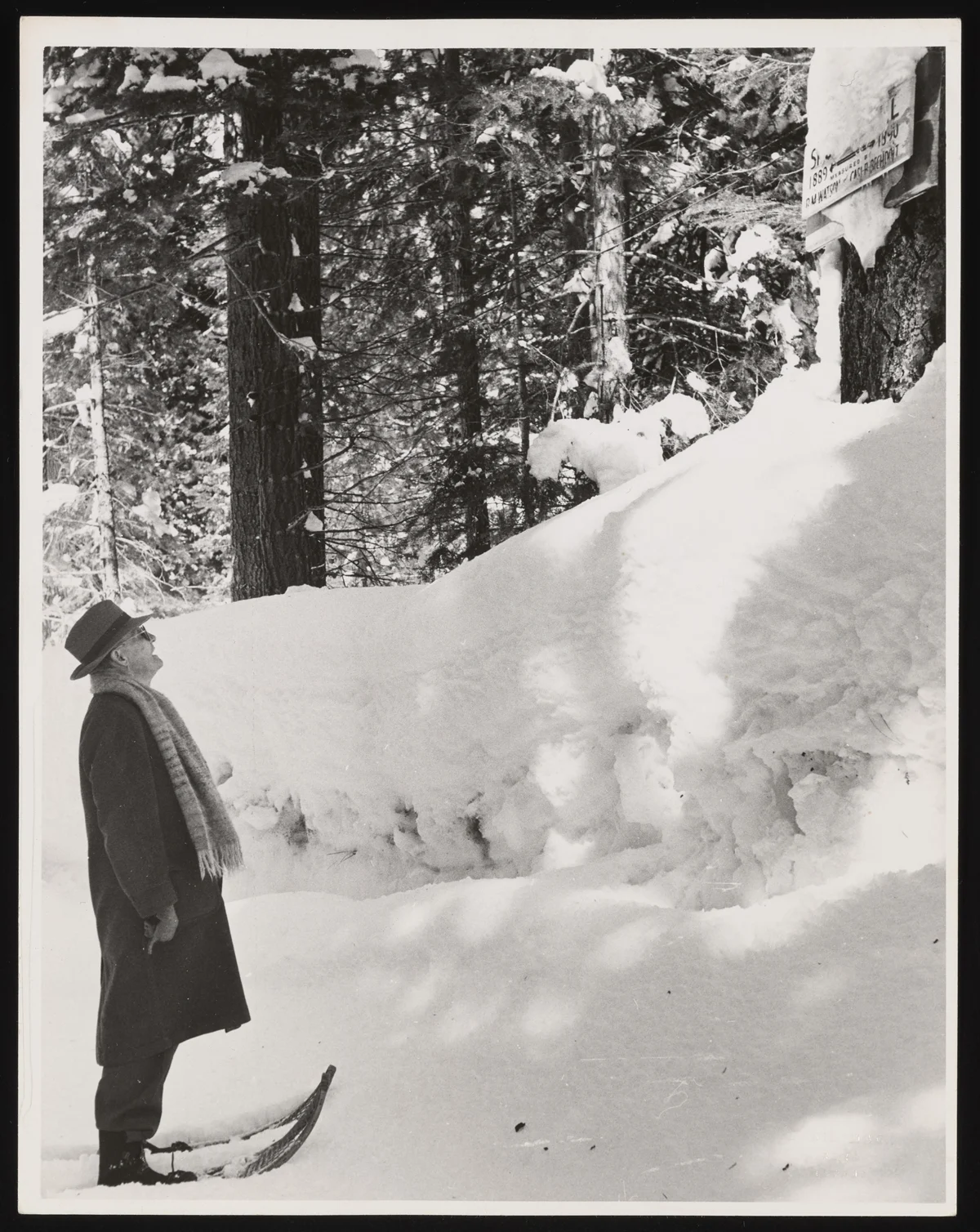
The history of snow science begins not with a meteorologist, but with a professor of Latin and Greek. James Church, often hailed as the "father of snow science," was a faculty member at the University of Nevada, Reno, in the early 1900s. An avid mountaineer and winter enthusiast, Church spent his leisure time exploring the rugged peaks of the Sierra Nevada. It was during these excursions that he observed a disconnect between the visual depth of snow and the actual amount of water it provided to the burgeoning communities below.
In the early 20th century, Reno and the surrounding agricultural valleys were entirely dependent on the Truckee River, which is fed by the snowmelt of the Lake Tahoe basin. As populations grew and industries expanded, conflicts over water rights—often referred to as the "Tahoe Water Wars"—became increasingly common. Farmers, power companies, and conservationists all vied for a share of a resource that no one could accurately quantify until it was already flowing through the gates.
Church realized that if he could measure the "Snow Water Equivalent" (SWE)—the amount of liquid water contained within a given volume of snow—he could provide a forecast for the coming season. He began experimenting with various designs for a sampling tool on Mount Rose, overlooking Lake Tahoe. The result was the Mount Rose Sampler, now universally known as the Church Sampler. By 1910, Church had established a series of "snow courses"—permanent locations where measurements were taken at the same spots every year to track trends over time. His method proved so accurate that it was soon adopted by states across the West and eventually integrated into a federal program.
The Mechanics of Measurement: Why Weight Matters
The brilliance of the Church Sampler lies in its reliance on physics rather than complex electronics. Snow varies wildly in density; a foot of "powder" might contain only an inch of water, while a foot of "Sierra Cement" (heavy, wet snow) might contain five or six inches. For water managers, depth is a secondary metric; weight is what matters.
When a hydrologist like Toby Rodgers drives the aluminum tube into the snow, the serrated bit cuts through ice crusts and compacted layers to capture a vertical profile of the entire winter’s accumulation. After clearing away the small plug of dirt at the bottom—often using a simple tool like a butter knife—the tube and its contents are weighed. Because the relationship between the weight of water and its volume is constant, the scale provides an immediate reading of how many inches of water are sitting on that specific acre of land.
This data point, when aggregated with thousands of others from across the Western states, allows the NRCS to produce the "Water Supply Outlook Report." These reports are the primary resource for irrigation districts, municipal water managers, and hydroelectric dam operators. They provide the lead time necessary to decide whether to hold water in reservoirs for a dry summer or release it early to prevent spring flooding.
The Evolution of the Federal-State Cooperative Snow Survey
Following James Church’s initial success, the importance of snow monitoring became a matter of national security and economic stability. In 1935, following the devastating "Dust Bowl" years, the United States Congress established the Federal-State Cooperative Snow Survey under the direction of the Bureau of Agricultural Engineering, which later moved to the Soil Conservation Service (now the NRCS).
Today, this network includes over 900 automated SNOTEL (Snow Telemetry) stations. These high-tech sites use pressure sensors—essentially large, fluid-filled pillows—to measure the weight of snow automatically and transmit data via meteor burst communications (bouncing radio signals off the trails of ionized gas left by meteors entering the Earth’s atmosphere).
Despite the sophistication of SNOTEL, manual sampling with the Church Sampler remains indispensable. Manual surveys are used to calibrate the automated sensors, provide data in wilderness areas where permanent structures are prohibited, and maintain the continuity of records that, in some locations, stretch back over a century. The human element ensures that anomalies—such as a fallen branch on a sensor or localized melting—are accounted for, maintaining the integrity of the long-term data set.
A Region in Flux: The Rise of the Snow Drought
The reliability of the historical snowpack is now being challenged by a warming climate. Snow science has entered a new, more urgent era as "snow droughts" become the new normal for the American West. A snow drought occurs when winter precipitation is either below average or, increasingly, when it falls as rain rather than snow.
In December 2025, the Pacific Northwest experienced a stark example of this phenomenon. A series of warm "atmospheric river" storms struck the Cascades. While the total precipitation was high, the freezing level rose far above the mountain passes. Instead of building the snowpack, the rain fell on existing snow, causing rapid melting and catastrophic runoff. At Stevens Pass, near where Rodgers performs his surveys, the resulting floods were powerful enough to wash away sections of Highway 2, closing a vital transportation artery for months.
This shift has profound implications for water storage. The mountain snowpack has historically acted as the West’s largest "natural reservoir," holding water in solid form until the heat of June and July releases it. When precipitation falls as rain in December, it bypasses this storage system, rushing into the Pacific Ocean or filling reservoirs to dangerous levels at a time when they should be empty to catch spring runoff.
Supporting Data: The 2026 Western Water Crisis
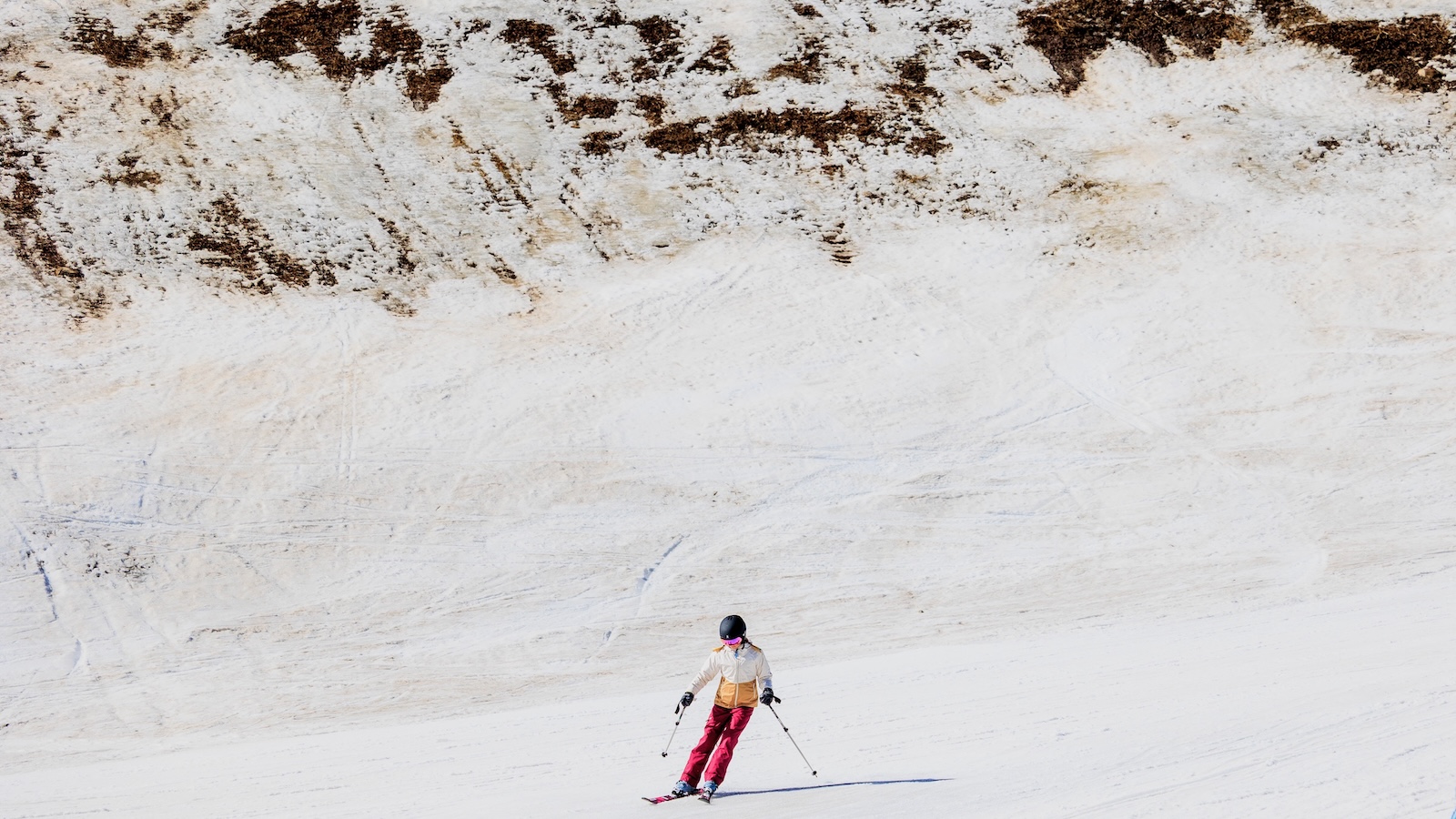
Data from the 2026 winter season highlights the severity of the current trend. As of April 1—the date traditionally considered the peak of the Western snowpack—monitoring stations across the region reported alarmingly low levels.
- Southwest and California: Some basins in the Sierra Nevada and the mountains of Arizona and New Mexico reported snow levels at just 17 percent of the historical average.
- The Pacific Northwest: Despite several high-precipitation events, the SWE in parts of the Cascades hovered between 60 and 75 percent of normal due to warmer-than-average temperatures.
- Long-term Projections: A 2021 review article published in Nature Reviews Earth & Environment warned that if current warming trends continue, the Western U.S. could see a 25 percent reduction in mountain snowpack within the next 25 years. By the end of the century, some low-to-mid-elevation sites could become entirely "snow-free" in the winter.
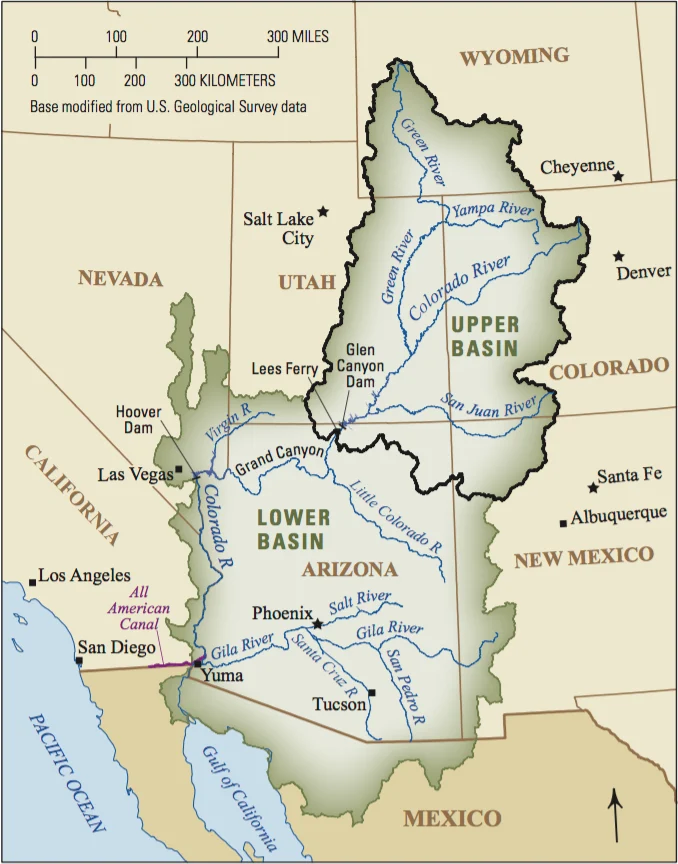
These statistics are not merely academic. They represent a looming crisis for the $50 billion agricultural industry in California’s Central Valley and the millions of residents in cities like Las Vegas, Phoenix, and Los Angeles who rely on the Colorado River—a system fed almost entirely by high-altitude snowmelt.
Broader Impact and Policy Implications
The data provided by the Church Sampler is now being integrated into broader climate adaptation strategies. Water managers are moving toward "Forecast-Informed Reservoir Operations" (FIRO), which uses real-time snow and weather data to adjust dam releases more dynamically. Instead of following rigid, calendar-based rules, managers can use the NRCS snow data to decide if it is safe to keep extra water in a reservoir to guard against a predicted summer drought.
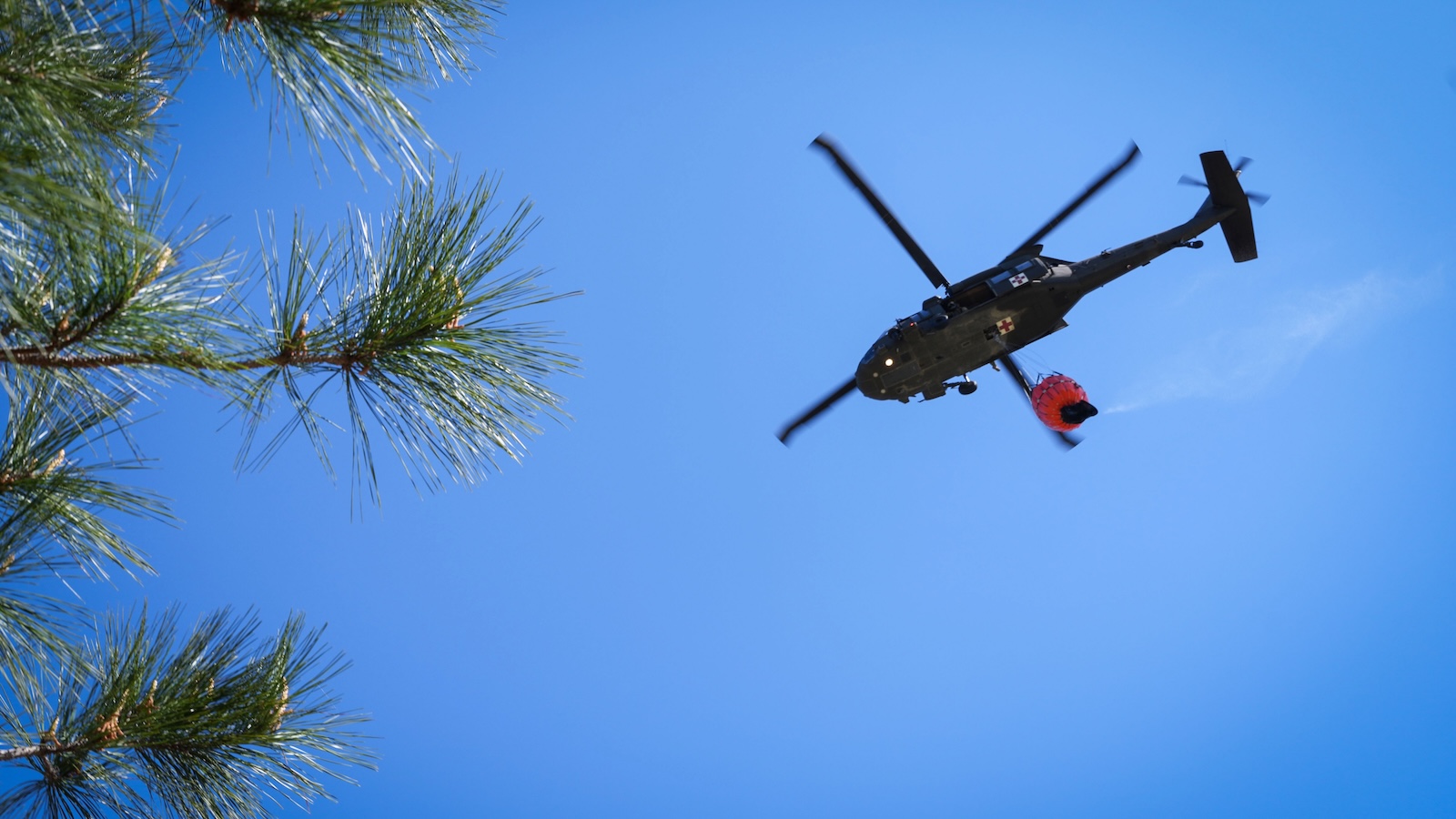
Furthermore, the "snow drought" is exacerbating the risk of wildfires. A diminished snowpack means that mountain soils and vegetation dry out weeks earlier than usual. The lack of moisture in the high country creates a tinderbox effect, leading to longer and more intense fire seasons that threaten both timber resources and rural communities.
In response, state and federal agencies are increasing funding for snow science, but the challenge remains the sheer speed of the change. "Some of the courses that were established a hundred-plus years ago used to get more consistent snowpack," Rodgers noted during his survey. "When we measure it now, we don’t know for sure what we’re going to find on the ground when we get there."
Conclusion: The Enduring Legacy of the Sampler
As the American West faces a future of increased hydrological uncertainty, the work of hydrologists like Toby Rodgers serves as a vital bridge between the past and the future. The Church Sampler, a simple aluminum tube born from a professor’s love for the mountains, remains an essential tool in the fight for water security. It provides the ground-truth data that satellites and computer models cannot always capture.
While technology will continue to evolve, the fundamental principle established by James Church remains unchanged: we cannot manage what we do not measure. In an era where every drop of water counts, the humble act of weighing a core of snow in a mountain field is a critical exercise in resilience, helping a thirsty region prepare for the dry months ahead. The "weight of winter" is no longer just a scientific metric; it is the baseline for survival in an increasingly arid West.