In an era defined by fluctuating energy costs and an urgent push toward decarbonization, an unassuming legislative move in Utah has ignited a nationwide conversation regarding energy independence and consumer rights. Utah State Representative Raymond Ward, a Republican from Bountiful, found the inspiration for a transformative piece of energy policy not in a domestic laboratory or a corporate boardroom, but in the pages of international news. While reading about the rapid adoption of "balcony solar" in Europe, Ward recognized a potential solution to the high barrier of entry for American households seeking to lower their utility bills. The resulting legislation, HB 340, has made Utah the first state in the nation to explicitly allow residents to plug solar systems directly into standard residential outlets, fundamentally altering the landscape of the American solar market.
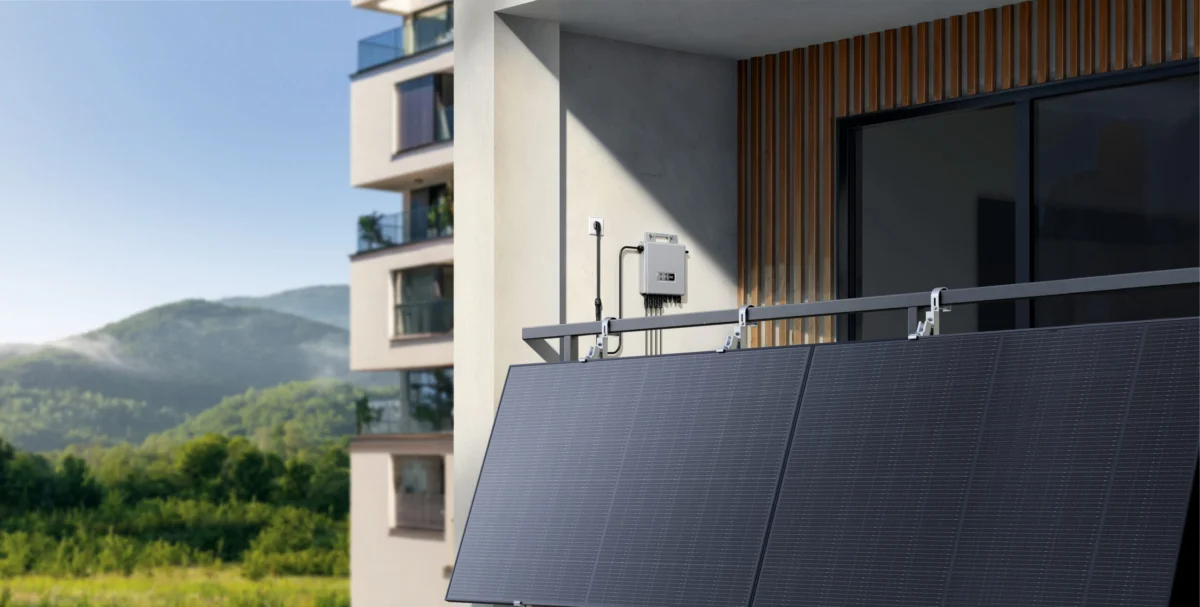
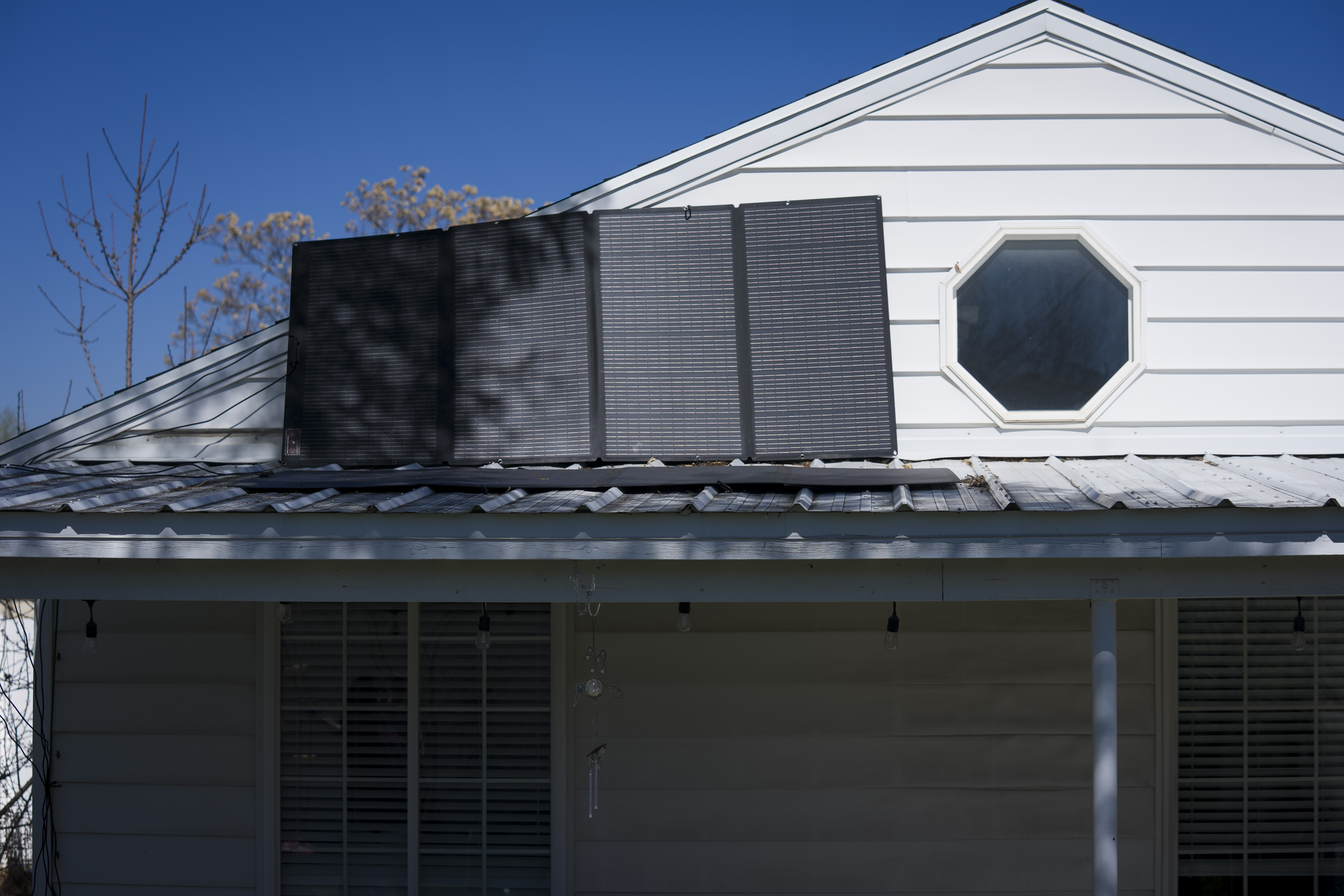
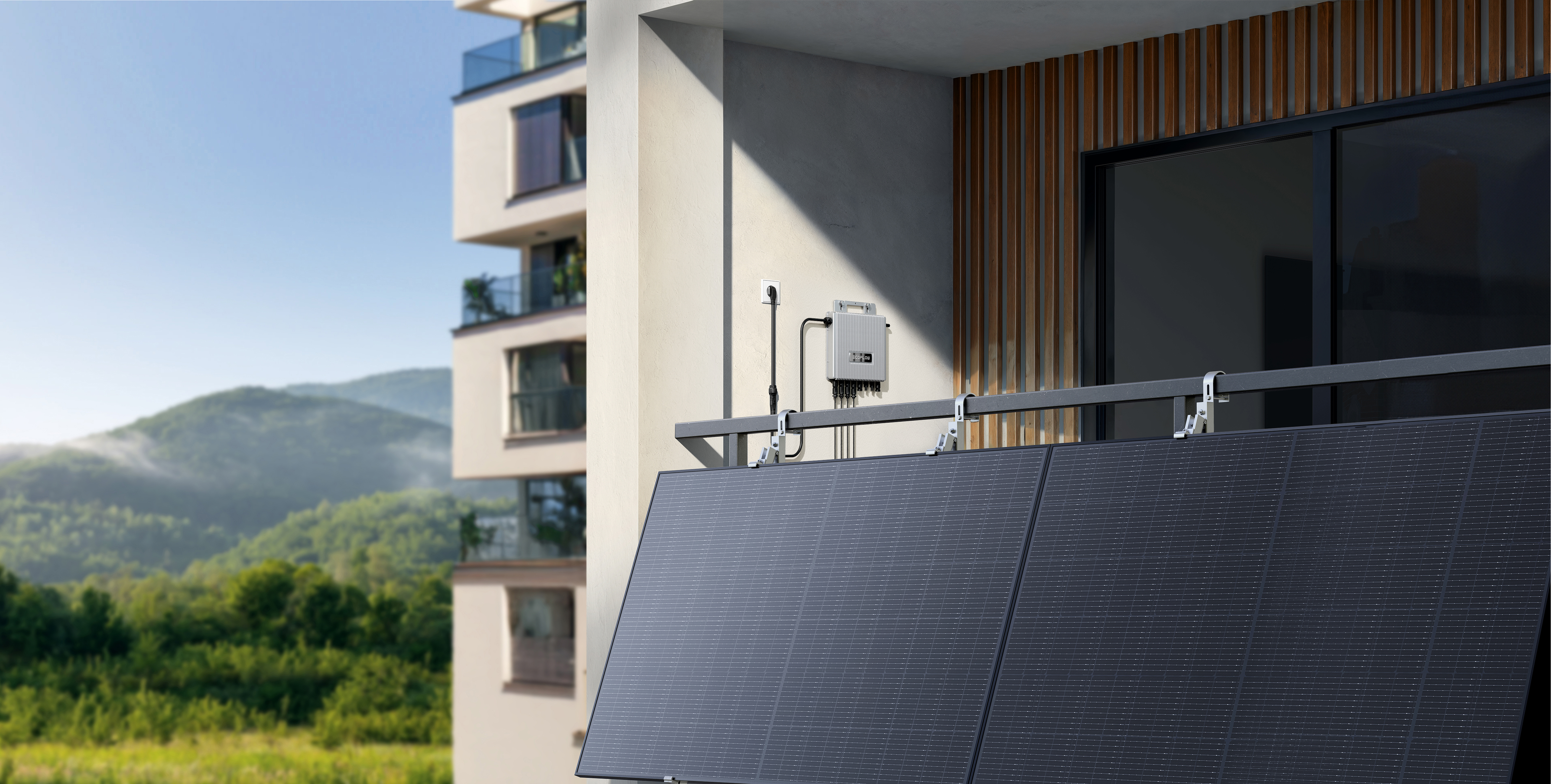
The technology at the heart of this movement is known as plug-in solar, or balcony solar. Unlike traditional rooftop solar installations, which frequently cost upwards of $30,000 and require permanent structural modifications, specialized permits, and professional electrical work, plug-in systems are designed for simplicity and portability. These kits typically consist of one or two solar panels, a micro-inverter, and a standard three-prong plug. By mounting the panels on a balcony railing, a patio, or a small yard space and plugging them into an existing outdoor outlet, residents can generate electricity that flows directly into the home’s internal wiring, powering appliances and reducing the amount of energy drawn from the public grid.
The German Blueprint and the Global Context
The surge of interest in the United States mirrors a massive trend currently sweeping through Europe, particularly Germany. In the wake of Russia’s invasion of Ukraine and the subsequent energy crisis that gripped the continent, German citizens looked for ways to insulate themselves from skyrocketing electricity prices. The German government facilitated this by streamlining regulations for small-scale solar devices. By mid-2024, balcony solar installations had added nearly 10 percent more solar capacity to the German grid in just a few months.
Representative Ward noted that the physics of electricity are universal. If the technology could safely provide relief to European households, there was no reason it could not be adapted for American infrastructure. The success in Germany demonstrated that decentralized, consumer-led energy production could provide a significant buffer for the grid during times of high demand. For Ward, the appeal was rooted in the conservative values of self-reliance and cost-efficiency. "It’s great for anyone who wants a little solar power but does not want to pay $30,000 for a roof install," he remarked, emphasizing that the technology democratizes access to clean energy for renters and middle-income families who were previously priced out of the market.
A Legislative Wave Across the United States
Utah’s passage of HB 340 with unanimous, bipartisan support in 2024 served as a catalyst for other states. According to Bright Saver, a lobbying group dedicated to plug-in solar advocacy, 30 additional states and the District of Columbia have since drafted or introduced similar legislation. The rapid spread of these bills suggests a growing consensus that the regulatory hurdles surrounding small-scale solar are ripe for reform.
The timeline of adoption is accelerating. Earlier this month, the Governor of Maine signed a similar bill into law, while Virginia’s legislature has sent a plug-in solar bill to the governor’s desk for a final signature. In states like Colorado and Maryland, legislation has cleared both chambers of the statehouse. Meanwhile, Hawaii, New Hampshire, New Jersey, Oklahoma, and Vermont have seen bills pass at least one chamber. This momentum indicates a rare moment of cross-partisan agreement on energy policy, as lawmakers recognize the dual benefits of reducing consumer costs and increasing grid resilience.
Cora Stryker, co-founder of the California-based nonprofit Bright Saver, credited Utah with breaking the "regulatory seal" on the technology. She described the move as a "common-sense, no-brainer" that aligns with the modern consumer’s desire for "plug-and-play" solutions.
Technical Challenges and the Physics of the Grid
Despite the legislative enthusiasm, the transition to plug-in solar is not without technical and regulatory complexities. The primary challenge lies in the fact that the modern electrical grid was designed for a one-way flow of energy: from centralized power plants to individual homes. Plug-in solar flips this model on its head. When a solar panel pushes electricity into a home’s outlet, it is sending power "upstream" through the house’s internal wiring.
This reversal of flow raises significant safety concerns for utility providers. One of the most critical issues is "islanding." If a utility line is damaged or switched off for maintenance, line workers must be certain that the wire is de-energized. If thousands of balcony solar systems continue to push electricity back into the grid during a blackout, it could create a "live" wire that poses a lethal threat to repair crews.
Rocky Mountain Power, Utah’s largest utility provider, collaborated with Representative Ward to ensure the bill included safeguards, though the company officially took a neutral stance on the legislation. A spokesperson for the utility emphasized that while the company supports renewable energy, it remains concerned about uncertified products entering the market. "We remain concerned that some products… may not meet the requirements of the bill, potentially creating electrical hazards for utility workers," the company stated.
The Role of Underwriters Laboratories (UL)
To address these safety concerns, Utah’s law specifically mandated the involvement of Underwriters Laboratories (UL), a global leader in safety science. UL is responsible for developing the rigorous testing standards that allow consumer products to bear the "UL" mark, a symbol of safety and reliability found on everything from toasters to industrial machinery.

Kenneth Boyce, vice president of engineering for UL, admitted to being surprised when his company was named in the Utah legislation, but he noted that the organization has worked quickly to meet the challenge. Over the summer and fall of 2024, UL researchers conducted extensive testing to ensure that plug-in systems would not cause circuit breakers to malfunction or interfere with Ground Fault Circuit Interrupter (GFCI) outlets, which are common in kitchens and outdoor spaces.
In November 2024, UL issued a white paper outlining the product-level requirements for plug-in solar systems. While no complete systems have received the UL certification as of early 2025, Boyce expects the first certified products to hit the U.S. market within months or even weeks. This certification is the "missing link" that will allow major big-box retailers to stock these items alongside other household appliances.
Economic Implications and Consumer Costs
The economic appeal of plug-in solar is clear when compared to traditional solar models. Current market leaders like EcoFlow offer inverters—the device that converts the DC power from the panels into the AC power used by the home—for approximately $300. A full kit, including panels and a battery for energy storage, can range from $1,200 to $2,500.
While these systems are capped at 1,200 watts under Utah law—meaning they cannot power an entire household or large appliances like central air conditioning—they are capable of offsetting a meaningful portion of a home’s "baseload" power. This includes the electricity used by refrigerators, computers, lights, and standby electronics. Early adopters, such as Utah-based YouTube personality JerryRigEverything, have reported savings of approximately one dollar per day. While this may seem modest, it represents a significant percentage of a monthly bill for many households, especially as energy prices are projected to rise.
Josh Craft, director of government relations for Utah Clean Energy, noted that the rise of artificial intelligence and the proliferation of data centers are expected to put unprecedented strain on the electrical grid. As utilities invest in new infrastructure to meet this demand, those costs are often passed on to consumers. Small-scale solar provides a way for individuals to hedge against these rising costs.
Looking Ahead: A New Market for Clean Energy
The timing of the plug-in solar movement is particularly noteworthy given the shifting political climate in Washington. With potential changes to federal subsidies for large-scale wind and solar projects, the emphasis may shift toward state-led and consumer-driven initiatives. Utah’s model suggests that renewable energy growth does not always require massive government grants; sometimes, it simply requires removing the regulatory barriers that prevent consumers from utilizing existing technology.
Furthermore, plug-in solar addresses a long-standing inequity in the green energy transition. Traditionally, the benefits of solar energy were reserved for those who owned their homes and had the financial capital to invest in permanent systems. Plug-in solar is inherently portable; if a renter moves to a new apartment, they can simply unplug their panels and take them to their next residence.
As more states follow Utah’s lead, the industry expects a surge in innovation. Manufacturers are already exploring "smart" inverters that can communicate with home energy management systems to optimize power usage. The 1,200-watt cap established in Utah may also be revisited as the technology proves its safety and reliability over time.
For Representative Raymond Ward, the success of HB 340 is a testament to the power of looking abroad for solutions to local problems. By adapting a European trend to the American context, Utah has provided a blueprint for the rest of the country. As the "UL" stamp begins to appear on retail shelves, the dream of affordable, accessible, and portable solar power is moving closer to reality for millions of Americans. The experiment that started in a Salt Lake City legislative chamber is now a national movement, proving that sometimes, the most revolutionary changes come in the simplest packages. In the words of Ward, observing the rapid adoption of his idea across state lines: "Heck yeah."