

The environmental movement in the United States is undergoing a fundamental rhetorical and strategic transformation, shifting away from broad ideological frameworks toward a localized, pocketbook-focused philosophy known as "green economic populism." Eight years ago, the "Green New Deal" emerged as a dominant cultural and political force—a phrase that served as both a popular slogan and a comprehensive political philosophy. Inspired by the public works projects of the 1930s, the Green New Deal sought to fuse job creation, social justice, and climate action through massive public investment. While the movement successfully influenced the 2020 Democratic platform and paved the way for the Inflation Reduction Act (IRA), the subsequent political volatility and the eventual dismantling of federal climate protections have forced progressives to return to the drawing board. On Wednesday, the Climate and Community Institute (CCI), a left-leaning think tank, unveiled a "working-class climate agenda" that signals a definitive move toward prioritizing immediate economic relief as the primary vehicle for environmental progress.
The Evolution of Climate Policy: From Ambition to Retrenchment
The trajectory of American climate policy over the last decade has been defined by high-water marks followed by significant political ebits. In 2018 and 2019, the Green New Deal, championed by figures such as Representative Alexandria Ocasio-Cortez and Senator Ed Markey, captured the public imagination. It moved rapidly from protest signs to the halls of power, forcing mainstream political figures, including then-candidate Joe Biden, to adopt more aggressive climate stances. This momentum eventually culminated in the Inflation Reduction Act of 2022, a historic package of green tax credits and incentives designed to stimulate a private-sector transition to clean energy.
However, the durability of these gains proved fragile. Following a shift in the executive branch and the subsequent dismantling of the IRA’s core provisions during the second Trump administration, the climate movement found itself in a period of soul-searching. Critics within the party questioned whether the focus on "climate change" as a standalone issue was alienating voters who were more concerned with the immediate pressures of inflation and stagnant wages. The new agenda released by the Climate and Community Institute represents the movement’s answer to this dilemma: a strategy that frames climate action not as an environmental necessity alone, but as a direct solution to the cost-of-living crisis.
Defining Green Economic Populism
Green economic populism is defined by its architects as a framework that provides tangible relief for the working class through policies that simultaneously reduce carbon emissions. Unlike previous iterations of climate policy that relied heavily on market mechanisms or consumer incentives, this new agenda emphasizes regulation, public services, and price controls.
The agenda includes several provocative measures designed to impact the daily expenses of average Americans:
- Home Insurance Rate Caps: Addressing the skyrocketing cost of premiums in states vulnerable to climate disasters.
- Utility Shutoff Bans: Ensuring that access to energy is treated as a human right, particularly during extreme weather events.
- Free Public Transit: Reducing transportation costs for workers while lowering the carbon footprint of urban commutes.
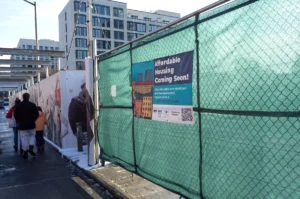
- Rent Caps and Affordable Housing: Framing housing density and affordability as climate solutions that reduce the need for long, car-dependent commutes.
- Moratoriums on Data Centers: Regulating the massive energy consumption of the tech industry to prevent spikes in local utility rates.
Patrick Bigger, the research director at the Climate and Community Institute, notes that while the movement remains inspired by the Green New Deal, the political and economic landscape has shifted. "We recognize that we’re in a radically different place, politically, socially, economically now than we were eight years ago," Bigger stated. The goal is to move beyond "carrots" for corporations and toward "shields" for consumers.
The Economic Data: Connecting Climate to the Wallet
The shift toward affordability is backed by a growing body of economic data suggesting that climate change is already a major driver of household inflation. While voters consistently rank "paying the bills" as their top concern, many are unaware of the degree to which environmental degradation impacts those bills.
A 2023 analysis by the Brookings Institution found that the indirect effects of a warming world—including the health costs associated with wildfire smoke and the infrastructure damage from flooding—cost the average American household between $219 and $571 annually. Furthermore, the phenomenon of "heatflation"—where extreme temperatures diminish agricultural harvests—has been linked to rising food prices globally.

The energy sector provides the most direct link. Dependence on global fossil fuel markets leaves American consumers vulnerable to geopolitical shocks. Daniel Aldana Cohen, a sociologist at the University of California, Berkeley, and founding co-director of the CCI, argues that the current conflict in Iran and its impact on fuel prices creates a unique opening for this populist message. "Fossil fuels are unreliable. They drive up your cost of living. They cause wars and people die," Cohen said. The argument is that a green transition is the only path to long-term price stability for working people.
Regional Successes as a Blueprint
The "working-class climate agenda" is not merely theoretical; it draws inspiration from recent municipal political victories. In New York City, Zohran Mamdani’s mayoral campaign utilized a populist platform focused on public power and transit affordability to build a broad coalition. Similarly, in Seattle, Mayor Katie Wilson won on a platform that explicitly linked housing affordability to climate goals.
Wilson has been a vocal proponent of the idea that rent control and urban density are environmental imperatives. In Seattle, transportation remains the leading source of carbon emissions. "When you build affordable housing in the city near where people work… that is what enables people to not drive a car an hour to get to work each day," Wilson explained. By framing the "right to live near work" as a climate policy, proponents hope to build a more durable political base than the one that supported the technocratic incentives of the Inflation Reduction Act.
Skepticism and Strategic Critiques
Despite the enthusiasm from progressives, the agenda faces significant criticism from both the center-left and policy pragmatists. Emily Becker, director of communications for the climate and energy program at Third Way, described the plan as "Biden on steroids," suggesting it may lack the political fortitude to survive in a divided government. Becker argues that the agenda is "stranded" between the visionary imagination of the original Green New Deal and the legislative pragmatism of the IRA. She suggests that clean energy advocates should focus on the inherent affordability of renewables rather than introducing complex populist regulations like rent caps.
Other analysts worry that the narrow focus on individual bills might obscure the need for systemic investment. Advait Arun, an energy policy analyst at the Center for Public Enterprise, expressed concern that by pitching people on how a heat pump might cut an electric bill, advocates might lose sight of the "larger changes needed to reduce price spikes" or the massive recovery costs associated with weather disasters. Arun suggests that focusing too much on the individual "wallet" could limit the public’s imagination regarding the scale of state-led economic development required to truly stabilize the climate.
Furthermore, there is the issue of public trust. Grace Adcox, a senior climate strategist at Data for Progress, points out that while 70 percent of voters believe economic policy can lower both costs and emissions, there is a deep-seated skepticism regarding institutional delivery. Voters often ask, "How can you assure me that I’m not going to be paying the cost down the line?" For a populist climate agenda to succeed, it must overcome a decade of cynicism regarding government-led infrastructure projects.
Chronology of the American Climate Movement (2016–Present)
- 2016–2018: The "Green New Deal" slogan gains traction within activist circles (Sunrise Movement) and is officially introduced to Congress by Rep. Ocasio-Cortez and Sen. Markey.
- 2020: Climate policy becomes a central pillar of the Democratic presidential primary, with candidates competing to offer the most aggressive investment plans.
- 2022: The Inflation Reduction Act (IRA) is signed into law, representing the largest climate investment in U.S. history, though it is criticized by some progressives for its reliance on private-sector incentives.
- 2024–2025: Political shifts lead to the dismantling of federal climate mandates and the repeal of significant portions of the IRA, leading to a period of "climate soul-searching" within the Democratic party.
- Present Day: The Climate and Community Institute releases the "working-class climate agenda," formalizing the pivot toward green economic populism and affordability.
Implications for the 2026 Midterms and Beyond
As the 2026 midterm elections approach, the "green economic populism" framework is expected to serve as a litmus test for progressive candidates. By moving away from carbon taxes and cap-and-trade systems—which Patrick Bigger describes as "not politically tenable right now" due to their potential to pass costs to consumers—the movement is betting that a "benefits-first" approach will resonate with an exhausted electorate.
The success of this strategy will likely depend on whether advocates can successfully "connect the dots" between global environmental phenomena and local economic pain. If the movement can convince the public that a heat pump is a tool for financial independence and that a rent cap is a tool for clean air, they may build a coalition that is resilient to the cyclical nature of American federal politics. For now, the architects of the plan view green economic populism as their "North Star," orienting the movement toward a future where the survival of the planet and the survival of the household budget are seen as one and the same.








Leave a Reply