As the world grapples with the accelerating impacts of climate change, a profound disconnect has emerged between the halls of international justice and the reality on the ground for Indigenous communities. At the United Nations Permanent Forum on Indigenous Issues (UNPFII) this week in New York, a central, urgent question dominated the discourse: What mechanisms are required to compel sovereign states to comply with international court rulings that mandate climate action and the protection of Indigenous territories?
The forum opened against a backdrop of escalating environmental crises. In the Pacific, Indigenous nations are navigating a new era of "super-storms" fueled by unprecedented ocean warming. In the Amazon basin, critical mineral extraction is encroaching further into ancestral lands, often with the legislative backing of national governments. Meanwhile, in the Andean highlands of Ecuador, oil extraction continues unabated in defiance of judicial prohibitions. For the Indigenous leaders, legal experts, and human rights advocates gathered at the UN, these developments represent a systemic failure of the international legal order to bridge the gap between "green justice" and industrial exploitation.
The Landmark Rulings of 2023 and 2024
The current tension is rooted in a series of historic, yet non-binding, legal victories. In 2023, the International Court of Justice (ICJ)—the highest judicial organ of the United Nations—issued a landmark advisory opinion. The court asserted that state governments contributing significantly to climate change must be held accountable for the resulting harm, particularly concerning small island developing states and future generations.
This was followed closely in the summer of 2024 by a sweeping decision from the Inter-American Court of Human Rights. The regional body called on governments across the Americas to drastically reduce fossil fuel emissions and, crucially, to integrate Indigenous traditional knowledge into the core of national climate policies. These rulings were hailed as turning points, providing a legal roadmap for climate reparations and the recognition of Indigenous stewardship.
However, as Luisa Castañeda-Quintana, executive director of the advocacy group Land is Life, noted during Monday’s session, the transition from legal theory to state practice has been fraught. “This is a moment of opportunity. These advisory opinions are not symbolic; they are instruments of power,” Castañeda-Quintana told a room of hundreds of advocates. “They can and must be used to strengthen Indigenous peoples’ advocacy at every level. But to do so, Indigenous peoples must claim them, integrate them into the rights narratives, and take them into every space where their futures are being decided.”
The Ecuadorian Paradox: Constitutional Rights vs. Industrial Reality
Ecuador serves as perhaps the most poignant case study of the "implementation gap." In 2008, Ecuador became the first nation in the world to codify the "Rights of Nature" within its constitution, granting ecosystems the legal right to exist, persist, and regenerate. Despite this pioneering legal framework, the domestic reality remains one of intense conflict.
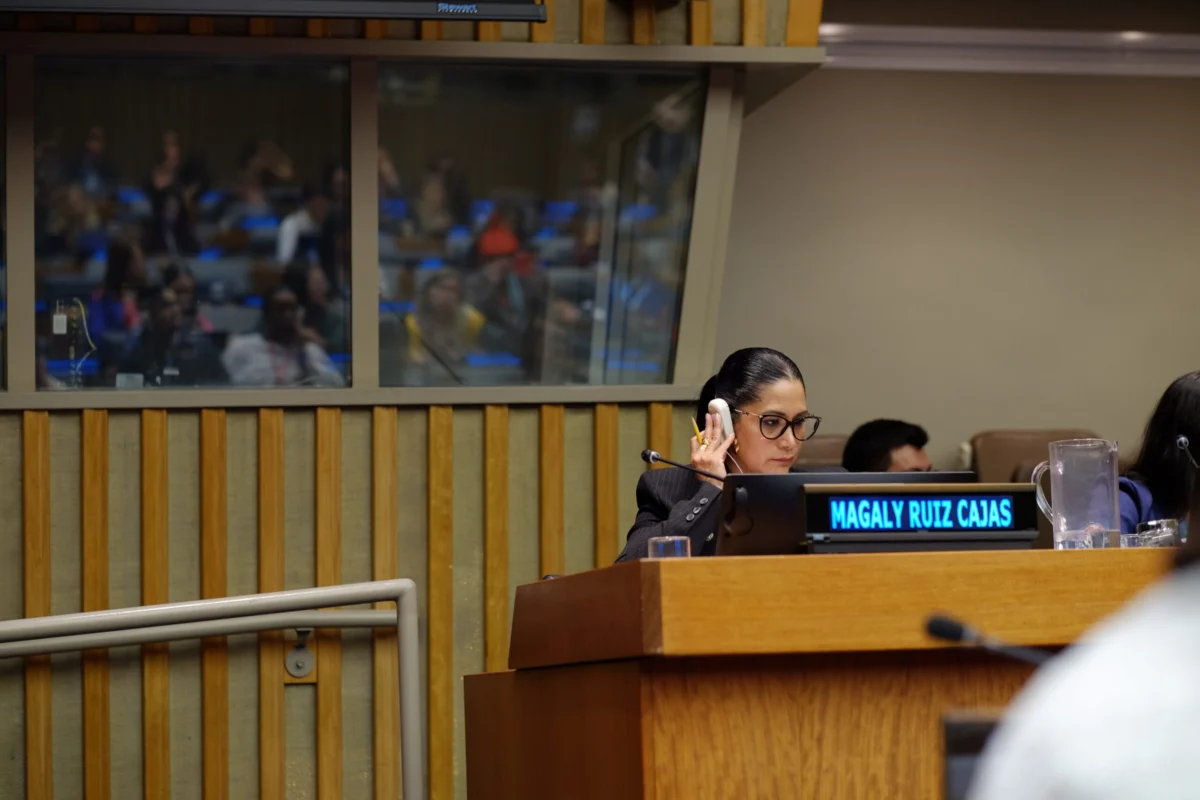
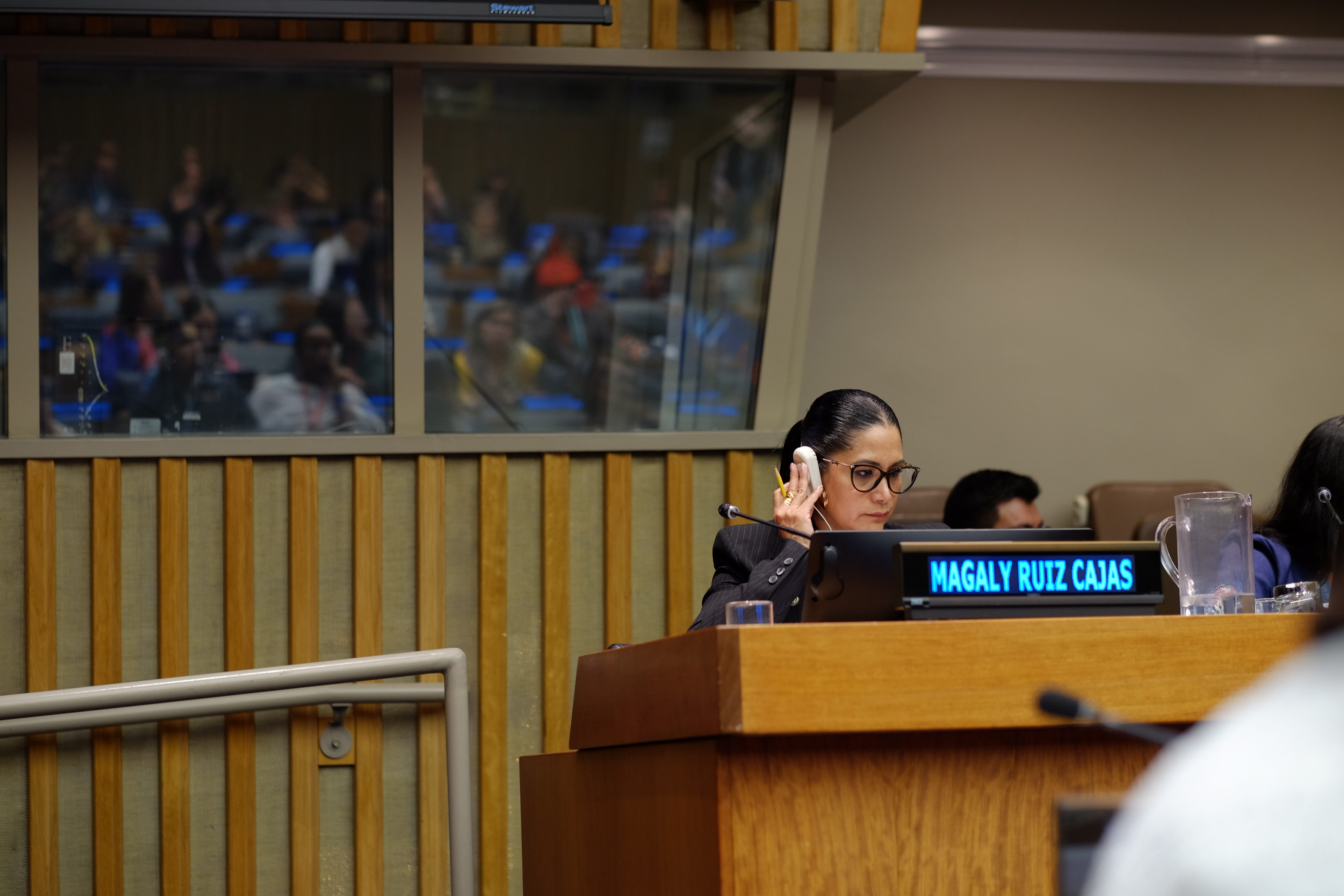
Magaly Ruiz Cajas, a member of Ecuador’s Judiciary Council, emphasized during the forum that under Ecuadorian law, "green justice is not an option; it is an obligation." She cited the 2011 Vilcabamba River case, where the court ruled in favor of the river’s right to flow unimpeded by road construction debris, as a precedent for the country’s judicial potential.
Yet, Indigenous leaders argue that the executive and legislative branches of the government frequently bypass these judicial protections. Juan Bay, president of the Waorani Nation of Ecuador, informed the forum that the state is failing to comply with both international and national laws intended to protect Indigenous peoples living in voluntary isolation. He pointed to the continued operation of oil wells in sensitive regions as being "incompatible with climate action and with the rights of Indigenous peoples."
The situation turned more volatile in February 2026, when the Ecuadorian legislature passed a reform package designed to accelerate mining investments. The law significantly weakened environmental impact assessment requirements, a move that Indigenous organizations claim was made without the constitutionally mandated "prior and informed consent." This legislative shift has been accompanied by a rise in violence; according to data from Global Witness and local NGOs, land defenders in the Amazon have faced increased rates of persecution, with several high-profile killings of Indigenous activists reported over the last year.
A Regional Pattern of Non-Compliance
The struggle in Ecuador is not an isolated phenomenon. Albert Kwokwo Barume, the U.N. Special Rapporteur on Indigenous Peoples, highlighted a pervasive trend across Latin America and the Caribbean. In a comprehensive report released late last year, Barume described the region as a "paradox" of legal sophistication and practical failure.
“The contributions reveal strong legal frameworks that coexist with persistent failures in implementation,” Barume wrote. “Even favorable court rulings are undermined by poor enforcement and lack of consultation.”
This failure is often attributed to the economic pressure on developing nations to exploit "critical minerals"—such as lithium, copper, and cobalt—required for the global transition to renewable energy. Indigenous lands frequently sit atop these deposits, leading to a new form of "green colonialism" where the global North’s decarbonization comes at the expense of Indigenous sovereignty in the global South.
Geopolitical Resistance and the Role of Major Powers
The push for international enforcement has also met stiff resistance from established global powers. Earlier this year, the nation of Vanuatu, supported by a coalition of fifteen other states, introduced a U.N. resolution aimed at operationalizing the ICJ’s advisory opinion. The resolution calls for a mandatory phase-out of fossil fuels and the establishment of a robust climate reparations fund.
The response from the United States was swift and critical. The administration of President Donald Trump issued a directive to U.S. embassies worldwide, characterizing the resolution as "disturbing" and a "charade." U.S. diplomats were urged to pressure Vanuatu to withdraw the proposal, arguing that it infringed upon national sovereignty and disrupted global energy markets. Despite this pressure, Vanuatu has refused to back down, though the final vote in the General Assembly has been delayed until May 2026 to allow for further negotiations.
Joie Chowdury, an attorney at the Center for International Environmental Law (CIEL), argued that the legal clarity provided by the ICJ cannot be ignored indefinitely. “The ruling gave states clear obligations to address climate change,” she said. “It remains important to translate that legal clarity now into action. The law is there; the political will is what is missing.”
Human Rights and the Climate Frontier in the North
While much of the discussion focused on the Global South, Indigenous representatives from Northern Ontario, Canada, reminded the forum that the "implementation gap" is a global issue. In the spring of 2026, communities such as the Attawapiskat First Nation and Kashechewan First Nation faced devastating, climate-driven flooding that necessitated large-scale evacuations and led to the contamination of local water supplies.
Ryan Fleming, representing the Attawapiskat First Nation, argued that these environmental disasters are inextricably linked to Canada’s failure to honor its historical treaty obligations. “We’re in 2026 right now, and we have Indigenous communities living in a poverty state,” Fleming said. “And it is not just an implementation gap. This becomes a human rights issue.”
The intersection of climate change and treaty rights is becoming a focal point for litigation in Canada and other Commonwealth nations. In Aotearoa New Zealand, Janell Dymus-Kurei of the National Iwi Chairs Forum Pou Tikanga spoke about the increasing frequency of extreme weather events impacting Māori lands. She argued that while Māori communities have developed sophisticated climate adaptation strategies, they lack the necessary state support and legal recognition to implement them at scale. “We’re just not really making the most of those international mechanisms,” Dymus-Kurei said, calling for a more aggressive use of international forums to hold domestic governments accountable.
Analysis: The Future of Indigenous Climate Litigation
The proceedings at the UNPFII suggest a shift in strategy for Indigenous movements. Rather than seeking new declarations, the focus has moved toward the "enforcement of existing rights." The legal momentum continues to build elsewhere; for instance, the African Court on Human and Peoples’ Rights is currently deliberating on a case regarding state obligations toward climate-induced displacement—a ruling that could set a vital precedent for millions of people across the continent.
The path forward, according to forum participants, involves a multi-pronged approach:
- Strategic Litigation: Using international advisory opinions as the basis for domestic lawsuits to halt industrial projects.
- Economic Pressure: Targeting the financing of projects that violate Indigenous rights by invoking the "Social and Governance" (ESG) standards of international banks.
- Direct Diplomacy: Bypassing national governments to work directly with international bodies and the "Green Climate Fund" to secure direct funding for Indigenous-led conservation.
As the forum concludes, the message from the world’s Indigenous leaders is clear: the era of symbolic gestures is over. The survival of their cultures and the stability of the global climate now depend on whether the "instruments of power" provided by international courts can finally be sharpened into effective tools for change. For Ryan Fleming and many others, the UNPFII is more than a talking shop; it is a vital pressure point. “We understand the importance of leveraging these international mechanisms,” he said. “If the law says we have the right to a future, we intend to see that law enforced.”