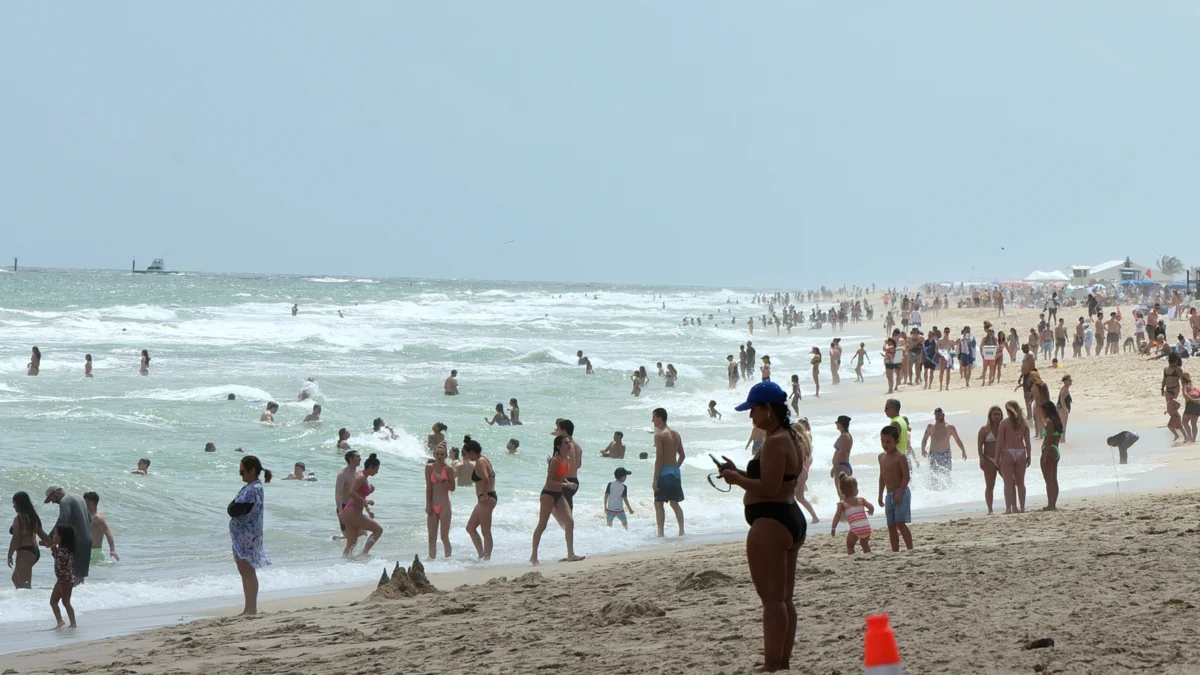
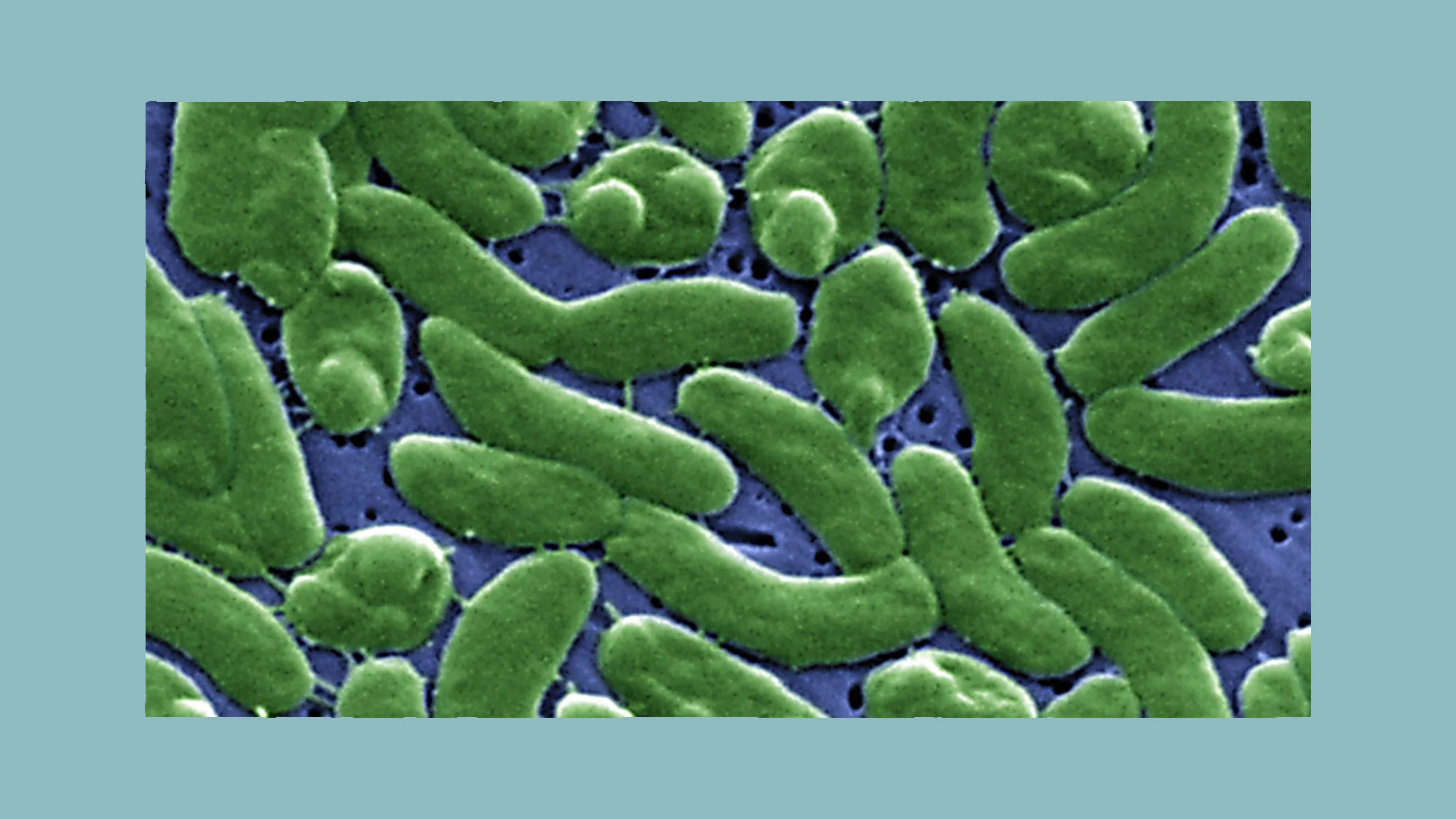
As global sea temperatures reach record highs, a microscopic inhabitant of the world’s coastal waters is emerging as a significant public health challenge. Vibrio, a genus of bacteria that has existed for hundreds of millions of years, is no longer confined to the tropical waters where it historically thrived. Today, these pathogens are expanding their geographic footprint, moving farther north along the Atlantic and Pacific coasts and posing an increasing risk to swimmers, fishers, and seafood consumers alike. While the majority of the more than 70 identified species of Vibrio are harmless to humans, a handful of virulent strains—most notably Vibrio vulnificus and Vibrio parahaemolyticus—are responsible for tens of thousands of illnesses and a small but steady number of fatalities in the United States every year.
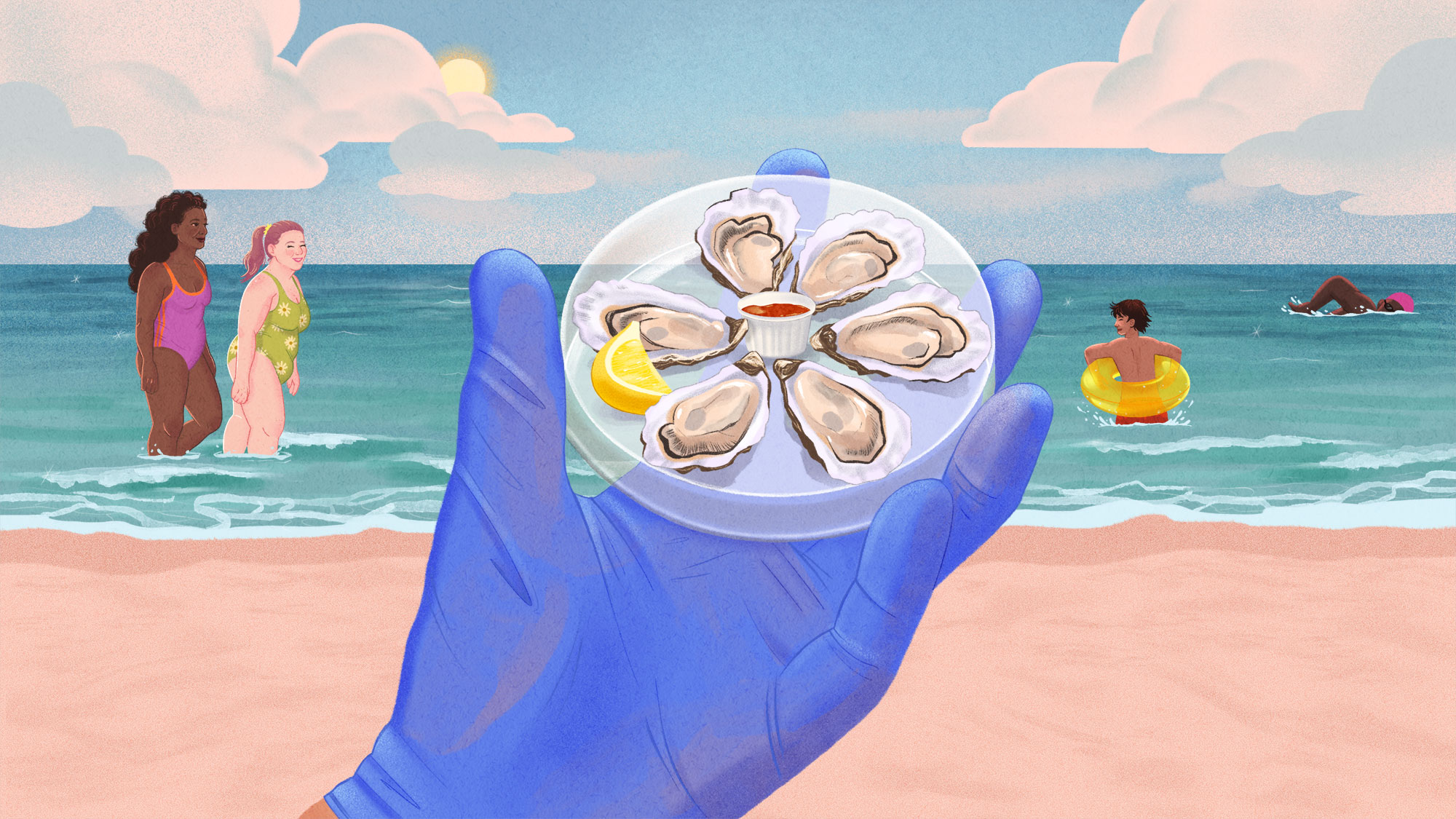
The threat posed by Vibrio is unique due to its dual transmission pathways: ingestion and skin exposure. The bacteria thrive in warm, brackish environments—mixtures of fresh and saltwater found in estuaries, bays, and lagoons. They frequently attach themselves to the shells of crustaceans or the tissues of bivalves like clams and oysters. Because these organisms are filter feeders, they concentrate the bacteria within their bodies, creating a high-risk scenario for humans who consume them raw. Alternatively, Vibrio can enter the human body through the smallest of openings in the skin. A microscopic cut, a fresh tattoo, or a recent surgical incision can serve as a gateway for the bacteria to enter the bloodstream, where, in the case of certain species, they can cause rapid tissue destruction and life-threatening sepsis.
The Biological Profile: Distinguishing Between Species
To understand the public health implications of Vibrio, it is essential to distinguish between the various strains that affect humans. According to the Centers for Disease Control and Prevention (CDC), the most common cause of vibriosis in the United States is Vibrio parahaemolyticus. This strain is primarily associated with the consumption of raw or undercooked shellfish. It typically manifests as a severe case of gastroenteritis, characterized by watery diarrhea, abdominal cramps, nausea, vomiting, fever, and chills. While debilitating, most cases of V. parahaemolyticus are self-limiting, with healthy individuals recovering within three to five days without long-term complications.
In stark contrast stands Vibrio vulnificus, often sensationally referred to in popular media as "flesh-eating bacteria." While the term is technically a misnomer—the bacteria do not consume the flesh but rather release toxins that cause necrotizing fasciitis (the death of soft tissue)—the results are no less devastating. V. vulnificus is rare compared to other strains, but it is exceptionally lethal. It is responsible for the vast majority of the approximately 100 Vibrio-related deaths reported in the U.S. annually. For those who contract a bloodstream infection from V. vulnificus, the fatality rate ranges from 15 to 50 percent. In many cases, death can occur within 24 to 48 hours of exposure if aggressive medical intervention, including intravenous antibiotics and often surgical debridement or amputation, is not initiated immediately.
A Chronology of Risk: From Seasonal Patterns to Extreme Weather Events
Historically, Vibrio infections have followed a predictable seasonal cycle. The bacteria remain largely dormant or exist in low concentrations during the winter months, beginning to multiply rapidly when water temperatures exceed 60 degrees Fahrenheit (15 degrees Celsius). Consequently, the peak window for infections in the Northern Hemisphere spans from May through October. During these months, coastal states—particularly those bordering the Gulf of Mexico and the southern Atlantic—see a marked uptick in reported cases.
However, the chronology of Vibrio risk has been disrupted in recent years by the increasing frequency and intensity of extreme weather events. Hurricanes and tropical storms create the "perfect storm" for Vibrio outbreaks. As heavy rainfall pushes freshwater into coastal areas and storm surges pull saltwater inland, the resulting brackish floodwaters provide an ideal medium for bacterial proliferation.
A notable example occurred in 2024 following Hurricanes Helene and Milton. In the aftermath of these storms, Florida experienced a significant spike in vibriosis cases. Displaced coastal residents and recovery workers were forced to wade through stagnant, contaminated water, often with minor abrasions or wounds sustained during the storms. This exposure led to a surge in infections that overwhelmed local health departments. The timeline of these outbreaks demonstrates that Vibrio is not just a food safety issue but a critical component of disaster response and emergency management.
Supporting Data: Mapping the Reach of Vibriosis
Data from the CDC and various state health departments paint a sobering picture of the bacteria’s prevalence. It is estimated that 80,000 people in the United States contract vibriosis every year. Of these, approximately 52,000 are believed to be caused by eating contaminated food. Because many people with mild gastroenteritis do not seek medical attention or are not tested specifically for Vibrio, experts believe the actual number of cases may be significantly higher than official reports suggest.
Florida remains the national epicenter for the bacteria. The state’s unique geography, characterized by extensive coastline and warm shallow lagoons like the Indian River Lagoon, makes it a perennial hotspot. Roughly 20 percent of Florida’s cases originate in the Indian River Lagoon region, a popular destination for boating, fishing, and kayaking. Beyond the Southeast, however, the data shows a northward migration. In the last decade, Vibrio cases have been reported with increasing frequency in the Chesapeake Bay, the New York Harbor, and even as far north as the Gulf of Maine—waters that were once considered too cold to support significant bacterial colonies.
The Role of Climate Change: A Marine Warning Signal
The expansion of Vibrio is one of the most visible biological indicators of climate change. The world’s oceans have absorbed more than 90 percent of the excess heat trapped by greenhouse gas emissions, leading to a steady rise in sea surface temperatures. As the "thermal envelope" for Vibrio expands, so too does the window of time during which the bacteria are active. In some regions, the Vibrio season has extended by several weeks, beginning earlier in the spring and lingering later into the autumn.
Climate change also affects salinity levels in coastal waterways. Increased frequency of heavy rainfall events can lower the salinity of estuaries, creating the slightly salty conditions in which Vibrio thrives. Conversely, rising sea levels can push saltwater further upstream into freshwater rivers, creating new brackish habitats for the bacteria. Scientists view Vibrio as a "sentinel species"—an organism whose presence and behavior provide early warnings about the health and changing conditions of the marine environment. Its proliferation suggests a fundamental shift in coastal ecosystems that could have cascading effects on other marine life and human industries.
Scientific Innovation and the University of Maryland Model
In response to the growing threat, the scientific community is leveraging advanced technology to predict and mitigate risks. A pioneering team of microbiologists and data scientists at the University of Maryland has developed a predictive computer model designed to forecast Vibrio risk levels in coastal counties.
The model utilizes a sophisticated blend of historical health data and real-time satellite imagery. By analyzing CDC records of foodborne and waterborne illnesses from 1997 to 2019 alongside satellite data measuring water temperature, salinity, and chlorophyll levels (which indicate the presence of the plankton Vibrio feeds on), the team can identify high-risk areas up to a month in advance.
This model proved remarkably effective during the 2024 hurricane season. More than 80 percent of the vibriosis cases reported in Florida following Hurricanes Helene and Milton occurred in counties that the University of Maryland model had already flagged as high-risk. Such tools are becoming essential for public health officials, allowing them to issue targeted warnings and advisories to the public before outbreaks occur.
Official Responses and Public Health Precautions
Public health agencies, including the CDC and the Food and Drug Administration (FDA), have intensified their efforts to educate the public on Vibrio safety. The primary message from health officials is one of precaution rather than panic. For the general population, the risk of a life-threatening infection remains low, but for certain vulnerable groups, the danger is acute.
Individuals with compromised immune systems, chronic liver disease, diabetes, or cancer are at a much higher risk of developing severe complications from V. vulnificus. For these individuals, medical professionals offer several critical recommendations:
- Avoid Raw Shellfish: The most effective way to prevent foodborne vibriosis is to ensure that oysters, clams, and mussels are cooked to an internal temperature of 145 degrees Fahrenheit.
- Cover Wounds: Anyone with an open cut, scrape, or recent tattoo should avoid entering brackish or saltwater. If exposure is unavoidable, the wound should be covered with a waterproof bandage.
- Post-Exposure Hygiene: If a wound comes into contact with coastal water, it should be washed immediately and thoroughly with soap and fresh water.
- Monitor Symptoms: If a wound shows signs of spreading redness, swelling, or extreme pain, or if an individual develops a fever after water exposure, they should seek emergency medical care immediately.
Broader Implications: Economy, Tourism, and the Future
The rise of Vibrio carries significant economic and social implications. The seafood industry, particularly the oyster trade, is worth billions of dollars globally. Repeated outbreaks or high-profile fatalities linked to raw shellfish consumption can erode consumer confidence and devastate local economies that depend on aquaculture. In response, many shellfish harvesters are implementing stricter "time-to-temperature" controls, ensuring that oysters are chilled immediately after being pulled from the water to inhibit bacterial growth.
Furthermore, coastal tourism—a cornerstone of the economy in states like Florida, South Carolina, and Texas—faces a branding challenge. The "flesh-eating" narrative, while rare in reality, can deter tourists from visiting beaches and participating in water-based recreation. Ensuring public safety while maintaining the vibrancy of coastal communities requires a delicate balance of transparent communication and robust environmental monitoring.
As the planet continues to warm, the interaction between humans and Vibrio will likely become more frequent. The bacteria serve as a stark reminder of the interconnectedness of human health and environmental health. While scientific advancements in modeling and medicine provide a defense against the pathogen, the long-term management of Vibrio will depend on our ability to monitor changing ocean conditions and adapt our behaviors to a more volatile marine landscape. The microscopic ancient bacteria, once a hidden resident of the sea, has now become a prominent character in the story of a changing world.