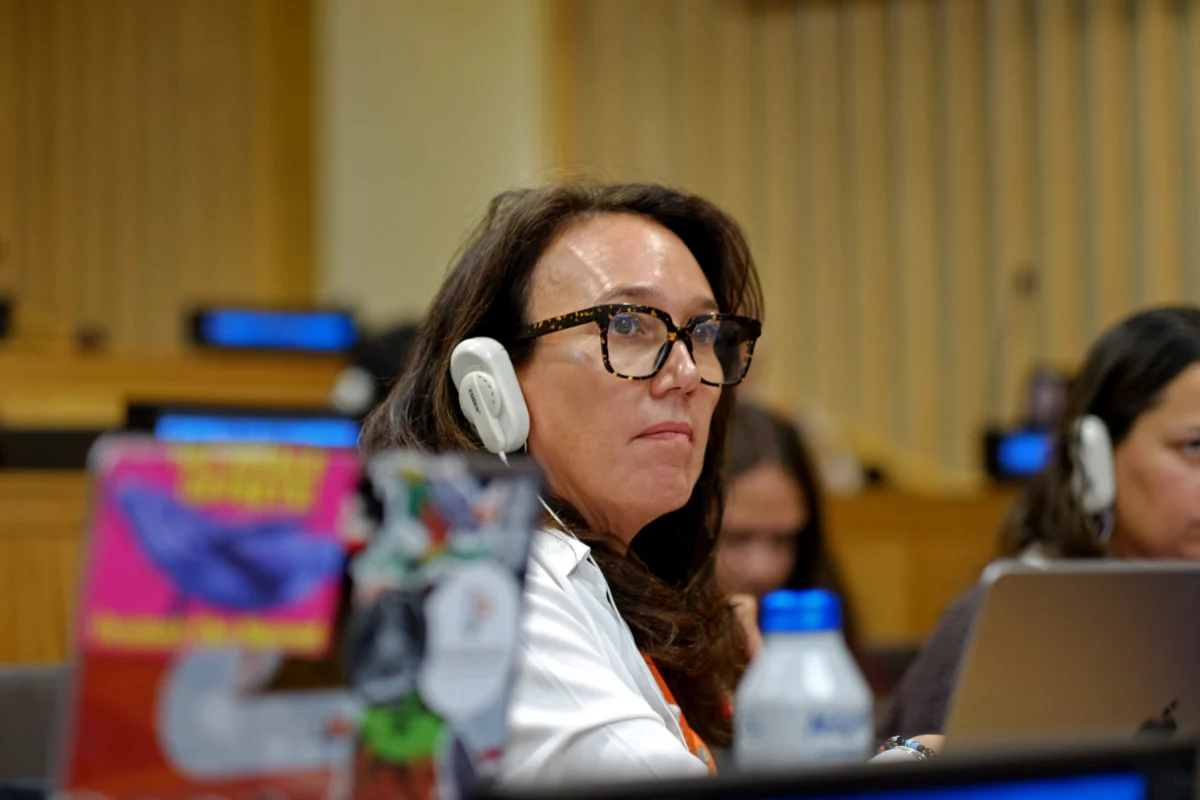
The 25th session of the United Nations Permanent Forum on Indigenous Issues (UNPFII) convened this week in New York, serving as a stark reminder that the struggle for Indigenous survival has expanded from the physical battlegrounds of ancestral territories into the complex, unregulated frontiers of the digital world. Indigenous leaders, human rights advocates, and legal experts gathered to address an escalating multi-dimensional crisis: the disproportionate killing of land defenders, the unauthorized scraping of traditional knowledge by Artificial Intelligence (AI), and the persistent, systemic violence against Indigenous women. Under the overarching theme of "Ensuring Indigenous Peoples’ Health in the context of conflict," the forum highlighted how modern geopolitical and technological shifts are creating new vectors of marginalization for the world’s estimated 500 million Indigenous people.
The Lethal Cost of Environmental Stewardship
The physical safety of Indigenous land defenders remains the most immediate and visceral concern addressed by the forum. According to data from Front Line Defenders cited during the sessions, 2023 was a devastating year for human rights activists. While Indigenous peoples make up only five percent of the global population, they accounted for 31 percent of all human rights defenders killed worldwide. This statistical disparity underscores a grim reality: protecting the environment and asserting land rights is one of the most dangerous occupations on earth.
Albert K. Barume, the UN Special Rapporteur on the rights of Indigenous Peoples, opened the Wednesday session with a sobering assessment of the situation. He noted that many Indigenous leaders currently live in a state of perpetual peril—either facing arrest, living in hiding, or falling victim to extrajudicial killings. The root cause, Barume argued, is the systemic failure of nation-states to provide legal protection for Indigenous territories. When land is not legally recognized as belonging to its ancestral inhabitants, it becomes a target for extractive industries, including mining, logging, and large-scale agriculture.
The forum emphasized that this violence is not limited to any one region but is a global phenomenon. In the Sahel region of north-central Africa, militant jihadist groups have expanded their influence, targeting the pastoral sectors that are vital to the well-being of local Indigenous communities. Hindou Oumarou Ibrahim, a member of the Mbororo community and former chair of the forum, detailed how the convergence of conflict and climate change is depriving families of access to water and land, leading to a loss of life that spans generations.
Criminalization and State-Sponsored Suppression in North America
While Latin America and Africa often see the highest rates of fatal violence, the forum also turned its lens toward North America, where the "criminalization" of Indigenous resistance has taken a more bureaucratic but equally stifling form. In Canada and the United States, Indigenous leaders reported that legal systems are increasingly being weaponized to suppress opposition to resource development.
Judy Wilson, a Secwépemc elder representing the British Columbia Native Women’s Association, highlighted how rapid resource development in Canada prioritizes economic gain over Indigenous sovereignty. She pointed to the proliferation of "man camps"—temporary housing for industrial workers—as a direct contributor to the crisis of Missing and Murdered Indigenous Women and Girls (MMIWG). Furthermore, the use of surveillance, strategic lawsuits against public participation (SLAPP), and the detention of land defenders have become standard tools for silencing dissent.
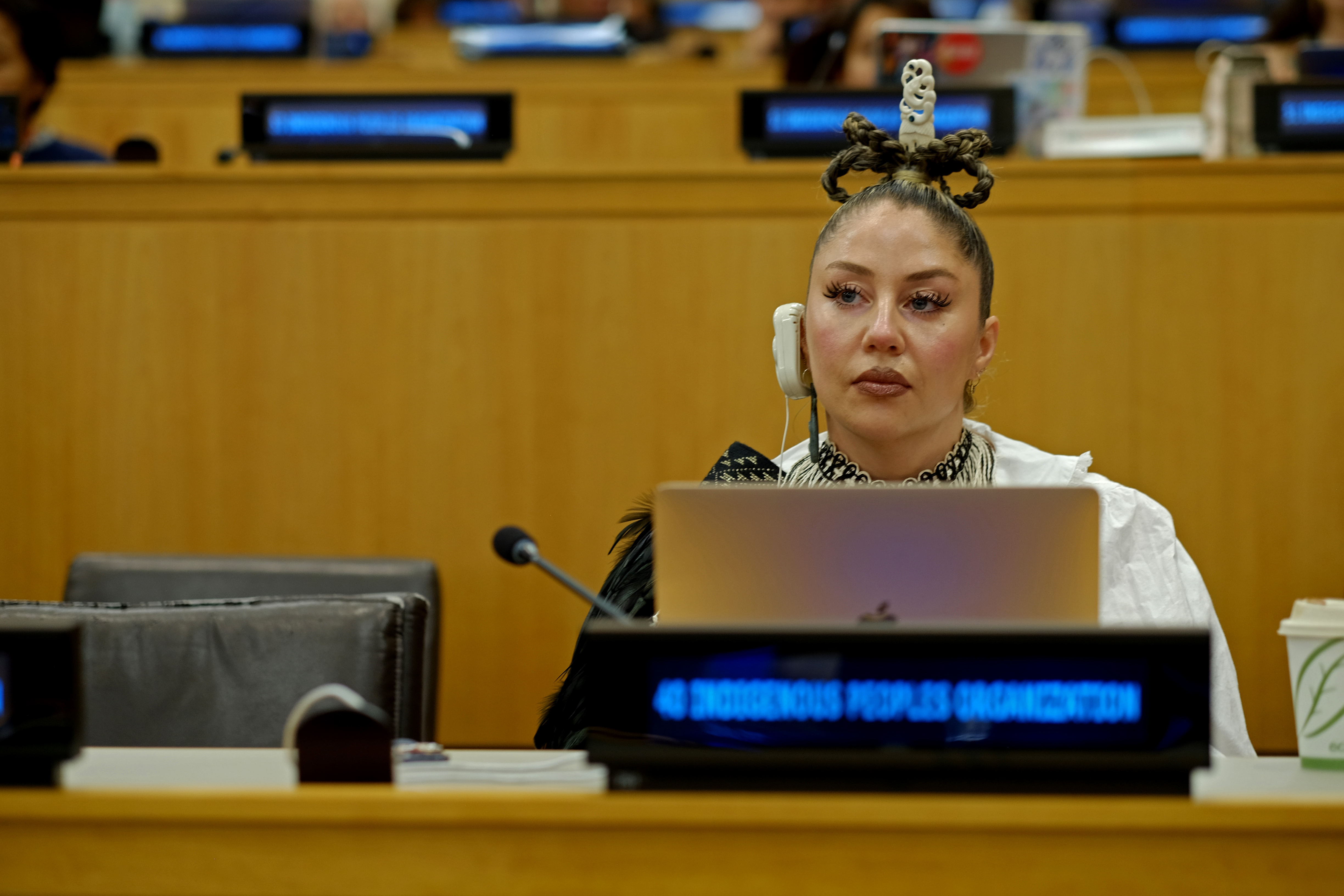
The UN Committee on the Elimination of Racial Discrimination has recently called for urgent action regarding land rights cases involving the Western Shoshone, Native Hawaiian, Gwich’in, and Anishinaabe peoples. These cases often involve the state treating Indigenous lands as mere commodities rather than sacred ancestral domains. Barume’s interim report to the General Assembly reinforced this, stating that Indigenous land rights are "inherent" and do not originate from state authority; rather, they exist as a result of long-standing occupation that predates the establishment of modern state boundaries.
Digital Extractivism: The New Frontier of Exploitation
A significant portion of the 25th session was dedicated to a relatively new but rapidly growing threat: "digital extractivism." As generative AI systems like ChatGPT and various image-generation models become mainstream, they require vast amounts of data for training. Indigenous leaders warned that these systems are scraping traditional medicinal knowledge, sacred stories, and cultural motifs without the consent of the communities that own them.
Hindou Oumarou Ibrahim presented a study outlining how this leads to the commodification of Indigenous heritage. When a pharmaceutical company or a tech giant uses AI to synthesize traditional knowledge into a profitable product, the Indigenous community rarely sees any benefit. Moreover, because Indigenous peoples are underrepresented in the datasets used to train these models, AI often exhibits algorithmic bias, failing to accurately recognize Indigenous languages or identities, which further marginalizes these groups in the digital economy.
To counter this, a global movement for "Indigenous Data Sovereignty" is gaining momentum. This framework seeks to replace the Western "open data" model—which often treats all information as a free resource—with principles that protect collective rights. The forum highlighted several successful models:
- The CARE Principles: Standing for Collective Benefit, Authority to Control, Responsibility, and Ethics, these principles provide a roadmap for the ethical management of AI and data.
- The OCAP Principles: Developed by the First Nations of Canada, these principles (Ownership, Control, Access, and Possession) assert a community’s absolute right to govern its own data.
- Te Reo Māori Initiatives: In Aotearoa New Zealand, groups like Te Hiku Media have built their own speech-recognition tools to ensure that the Māori language is preserved and utilized under Māori control, rather than being exploited by global tech conglomerates.
Dr. Karaitiana Taiuru, an expert in Māori data sovereignty, reminded the forum that data is not just an abstract digital asset. "All data is whakapapa [lineage]," Taiuru said, explaining that digital information maintains a spiritual connection to the ancestors and the land.
The Intersection of Gender, Conflict, and Education
The forum’s focus on health and conflict naturally led to a discussion on the unique vulnerabilities of Indigenous women and girls. Systemic barriers continue to restrict their access to education and physical safety. In North America, the MMIWG crisis remains a focal point of activism, but the issue is global.
The session reviewed the Committee on the Elimination of Discrimination against Women (CEDAW) Recommendation No. 39, the only piece of international law specifically dedicated to the rights of Indigenous women. While the recommendation is a landmark achievement, participants noted a significant gap between international policy and local implementation.
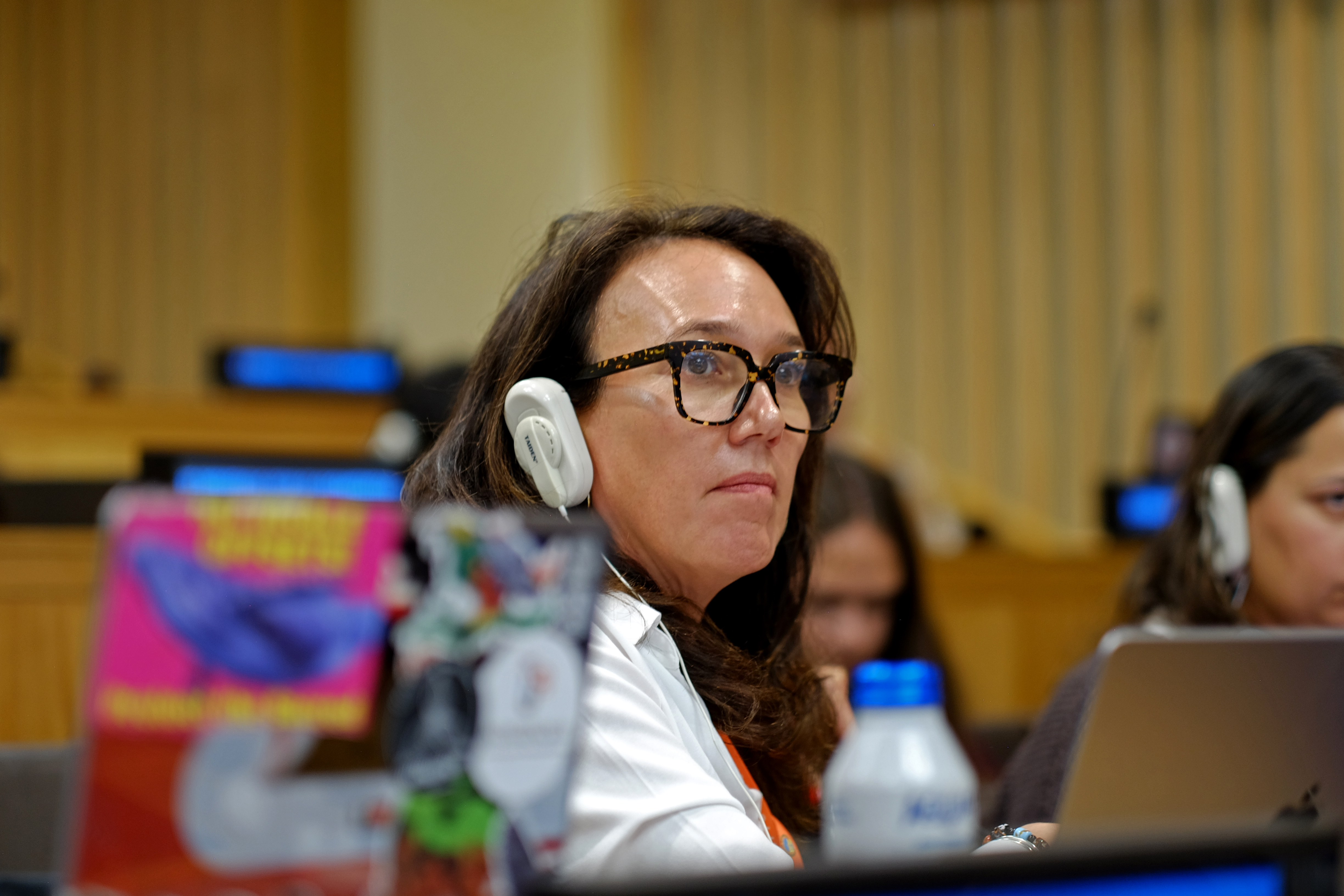
In education, Indigenous girls face hurdles ranging from a lack of culturally appropriate facilities to active discrimination and stereotypes. CEDAW is currently urging states to expand financial aid and support Indigenous-led education systems. However, as expert Claire Charters (Ngāti Whakaue) noted, the debate also involves internal community reflections on how colonization has influenced gender dynamics and discrimination within Indigenous societies themselves.
The statistics provided by Em-Hayley Kūkūtai Walker regarding Māori women in New Zealand illustrated the severity of the issue: as of 2025, Māori women comprise 63 percent of the female prison population and are three times more likely to experience intimate partner violence than non-Māori women. Her plea to the UN was a call for the restoration of "tapu" (sacredness) and "mana" (authority) for Indigenous women worldwide.
Chronology of Indigenous Rights at the United Nations
The 25th session of the UNPFII is part of a decades-long trajectory of Indigenous advocacy at the international level:
- 1923: Deskaheh, a Haudenosaunee chief, travels to Geneva to speak to the League of Nations, marking one of the first modern attempts at international Indigenous diplomacy.
- 1982: The Working Group on Indigenous Populations is established, beginning the formal drafting of a declaration on Indigenous rights.
- 2000: The UN Permanent Forum on Indigenous Issues is officially established by the Economic and Social Council (ECOSOC).
- 2007: The UN General Assembly adopts the United Nations Declaration on the Rights of Indigenous Peoples (UNDRIP), despite initial opposition from the U.S., Canada, Australia, and New Zealand.
- 2022: CEDAW adopts Recommendation No. 39, providing a specific legal framework for Indigenous women.
- 2024-2025: The 25th session shifts focus toward digital rights and the health impacts of modern conflict, reflecting the evolving nature of global threats.
Analysis: The Path Forward for Indigenous Sovereignty
The discussions at the UNPFII suggest that the future of Indigenous rights depends on a "two-pronged" approach: the defense of physical territory and the assertion of digital jurisdiction. The implications of the forum’s findings are clear: if nation-states continue to treat Indigenous lands as commodities and Indigenous data as "free" for AI consumption, the result will be a new era of colonization that is both environmental and algorithmic.
The transition toward Indigenous Data Sovereignty is perhaps the most critical shift of the current decade. By implementing frameworks like the CARE and OCAP principles, Indigenous nations are not just protecting their past; they are ensuring they have a seat at the table in the technological future.
Furthermore, the forum’s focus on the criminalization of land defenders indicates that international pressure must be ramped up on governments that use "national security" or "economic development" as a pretext to violate human rights. As the world turns toward "green" energy, the demand for minerals found on Indigenous lands—such as lithium and cobalt—is expected to rise, potentially triggering a new wave of conflict.
The 25th session of the UNPFII concluded with a call for states to recognize that Indigenous health and sovereignty are inextricably linked. Whether in the rainforests of the Amazon, the plains of the Sahel, or the servers of Silicon Valley, the message from the world’s Indigenous leaders is the same: sovereignty is inherent, and the fight to protect it is now global, digital, and more urgent than ever.