
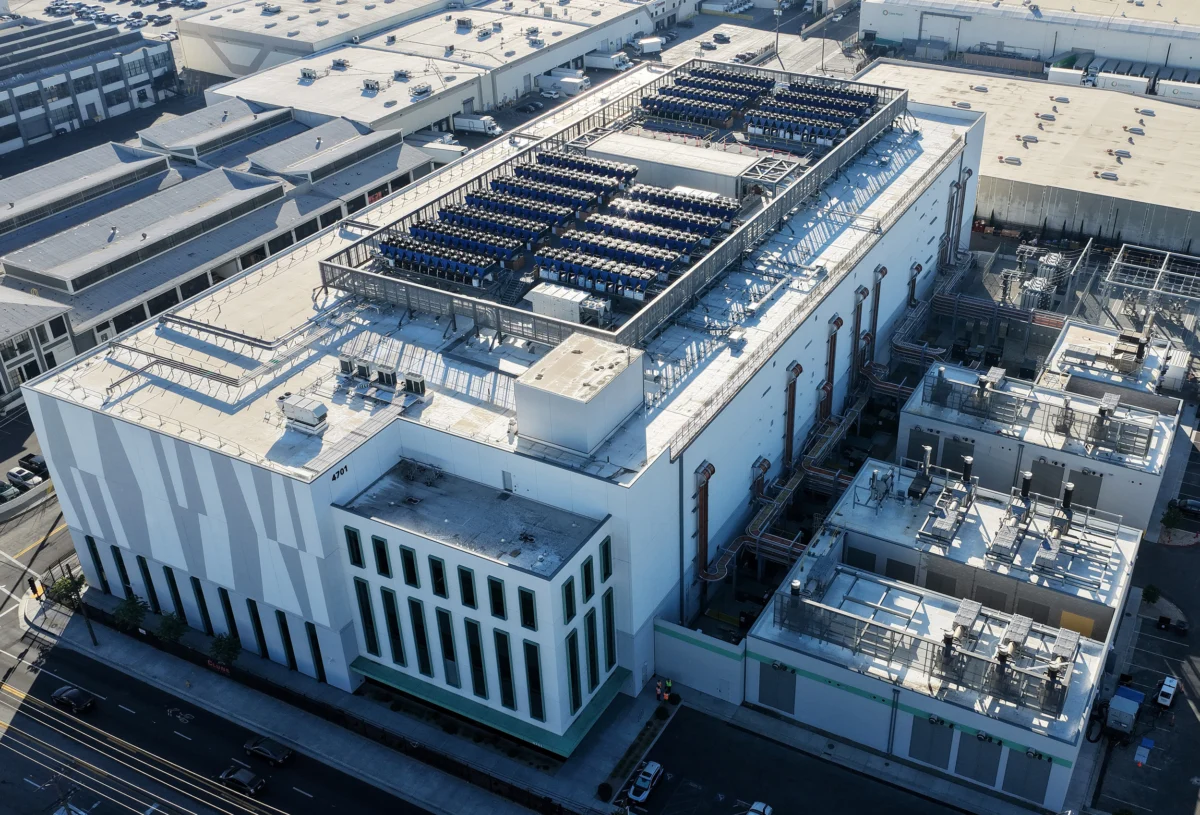
In the quiet, sun-drenched city of Imperial, California, located roughly 115 miles east of San Diego, a proposed industrial development has transformed local dinner-table conversations into a heated debate over the future of the region’s most precious resources. The project at the center of this controversy is a massive, $10 billion data center that, if completed by its 2028 target, could become the largest operating facility of its kind in the state. While the developer promises economic revitalization and technological advancement, a growing coalition of residents and local officials fears the project will exacerbate existing strains on water supplies, drive up electricity costs, and forever alter the character of their rural community.
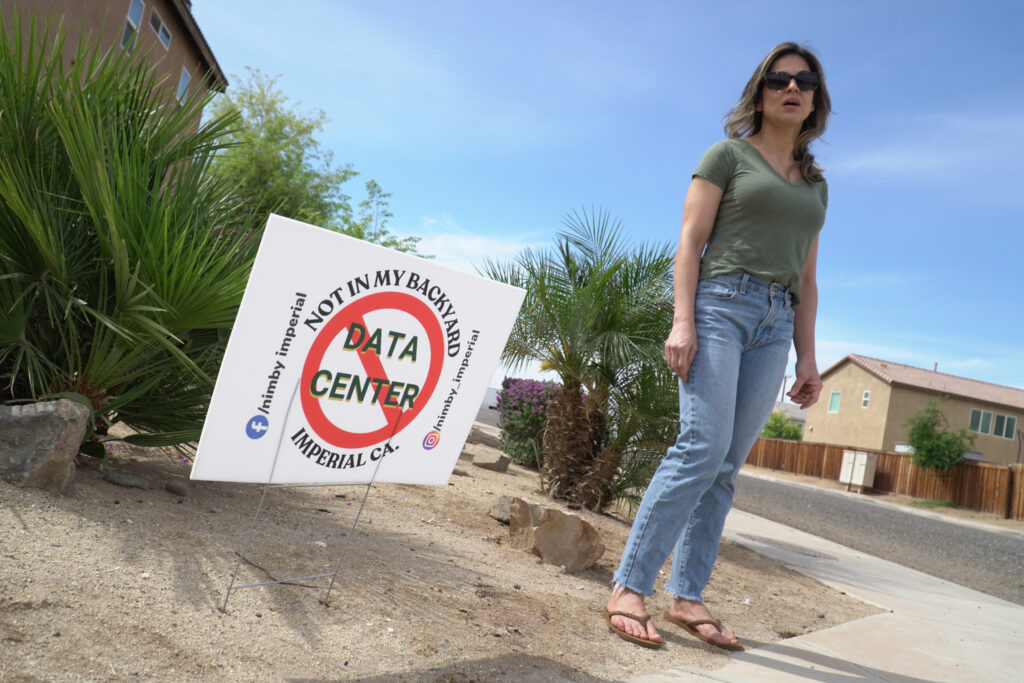
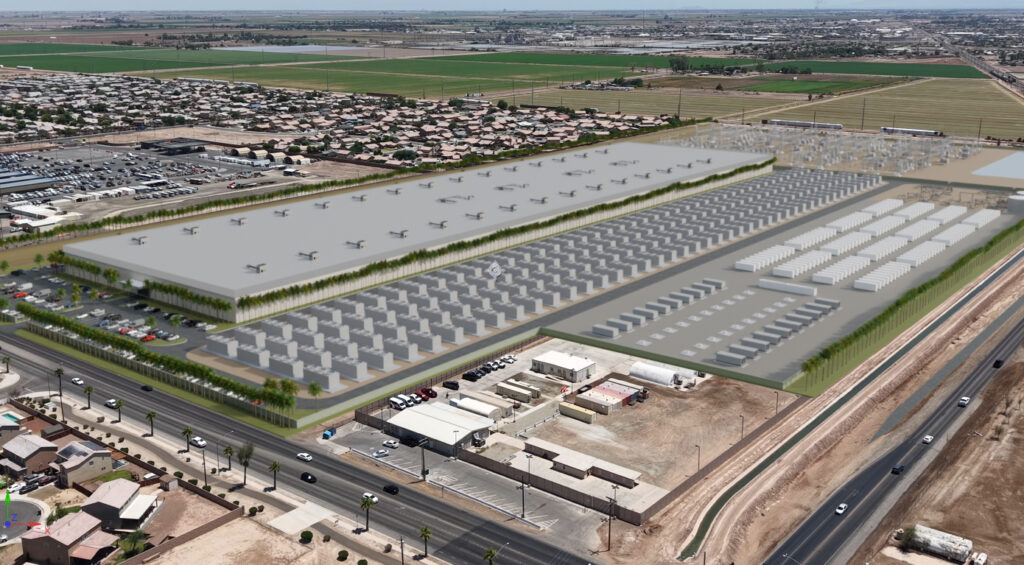
The project first surfaced on the public radar through a variety of channels: white "Not In My Backyard" signs appearing on manicured lawns, complex "electric service applications" landing on the desks of irrigation district workers, and viral Facebook posts that caught the attention of residents like Margie Padilla. A 43-year-old mother of two, Padilla represents the face of local opposition. Her stucco home sits less than half a mile from the proposed site, a 17-football-field-sized plot of land that is slated to house a two-story, 950,000-square-foot facility. For Padilla and many of her neighbors, the data center is not a symbol of progress, but a looming threat to their pocketbooks and their way of life.
The Scale of the Imperial Valley Development
The proposed data center is a 330-megawatt behemoth designed to meet the skyrocketing demand for processing power driven by the artificial intelligence (AI) revolution. Developer Sebastian Rucci, an attorney and entrepreneur who has purchased 235 acres for the project, envisions the facility as a critical hub for training advanced AI models, specifically mentioning Google’s Gemini AI—though Google has publicly denied any involvement in the Imperial County project.
According to Rucci, the facility will require approximately 750,000 gallons of water per day to maintain its cooling systems. Despite the massive resource requirements, Rucci maintains that he has conducted exhaustive studies on air quality, water availability, and electrical capacity. "We did our homework," Rucci insists, arguing that the facility will not cause utility rates to rise for local residents. He further claims the project will generate significant economic benefits, including roughly 100 permanent high-tech jobs and thousands of temporary construction roles.
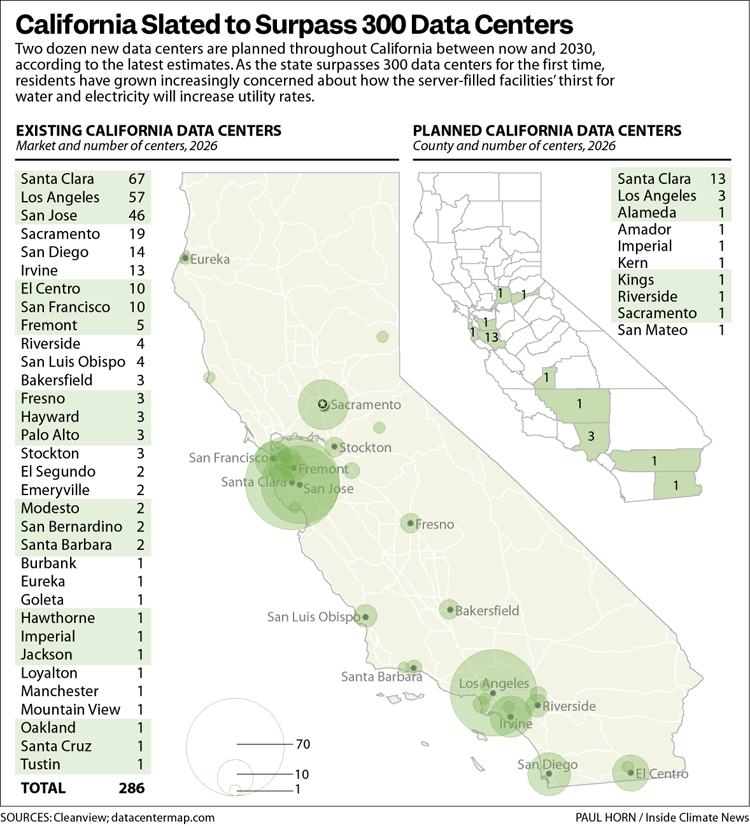
However, the scale of the project is unprecedented for the Imperial Valley. At 330 megawatts, it is one of two dozen data centers expected to open in California by 2030. Currently, market intelligence suggests that the state’s upcoming data center projects will consume at least 1.7 gigawatts of electricity. The Imperial facility alone represents a significant portion of that new demand, placing it at the forefront of a statewide infrastructure challenge.
The Rising Thirst of the Digital Age
The primary point of contention in Imperial—and across the drought-stricken American Southwest—is water. Data centers require immense amounts of water for evaporative cooling to prevent servers from overheating. Shaolei Ren, an associate professor of electrical and computer engineering at the University of California, Riverside, notes that more than 90 percent of U.S. data centers rely on municipal systems for their water needs.
On the hottest summer days, a 100-megawatt facility can consume upwards of 1 million gallons of water. By extension, the 330-megawatt Imperial project could see spikes in demand that far exceed its 750,000-gallon daily average. Ren’s research indicates that such usage is equivalent to the daily water consumption of approximately 10,000 people. While these facilities require significantly less water during cooler months, the peak demand often coincides with the times when municipal systems and residents are already under the greatest stress.
This "thirst" for water is particularly concerning in the Imperial Valley, which relies heavily on the Colorado River—a water source currently facing a deepening megadrought and federal pressure to reduce consumption. While the data center’s projected annual water use is dwarfed by the 800 billion gallons used annually for alfalfa irrigation in the valley, experts warn that comparing annual totals misses the point. The challenge is one of infrastructure and localized bottlenecks. In small communities, the sudden introduction of a massive industrial user can strain local pipes, treatment plants, and reservoirs, often requiring upgrades that cost between $200 million and $800 million statewide.
Regulatory Gaps and Lack of Transparency
One of the reasons residents like Padilla are so concerned is a perceived lack of transparency. California currently does not require AI data centers to report their specific water usage to the state. The State Water Resources Control Board does not maintain a dedicated list of water rights held by these facilities, making it difficult for the public to track the cumulative impact of the data center boom.
Legislative efforts to increase oversight have seen mixed success. Recent bills intended to mandate water use reporting for data center owners have faltered in the state legislature, leaving local governments to navigate these complex industrial proposals on their own. In California, there is no central permitting authority for data centers; instead, oversight falls to a patchwork of city and county governments. This decentralized approach often leads to "jurisdiction shopping" by developers and leaves smaller municipalities ill-equipped to negotiate with multi-billion-dollar tech interests.
A nationwide poll by the US Water Alliance reflects this growing anxiety. The survey found that 54 percent of respondents are "extremely or very concerned" about the impact data centers will have on water quality, supply, and costs. Furthermore, two-thirds of voters believe it is essential for their states to develop comprehensive plans to manage the intersection of data centers and water resources.
Local Resistance and the Legal Battle
In Imperial, the tension has reached the courtroom. The City of Imperial has filed a lawsuit against Imperial County and the project developers, demanding a more rigorous environmental review. The litigation centers on the California Environmental Quality Act (CEQA), with the city arguing that the project has not cleared the necessary hurdles to prove it won’t harm the local environment or utility infrastructure.
For residents like Carolina Paez, whose backyard abuts the proposed site, the concerns are personal. Paez, who suffers from asthma along with her son, worries about construction dust, noise pollution from cooling fans, and the long-term impact on her property value. "What am I going to do with this property? Who would even want to live here?" she asked, speaking in Spanish.
Padilla shares these fears, specifically regarding her monthly utility bills. Her water, sewer, and trash services already cost between $90 and $130 a month—double what she paid six years ago. She worries that the data center’s demand will lead to residential water restrictions. "I grow my own food, my own vegetables," Padilla said, noting that her garden was a vital source of nutrition for her sons when they were struggling with anemia. "That’s going to be harsh on me."
Economic Promise vs. Infrastructure Reality
Developer Sebastian Rucci remains confident that the project will eventually move forward. He has proposed various solutions to the water issue, including the use of reclaimed or "graywater" from the cities of Imperial and El Centro. Rucci claims his plan involves paying for municipal infrastructure upgrades to process 6 million gallons of reclaimed water per day, with the excess being diverted to the Salton Sea to help mitigate that region’s environmental crisis.
However, these negotiations have yet to yield a formal agreement. The Imperial Irrigation District (IID), which provides both water and power to the region, stated in a written response that it has not yet received a formal water request for the project. The district is currently conducting its own review of the data center’s potential impact on the local grid and water supply.
The disconnect between the developer’s timeline and the reality of infrastructure development is a recurring theme in the industry. Professor Ren points out that while a data center can be constructed in two to three years, developing new water sources or major infrastructure upgrades can take up to 20 years. This temporal gap often forces municipalities to choose between stalling economic development or risking the stability of their utility systems.
Broader Implications for California’s Tech Future
The situation in Imperial is a microcosm of a larger struggle playing out across the United States. California currently trails only Virginia and Texas in the number of individual data center locations. However, as land and power become more expensive and regulated in traditional tech hubs like Silicon Valley, developers are looking toward rural areas like the Imperial Valley where land is cheaper and solar energy is abundant.
The Data Center Coalition, which represents giants like Amazon, Google, and Microsoft, argues that data centers are essential infrastructure for the modern economy. They point out that other industries, such as the beverage and semiconductor sectors, consume significant amounts of water as well. However, the sheer density of energy and water use in a single data center location creates a unique "point-source" pressure that traditional industries often do not.
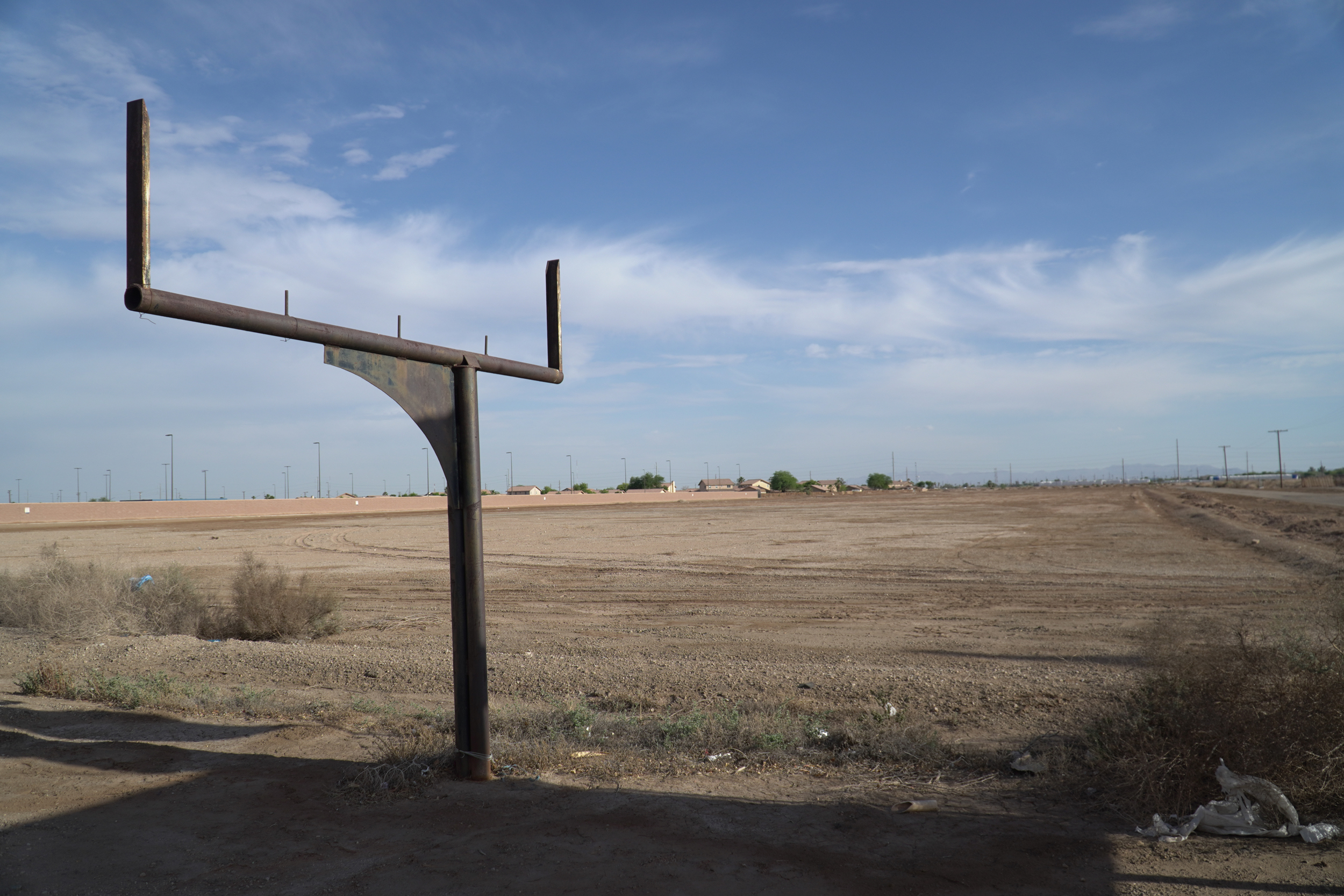
As the April court date approaches for the City of Imperial’s lawsuit, the fate of the West Aten Road project remains uncertain. The outcome will likely serve as a bellwether for how California manages the competing interests of the AI gold rush and the fundamental rights of its citizens to affordable water and power. For Margie Padilla, the stakes are clear as she tends to her garden in the desert heat. The digital world’s need for "the cloud" is meeting the physical world’s need for water, and in the Imperial Valley, there is no longer enough to go around without a fight.








Leave a Reply