
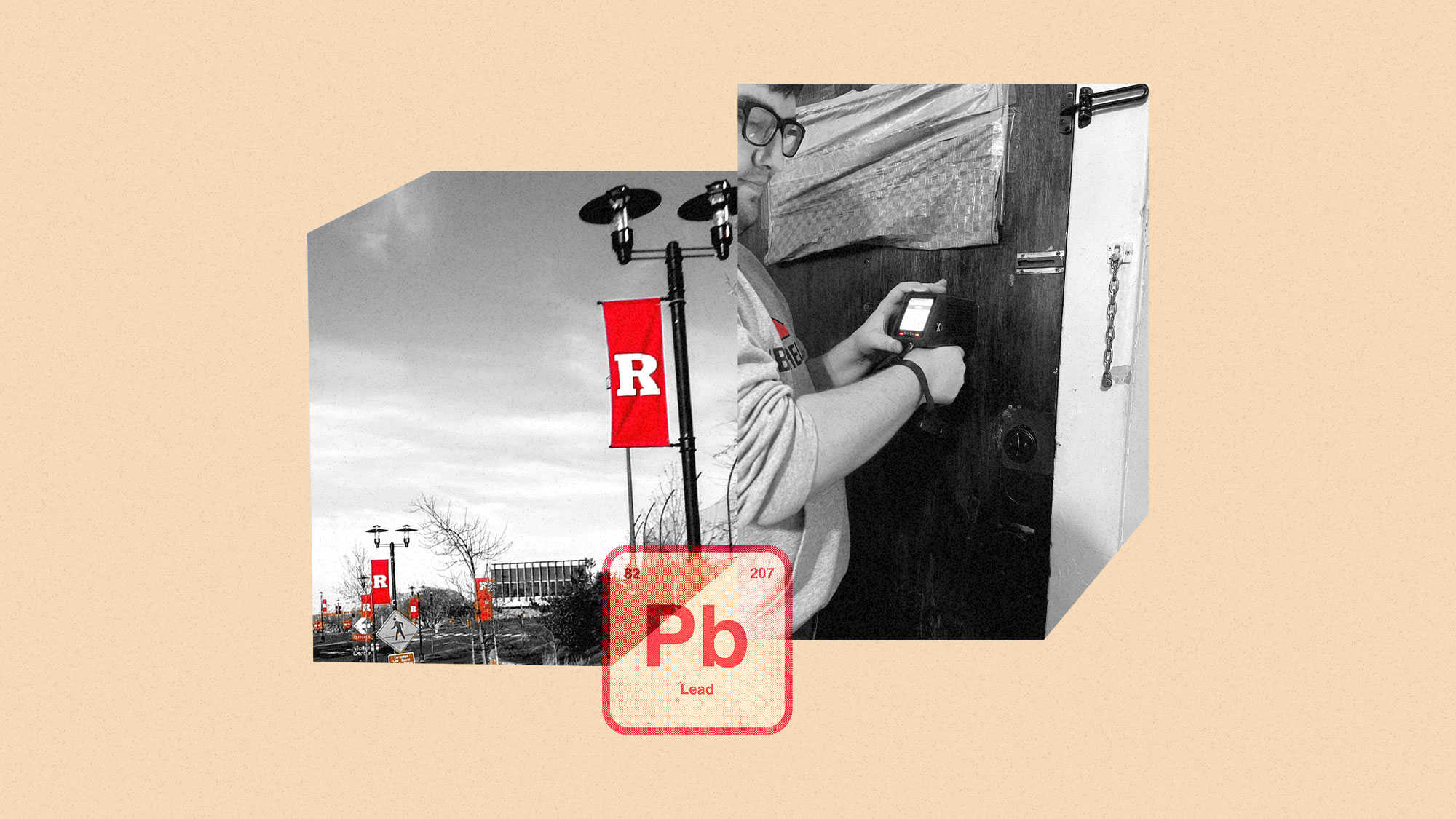
For nearly three decades, Kim Booker lived in her home in Trenton, New Jersey, unaware that the walls surrounding her and the soil beneath her feet potentially harbored a neurotoxic legacy. Born and raised in this former industrial powerhouse, Booker’s perception of her environment changed only recently through community meetings hosted by the East Trenton Collaborative, a local nonprofit focused on environmental health. It was there she learned that the city’s storied past as a manufacturing hub for ceramics and steel had left behind more than just historic architecture; it had left a pervasive trail of lead-laden pipes, paint, and soil.
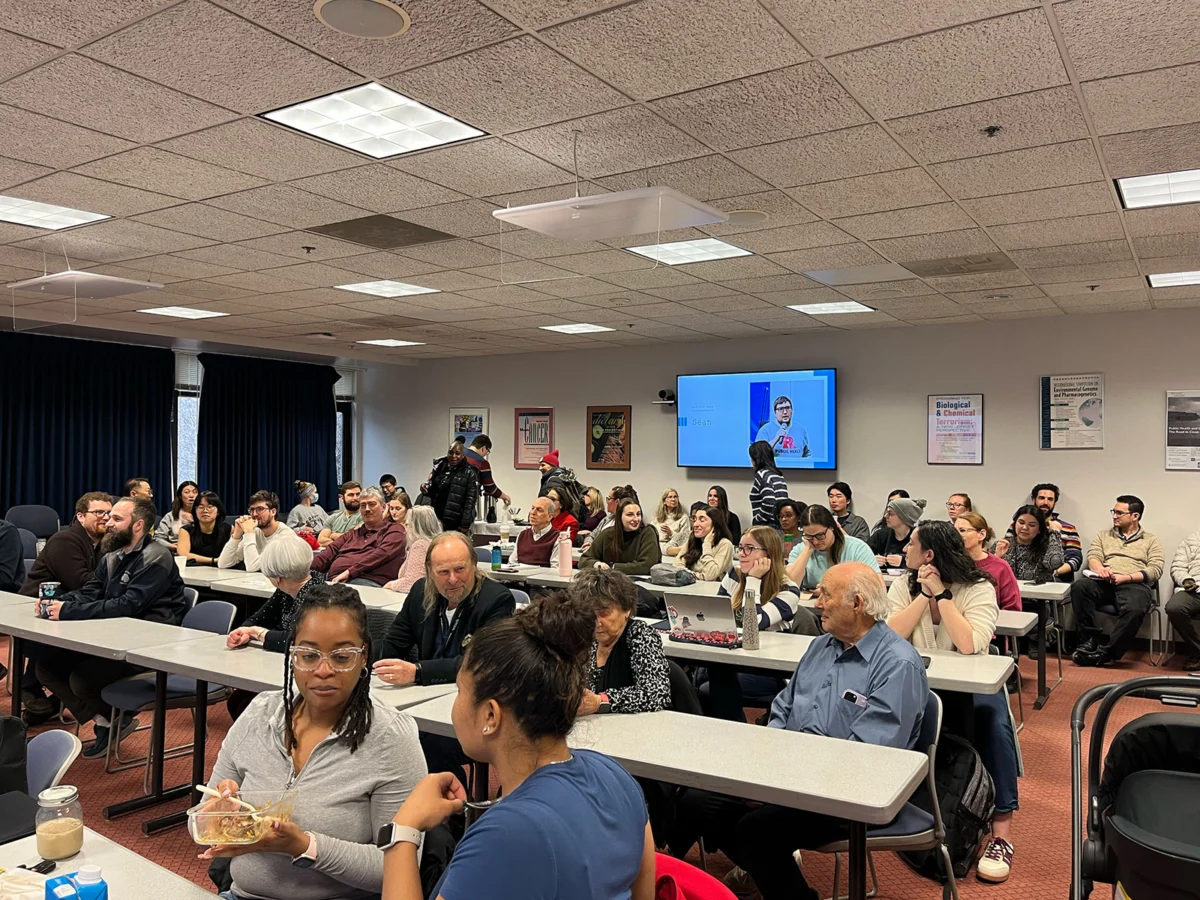
Booker’s story is not unique in Trenton, but her path to obtaining answers illustrates a significant gap in public health infrastructure. Concerned about chipping paint in her three-bedroom home and the potential link between lead exposure and the Alzheimer’s diagnoses of her late grandmother and sister—a connection supported by University of Michigan research—Booker sought comprehensive testing. However, she found that the resources available through official channels were either prohibitively expensive or frustratingly fragmented. Her search eventually led her to Sean Stratton, a doctoral student in public health at Rutgers University, who became a one-man testing department for a community in crisis.
The Burden of a Toxic Legacy
Trenton’s struggle with lead is part of a broader crisis facing New Jersey, a state with some of the highest legacy lead burdens in the United States. According to Environmental Protection Agency (EPA) data, New Jersey contains an estimated 350,000 lead service lines, ranking it among the top ten most affected states, alongside Illinois and Texas. While the state has recently received over $100 million in federal funding dedicated to lead pipe replacement, these initiatives often fail to address the "triple threat" of lead exposure: contaminated drinking water, interior lead-based paint, and legacy soil contamination.
For residents like Booker, the lack of a holistic approach is the primary hurdle. Current government programs are often reactive rather than proactive. In New Jersey, the state health department typically conducts interior paint inspections only after a child has already been diagnosed with lead poisoning. While children are required to undergo lead screening at ages one and two, older children and adults are frequently left to navigate the costs of testing on their own. Similarly, while Trenton Water Works provides lead test kits for older homes, the onus remains on the resident to coordinate with private laboratories and pay analysis fees ranging from $20 to $100.
A Doctoral Mission: The Stratton Investigation
Sean Stratton did not initially set out to become a central figure in Trenton’s environmental justice movement. His journey began in 2015 after he graduated from Rutgers with a degree in environmental science and began working in consulting. The public health crisis in Flint, Michigan, served as a catalyst for his transition into advocacy. When a friend in New Jersey asked him to test his home’s water, the results were alarming: 78 parts per billion (ppb) of lead, more than five times the EPA’s action level of 15 ppb.
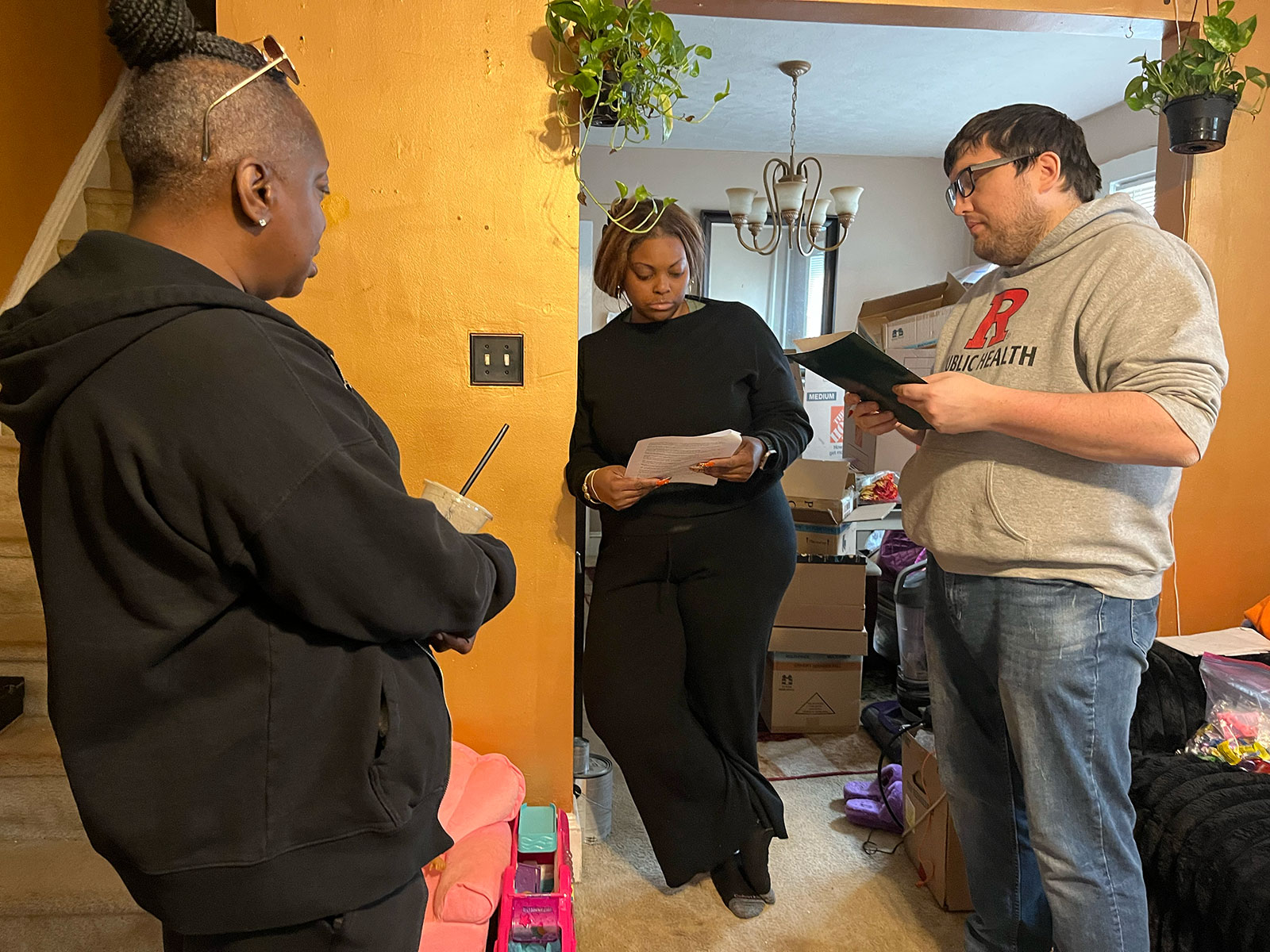
This discovery led Stratton to investigate state-wide testing protocols. He alleged that some utilities were meeting federal requirements by testing homes least likely to have lead service lines, rather than prioritizing high-risk properties. After a failed bid for the State Assembly in 2017—where he ran on a platform of water safety—Stratton returned to academia to gain the "credibility" he felt was necessary to challenge state agencies.
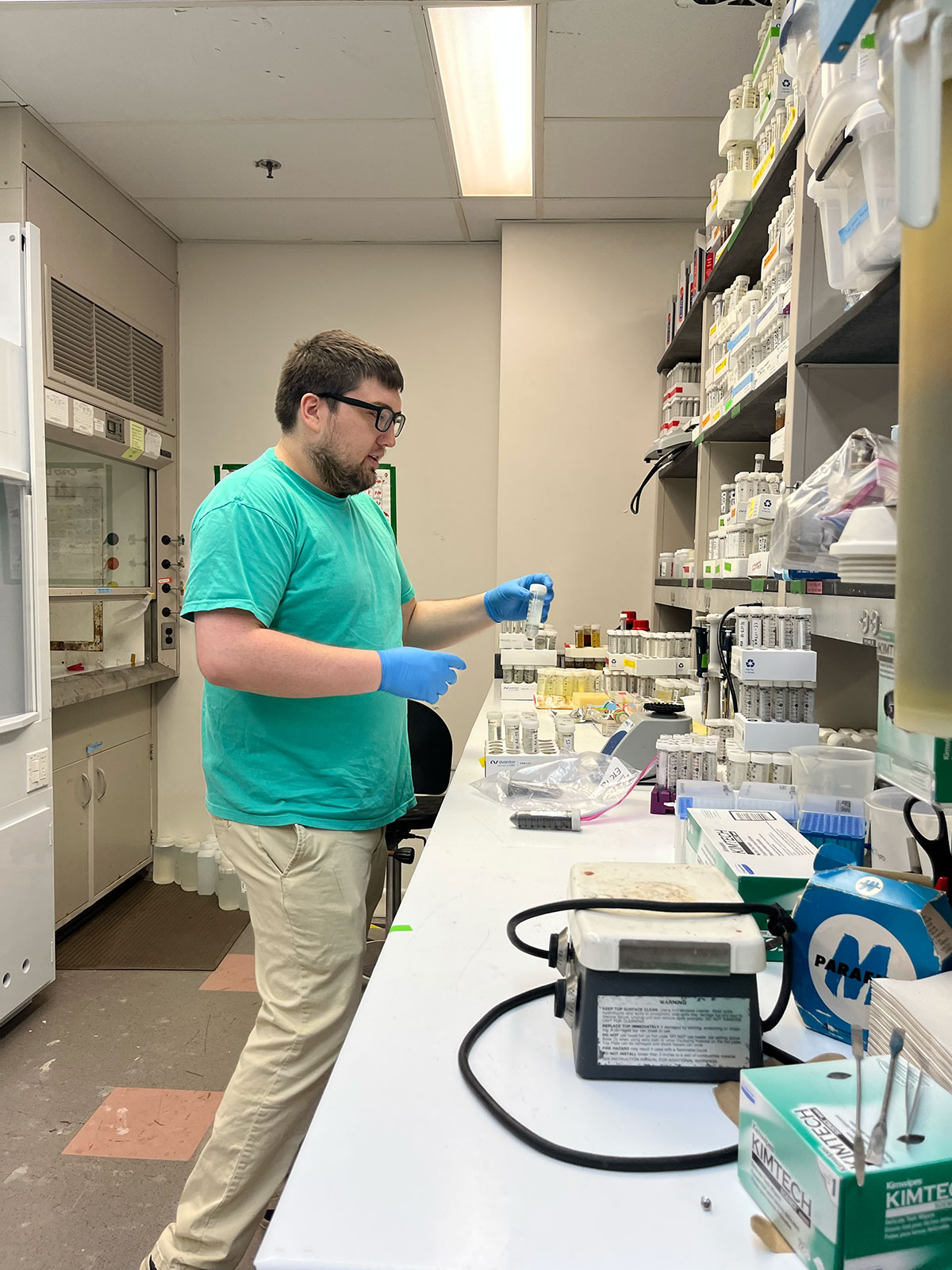
By late 2023, Stratton’s doctoral research had evolved into a vital community service. Equipped with an X-ray fluorescence (XRF) gun, he scanned the walls of over 140 Trenton homes to detect lead in paint. He collected soil samples from yards and instructed residents on how to capture "first draw" water samples from their kitchen sinks. This comprehensive approach, which would cost a private citizen upwards of $1,000 per household, provided residents with the first clear picture of their total environmental exposure.
Stark Findings and Environmental Realities
The results of Stratton’s dissertation work, defended in February 2024, paint a grim picture of the residential environment in East Trenton. His testing revealed that lead contamination is nearly universal in the homes he sampled:
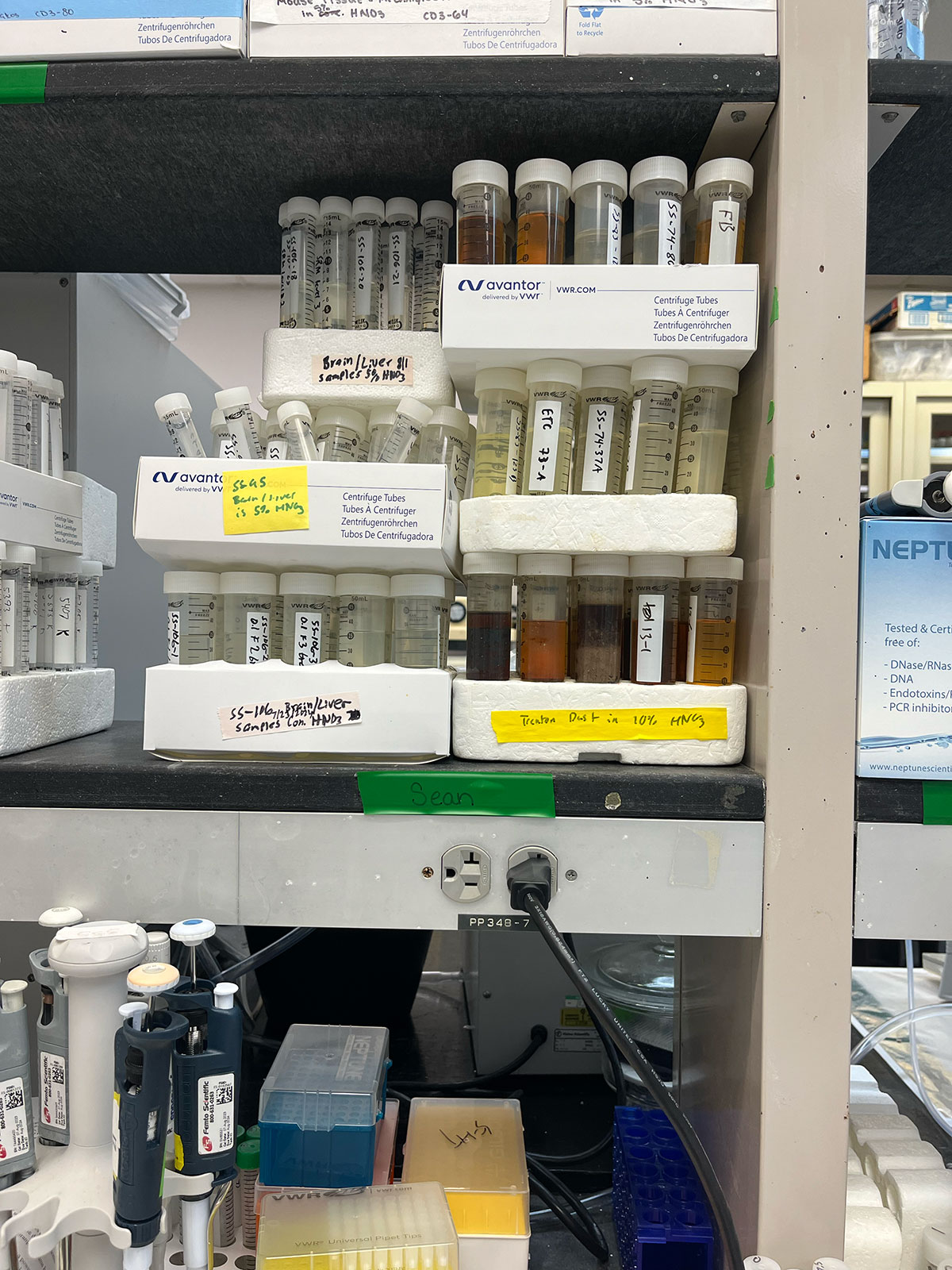
- Floor Dust: 100 percent of the homes tested had detectable levels of lead in floor dust, with 86 percent exceeding the EPA’s hazard standards.
- Soil Contamination: In Booker’s yard, lead levels were found to be above 450 parts per million (ppm), exceeding the EPA’s residential soil lead hazard level of 400 ppm.
- The "Legacy" Effect: Stratton found that even homes without interior lead-based paint remained at risk due to "legacy dust" brought in from the outside. This dust is a cocktail of historical contaminants from leaded gasoline, atmospheric aerosols, and the city’s defunct ceramics industry.
- Water Safety Limits: Stratton’s research challenged the common public health recommendation of "flushing" the tap for five minutes. He found that in many Trenton homes, five minutes was insufficient to clear lead traces, suggesting that residents must rely on high-quality water filters rather than simple flushing.
The Superfund Designation and Federal Uncertainty
In July 2023, the EPA officially added the East Trenton neighborhood to the Superfund National Priorities List. This designation followed extensive testing that found widespread soil contamination in residential yards, parks, and school grounds. While the Superfund status guarantees federal oversight and funding for long-term remediation, the process is notoriously slow.
For the residents of East Trenton, the Superfund designation is a double-edged sword. While it acknowledges the severity of the problem, it focuses primarily on soil, leaving the issues of lead pipes and interior paint to be handled by other, often underfunded, programs. Furthermore, the timeline for Superfund cleanups can span decades. In a state like New Jersey, which has more Superfund sites than any other state in the nation, residents are well aware that "priority" does not always mean "immediate."
Adding to the community’s anxiety is the impending conclusion of Stratton’s project. With his graduation set for May 2024, the primary source of free, comprehensive household testing in Trenton is set to vanish. Community leaders like Shereyl Snider of the East Trenton Collaborative expressed deep concern over the lack of a succession plan. The project was funded by grants from the National Institute of Environmental Health Sciences and federal environmental justice initiatives—funding that is increasingly precarious amid shifting federal budget priorities. Brian Buckley, executive director of the Rutgers Environmental and Occupational Health Sciences Institute, noted that recent budget cuts have forced the institute to "play dodge the bullet" with its research programs.

Analysis: The Research Gap in Environmental Justice
The situation in Trenton reflects a broader national trend where marginalized communities must rely on the labor of graduate students and university researchers to fill the void left by government inaction. Similar patterns have emerged in Atlanta, where an Emory University student’s soil testing led to an EPA investigation, and in Los Angeles, where UCLA provided free testing following wildfires.
While these academic partnerships provide essential data, they are inherently temporary. When the student graduates or the grant expires, the community is often left without the technical expertise required to continue monitoring their environment. This "siloed" approach to public health—where one agency handles water, another handles blood tests, and another handles soil—creates a maze that is nearly impossible for the average citizen to navigate.
Moving Toward Action
For Kim Booker, the knowledge provided by Stratton’s testing has led to immediate changes in her daily life. She now uses a vacuum with a HEPA filter to avoid stirring up lead dust, and she enforces a strict "no shoes" policy for her nieces when they visit. However, she remains clear-eyed about the limitations of individual action.
"Knowledge is only powerful and beneficial if its effects change," Booker stated. "We can know there is a problem, but without action, the problem simply remains."
The transition of East Trenton from a site of academic study to a site of active federal remediation will be the ultimate test of the Superfund program’s efficacy. However, as Sean Stratton prepares to move on from his doctoral work, his findings stand as a powerful indictment of a fragmented regulatory system. His work suggests that until the government adopts a proactive, multi-media approach to lead testing—one that treats the home as a single environment rather than a collection of separate hazards—the burden of proof will continue to fall on the residents themselves.









Leave a Reply