
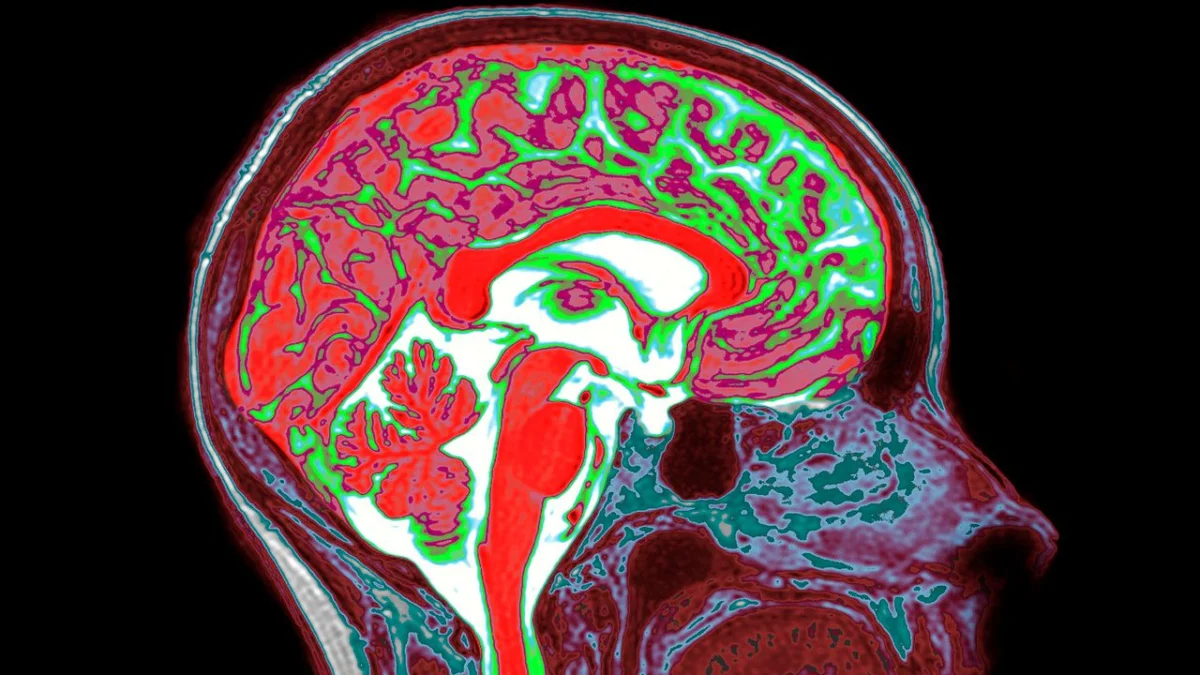
A groundbreaking study conducted on mice suggests that elevated levels of estrogen within the brain’s memory hub, the hippocampus, could diminish an individual’s ability to cope with traumatic events, potentially increasing the likelihood of developing memory impairments or post-traumatic stress disorder (PTSD). Published in the esteemed journal Neuron in April, this research delves into the complex role of estrogen in the mammalian brain, revealing a nuanced relationship with memory and stress resilience that challenges long-held assumptions.
For decades, estrogen has been primarily recognized as a "female" hormone, crucial for reproductive functions. However, this new research underscores its significant presence and impact within the hippocampus of both male and female mammals, where it plays a vital role in learning and memory processes. The study’s findings indicate that the localized concentration of estrogen in this critical brain region may directly influence vulnerability to memory deficits following acute, severe stress. While the experiments were performed on mice, the researchers posit that the implications are highly translatable to human physiology.
Dr. Tallie Z. Baram, the senior author of the study and a distinguished professor of developmental neuroscience and child neurology at the University of California, Irvine, expressed strong confidence in the study’s relevance to human health. "I think this is highly translatable," Dr. Baram stated in an interview with Live Science, highlighting the potential for these findings to inform our understanding of human neurological responses to trauma.
The Double-Edged Sword of Estrogen in Memory and Trauma
Traumatic experiences can profoundly disrupt memory functions, leading to difficulties in recalling specific personal events and triggering fear responses in previously safe environments. When these disruptions become chronic and are accompanied by intrusive recollections of the traumatic event, they can manifest as post-traumatic stress disorder (PTSD). Epidemiological data reveal a notable sex disparity in PTSD prevalence, with approximately 10% to 12% of women experiencing the disorder in their lifetime compared to 5% to 6% of men. While varying life experiences, such as higher rates of sexual assault among women, contribute to this difference, biological factors are also suspected to play a role, though their mechanisms remain poorly understood.
This new research by Dr. Baram’s team points to hippocampal estrogen levels as a potential biological variable contributing to these sex-based differences in trauma response. Victoria Luine, a professor emerita of psychology at Hunter College in New York City, who was not involved in the study, commented on its significance. "The research has uncovered important new avenues for research on PTSD," she told Live Science via email, emphasizing the study’s potential to advance our understanding of this debilitating condition.
Unveiling the Stress-Estrogen Nexus in Mice
To investigate the impact of stress on memory and the role of estrogen, the researchers subjected laboratory mice to a simulated acute traumatic event. This involved exposing them to a combination of stressors, including bright lights, loud music, and the scent of other stressed mice. Following this intense experience, the mice underwent a series of memory tests, and their performance was compared to a control group that did not experience the stressors.
The results were stark: stressed male mice exhibited significant memory deficits that persisted for several weeks. "Even a month later, they had a memory deficit – so it’s a really perseverative effect," remarked Heller, a key researcher involved in the study.
The study also examined female mice, carefully considering their hormonal cycles. Female mice stressed during proestrus, a phase characterized by peak estrogen levels and preparation for ovulation, showed similar memory impairments to the stressed males. These female mice also learned to associate cues with the stressful experience and avoid them, demonstrating a heightened sensitivity to these negative associations compared to males.
However, a remarkable contrast emerged when female mice were stressed during estrus, a phase when estrogen levels plummet just before ovulation. These mice displayed remarkable resilience, with their behavior and memory performance remaining comparable to unstressed control groups. "The female mice that had low levels of estrogen laughed it off – they were completely protected," Dr. Baram observed, highlighting the protective effect of low estrogen during this specific phase of the female hormonal cycle.
Further investigation confirmed that hippocampal estrogen levels in male mice and female mice during proestrus were similar. In contrast, estrus females exhibited approximately half the amount of hippocampal estrogen compared to males and proestrus females, as determined by mass spectrometry. This finding was particularly surprising, as estrogen is generally associated with enhanced memory function, and its decline, as seen during menopause, is linked to memory problems. However, the study emphasizes the critical distinction between the rapid, four-to-five-day mouse estrous cycle and the protracted hormonal shifts of human menopause.
The Molecular Mechanism: Estrogen, DNA, and Synaptic Plasticity
The researchers delved deeper to understand why estrogen levels might influence memory resilience. "Estrogen receptors directly control gene expression," explained Heller. When estrogen binds to its receptors, it can modulate the activity of specific genes, either increasing or decreasing their expression.
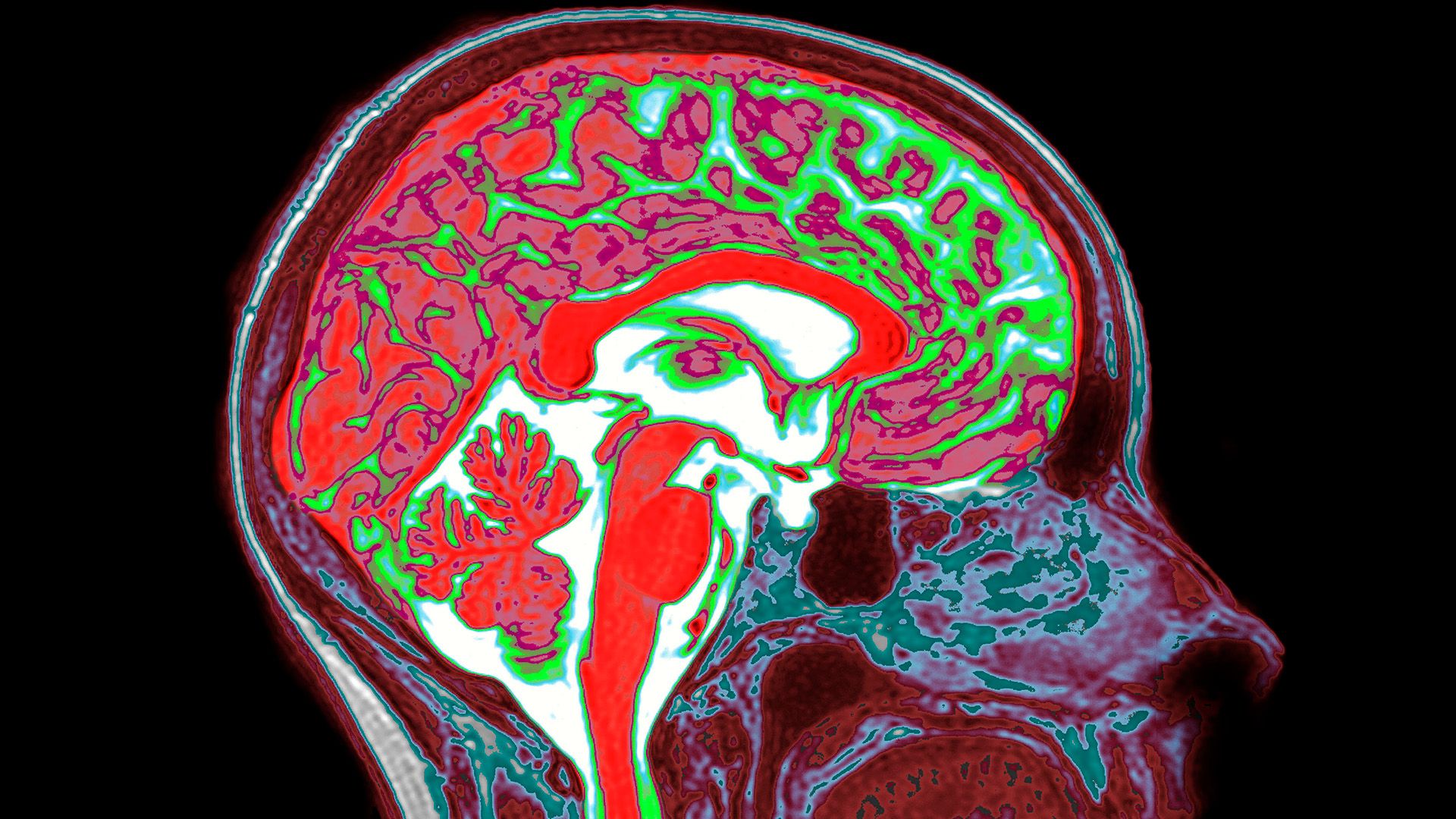
Heller’s laboratory focuses on the mechanisms that regulate gene activity in the context of psychiatric disorders, including chromatin remodeling. Chromatin is the complex of DNA and proteins that forms chromosomes within the nucleus of eukaryotic cells. Its structure dictates gene accessibility; when chromatin is "open," genes are more accessible for activation, whereas "closed" chromatin typically silences gene expression.
The study revealed that high hippocampal estrogen levels in male mice and proestrus female mice lead to an "open" chromatin state. This state, while generally beneficial for rapid memory formation in response to new experiences, may render these individuals more vulnerable to the detrimental effects of severe stress. Conversely, estrus females exhibit a distinct chromatin profile, characterized by a more "closed" state, which appears to confer protection against stress-induced memory impairments.
The genes affected by this estrogen-driven chromatin remodeling are largely involved in synapse biology. Synapses are the crucial junctions where neurons communicate, forming the physical substrate of memories. Dr. Baram suggested that the enhanced synaptic plasticity facilitated by high estrogen, while advantageous for learning under normal circumstances, can become problematic when the brain is subjected to extreme acute stress. This plasticity, the brain’s ability to adapt and change, can then contribute to negative memory formation and emotional dysregulation.
The study also identified sex-specific estrogen receptors involved in these stress-induced memory alterations in both males and females, a finding that warrants further investigation. Future research aims to precisely map the locations of these different estrogen receptors throughout the hippocampus.
Victoria Luine commended the study’s robust findings, stating that it provides "a strong demonstration that estrogens drive sex-dependent, stress-induced changes in chromatin networks which can dramatically alter neural functions like memory." She further emphasized, "these results present cogent evidence that sex is a powerful biological variable."
Historical Context and Future Directions
The exclusion of female animals from research due to the perceived complexity of their hormonal cycles has historically hindered our understanding of sex differences in biological processes, particularly in neuroscience. While the U.S. National Institutes of Health (NIH) has since mandated the inclusion of sex as a biological variable in funded research, progress has been slow, and recent signals from federal leadership have cast doubt on the continued support for this initiative.
"It’s important to include both sexes in research to truly understand how the brain functions and responds to external factors, like stress," Luine stressed, advocating for a more inclusive approach to scientific inquiry. "An important aim of this and other studies is to protect humans against PTSD," she added, suggesting that preventive treatments for PTSD may need to be tailored based on sex.
Beyond PTSD, Dr. Baram believes these findings have significant implications for understanding women’s risk of aging-related memory problems and dementia. While the decline of estrogen during menopause is a known risk factor, the study’s insights into perimenopause – a phase characterized by dramatic fluctuations, including sharp spikes in estrogen – suggest a potential window of heightened vulnerability. The combination of stress during these perimenopausal hormonal surges could contribute to memory disturbances.
"We need to start thinking a little bit differently," Dr. Baram urged. "What is it about women at that stage in life that makes them more vulnerable to memory loss with aging?" This question highlights the need for a more nuanced understanding of how hormonal changes interact with environmental factors like stress throughout a woman’s lifespan.
The implications of this research extend beyond immediate clinical applications. It underscores the critical importance of considering sex as a fundamental biological variable in all areas of neuroscience and medicine. By acknowledging and investigating these differences, researchers can pave the way for more effective and personalized interventions for a range of neurological and psychological conditions, ultimately improving human health outcomes.
This article is for informational purposes only and is not meant to offer medical advice.
Test your knowledge of the human brain with our comprehensive quiz!










Leave a Reply