
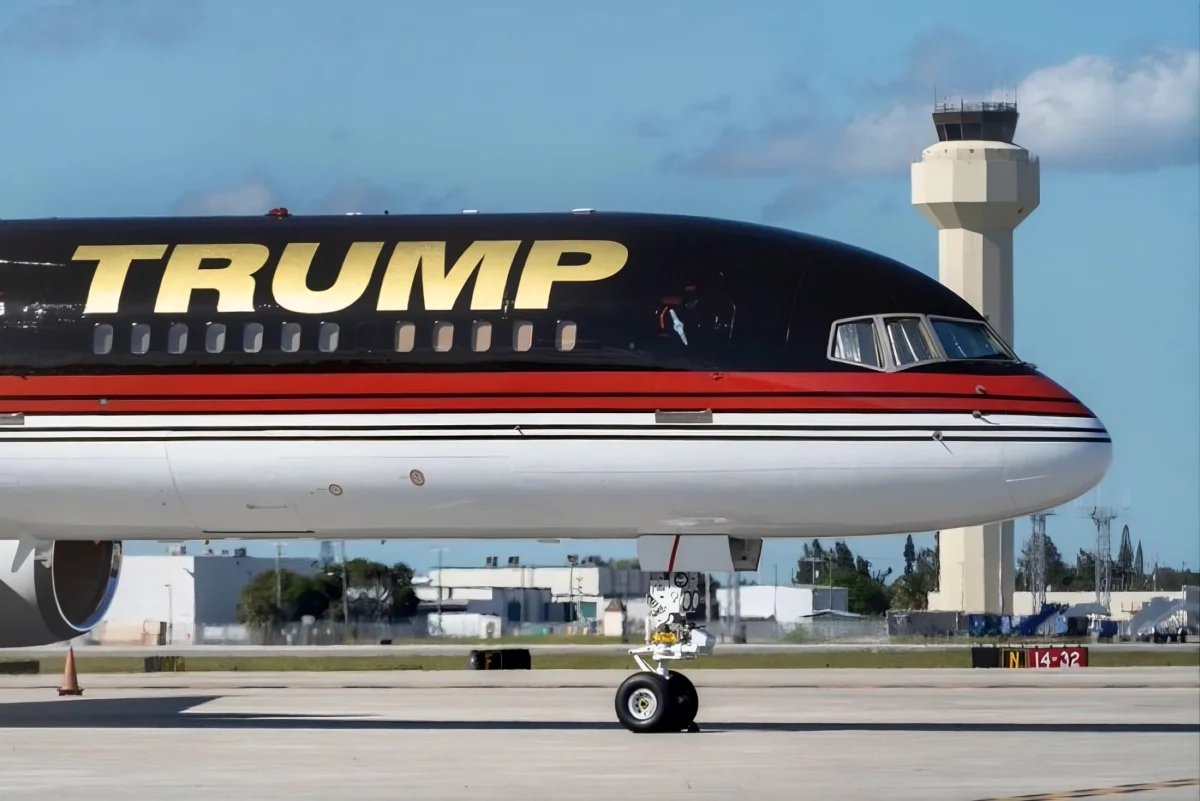
Palm Beach County officials and the Trump Organization have formally reached a licensing agreement regarding the use of Donald Trump’s name for the renaming of Palm Beach International Airport (PBI). The proposed agreement, which outlines the terms under which the facility will transition to its new identity as President Donald J. Trump International Airport, is scheduled for a definitive vote by the Palm Beach County Board of County Commissioners on Tuesday, May 5. This move follows a state legislative mandate that requires the airport to be renamed by mid-2026, provided that certain conditions regarding licensing and federal approval are met.
The renaming initiative stems from a recently enacted Florida law which stipulates that the airport "shall be renamed" in honor of the 45th President of the United States. According to the statute, the change is slated to take effect on July 1, 2026. However, the law’s implementation is contingent upon two primary factors: approval from the Federal Aviation Administration (FAA) and the execution of a formal agreement with the Trump Organization that ensures the county can use the name without incurring direct royalty costs.
Legislative Background and the Path to Renaming
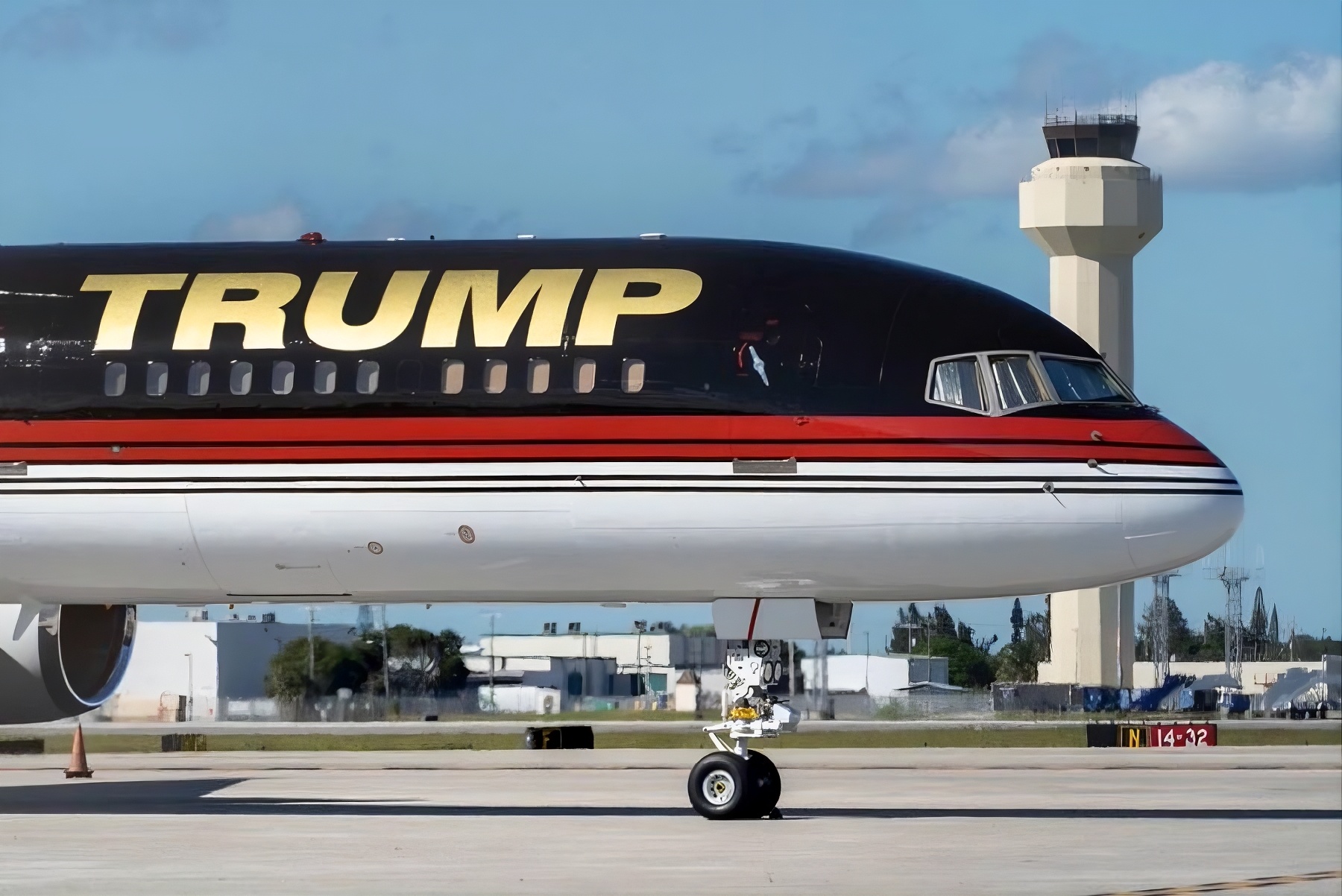
The push to rename Palm Beach International Airport began within the Florida Legislature, where proponents argued that the facility should reflect the legacy of the county’s most prominent resident. Donald Trump established Mar-a-Lago in Palm Beach as his primary residence and "Winter White House" during his presidency, making the local airport his frequent point of arrival and departure via Air Force One and, later, his private Boeing 757.
Florida lawmakers passed the renaming bill as part of a broader effort to honor the former president’s ties to the Sunshine State. The legislation was met with both fervent support from political allies and significant pushback from critics who questioned the propriety of renaming a major public utility after a contemporary political figure. A central point of contention during the legislative sessions was whether the Trump Organization would seek to monetize the naming rights. To address these concerns, supporters of the bill inserted language requiring that the name be provided to the county at no cost.
The resulting Naming Rights and License Agreement, which the Palm Beach County Commission will review, is the product of months of negotiations between county legal staff, DTTM Operations, LLC (a Trump-linked entity), and Donald J. Trump personally.
Terms of the Licensing Agreement
The agreement presented to the county commissioners is characterized by staff as a "perpetual, non-exclusive, royalty-free right" to utilize the name "President Donald J. Trump International Airport." This license covers all standard airport operations, including marketing materials, physical signage, digital branding, and general promotional activities.
While the county will not pay a direct fee for the use of the name on the airport itself, the agreement includes several specific provisions regarding the sale of merchandise and the protection of the Trump brand.
Merchandise and Retail Restrictions
One of the more complex components of the deal involves airport concessions. Under the terms of the agreement, any airport retailers wishing to sell merchandise bearing the new name of the airport must source those goods from entities designated by the Trump Organization. While Trump-linked entities are prohibited from profiting directly from the sale of Trump airport merchandise within the airport terminals—meaning the county or its third-party vendors retain those specific retail profits—the Trump Organization maintains the right to sell and profit from such merchandise through off-airport channels.
This creates a unique retail ecosystem where the branding of the public facility is tied to a private supply chain for souvenir and commemorative items. Critics of the arrangement suggest this allows for an indirect form of profit-sharing, while supporters maintain it ensures brand consistency and protects the intellectual property associated with the Trump name.
Non-Disparagement and Content Control
The agreement also includes a robust non-disparagement clause. Palm Beach County must agree not to use the airport’s name in any manner that could potentially tarnish or diminish the reputation of Donald J. Trump. Furthermore, the Trump Organization retains a degree of oversight regarding the use of biographical material related to the former president that may be displayed within the airport.
Legal analysts have noted that such clauses are rare in the context of public infrastructure named after political figures. While the agreement includes a "First Amendment carveout" intended to protect the free speech rights of the county and the public, the inclusion of brand-protection language introduces a private-sector legal framework into a public government operation.
Chronology of the Renaming Process
The transition from Palm Beach International to President Donald J. Trump International involves a multi-year timeline:
- Legislative Proposal (Early 2024): Florida legislators introduce the bill mandating the name change, citing Trump’s residency in Palm Beach.
- Statutory Enactment (2024): The Florida Governor signs the bill into law, setting a target date of July 1, 2026.
- Negotiation Phase (Late 2024 – Early 2025): County attorneys and representatives from DTTM Operations, LLC negotiate the specifics of the licensing and non-disparagement clauses.
- Commission Vote (May 5, 2025): The Palm Beach County Board of County Commissioners meets to approve or reject the negotiated license agreement.
- FAA Review (Post-Approval): Following a successful county vote, the proposal moves to the Federal Aviation Administration for technical review and updates to national aviation databases.
- Official Implementation (July 1, 2026): If all conditions are met, the name change becomes official, and physical signage replacement begins.
Logistical and Financial Implications
Renaming a major international airport is a significant undertaking that extends beyond changing the letters on the terminal facade. Palm Beach International Airport serves approximately 7 to 8 million passengers annually and is a critical hub for the South Florida region.
Signage and Infrastructure
The physical cost of the transition is expected to be substantial. Every piece of signage within the airport precinct, from road directional signs on I-95 and Southern Boulevard to gate markers and baggage claim monitors, must be updated. Estimates for similar airport renaming projects in other jurisdictions have ranged from several hundred thousand to over a million dollars, typically funded through airport operating revenues or passenger facility charges.
Aviation Systems and Coding
Beyond the physical site, the airport’s name must be updated in global distribution systems (GDS) used by airlines, travel agents, and booking websites. While the three-letter IATA code "PBI" is expected to remain unchanged to avoid mass confusion in flight planning and baggage routing, the descriptive name in air traffic control manuals and international aeronautical charts will require synchronization.
Comparative Context: Presidential Airports
Naming airports after former presidents is a long-standing American tradition, though the circumstances surrounding the Palm Beach transition are unique due to the private ownership of the "Trump" trademark.
Historically, airports have been renamed to honor presidents after they have left office or posthumously. Examples include:
- John F. Kennedy International Airport (JFK): Renamed in 1963 following the president’s assassination.
- Ronald Reagan Washington National Airport (DCA): Renamed in 1998 via federal legislation.
- George Bush Intercontinental Airport (IAH): Renamed in 1997 to honor the 41st president.
- Bill and Hillary Clinton National Airport (LIT): Renamed in 2012 in Little Rock, Arkansas.
In most of these instances, the names entered the public domain for the purpose of the facility’s branding, without the need for licensing agreements with private LLCs or non-disparagement clauses. The PBI agreement represents a hybrid model of public infrastructure and private brand management.
Public and Political Reactions
The renaming has sparked a variety of reactions from stakeholders. Supporters of the move, including many local business leaders and Republican officials, argue that the name change will serve as a permanent tribute to a president who considers Palm Beach his home. They believe the branding could potentially boost tourism among the former president’s base and solidify the region’s historical significance.
Conversely, opponents have raised concerns regarding the ethics of the agreement. Some members of the community have expressed discomfort with the non-disparagement clause, arguing that a public entity should not be legally bound to protect the reputation of a private individual. Others have pointed to the potential for passenger confusion, particularly given separate proposals in the U.S. House of Representatives to rename Washington Dulles International Airport after Trump as well.
Aviation experts have cautioned that having two major East Coast airports sharing the same name could lead to logistical errors, such as misdirected luggage or passengers inadvertently booking flights to the wrong destination. The Palm Beach agreement is seen by some as a move to "claim" the name first, potentially forestalling the Dulles proposal.
Impact on Operations and Branding
As the Tuesday vote approaches, the Palm Beach County Commission must weigh the legal requirements of state law against the specific terms of the Trump Organization’s license. If approved, the airport will begin a transition period that will likely see a surge in media attention and a significant rebranding effort.
The inclusion of the "royalty-free" provision satisfies the primary requirement of the Florida statute, but the secondary controls over merchandise and biographical content remain the most distinctive features of this deal. As the July 2026 deadline approaches, the eyes of the aviation and political worlds will be on Palm Beach to see how this unique intersection of public service and private branding unfolds.
For now, the focus remains on the May 5 meeting, where the commissioners will determine if the terms of the DTTM Operations, LLC agreement align with the county’s interests and the mandates set forth by the state legislature. Regardless of the outcome, the move marks a significant chapter in the history of Palm Beach International Airport and the ongoing debate over the naming of public assets in a polarized political landscape.








Leave a Reply