
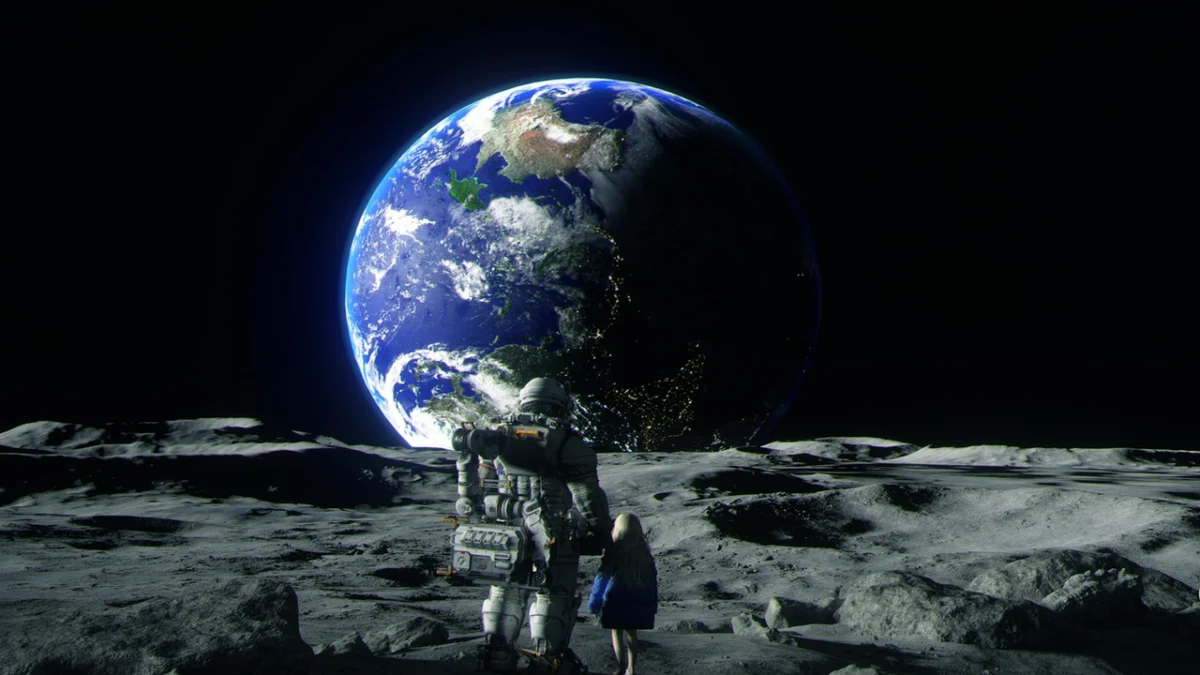
Capcom’s highly anticipated science fiction adventure, "Pragmata," has quickly cemented its status as one of the most acclaimed video games of 2026. Since its release on April 17, the title has garnered widespread praise from both critics and players alike, who have lauded its deeply resonant storyline, breathtakingly rendered environments, and compelling characters. The game plunges players into an engaging narrative centered on Systems Engineer Hugh Williams, a lone spaceman who finds an unlikely companion in Diana, a resourceful robotic girl. Together, they embark on a perilous journey for survival, facing a dire standoff at a lunar research station that has fallen under the control of a rogue artificial intelligence.
Directed by Yonghee Cho and penned by Haruo Murata, "Pragmata" made its debut simultaneously on PlayStation 5, Windows, Xbox Series X/S, and the newly launched Nintendo Switch 2. The core of the gameplay involves this unconventional duo battling hostile robotic forces and mutated creatures in a desperate bid to return to their home planet, Earth. The touching narrative of father-daughter bonding, coupled with the game’s lush, cinematic world-building, has already captivated a significant and patient fanbase.
A Visionary Director’s Approach to a New IP
Yonghee Cho, the director of "Pragmata," shared his insights into the arduous yet rewarding process of creating a brand-new intellectual property. "Designing something new as a creator is incredibly exciting, but at the same time, it’s an extremely challenging endeavor," Cho stated in an interview with Space.com. "Especially for a brand-new IP, it’s not enough for it to simply be new; it must have value, appeal, and provide enjoyment to audiences around the world. That means the game must be designed not only to be innovative, but it also needs to make that inventiveness easy for players to understand and embrace."
Cho elaborated on the significant hurdles faced during development, particularly in refining the game’s original mechanics. "I believe the greatest challenge in this project was refining its original game mechanics. We made countless iterations, adjusting and polishing the gameplay so it would feel approachable and genuinely fun to play."
Innovative "Hacking-Shooting" Gameplay Mechanics
At the heart of "Pragmata’s" unique gameplay is its "hacking-shooting" combat system. This innovative approach encourages players to engage in strategic thinking, constantly assessing how to most efficiently neutralize enemies by utilizing the full spectrum of available abilities. "Pragmata’s" hacking-shooting action gameplay was conceived to be most enjoyable when players think strategically regarding how to strike down enemies as efficiently as possible by using all the abilities available to them.
"In the middle of intense combat, making proper use of everything available to you – such as dodging an enemy attack with your thrusters, hacking them, and then finishing them off with a variety of weapons – delivers moments of catharsis that is unique to ‘Pragmata,’" Cho explained. "Personally, I am especially fond of the stylish thruster mechanic ‘Fast Moves,’ which adds a slow-motion effect if you dodge right before an enemy attack."
This emphasis on player agency and tactical decision-making within fast-paced combat sequences has been a significant factor in the game’s positive reception. The ability to seamlessly blend defensive maneuvers, strategic hacking, and offensive firepower provides a dynamic and engaging combat experience that sets "Pragmata" apart from its contemporaries.
Thematic Resonance: Humanity and Artificiality
The narrative of "Pragmata" delves into profound philosophical questions about the nature of humanity, particularly through the relationship between Hugh and Diana. Cho described how the characters were conceptualized not just as individuals but as a thematic duality. "Designing something new as a creator is incredibly exciting, but at the same time, it’s an extremely challenging endeavor," Cho stated. "Especially for a brand-new IP, it’s not enough for it to simply be new; it must have value, appeal, and provide enjoyment to audiences around the world. That means the game must be designed not only to be innovative, but it also needs to make that inventiveness easy for players to understand and embrace."
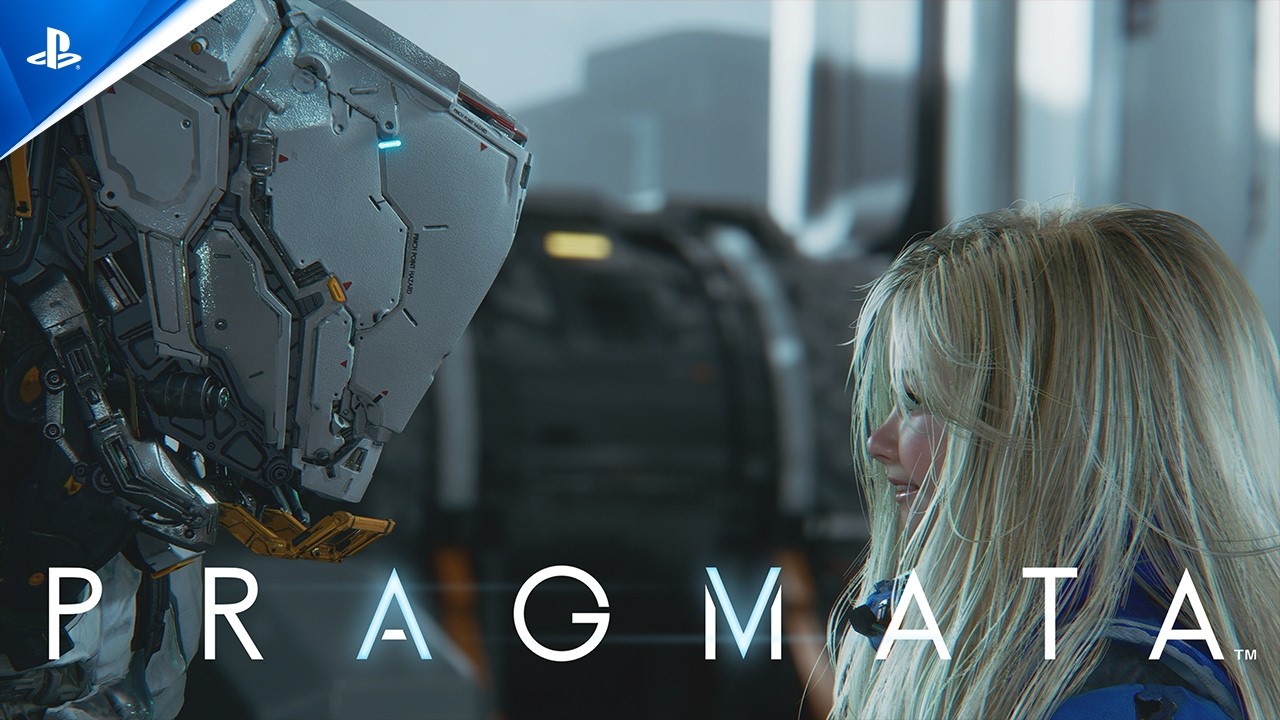
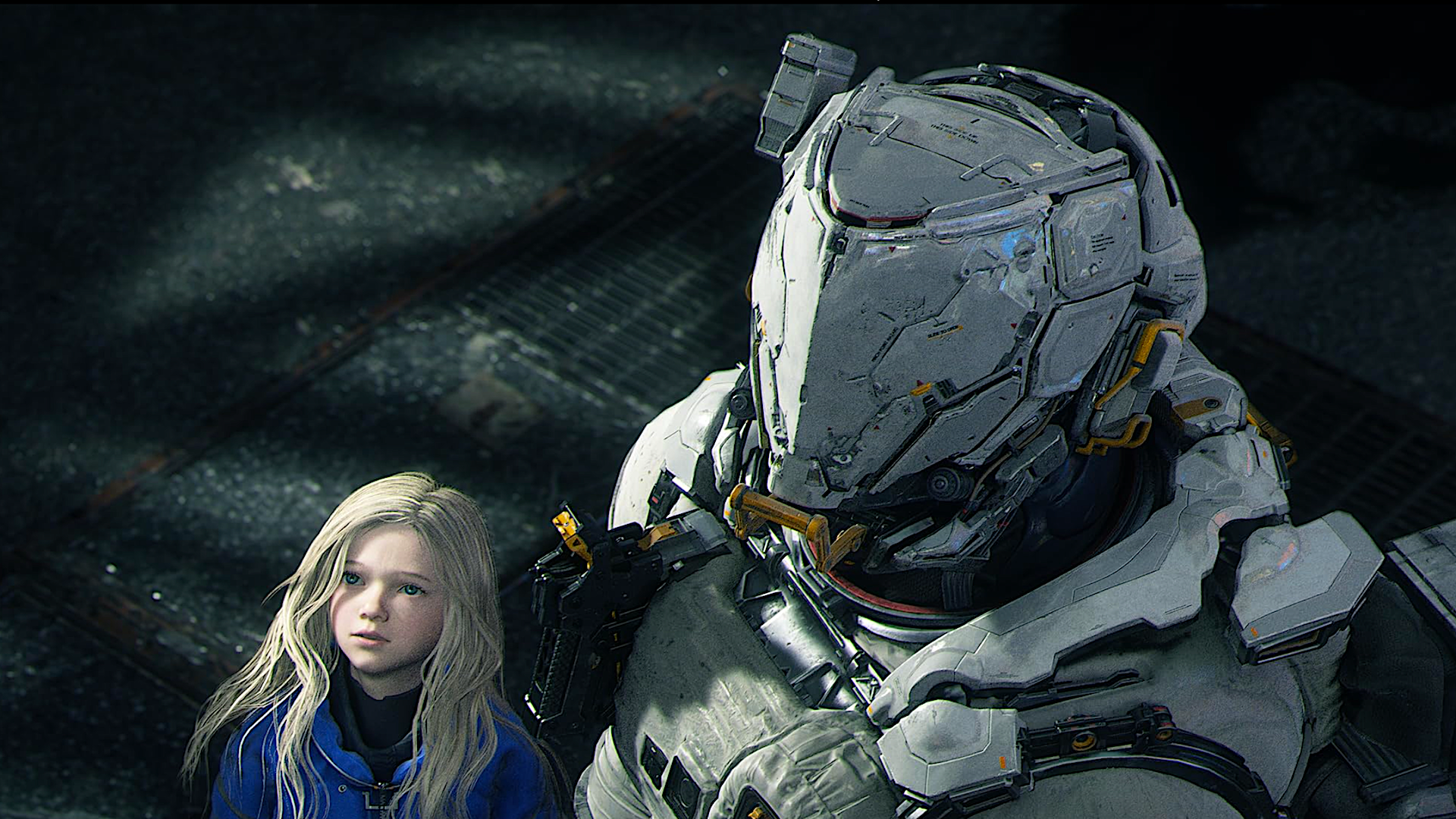
Cho revealed that from a design perspective, Hugh and Diana were conceived as a unified concept, yet their gameplay experience offers players the distinct sensation of controlling two vastly different entities. "At first glance, Diana might appear to be a supporting character, but she’s actually one of the main characters and is extremely important," he revealed. "Because of that, it was essential to give her bright, colorful, and highly noticeable colors that stand out clearly from backgrounds and the surrounding environment. An important point of focus was making Diana a character who doesn’t feel like a burden – even if she has the appearance of a child – and instead making her a character you want to have around."
Celestial Symbolism in Character Design
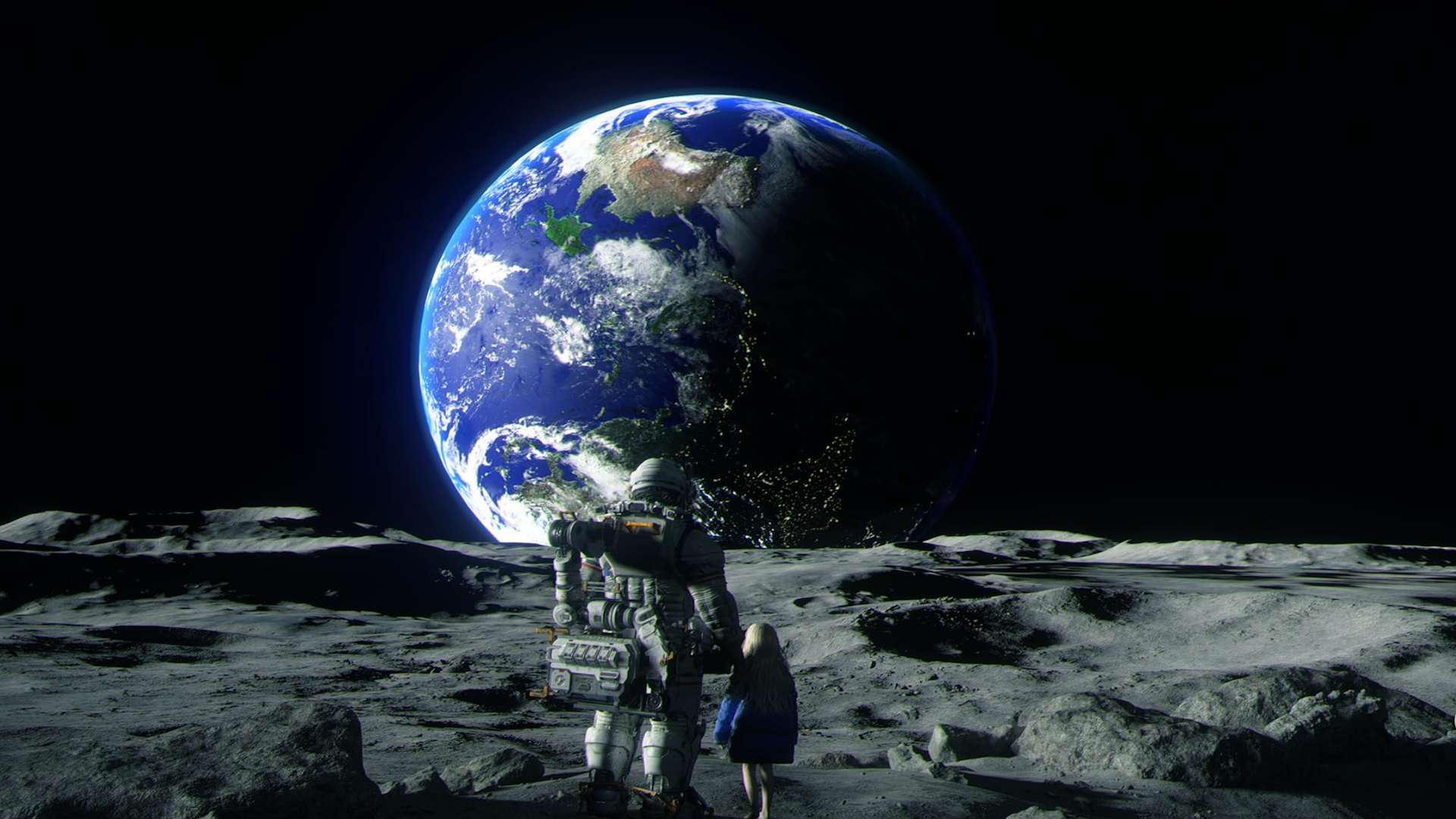
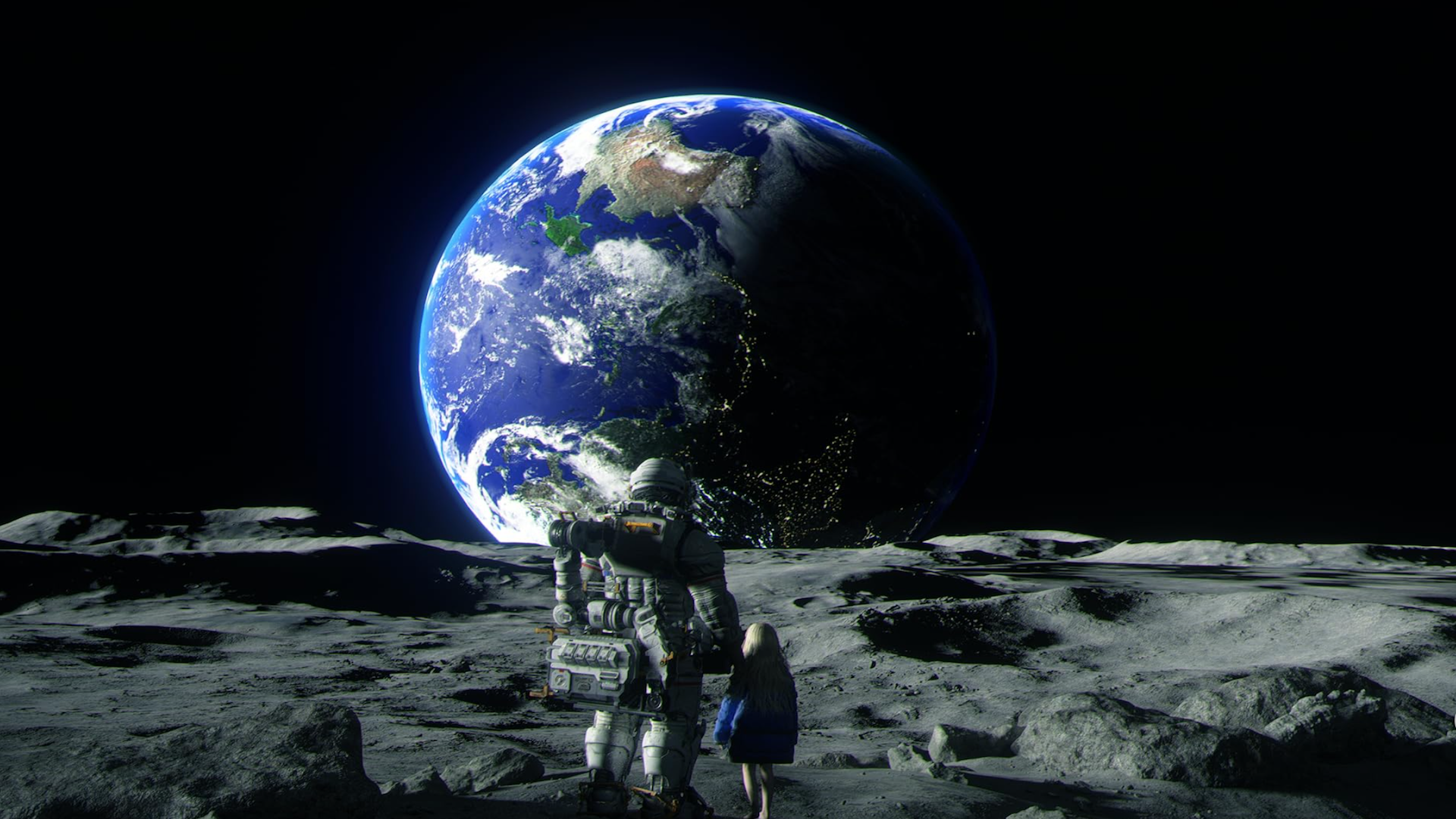
Beyond their narrative significance, the character designs for Hugh and Diana are imbued with celestial symbolism, reflecting the game’s lunar setting and thematic exploration of Earth and its connection to humanity. "The colors of the two characters, white and blue, represent the Moon and Earth, respectively," explained Cho. "Diana is an android born on the Moon, but she was given a blue color scheme to symbolize childlike curiosity and hope. As a result, Diana, despite being an android, comes across as more human, while Hugh can appear more robotic, creating a deliberate sense of contrast. Through these character designs, we wanted to evoke the question: ‘What does it mean to be human?’"
This deliberate juxtaposition of human and artificial elements, visually represented by the stark contrast between Hugh and Diana’s color palettes and personalities, serves as a central pillar of the game’s thematic exploration. It prompts players to contemplate the very essence of what constitutes humanity, emotion, and consciousness in an increasingly technologically advanced future.
A Nostalgic Influence and Evocative Soundtrack
Director Yonghee Cho acknowledged the profound influence of 1980s and 1990s Hollywood cinema, Japanese manga, and video games on his creative vision for "Pragmata." This nostalgic sensibility is further amplified by the game’s evocative musical score, composed by Yasumasa Kitagawa.
"Although ‘Pragmata’ is set in space – specifically, on the Moon – it places less emphasis on grand, epic sci-fi and instead focuses more on the drama created through the relationship between the main characters," Cho noted. "One of the most important elements of the game was incorporating a vocal track that would leave a lingering emotional impression. I felt that a piano melody would perfectly suit the loneliness of space, so I requested he create a melancholic piece centered around the piano. Thanks to Mr. Kitagawa’s exceptional sense and talent, the song ultimately took its current form."
The soundtrack masterfully complements the game’s narrative arc, with distinct musical themes for different gameplay scenarios. "Separate from the main theme, the combat music you hear during fights with Bots was composed to contrast with the warmth of Hugh and Diana’s relationship," Cho elaborated. "By using metallic, heavy, and tension-filled music, we aimed to create an atmosphere that felt like it contributed to Hugh and Diana’s strengthening resolve to work together."
This deliberate contrast in the score effectively heightens the emotional impact of the game, underscoring the personal stakes of Hugh and Diana’s journey amidst the vast and often hostile expanse of space. The music serves not merely as background ambiance but as an integral storytelling tool, guiding the player’s emotional experience.
Release and Availability
"Pragmata" is now available for purchase and download on the following platforms:
- PlayStation 5
- Windows PC
- Xbox Series X|S
- Nintendo Switch 2
The game’s multifaceted appeal, combining a compelling narrative, innovative gameplay, and thematic depth, positions it as a significant contender for accolades within the gaming industry for the year 2026. Its success underscores a growing player demand for experiences that offer not only engaging entertainment but also meaningful emotional resonance and thoughtful exploration of complex themes. The continued success of "Pragmata" is likely to influence future game development, encouraging a greater focus on narrative depth and character-driven experiences within the science fiction genre.









Leave a Reply