
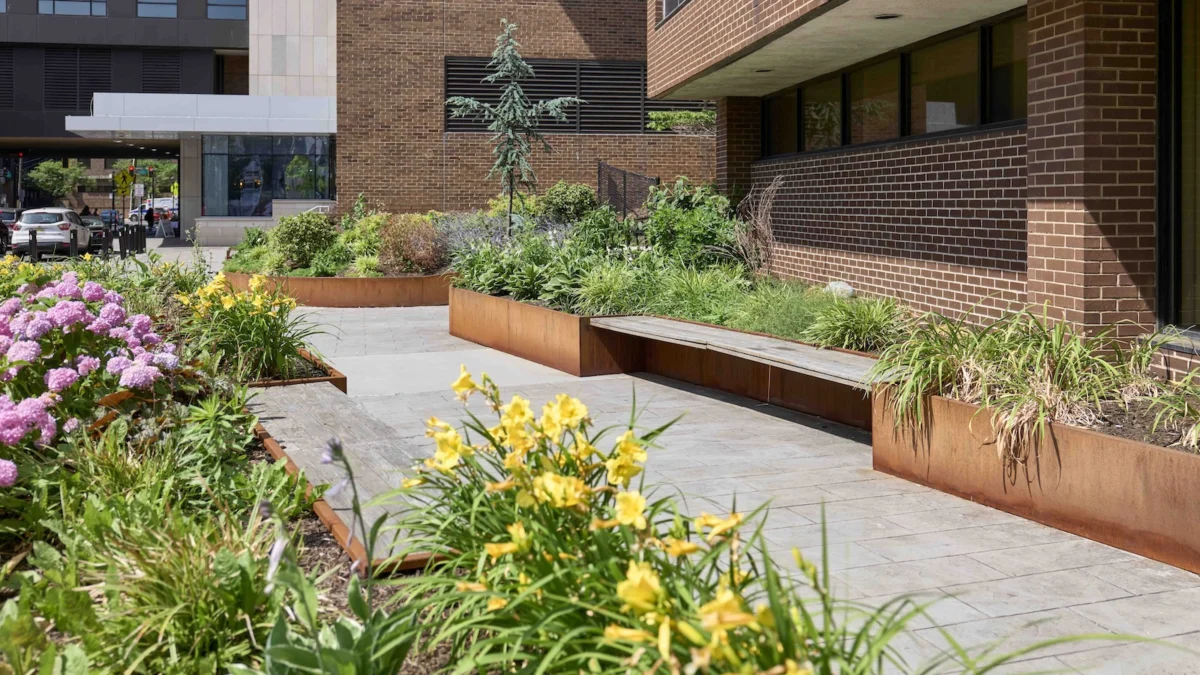
The historical legacy of John Chapman, better known as Johnny Appleseed, is frequently viewed through the lens of American folklore, yet his lifelong mission of planting trees across the frontier carries a profound scientific resonance in the 21st century. While Chapman’s primary motivation was the cultivation of cider-producing orchards, his contribution to the landscape provided a crucial byproduct that modern urban planners are now desperate to replicate: shade. As global temperatures continue to shatter historical records, the absence of robust tree canopies in metropolitan areas has transformed cities into thermal traps. Two landmark studies released recently underscore a critical reality: trees are no longer a mere aesthetic luxury but a vital component of "living infrastructure" essential for human survival in an era of extreme heat.
The Mechanics of the Urban Heat Island Effect
To understand the necessity of urban reforestation, one must first examine the phenomenon known as the Urban Heat Island (UHI) effect. In a natural environment, vegetation manages solar radiation through a combination of shade and evapotranspiration—a process often described as a plant "sweating." As moisture evaporates from leaves, it consumes heat energy, effectively cooling the surrounding air. Conversely, the "gray infrastructure" of modern cities—composed of asphalt, concrete, and steel—possesses high thermal mass and low albedo. These materials absorb the sun’s energy throughout the day and radiate it back into the atmosphere long after sunset.
This thermal retention prevents the nighttime cooling that is historically characteristic of temperate regions. For urban residents, particularly those without access to air conditioning, this lack of respite can be fatal. According to data from the American Public Health Association, extreme heat now kills more Americans annually than hurricanes, floods, and tornadoes combined. Globally, the toll is even more staggering, with some estimates suggesting that heat-related complications claim upwards of 350,000 lives every year.
Quantifying the Cooling Dividend: New Research Findings
Recent empirical evidence provides a clear roadmap for how cities can leverage nature to combat these rising temperatures. The first major study, published in Nature Communications and led by Robert McDonald, a lead scientist for nature-based solutions at The Nature Conservancy, utilized high-resolution satellite imagery and climate modeling to assess the impact of existing urban forests. The research concluded that current tree cover already cancels out approximately half of the heat island effect in many global cities. Without these existing canopies, the UHI effect would likely be double its current intensity, rendering many urban centers virtually uninhabitable during peak summer months.
The second study, conducted by the Healthy Green Spaces Coalition, analyzed 65 American cities to determine the temperature variance between neighborhoods with high and low canopy density. This report identified a "cooling dividend"—a measurable reduction in temperature directly attributable to tree cover. The findings were remarkably consistent: neighborhoods with significant greenery experienced 20 to 40 percent less excess heat than their "canopy-deprived" counterparts. In many instances, the temperature gap between a lush, tree-lined street and a concrete-heavy industrial district reached nearly 4 degrees Fahrenheit.
Steve Whitesell, executive editor at the Healthy Green Spaces Coalition, noted that the consistency of the data across diverse geographic regions—from the humid Southeast to the arid West—highlights the universal efficacy of trees as a cooling mechanism. "I think what maybe was surprising is that there was a dramatic amount of consistency," Whitesell stated. "In other words, they were all showing an impact."
The Socioeconomic Divide and the History of Urban Planning
The distribution of urban greenery is rarely equitable, often mirroring historical patterns of disinvestment and systemic inequality. In the United States, the disparity in tree cover is frequently a remnant of mid-20th-century "redlining" practices, where lower-income and minority neighborhoods were denied the investments seen in wealthier suburbs. Today, these areas are often characterized by vast stretches of concrete, industrial zoning, and high-density housing developments that lack integrated green space.
This environmental injustice means that the most vulnerable populations—including the elderly, those with pre-existing respiratory conditions, and low-wage workers—are forced to endure the highest temperatures. While affluent neighborhoods often enjoy private yards, public parks, and curbside oaks, industrialized urban centers function as heat sinks. Policymakers have historically prioritized "gray infrastructure"—roads, sidewalks, and utility lines—over the "living infrastructure" of a healthy urban forest.
The historical precedent for integrating nature into the city dates back to the Industrial Revolution. As cities like London and Manchester became choked with smog and overcrowding, the public health benefits of "green lungs" became apparent. In the mid-1800s, Paris underwent a massive transformation under Baron Haussmann, who took inspiration from London’s public parks to rebuild the city with wide, tree-lined boulevards and expansive green spaces. Today, modern planners are looking to these 19th-century models to blur the lines between the rural and the urban, effectively bringing the "country" back into the city.
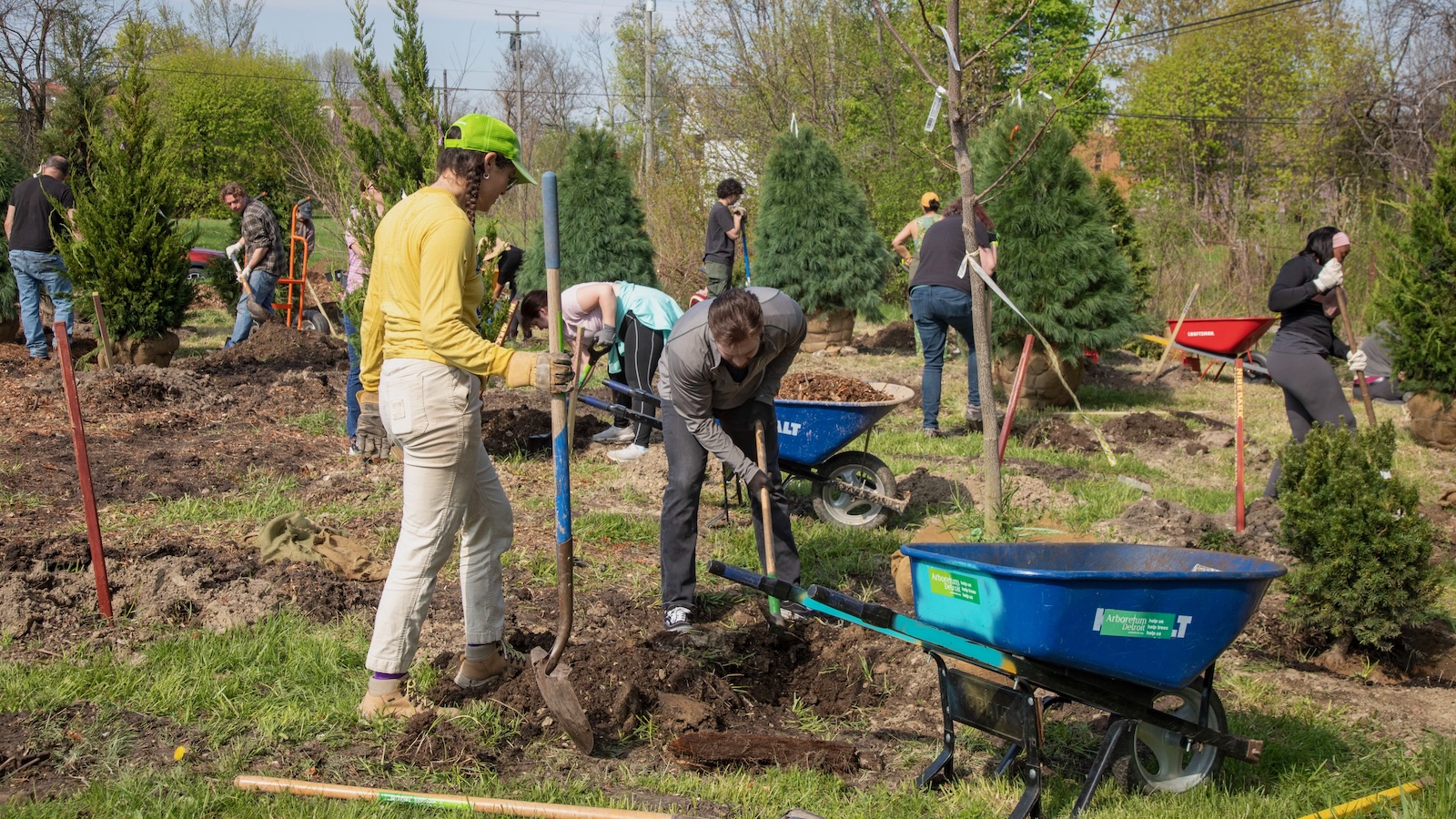
Strategic Reforestation: Choosing the Right Species
Planting trees is not a one-size-fits-all solution; it requires meticulous arboricultural planning. To maximize the cooling effect, urban arborists must select species based on their physiological traits and their ability to survive a changing climate. Large-canopy species provide the most significant shade, but their water requirements can be a liability in drought-prone regions.
Furthermore, the process of evaporative cooling varies by species. Some drought-adapted trees are designed to retain moisture, which limits their ability to cool the surrounding air through transpiration. Conversely, trees that "sweat" more profusely require a reliable water source to remain healthy. There is also a growing movement toward "food justice" in urban forestry, with cities like Atlanta and Los Angeles experimenting with fruit-bearing trees that provide both shade and nutrition for local communities.
Climate change adds a layer of complexity to these selections. As hardiness zones shift northward, native species that thrived for centuries are beginning to struggle. Arborists are now forced to look at "climate-ready" trees—species that may not be native to a specific city today but are expected to thrive in the projected temperatures of 2050 or 2080. Edith de Guzman, a researcher at the University of California, Los Angeles, emphasizes that viewing trees as infrastructure is paramount. "I think it’s pretty much the most important thing we can do," she noted regarding the use of living systems to counter rising heat.
The Limits of Nature-Based Solutions
While the benefits of urban canopies are undeniable, scientists warn that trees alone cannot solve the climate crisis. The study led by Robert McDonald found that even if cities were to maximize their planting potential, tree cover would only offset approximately 20 percent of the projected temperature increases caused by global climate change.
To achieve comprehensive heat management, urban designers must employ a multi-pronged strategy. This includes the adoption of "cool roofs"—rooftops coated with reflective materials that bounce solar radiation back into space—and the use of permeable, light-colored pavements. These technological interventions are particularly crucial in rapidly growing cities within developing nations, where rapid urbanization often outpaces the ability to plant and maintain urban forests.
"It’s just to say that climate change is a big enough challenge that while planting more tree cover helps with temperatures, it won’t do the job by itself," McDonald cautioned. The integration of living infrastructure must be paired with aggressive decarbonization and innovative architectural standards to protect urban populations.
Future Implications and the Path Forward
The transition toward "green" cities represents a fundamental shift in how humanity perceives the urban environment. For over a century, the goal of urban development was to conquer nature, replacing soil with stone and forests with skyscrapers. The current heat crisis has proven that this model is unsustainable.
The economic implications of urban reforestation are also significant. Beyond the reduction in heat-related healthcare costs, increased tree cover has been shown to boost property values, reduce energy consumption by lowering the demand for air conditioning, and improve the mental well-being of residents. The "biophilia" hypothesis suggests that humans have an innate need to connect with nature, and the presence of trees in urban settings has been linked to lower cortisol levels and reduced rates of depression.
As cities like New York, Atlanta, and Los Angeles begin to implement aggressive "Million Tree" initiatives, the focus is shifting from mere quantity to long-term stewardship. Planting a tree is a momentary act, but maintaining a canopy requires decades of investment in irrigation, pruning, and soil health.
In the words of Robert McDonald, "We know how to increase tree cover, if we put our minds to it. But it takes effort and time." The lessons of the past, from the orchards of Johnny Appleseed to the boulevards of Haussmann’s Paris, provide a blueprint for a cooler, more resilient future. The challenge for the modern era is to treat the urban forest not as a decorative afterthought, but as the very life-support system that will allow the world’s cities to survive a warming planet.








Leave a Reply