
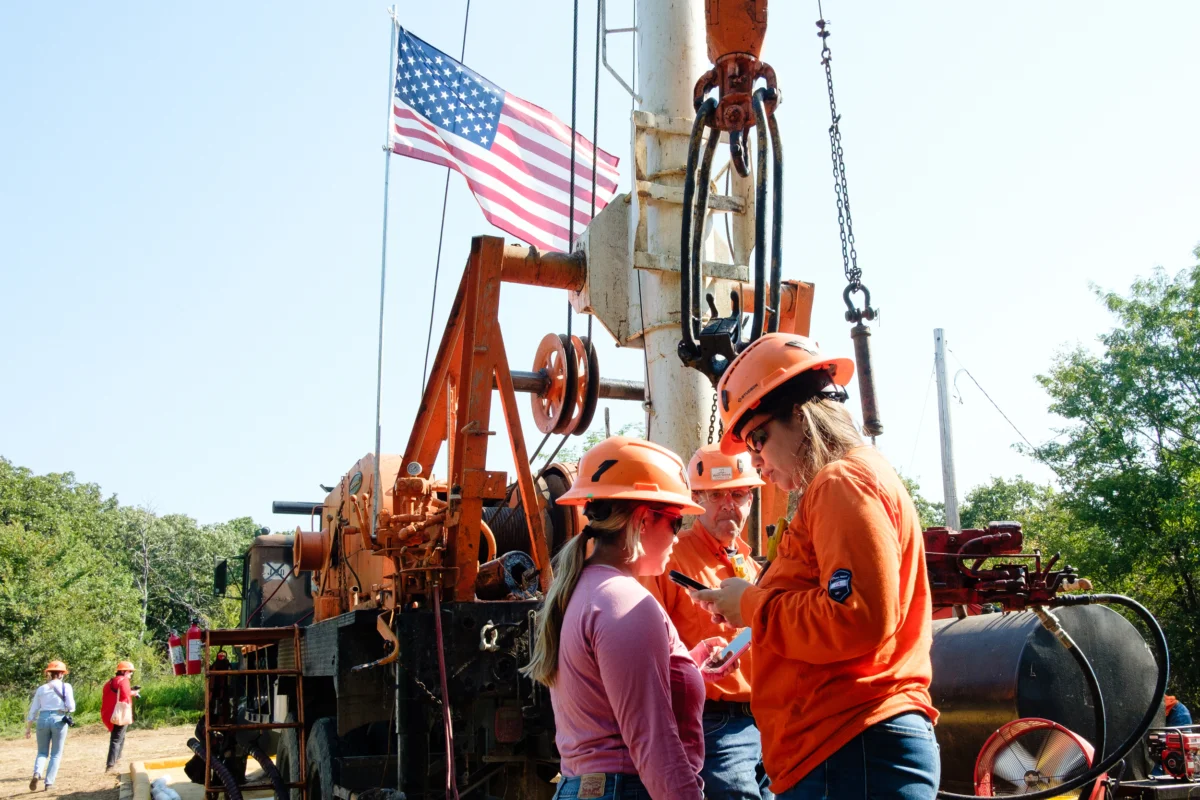
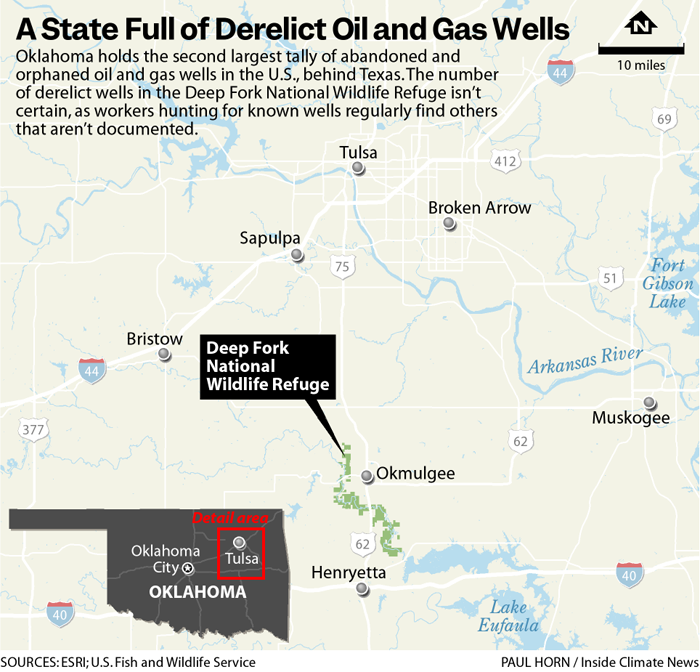
In the dense, humid thickets of the Deep Fork National Wildlife Refuge near Okmulgee, Oklahoma, the air is often thick with the scent of diesel, decaying vegetation, and the unmistakable sulfurous rot of escaping subterranean gases. Here, amidst a landscape meant for conservation, a specialized crew is engaged in a high-stakes, dangerous, and foul-smelling operation: cleaning up the mess left behind by a century of oil and gas extraction. This effort, led by the Well Done Foundation (WDF), represents a tiny but vital dent in what federal officials describe as a multi-billion-dollar environmental crisis—the millions of abandoned and orphaned oil and gas wells (AOOG) scattered across the United States.
The problem is a byproduct of a century-old industry truism: when the boom ends and the wells run dry, some operators find it more profitable to walk away than to pay for the expensive process of remediation. This practice of "deliberate abandonment" has left a toxic legacy that now threatens air quality, groundwater, and global climate stability. As of 2023, the Environmental Protection Agency (EPA) estimated that there are approximately 3.7 million abandoned and orphaned wells in the U.S., out of the 4 to 5 million drilled since the birth of the industry in 1859.
The Scope of a National Environmental Crisis
The distinction between an "abandoned" well and an "orphaned" well is primarily one of legal responsibility. An abandoned well has a known owner of record who has ceased production but failed to properly seal the site. An orphaned well is one where the owner is unknown, insolvent, or has long since vanished, leaving the financial burden of cleanup to taxpayers and state agencies.
According to EPA data, 58 percent of the abandoned wells it has logged remain unplugged. Even those that were "plugged" decades ago are often failing; early remediation techniques were frequently rudimentary, sometimes involving nothing more than stuffing the hole with wood, rocks, or debris. Today, these failing seals allow methane—a greenhouse gas roughly 80 times more potent than carbon dioxide over a 20-year period—to vent directly into the atmosphere. The EPA’s 2024 Greenhouse Gas Inventory ranked AOOG wells as the fifth-largest methane emitter in the U.S. energy sector, spewing 303 kilotons of the gas annually.
Beyond atmospheric concerns, the physical hazards are localized and severe. A 2023 peer-reviewed study led by McGill University civil engineer Mary Kang revealed that 13 percent of Americans—approximately 4.6 million people—live within a half-mile of an AOOG well. These sites can leak "produced water," a hyper-saline brine contaminated with heavy metals, volatile organic compounds like benzene, and even radioactive materials, into aquifers and surface waters.
A History of Regulatory Failure and "Shell" Games
The proliferation of these wells is not merely an accident of history but the result of decades of lax regulation and political maneuvering. Historically, state and federal agencies required oil and gas operators to post surety bonds intended to cover the cost of plugging wells. However, these bond amounts were often set in the 1950s or 1960s and never adjusted for inflation. In many states, a bond might be as low as $10,000 to $25,000 for an entire "blanket" of wells, while the actual cost to plug a single well can exceed $70,000.
The financial incentive to abandon wells is so strong that it has fostered a sub-industry of corporate shell games. In December 2023, the New Mexico Attorney General filed a lawsuit against three Texas oilmen, accusing them of transferring more than 500 unproductive wells to shell companies designed specifically to declare bankruptcy. This maneuver was intended to shield the parent company from remediation costs, effectively orphaning the wells and shifting the cleanup bill to the state.
While the Bureau of Land Management (BLM) finalized a rule in early 2024 to update bonding requirements on federal lands for the first time in 40 years, the regulatory landscape remains volatile. Political shifts have seen these rules challenged, with some industry advocates, such as the Western Energy Alliance, arguing that increased bond requirements constitute an undue burden on energy development.
The Well Done Foundation: A "Get-Shit-Done" Approach
Against this backdrop of legal battles and environmental decay, Curtis Shuck, a former oil industry executive, founded the Well Done Foundation. Shuck describes himself as a showman—the "P.T. Barnum" of abandoned wells—but his mission is pragmatically focused on remediation. WDF raises private funds and applies for federal grants to locate, measure, and plug orphaned wells that state agencies haven’t yet reached.
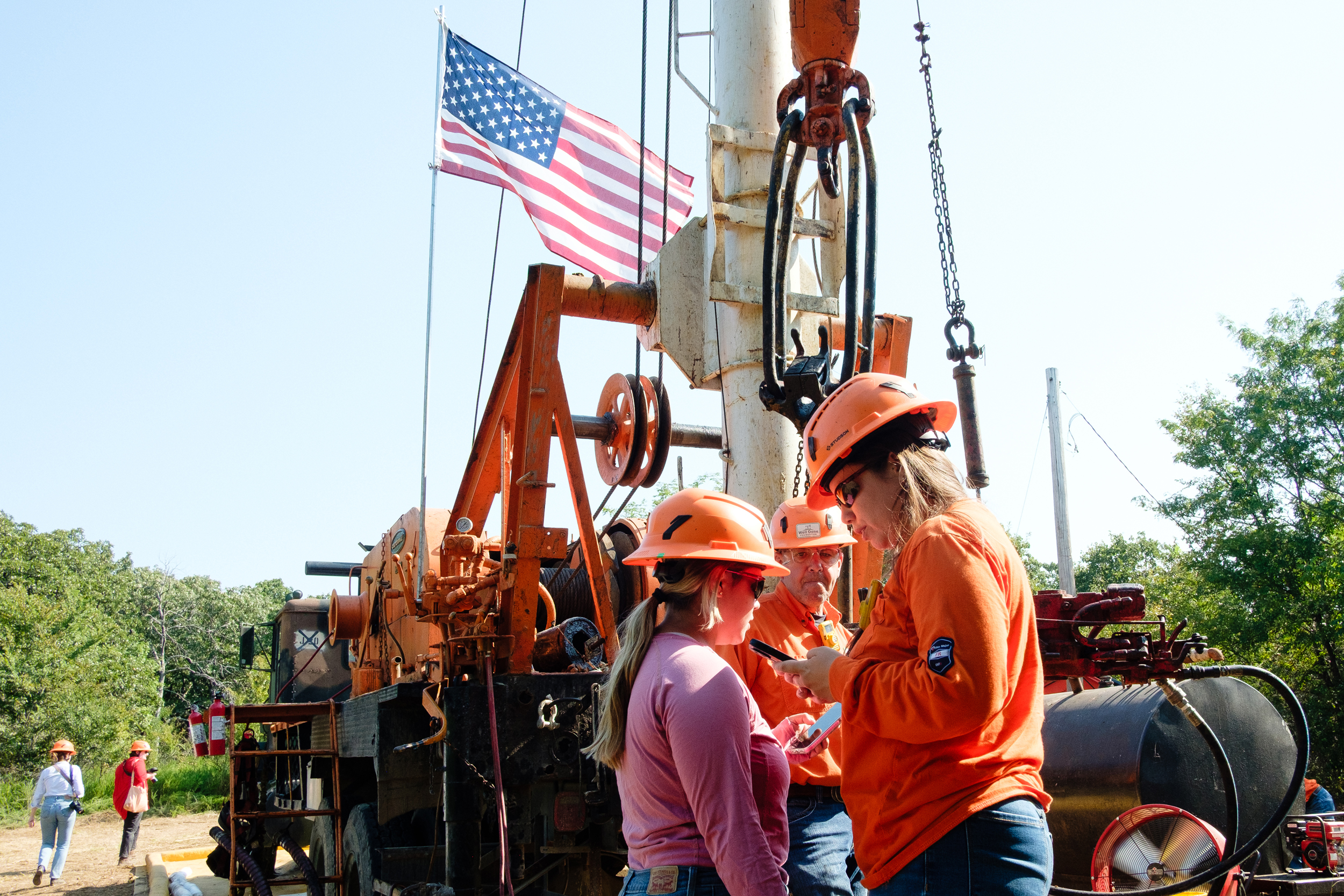
In late 2024, the U.S. Fish and Wildlife Service (USFWS) awarded Shuck’s venture a $19.3 million grant under the National Wildlife Refuge System Enhancements program, funded by President Joe Biden’s Infrastructure Investment and Jobs Act (IIJA). This grant targeted 111 orphaned well sites across five national wildlife refuges, including the Deep Fork National Wildlife Refuge in Oklahoma.
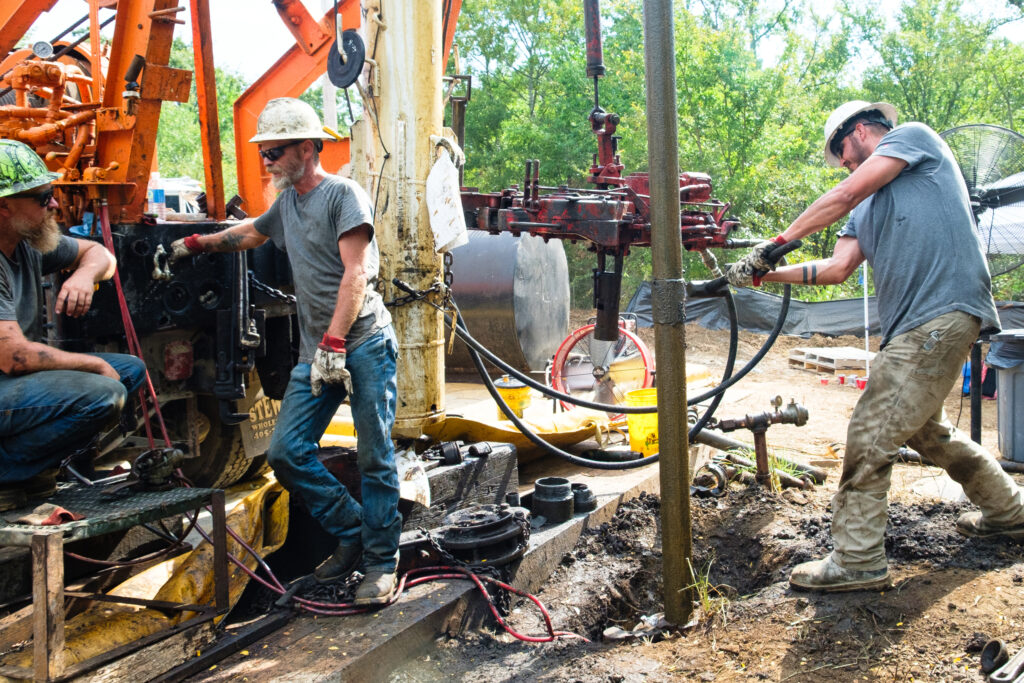
The work is grueling and technically complex. At the Doneghy #2 well in Deep Fork, crews worked in 110-degree heat to disassemble a 2,252-foot-deep bore hole. Plugging a well is essentially "drilling in reverse." It requires removing thousands of feet of steel casing and pump rods, imaging the subsurface conditions with sound waves, and finally pumping specialized cement into the hole to create a permanent, airtight seal.
Environmental Stewardship in the Deep Fork Refuge
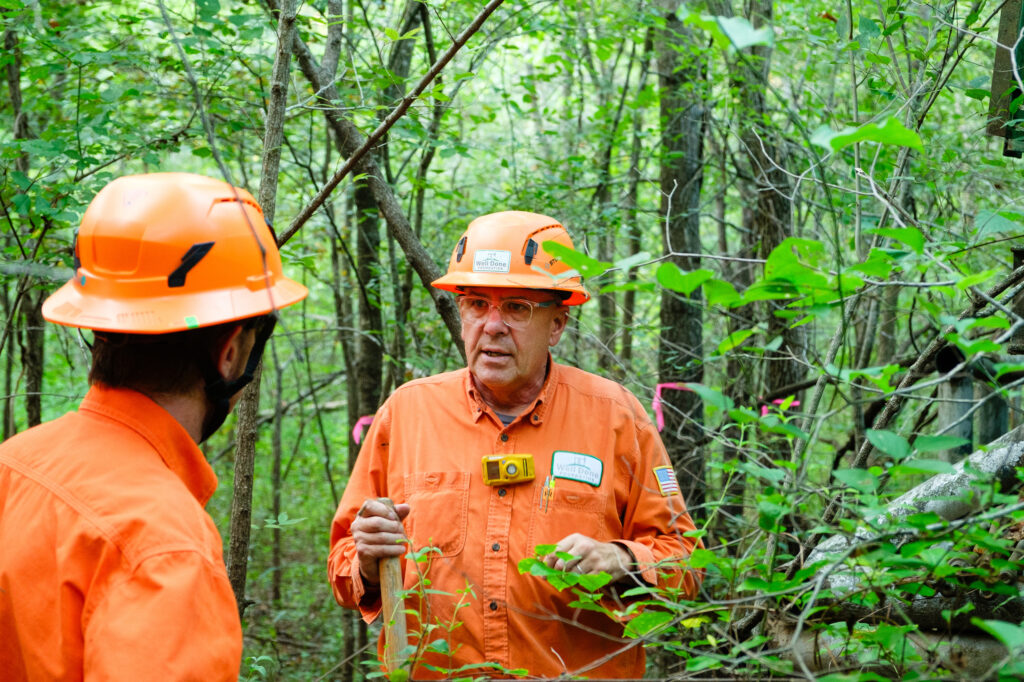
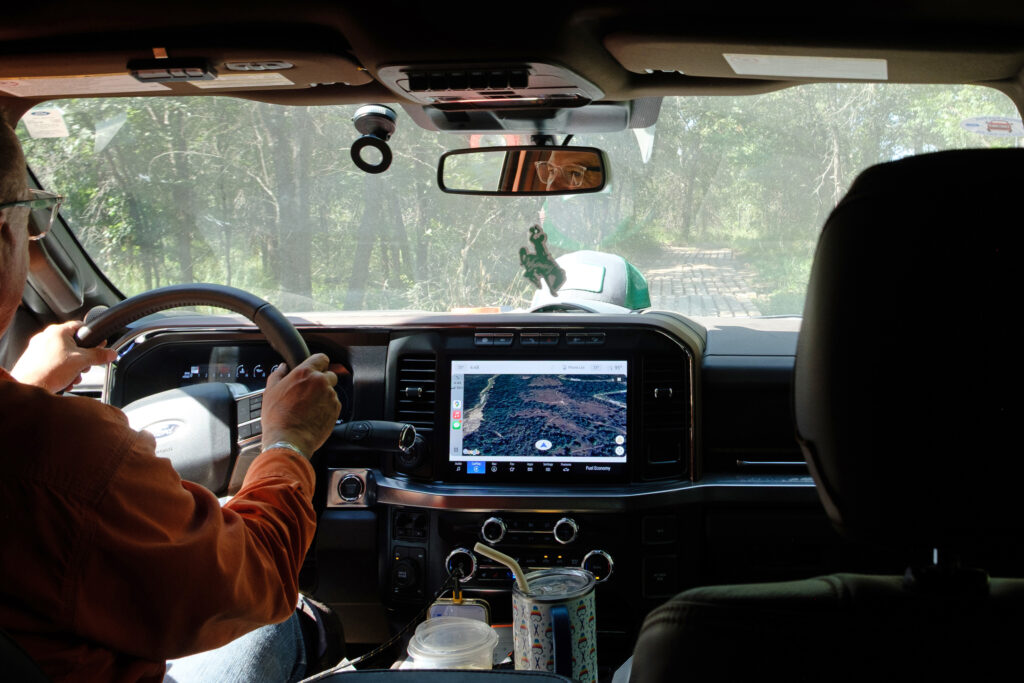
Remediating wells in a national wildlife refuge adds layers of complexity that standard oilfield operators rarely encounter. The Deep Fork Refuge is a critical habitat for 149 bird species, 59 fish species, and the endangered American burying beetle. It is also home to the tri-colored bat, a species currently proposed for endangered status.
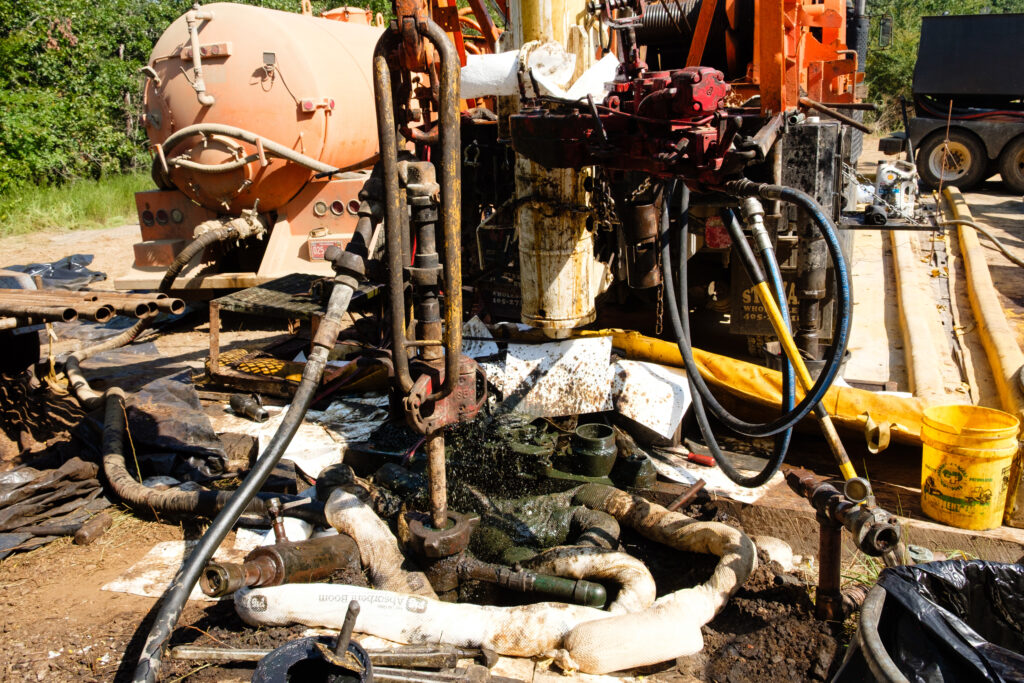
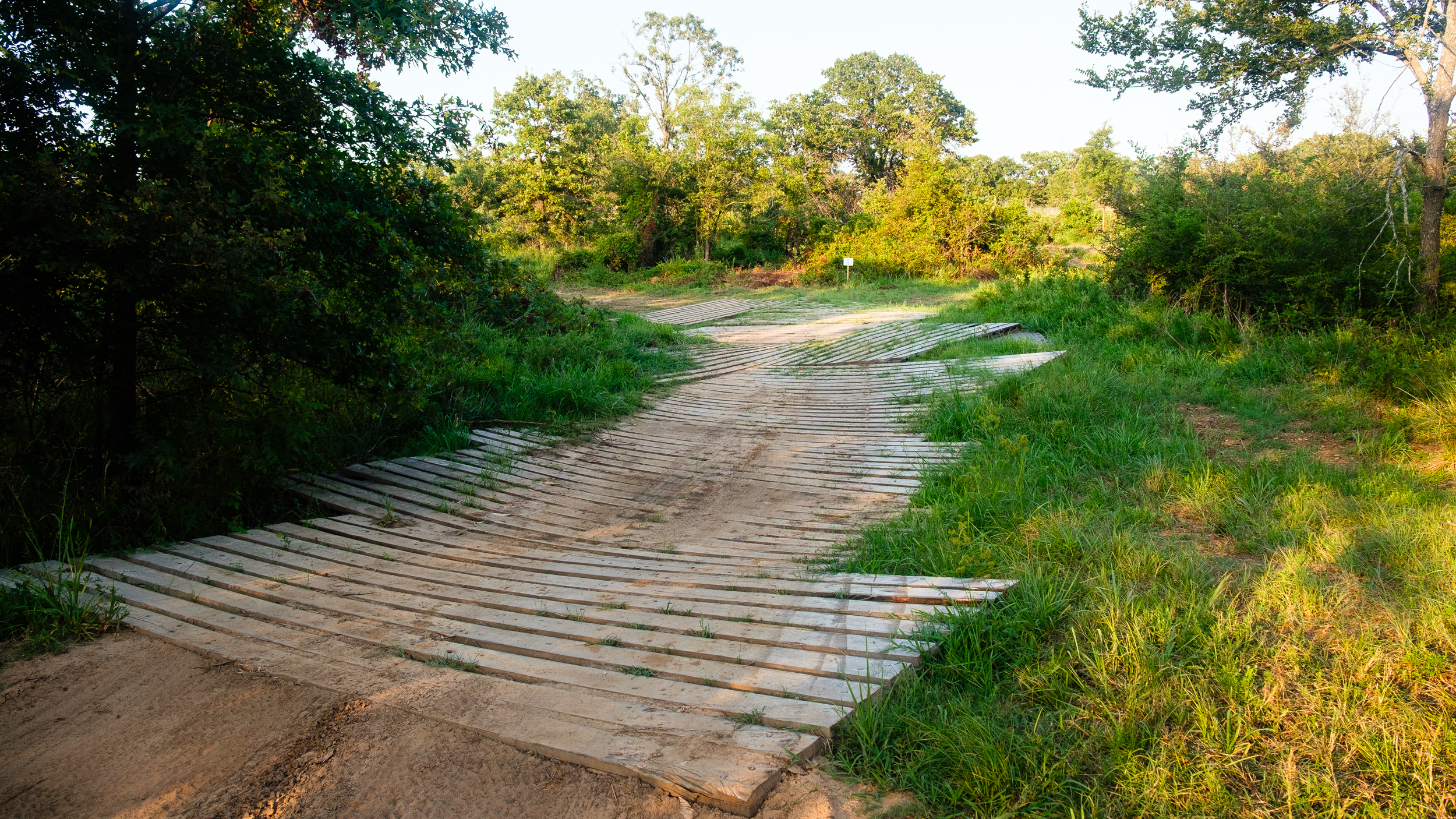
To protect these species, the USFWS and WDF operate under strict constraints. Plugging operations are limited to specific two-week windows to avoid disrupting the bats’ hunting cycles. Crews must use hardwood "mat roads" to prevent heavy machinery from crushing the forest floor. Containment trays are placed under every truck and generator to catch even a single drop of leaked hydraulic fluid, and all pulled equipment is scanned for naturally occurring radioactive material (NORM) before it can be removed for scrap.
"It’s a whole different world," says Joseph Bailey, owner of Bailey’s Well Service and a contractor for WDF. "There’s containment inside containment. It’s about safety for the environment as much as for the personnel."
Political Volatility and the Future of Funding
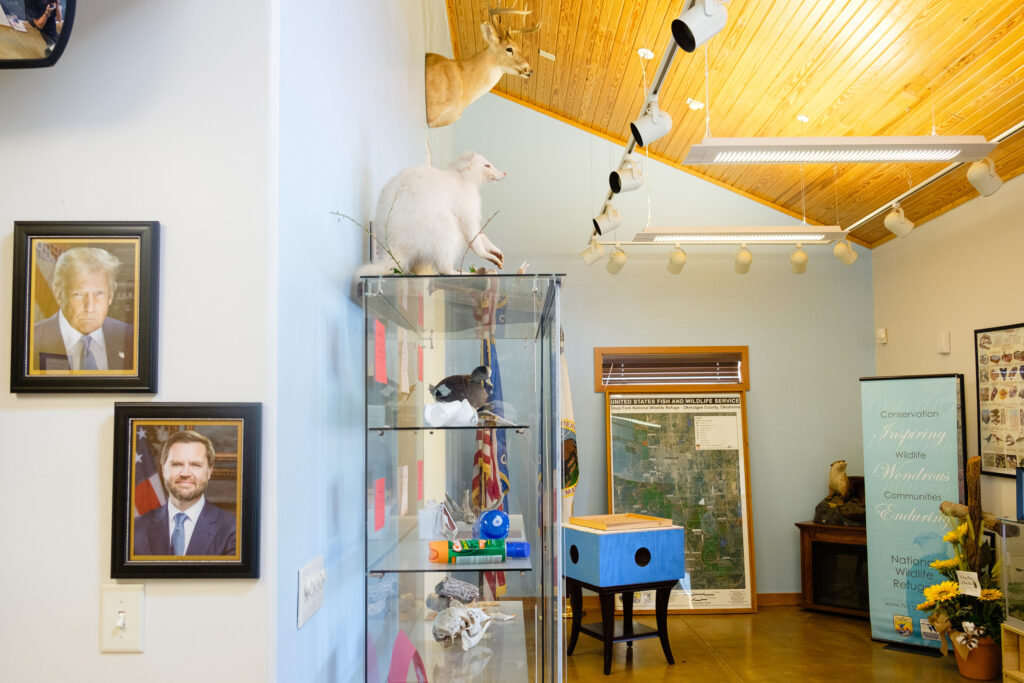
The future of these remediation efforts is currently clouded by shifting political winds. While the IIJA allocated $4.7 billion for well plugging—a historic investment—the transition to a new administration has brought uncertainty. President Donald Trump’s "Unleashing American Energy" executive order, signed in early 2025, directed the removal of impediments to energy development. This led to a temporary pause in the dispersal of plugging funds to several states as the Department of the Interior re-evaluated its programs.
The 26 states that have applied for IIJA funding have identified a collective 126,806 AOOG wells on state and private lands, with an estimated cleanup cost exceeding $9 billion. Despite the political rhetoric, the economic impact of the program has been significant. A 2025 report to Congress indicated that the Orphaned Wells Program supported over 5,000 jobs and contributed nearly $1 billion to the national GDP in a single year.
In Oklahoma, the discrepancy between official records and independent data highlights the difficulty of the task ahead. While the Oklahoma Corporation Commission listed approximately 17,000 orphaned wells in 2024, a report by Carbon Tracker suggested the actual number could be as high as 288,000.
Conclusion: A Legacy to Reclaim
For Curtis Shuck and his team, the work continues regardless of the debate in Washington. By the end of 2030, if funding remains stable, WDF hopes to have cleared all known orphaned wells from the Deep Fork Refuge.
The issue of abandoned wells is one of the few environmental challenges that offers a clear, tangible solution: you find the hole, and you fill it with cement. While it does not solve the broader complexities of climate change, it removes a direct source of pollution and restores the landscape to its original state.
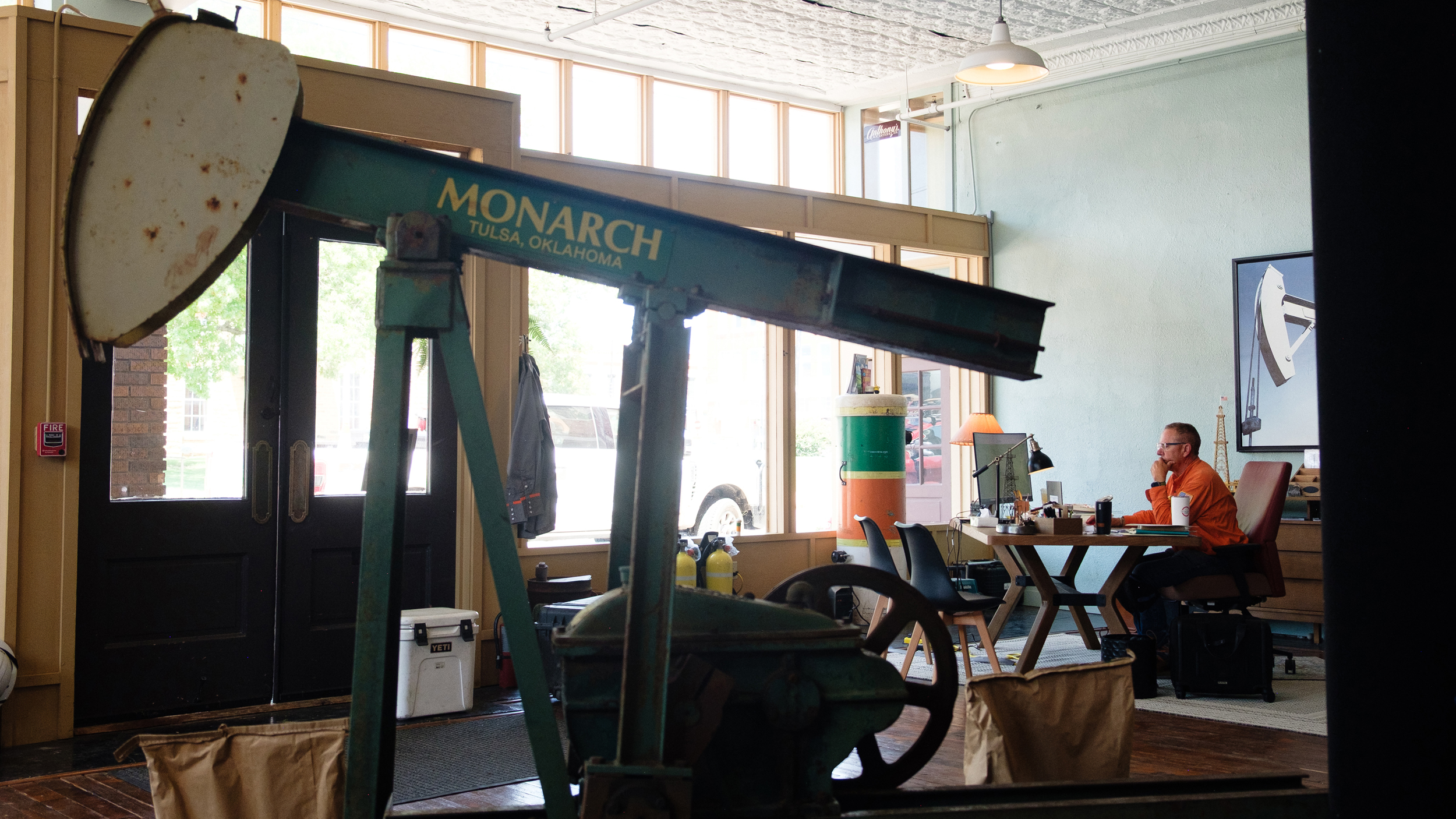
"This issue is one that people would rather ignore," Shuck says. "There’s no silver bullet. It’s just going to take people doing hard work, day in and day out, to make a difference. Whether you’re a climate crusader or a denier, we should all be able to get behind leaving the land better for the next guy."
As the Doneghy #2 well was finally sealed in August 2025, the whooshing sound of escaping methane was replaced by the silence of the Oklahoma woods. It was one well out of millions, but for the tri-colored bats and the American burying beetles of Deep Fork, it represented a significant victory in the long process of reclaiming the American wilderness from its industrial past.







Leave a Reply