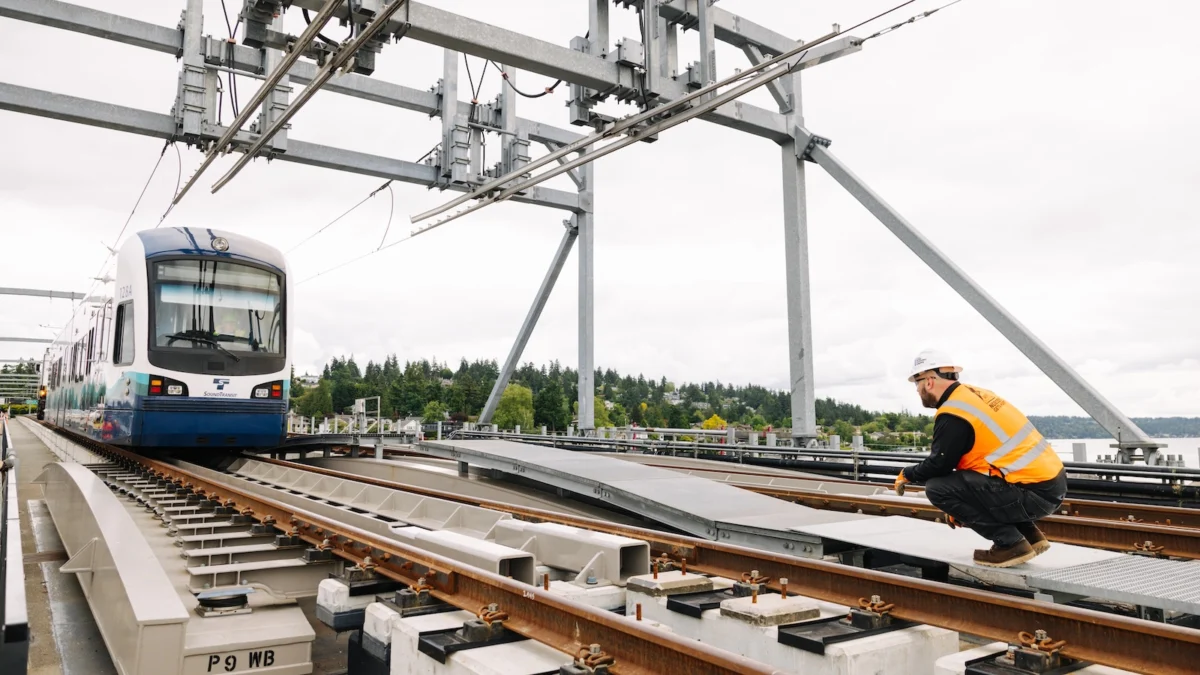
The latest addition to Seattle’s already impressive public transit system opened to great fanfare this spring when more than 200,000 people rode the Crosslake Connection light rail line. Its March 28 debut was second only to the parade that followed the Seahawks’ Super Bowl victory as Sound Transit’s busiest day ever. Trains now glide across Lake Washington on what is believed to be the world’s first electric rail line that spans a floating bridge, linking the city with Bellevue and Redmond and doubling the frequency of stops in the heart of the Emerald City. These same tracks will carry tens of thousands of fans downtown to Lumen Field for the six World Cup matches the city will host between June 15 and July 6. Kirk Hovenkotter, who leads the transit advocacy organization Transportation Choices Coalition, has no doubt that Seattle’s sustained commitment to public transit helped it become a host city.
This summer’s spotlight follows an earlier snub that served as a turning point for the region. When the World Cup came to the United States in 1994, Seattle hoped to host matches at Husky Stadium but came away empty-handed, largely due to concerns regarding infrastructure and stadium suitability. In the 32 years since, the metropolitan area has grown from 2.5 million people to more than four million, and its transportation infrastructure has boomed alongside its population. Steady investment, which began with voter approval of the Sound Move transit package in 1996, helped launch light rail in 2008 and turned Seattle into one of the country’s most ambitious builders of public transit. For local officials, this summer’s World Cup became the ultimate deadline for opening the Crosslake Connection. “Our region hasn’t been preparing for the World Cup for 18 months,” Hovenkotter said. “It’s been preparing for 18 years.”
A National Catalyst for Infrastructure Transformation
Seattle is one of 16 cities—11 of them in the U.S., three in Mexico, and two in Canada—that will host matches in a tournament FIFA, the sport’s sanctioning body, expects to draw more than five million fans. This 2026 iteration is the first to feature 48 teams, up from the traditional 32, placing an unprecedented logistical strain on host metropolitan areas. Several U.S. cities are using the event as an opportunity to open rail lines, redesign bus networks, and implement technological changes that will benefit residents long after the final match is played.
These investments come as rail and bus systems nationwide continue to navigate a complex post-pandemic landscape. While many systems are still recovering from steep ridership declines, they are also confronting aging infrastructure and a dire financial outlook. In a country that has historically been less supportive of mass transit than European or Asian nations, the World Cup has become an unusual and powerful catalyst for change. While many stadiums in the U.S. remain disconnected from robust public transportation, developments in Seattle and Atlanta demonstrate that mega-events can strengthen transit systems—provided the investment begins long before the first kickoff.
Historical Context: Lessons from Past Host Nations
The World Cup’s infrastructure legacy has often been more cautionary than celebratory. Past tournaments have raised significant questions regarding human rights violations, environmental harm, and the failure of host cities to deliver promised public benefits. Brazil (2014) and South Africa (2010), for instance, faced heavy criticism for failing to fulfill mass transit commitments, often leaving behind "white elephant" stadiums that are expensive to maintain and disconnected from the urban fabric.
Such disappointments often reflect a recurring problem: host cities frequently plan first for the event and only second for the permanent residents. Simon Kuper, author of World Cup Fever, notes that hosting the tournament is akin to hosting a wedding. You fix the doors, paint the house, and redo the kitchen for the guests, but those improvements may not address the daily needs of the household. In transit terms, the needs of 80,000 fans traveling to a single point differ vastly from the needs of daily commuters. There is a persistent risk of over-investing in a single route to a stadium at the expense of a comprehensive network that improves daily life.
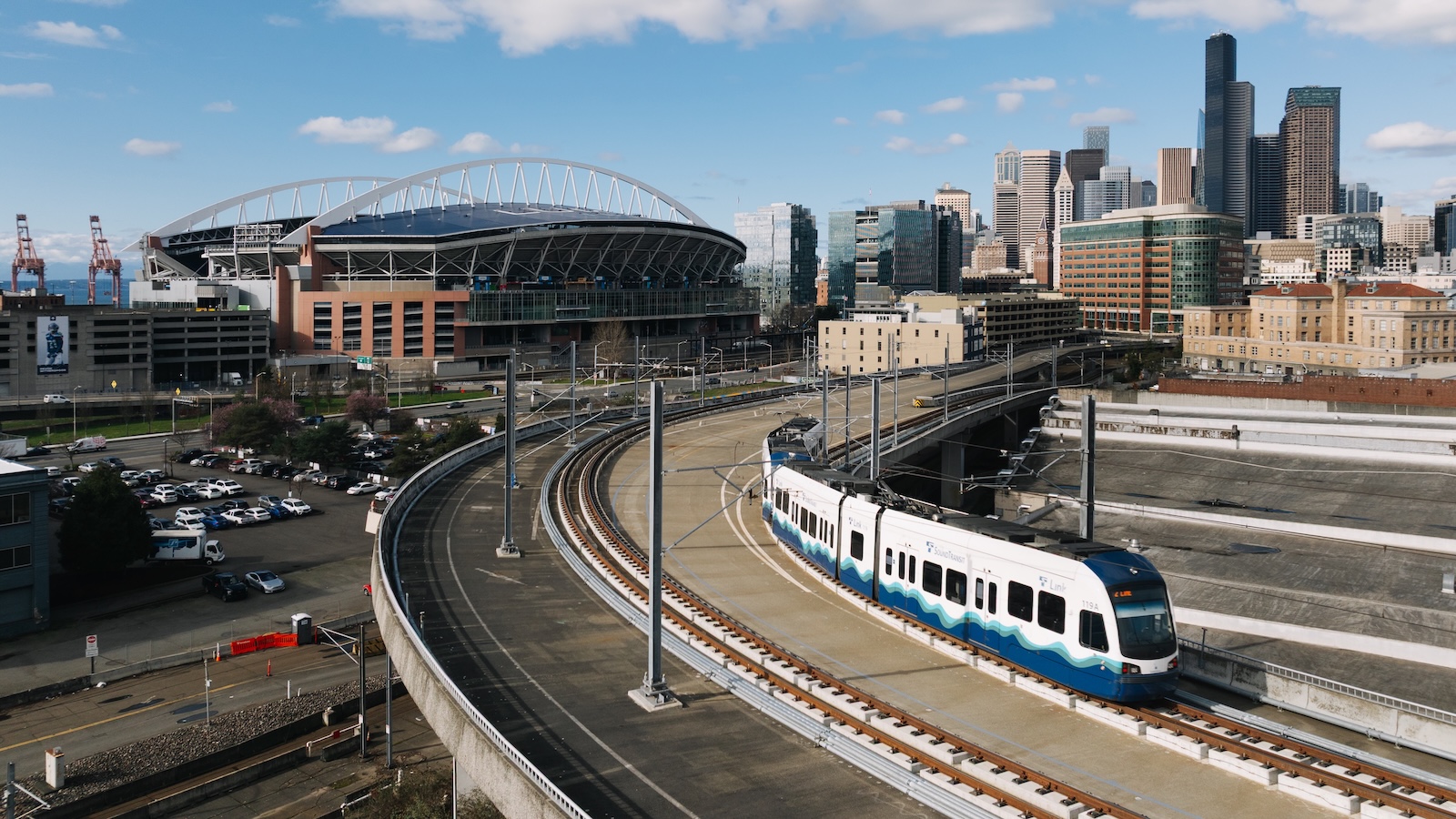
Seattle’s approach, however, followed a different philosophy. The $1 billion Crosslake Connection was not conceived for the World Cup; the funding originated from a package approved by voters in 2008, long before Seattle was selected as a host. However, Sound Transit used the global event as a hard deadline to finish a project that had been hampered by a three-year delay. Henry Bendon, a public information officer with the agency, noted that the agency "moved heaven and earth" to ensure the flagship bridge and expanded capacity were ready for the world stage.
Engineering and Communication: The Seattle Blueprint
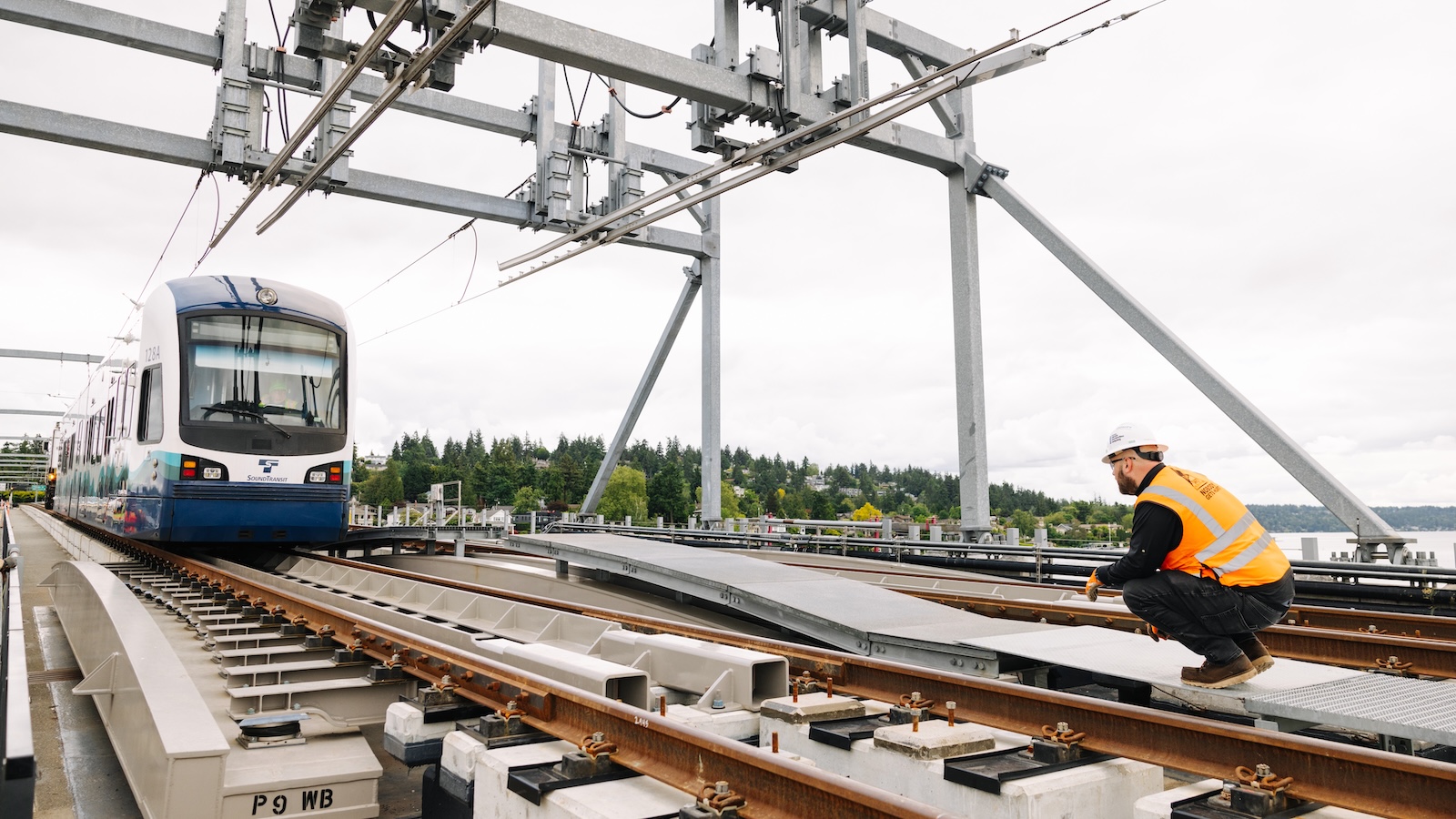
The technical achievement of the Crosslake Connection cannot be overstated. Engineering a light rail system to operate on a floating bridge required solving complex issues of track stability amidst lake currents and fluctuating water levels. Beyond the hardware, Seattle has focused heavily on the "software" of transit—communication and accessibility.
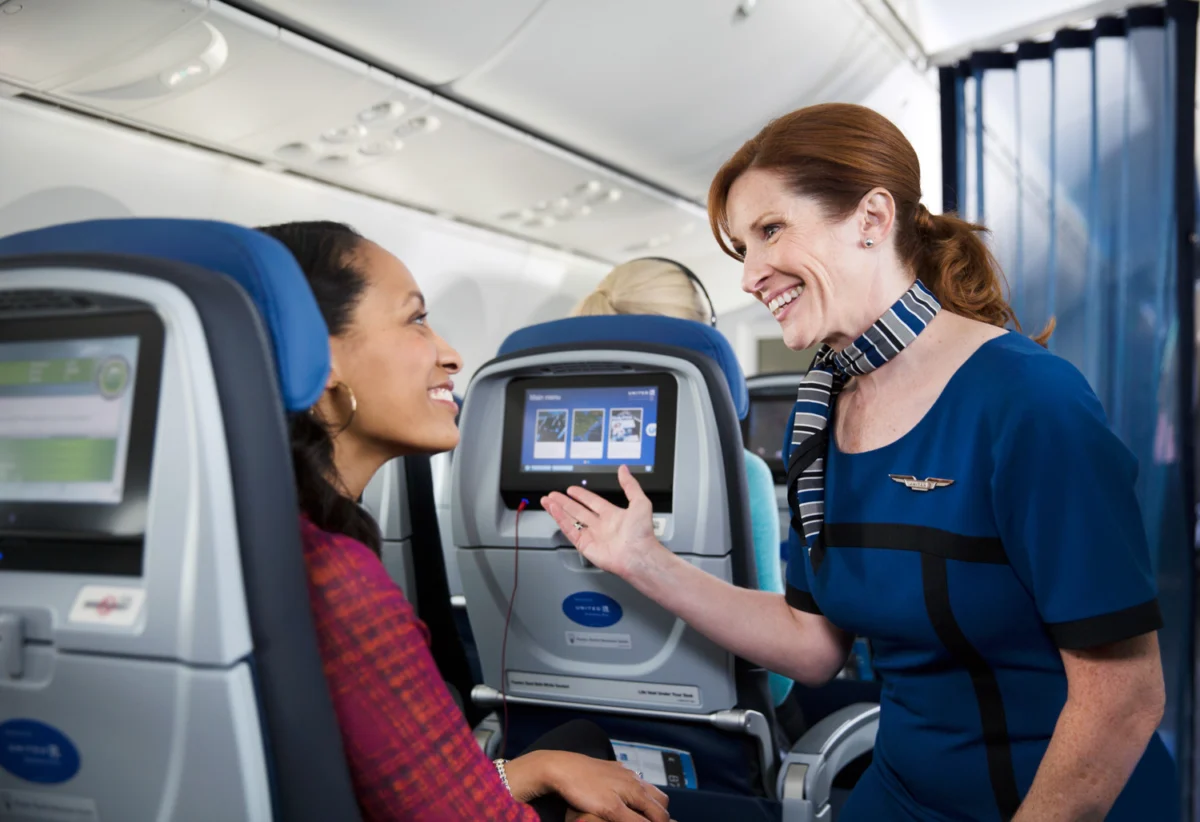
Brian McCullough, an associate professor of sport management at the University of Michigan, emphasizes that communication is the linchpin of success. Seattle previously tested this during the 2018 Special Olympics USA Games. By providing participants with free rides and clear instructions, the city shifted transit behavior significantly: while 78 percent of participants initially planned to rent cars, only 7 percent actually did so. For the World Cup, Sound Transit has launched an extensive messaging campaign, including signage in the native languages of all competing teams.
The legacy of these preparations is already visible. Sound Transit has expanded its airport bus service to 24-hour operation, and the Washington State Legislature has funded new intercity bus routes between Pasco, Spokane, and Seattle. These improvements, aimed at connecting fans to various team base camps and event sites, are expected to remain in place permanently.
Atlanta: Overhauling a Legacy System
Approximately 2,600 miles to the southeast, Atlanta is undergoing its own transit evolution. The Metropolitan Atlanta Rapid Transit Authority (MARTA) is rolling out a major redesign of its bus network and introducing new railcars with expanded capacity. Like Seattle, Atlanta was passed over for the 1994 World Cup, but it used the 1996 Summer Olympics to add seven miles of rail. Today, the system carries more than five million passengers per month across 48 miles of track.
The current overhaul, the first in 40 years, was designed primarily to serve residents. Launched in April, the redesign optimized 113 bus lines into 81 more efficient routes. While the number of lines decreased, the agency reports that the number of residents living within a quarter-mile of a high-frequency stop (buses arriving every 15 minutes) has nearly tripled. MARTA has also introduced 12 on-demand “microtransit zones,” utilizing vans to provide short-range connectivity in underserved areas.
The rail system is also seeing its most significant upgrade in decades. Starting in June, MARTA began updating all 224 train cars, some of which have been in service since the 1980s. The new cars feature more spacious interiors, increasing capacity by 13 percent per four-car train. Rhonda Allen, MARTA’s deputy general manager, admitted the World Cup provided the necessary political and operational pressure to prioritize these projects. However, the changes have met with some local skepticism. Bakari Height, co-founder of the transit advocacy group MARTA Army, expressed concern that the bus redesign’s route cuts might alienate some riders and questioned if the system is truly prepared for the massive World Cup crowds.
Regional Developments in Boston and Kansas City
The push for transit readiness extends to smaller-scale projects across the country. In Foxboro, Massachusetts, the MBTA is opening an expanded station near Gillette Stadium. The $35 million project adds a platform and improves accessibility, upgrades that will benefit New England Patriots fans and concertgoers for years to come. However, the influx of fans comes with a temporary cost to residents: the MBTA has announced minor service reductions on some commuter rail lines during the tournament to reconfigure equipment for stadium-bound traffic.
In Kansas City, the streetcar system was extended 3.5 miles south and nearly a mile north this spring. While the streetcar does not reach Arrowhead Stadium directly, it connects the city’s “Fan Fest” hubs. Tom Gerend, executive director of the Kansas City Streetcar Authority, noted that the city used the growing system as a centerpiece of its host-city bid. He emphasized that the city avoided spending on temporary "event-only" services, focusing instead on permanent solutions that align with long-term regional plans.
The Funding Gap and Future Implications
Despite the ambitious projects, a significant hurdle remains: funding. The U.S. Department of Transportation allocated $100 million in March to be split among host cities—a sum that transit advocates describe as a "drop in the bucket" compared to the billions required for major infrastructure. Furthermore, FIFA does not contribute to local transportation costs.
This lack of federal and international support has forced agencies to pass costs onto riders. Round-trip train tickets to World Cup matches are expected to cost $80 in Boston and $98 via NJ Transit in the New York/New Jersey area. These high price points have sparked debates about the equity and accessibility of the event for local residents.
Balsam Nehme, director of sustainability at Sidara Collaborative, argues that the true success of the World Cup will be measured by whether cities use the event to test "long-term system-level thinking." Whether it is Seattle’s floating bridge or Atlanta’s bus redesign, the goal is to ensure that the excitement of the tournament leaves behind a more connected, sustainable, and mobile America. As the world turns its eyes to North America in 2026, these cities are betting that their investments will prove that mega-events can be more than just a fleeting party—they can be the foundation for a more mobile future.