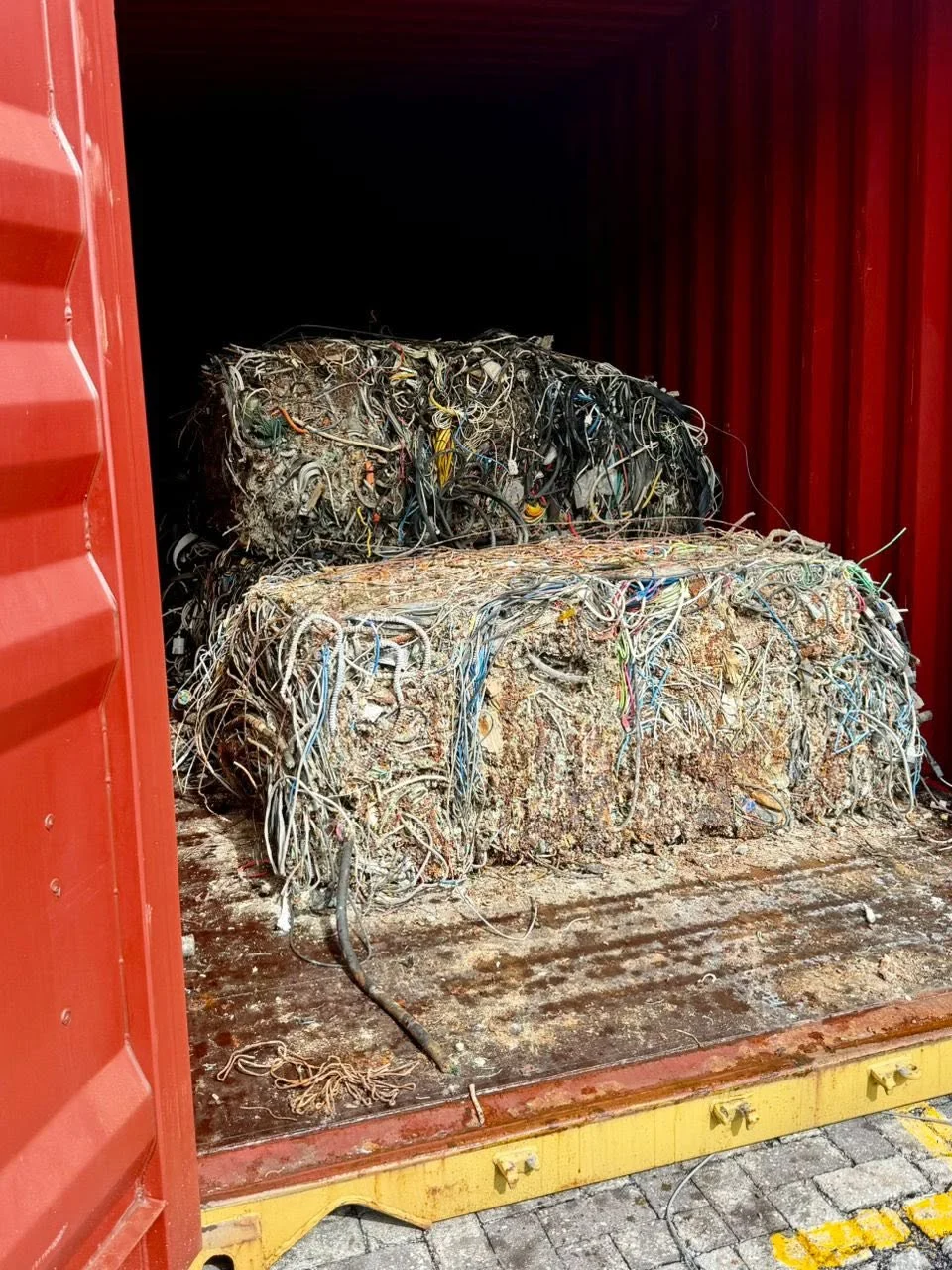
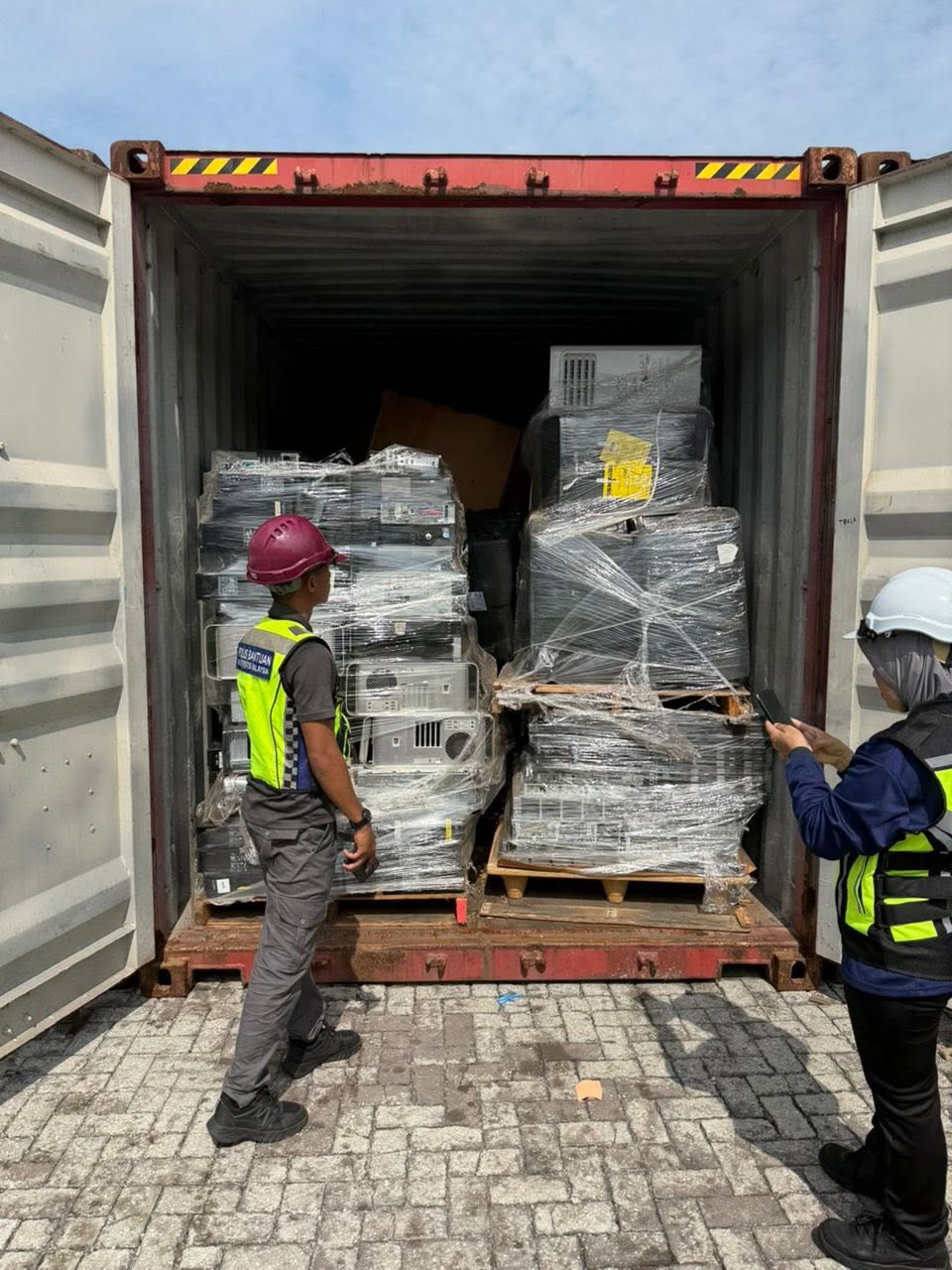
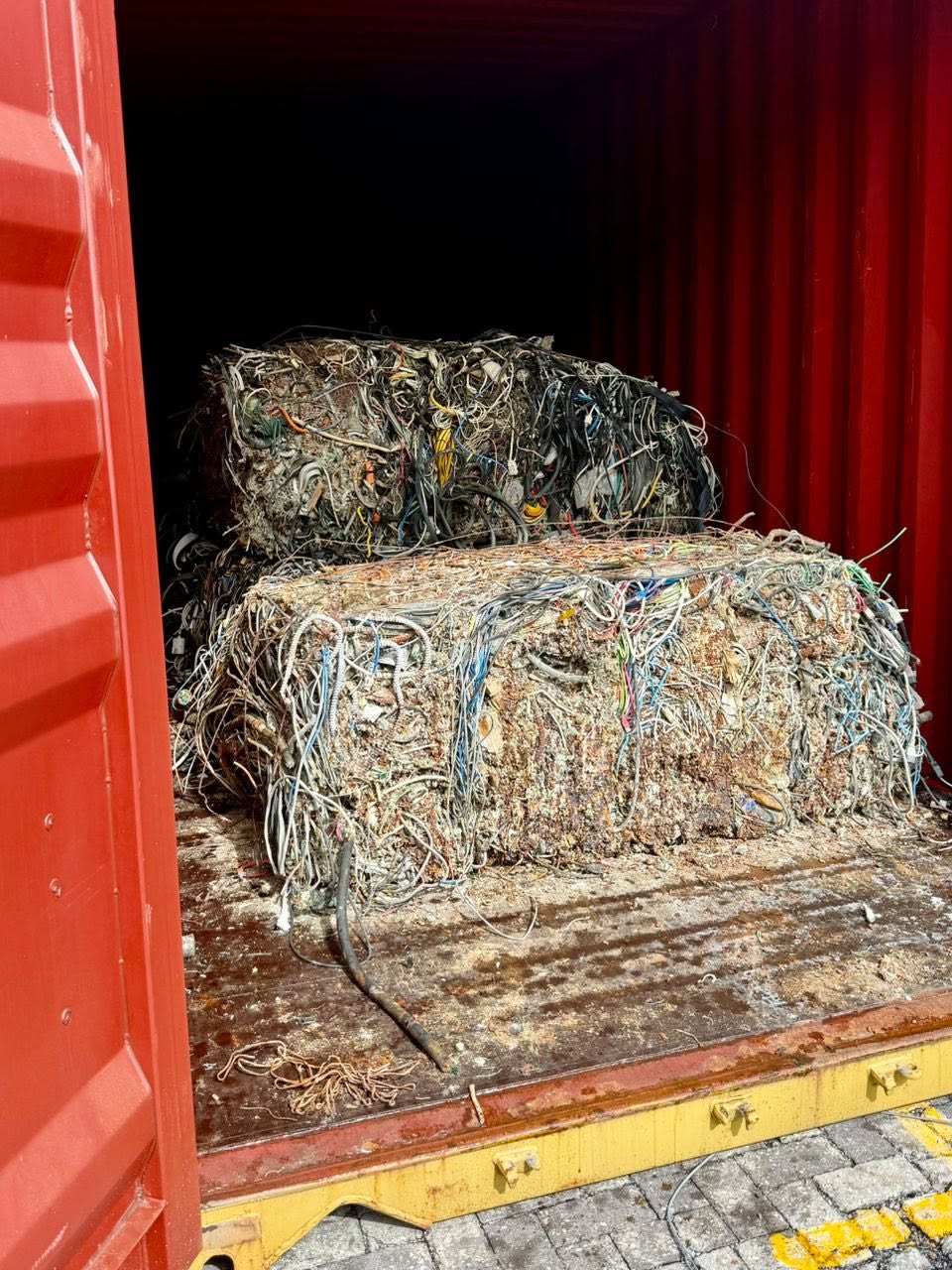
The quiet morning of July 7, 2026, at Port Klang, Malaysia’s busiest maritime gateway, was interrupted by a plume of acrid smoke rising from a shipping container that had recently been offloaded. According to manifest documents, the container was supposed to be transporting tin ore—a legitimate industrial commodity. However, as firefighters battled the blaze and eventually pried open the scorched steel doors, the truth was revealed: the cargo held no precious minerals, only a mountain of charred electrical and electronic waste, commonly known as e-waste. This incident has become a flashpoint in Malaysia’s escalating battle against the global trade in hazardous materials, highlighting the persistent challenges of misdeclaration and the critical need for the country’s recently enacted total ban on e-waste imports.
For years, investigators and non-governmental organizations (NGOs) have warned that Malaysia was becoming a primary dumping ground for the world’s digital refuse. Illegal recycling yards, often operating under the guise of legitimate green businesses, rely on a steady stream of smuggled materials to turn a profit. To facilitate this, international brokers often falsify paperwork, labeling hazardous components as "secondary raw materials" or "metal scrap" to bypass customs inspections. The July 7 fire served as a visceral reminder that these illicit shipments are not only a violation of trade law but a significant public safety hazard.
The April 1 Mandate: A New Era of Enforcement
The fire at Port Klang occurred against the backdrop of a significant shift in Malaysian environmental policy. On April 1, 2026, a new Customs Order came into full effect, establishing an absolute ban on the import of e-waste into the country. This policy was designed to sever the supply lines of illegal recycling operations and protect the nation’s soil, water, and air from the toxic byproducts of unregulated waste processing.
While the legal framework is now in place, the logistics of enforcement remain a monumental task. Port Klang alone processed nearly 6.4 million twenty-foot-equivalent units (TEUs) of cargo between January and May 2026. This translates to roughly 3.2 million standard 40-foot shipping containers moving through a single port in just five months. Identifying illicit cargo within this massive volume of trade is described by officials as a high-stakes game of "whack-a-mole."

Nik Ezanee Mohd Faisal, chief of the Malaysian Border Control and Protection Agency (AKPS), has acknowledged the difficulty of the mission. He noted that the sheer velocity of modern global trade makes manual detection of every container impossible. Consequently, the agency has shifted toward intelligence-led operations and specialized task forces to target high-risk shipments.
Op Green Shield: Data and Chronology of the Crackdown
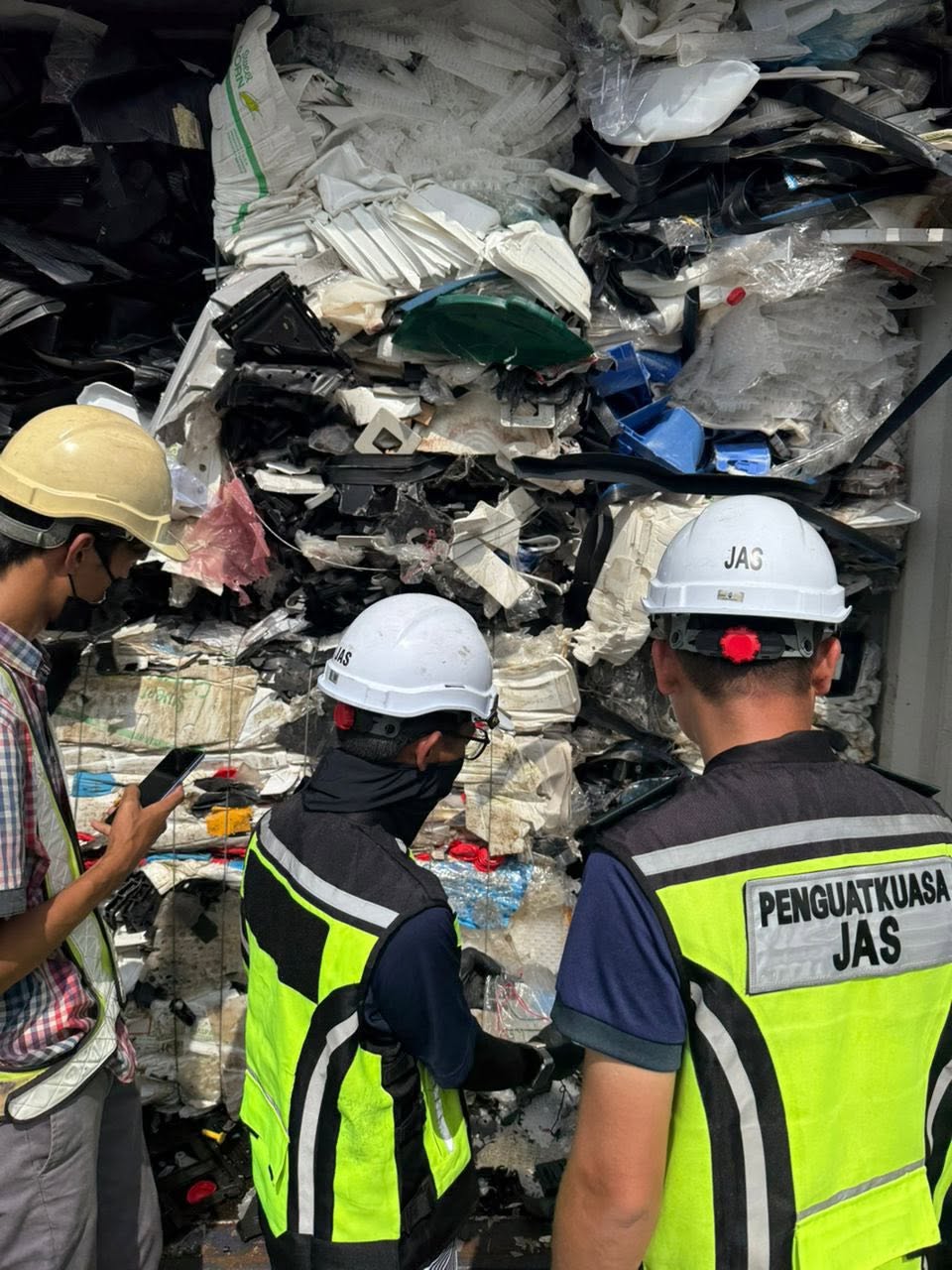
In response to the persistent threat of illegal dumping, the Malaysian government launched "Op Green Shield," a specialized joint task force dedicated to intercepting e-waste. Between January 26 and early July 2026, the task force conducted rigorous inspections of 685 suspicious containers. The results have been telling:
- Interceptions: Of the 685 containers inspected, 143 were found to contain illegal e-waste.
- Volume: These intercepted shipments totaled approximately 3,370 short tons (3,057 metric tons) of hazardous materials.
- Repatriation: Since the operation began, these 143 containers have been sent back to their countries of origin, a process known as repatriation, which forces exporters to take responsibility for their waste.
- Backlog Management: As of July 8, 2026, an additional 531 containers—including a backlog from previous enforcement actions—were earmarked for a phased repatriation process.
The strategy of "returning to sender" is a core component of Malaysia’s deterrent policy. By forcing the cost of return shipping onto the brokers and exporters, the government aims to make the illicit trade economically unviable.
The Global Context: A Crisis of Consumption and Export
The struggle at Malaysia’s ports is a symptom of a much larger global crisis. In 2022, the world generated a record 68.3 million short tons (62 million metric tons) of e-waste, driven by a consumer culture that demands frequent upgrades of smartphones, laptops, and household appliances. According to the Global E-waste Monitor, less than 25% of this waste was documented as being properly collected and recycled in 2022. The remaining 75% often vanishes into a "grey market" of international exports.
Wealthier nations, particularly the United States, Japan, and members of the European Union, often find it more cost-effective to export their hazardous waste than to process it domestically under strict environmental regulations. The Basel Action Network (BAN), an environmental watchdog, found that U.S. brokers alone export an estimated 1,949 containers of e-waste every month. Malaysia has frequently appeared at the top of the list of destinations for these shipments.
The international treaty known as the Basel Convention was established to regulate the transboundary movement of hazardous waste, requiring "prior informed consent" before shipments are made. However, a significant legal loophole exists: the United States is not a party to the Basel Convention. Jim Puckett, Executive Director of BAN, explains that this places Malaysia in a precarious position. Because the U.S. is not bound by the treaty’s obligations, it is under no international legal mandate to prevent e-waste trafficking from its shores to Southeast Asia.
Evolution of Smuggling Tactics: Transshipment and Rerouting
As Malaysia tightens its borders, smuggling syndicates are evolving. Historically, China was the world’s primary destination for plastic and electronic waste, processing nearly half of the global total since 1992. When China implemented its "National Sword" policy in 2018—effectively banning most waste imports—the market fractured. Brokers began seeking "pathways of least resistance," leading to a surge of waste into Southeast Asian nations like Vietnam, Thailand, and Malaysia.
Now that Malaysia has slammed its doors shut, BAN reports that the trade is migrating toward the United Arab Emirates, India, Pakistan, Indonesia, and the Philippines. Furthermore, smugglers are becoming more sophisticated in disguising the origin of their shipments. Instead of shipping directly from the U.S. or Europe to Malaysia, brokers are increasingly using transshipment hubs. Containers may be sent first to South Korea or Singapore, where they are re-manifested and re-shipped to Malaysia to obscure their original point of departure and evade detection by Malaysian authorities.
Strengthening the Domestic Circular Economy
While the import ban is primarily an environmental protection measure, it is also having a profound impact on Malaysia’s domestic recycling industry. For years, the influx of high-value foreign e-waste stunted the growth of local collection systems.
Mohamed Tarek El-Fatatry, founder of the local recycling facility ERTH (Electronic Recycling Through Heroes), argues that the ban is a necessary catalyst for a domestic circular economy. Imported e-waste is often "pre-sorted" by overseas syndicates, meaning the containers arriving at illegal Malaysian yards are packed with high-value components like motherboards, which contain gold, silver, and palladium.
"If recovery facilities have the option between buying imported stock and local stock, they will always buy the imported stock because they can cherry-pick the materials," El-Fatatry explained. Processing local e-waste is more labor-intensive; it involves collecting the entire device, dismantling it, and managing low-value materials like plastic and glass. By cutting off the supply of "easy money" from imports, the government is forcing the industry to invest in the infrastructure needed to manage Malaysia’s own growing mountain of electronic waste.
The Human and Environmental Cost of Illegal Scrapyards
The dangers of the e-waste trade extend far beyond the ports. In the absence of regulated facilities, illegal scrapyards use "backyard" smelting techniques to extract precious metals. These methods are ecologically devastating. To isolate copper and gold, operators often burn plastic casings or use acid baths, releasing a cocktail of toxins into the environment.
Residents in communities like Telok Panglima Garang, located near Port Klang, have long suffered the consequences. Tan Yu Jinh, a local resident, described the "biting stench" of burning plastic that frequently settles over his neighborhood at night. The fumes are not merely an annoyance; they are a health hazard. Older electronics often contain brominated flame retardants and heavy metals such as lead, mercury, and cadmium. When burned without industrial filtration, these substances are released into the air and eventually settle into the soil and water table.
"I’m worried for my own health, as well as my aging parents," Tan said, noting that while the frequency of burning has decreased since the April ban, the fear of long-term chemical exposure remains. Scientific studies, such as those published in Environment International, have confirmed that illegal e-waste burning significantly increases the risk of respiratory diseases and long-term neurological damage in surrounding populations.
Conclusion: A Sustained Battle for Environmental Integrity
Malaysia’s absolute ban on e-waste imports represents a bold stand for environmental sovereignty in an era of globalized waste. By combining strict legislative measures with aggressive port enforcement via Op Green Shield, the government is signaling that it will no longer accept the role of a "global landfill."
However, the success of this policy will depend on continued vigilance and international cooperation. As smugglers adopt more creative routing and misdeclaration tactics, Malaysia will need to enhance its digital surveillance of shipping manifests and deepen its intelligence-sharing with regional partners like Singapore and South Korea. Furthermore, the pressure remains on non-signatories of the Basel Convention, such as the United States, to take moral and logistical responsibility for the waste generated by their own consumers. For the residents of Telok Panglima Garang and the inspectors at Port Klang, the July 7 fire was a reminder that while the law has changed, the battle to protect Malaysia’s environment is far from over.