
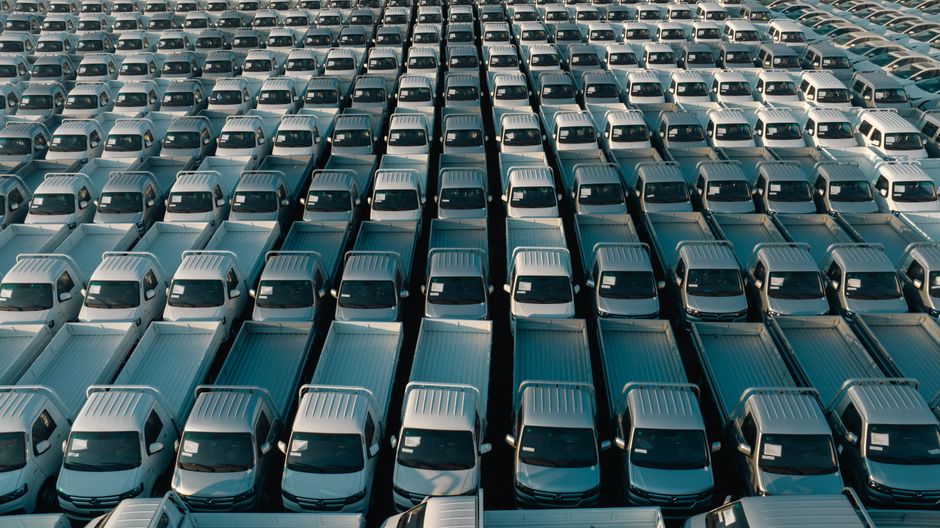
IKEA Revamps Global Logistics: Massive Fleet Expansion Signals Strategic Shift
IKEA’s ambitious expansion of its global fleet inventory, a multi-billion dollar undertaking, represents a significant strategic pivot, aiming to bolster supply chain resilience, accelerate delivery times, and ultimately, enhance customer experience worldwide. This substantial investment in its logistical backbone underscores the company’s response to evolving consumer demands for faster, more predictable, and increasingly sustainable delivery options. The expansion encompasses a diverse range of transportation assets, including a significant increase in owned and leased vehicles, a greater reliance on intermodal transportation, and a strategic deployment of advanced logistics technologies. This proactive approach is designed to mitigate the vulnerabilities exposed by recent global supply chain disruptions, ensuring IKEA can maintain its competitive edge in an increasingly dynamic retail landscape. The sheer scale of this fleet expansion signifies a commitment to vertical integration within its logistics operations, providing IKEA with greater control over its transportation network and a reduced dependence on third-party providers, a critical factor in managing costs and ensuring service quality.
The core driver behind IKEA’s extensive fleet expansion is the burgeoning growth of e-commerce. As more consumers opt for online shopping, the pressure on last-mile delivery has intensified dramatically. IKEA, historically a brick-and-mortar dominant retailer, has recognized the imperative to significantly ramp up its capabilities in fulfilling online orders efficiently. This involves not only an increased number of delivery vans but also a more sophisticated approach to route optimization, warehousing, and inventory management, all intrinsically linked to fleet capacity. The expansion directly addresses the need to get products from distribution centers to customers’ homes faster and more reliably. This is particularly crucial for bulky furniture items, which present unique logistical challenges. By investing in a larger and more versatile fleet, IKEA aims to reduce delivery lead times, minimize instances of damaged goods during transit, and provide customers with more precise delivery windows, thereby reducing missed deliveries and associated costs.
Furthermore, this strategic move is a direct response to the volatility of global supply chains. Recent years have witnessed unprecedented disruptions, from port congestion and container shortages to labor disputes and geopolitical events, all of which have impacted IKEA’s ability to move products efficiently. By expanding its owned and leased fleet, IKEA is seeking to regain greater control over its transportation network, creating a more robust and resilient supply chain. This reduces reliance on external carriers who may be subject to capacity constraints or sudden price hikes. A larger, more agile fleet allows IKEA to reroute shipments, prioritize certain markets, and absorb unexpected shocks with greater ease. This internal capacity building is a critical component of IKEA’s long-term risk mitigation strategy, ensuring business continuity even in the face of unforeseen global challenges.
The composition of IKEA’s expanded fleet is multifaceted, reflecting a strategic approach to various transportation needs. While the immediate focus is on last-mile delivery vehicles, the expansion also includes a significant investment in larger trucks and trailers for inter-city and inter-country movements, as well as a greater utilization of rail and sea freight for bulk transport. This intermodal strategy is key to optimizing costs and environmental impact. For instance, moving goods by rail over long distances and then utilizing smaller, more efficient electric vehicles for the final leg of delivery offers a more sustainable and cost-effective solution compared to relying solely on road transport. The company is also exploring and integrating innovative vehicle technologies, including electric vehicles (EVs) and potentially autonomous delivery solutions in the future, aligning with its ambitious sustainability goals.
The environmental implications of such a massive fleet expansion are a significant consideration for IKEA, a company with publicly stated commitments to sustainability. The integration of electric vehicles into its fleet is a cornerstone of this strategy. By transitioning a substantial portion of its delivery fleet to electric power, IKEA aims to significantly reduce its carbon emissions and improve air quality in urban areas. This involves not only the procurement of EVs but also the development of charging infrastructure at its distribution centers and potentially at strategic urban hubs. Beyond electrification, IKEA is also focusing on optimizing vehicle utilization, reducing empty mileage through intelligent routing and load consolidation. This holistic approach to fleet management aims to minimize the environmental footprint associated with its expanded logistical operations.
Technological integration is another critical element of IKEA’s fleet expansion. The company is investing heavily in advanced logistics software, including real-time tracking and monitoring systems, predictive analytics for maintenance, and sophisticated route optimization algorithms. These technologies are essential for managing a large and complex fleet efficiently, ensuring timely deliveries, and minimizing operational costs. Real-time data allows for dynamic adjustments to delivery schedules in response to traffic conditions, customer requests, or unforeseen delays. Predictive analytics helps prevent vehicle downtime by scheduling maintenance proactively. Furthermore, data gathered from the fleet can be used to refine inventory management strategies and optimize the placement of distribution centers, further enhancing overall supply chain efficiency.
The geographical scope of this fleet expansion is global, reflecting IKEA’s presence in numerous markets. While specific details are often proprietary, it is understood that major markets with high e-commerce penetration and significant IKEA store networks, such as North America, Europe, and Asia, are primary beneficiaries of this investment. The expansion is tailored to the specific logistical challenges and regulatory environments of each region, with a focus on adapting to local infrastructure and consumer expectations. This includes establishing new distribution hubs, expanding existing ones, and building out local delivery networks to ensure consistent service quality across diverse geographies.
The impact of this fleet expansion on IKEA’s operational efficiency and customer experience is expected to be profound. Faster and more reliable deliveries translate directly into improved customer satisfaction. The ability to offer more precise delivery windows and track shipments in real-time addresses a key pain point for online shoppers. For IKEA, increased logistical control and efficiency can lead to reduced operating costs, better inventory turnover, and a stronger competitive position. The ability to handle higher volumes of online orders without compromising service quality is crucial for sustained growth in the digital era. This investment positions IKEA to capitalize on the ongoing shift towards online retail, ensuring it can meet the evolving needs of its global customer base.
Moreover, the expansion can foster a more agile and responsive supply chain. By having greater control over its transportation assets, IKEA can more quickly adapt to changes in demand, introduce new products, and enter new markets. This flexibility is invaluable in today’s rapidly changing retail environment. The ability to scale delivery capacity up or down as needed, without being solely reliant on external providers, offers a significant competitive advantage. This strategic move is not merely about acquiring more vehicles; it is about fundamentally re-engineering IKEA’s logistics capabilities to be more robust, efficient, and customer-centric.
The long-term implications of this substantial fleet inventory expansion extend beyond immediate operational benefits. It signals IKEA’s commitment to becoming a more integrated and self-sufficient logistics provider. This vertical integration allows for greater oversight of the entire supply chain, from sourcing to final delivery. It also opens up possibilities for optimizing the entire product lifecycle, from manufacturing and packaging to transportation and end-of-life recycling. The data generated from a comprehensive fleet network can inform product design, packaging optimization, and even the development of circular economy initiatives. This holistic approach underscores IKEA’s commitment to a more sustainable and efficient future. The investment in fleet inventory is a foundational element in IKEA’s broader digital transformation and its ambition to remain a leader in the global home furnishings market for decades to come. The company is essentially building the physical infrastructure to support its digital aspirations, ensuring that its online presence is matched by a world-class physical delivery network.





Leave a Reply