
Google Pixel’s Satellite SOS Feature: Emergency Communication Beyond Cellular Coverage
The Google Pixel’s Satellite SOS feature represents a significant leap in personal safety technology, offering a lifeline for individuals venturing into remote areas where traditional cellular networks are non-existent or unreliable. This innovative functionality allows Pixel users to send emergency messages and their location to emergency services, even when they have no bars of service. Understanding its capabilities, limitations, and how to utilize it effectively is crucial for anyone who frequently travels off the beaten path, engages in outdoor recreation, or lives or works in areas prone to network outages. This article provides a comprehensive, SEO-friendly overview of Google’s Satellite SOS, delving into its technical underpinnings, practical applications, and best practices for maximizing its utility.
How Satellite SOS Works: The Technical Backbone
At its core, Satellite SOS leverages a combination of specialized hardware within the Google Pixel phone and a network of orbiting satellites to transmit critical information. Unlike standard cellular communication, which relies on ground-based cell towers, this feature bypasses terrestrial infrastructure entirely. When a user initiates an SOS call via Satellite, their Pixel phone establishes a direct connection with a satellite. This satellite then relays the emergency message, along with the user’s precise GPS coordinates, to a ground station. From the ground station, the message is routed to the appropriate emergency service provider.
The critical component enabling this communication is the satellite modem integrated into select Pixel devices, most notably the Pixel 8 series. This modem is designed to communicate using specific frequencies and protocols suitable for satellite transmission. The connection process isn’t instantaneous like a cellular call; it involves the phone identifying available satellite constellations and establishing a link. Users are guided through a simple, step-by-step process on their phone’s screen, which includes pointing their device towards the sky to maximize signal reception. The interface is designed to be intuitive, even under duress, minimizing the cognitive load on the user.
The data transmitted is not a voice call but a compressed text-based message. This allows for efficient use of satellite bandwidth, which is a more limited and expensive resource compared to cellular networks. The message typically includes essential details such as the nature of the emergency, the user’s identity (if pre-registered), and their location. The system is designed to be bidirectional, allowing for limited text-based communication with emergency responders to provide further details or receive instructions. This two-way communication capability is a significant advancement over earlier satellite communication devices that were primarily one-way beacons.
Eligibility and Device Requirements
The Satellite SOS feature is not available on all Google Pixel phones. Currently, it is supported on the Google Pixel 8 and Google Pixel 8 Pro. Google has indicated that this technology might be expanded to future Pixel devices, but as of its initial rollout, these are the primary models to possess the necessary hardware. For the feature to function, users must have the phone updated to the latest operating system version and ensure the relevant software is enabled. There are typically no additional hardware purchases required if you own a compatible Pixel device.
It’s important to note that the service is currently available in select regions and countries. Google is gradually expanding its availability, so users should check the official Google support pages for the most up-to-date information regarding geographical limitations. While the hardware is present, regulatory approvals and agreements with satellite providers are necessary for the service to operate in different territories.
Initiating a Satellite SOS Call: A Step-by-Step Guide
When a user finds themselves in an emergency situation without cellular service, the process of activating Satellite SOS is designed to be straightforward.
-
Detecting No Service: The Pixel phone will automatically detect the absence of cellular and Wi-Fi networks.
-
Emergency Detection Prompt: In some scenarios, the phone may proactively prompt the user if it detects a potential emergency, especially if the user has enabled advanced emergency features. However, it’s more common for the user to manually initiate the SOS process.
-
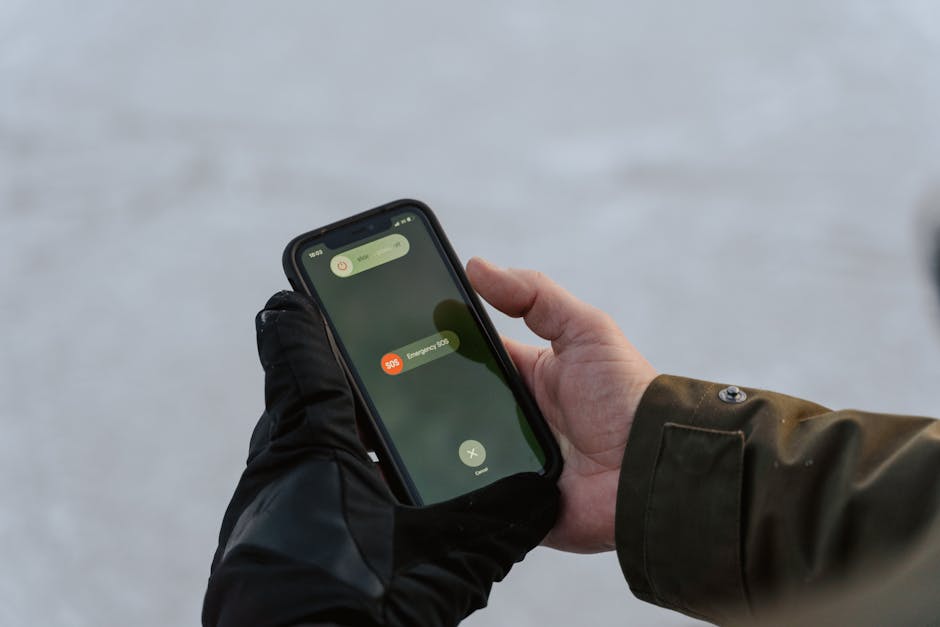
Manual Activation: The user can manually initiate the SOS by trying to make an emergency call (e.g., by pressing the power button multiple times, depending on their device settings). If no cellular service is available, the phone will then present the option to "Call via Satellite."
-
Connecting to a Satellite: Upon selecting "Call via Satellite," the phone will guide the user to point their device towards the open sky. The interface will provide visual cues, such as on-screen arrows and distance indicators, to help the user orient their phone for optimal satellite reception. This step is crucial for establishing a stable connection.
-
Answering Questions: Once a satellite connection is established, the phone will present a series of questions to gather essential information about the emergency. These questions are designed to be concise and cover critical details. Examples include:
- What is the emergency? (e.g., medical, injury, lost, fire, etc.)
- How many people are involved?
- Are there any immediate dangers?
- Is anyone unconscious or having trouble breathing?
-
Location Sharing: The user’s precise GPS location will be automatically transmitted along with the emergency message. This is a critical piece of information for rescuers.
-
Text-Based Communication: After the initial information is sent, a text-based conversation may open with the emergency response center. This allows the user to provide further details, receive instructions, or clarify their situation. The interface will display incoming messages and allow the user to type responses.
-
Confirmation: The user will receive confirmation once their message has been successfully sent and received by the emergency services.
Key Features and Benefits
The Satellite SOS feature offers several compelling benefits for its users:
- Extended Emergency Reach: The primary advantage is the ability to contact emergency services when traditional networks fail. This significantly expands the safety net for individuals in remote or disaster-stricken areas.
- Location Accuracy: The integrated GPS ensures that emergency responders have precise location data, which is vital for rapid response times, especially in wilderness or difficult-to-access environments.
- Two-Way Communication: The ability to exchange text messages with emergency responders allows for a more nuanced understanding of the situation, providing crucial real-time updates and instructions.
- User-Friendly Interface: The guided process on the Pixel phone simplifies a potentially stressful situation, making it accessible even for users who are not tech-savvy or are under immense pressure.
- No Additional Hardware: For owners of compatible Pixel devices, there are no extra gadgets to purchase or carry. The functionality is built directly into the phone.
- Potential for Broader Applications: While initially focused on SOS, the underlying technology could pave the way for other satellite-based communication services in the future.
Limitations and Considerations
Despite its revolutionary nature, Satellite SOS is not a panacea and comes with certain limitations that users must understand:
- Satellite Availability: The feature is dependent on the availability of satellite signals. This means it will not function underground, inside buildings with heavy shielding, or in extremely dense urban environments where tall structures might obstruct the sky view. Users need a clear line of sight to the sky.
- Geographical Restrictions: As mentioned, the service is not available worldwide. Users must confirm its availability in their intended travel regions.
- Battery Consumption: Establishing and maintaining a satellite connection can be power-intensive. It’s advisable to ensure the phone has sufficient battery life before venturing into areas without cellular service. Keeping the phone powered on and readily accessible is crucial.
- Message Latency: Satellite communication can have a higher latency than cellular networks. This means there might be a slight delay in sending and receiving messages compared to a typical text message.
- Limited Message Capacity: The messages transmitted are compressed and optimized for satellite transmission. They are designed for essential emergency information, not lengthy narratives.
- Emergency Service Response Time: While the Pixel phone can send the message, the actual response time of the emergency services will depend on their protocols, proximity, and available resources.
- Cost: Google has indicated that the core SOS service will be free for a period (e.g., two years), but it’s essential to check the terms of service for any potential future charges or subscription models.
- Not a Substitute for Preparedness: Satellite SOS is a valuable tool for emergencies, but it should not replace fundamental safety practices such as informing others of your itinerary, carrying essential gear, and knowing basic survival skills.
Optimizing Satellite SOS Usage: Best Practices
To maximize the effectiveness of the Satellite SOS feature, users should adopt the following best practices:
-
Pre-Trip Preparation:
- Verify Compatibility: Ensure your Google Pixel phone (Pixel 8 or 8 Pro) is up-to-date with the latest software and that the Satellite SOS feature is enabled in your phone’s settings.
- Familiarize Yourself: Practice initiating the SOS process in a safe, open environment where you have cellular service but can simulate the "no service" scenario (e.g., by turning off Wi-Fi and cellular data and then attempting an emergency call). This builds muscle memory and reduces panic in a real emergency.
- Check Coverage Areas: Consult Google’s official documentation for the current availability of Satellite SOS in your travel destinations.
- Inform Others: Always leave your travel plans, including your expected route and return time, with a trusted contact. This provides a fallback if your satellite communication is unsuccessful.
- Battery Management: Before heading into remote areas, fully charge your Pixel phone and consider carrying a portable power bank specifically designed for charging smartphones. Conserve battery by closing unnecessary apps and reducing screen brightness when not in use.
-
During an Emergency:
- Stay Calm and Follow Prompts: The phone’s interface is designed to guide you. Read and follow the on-screen instructions carefully.
- Seek Open Sky: Immediately move to an area with a clear, unobstructed view of the sky. Tall trees, canyons, or buildings can significantly impede satellite signals.
- Hold Steady: When prompted to point your phone at the sky, try to hold it as steady as possible to maintain a stable connection.
- Be Concise and Honest: Provide accurate and truthful answers to the emergency questions. The information you provide is critical for the responders.
- Monitor for Responses: Pay close attention to your phone for any incoming messages from emergency services. Respond promptly to their inquiries.
- Conserve Battery: Once you have sent your SOS message and are awaiting a response, consider turning off Wi-Fi and Bluetooth, and putting your phone in low-power mode if the battery is critically low, while still ensuring it can receive incoming messages.
-
Post-Emergency:
- Report System Issues: If you encountered any problems with the Satellite SOS feature, report them to Google to help improve the service.
- Review Your Preparedness: Reflect on the situation and identify any areas where your preparedness could be enhanced for future adventures.
Future of Satellite Communication on Smartphones
Google’s Satellite SOS feature is a significant development in the evolution of smartphone capabilities. It signifies a trend towards integrating more advanced, life-saving technologies directly into consumer devices. The success of this feature will likely encourage other smartphone manufacturers to explore similar satellite communication functionalities. We may see a future where smartphones offer a seamless transition between cellular, Wi-Fi, and satellite connectivity, providing users with reliable communication regardless of their location.
The underlying satellite infrastructure is also evolving. The development of smaller, more powerful satellites and advancements in communication protocols are making satellite communication more accessible and affordable. This could lead to a broader range of satellite-enabled services on smartphones beyond emergency communications, such as basic messaging in remote areas or even limited internet access.
Conclusion
The Google Pixel’s Satellite SOS feature is a groundbreaking innovation that enhances personal safety for adventurers, remote workers, and anyone who may find themselves beyond cellular coverage. By understanding how it works, its limitations, and by adhering to best practices for its use, users can significantly increase their safety net. This technology represents a crucial step in making advanced communication and emergency assistance more universally accessible, providing peace of mind for those who venture into the less connected corners of our world. Its continued development and expansion hold the promise of even greater connectivity and safety in the future.





Leave a Reply