
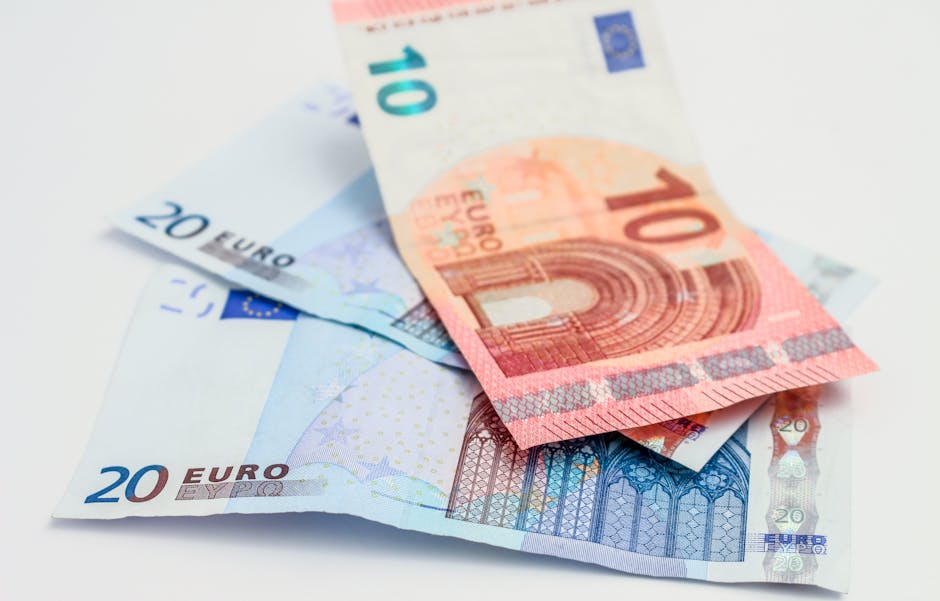
Unlocking Affordable European Adventures: Travel for Under 100 Euros a Day
The notion of European travel often conjures images of extravagant hotel stays, Michelin-starred dining, and extensive museum hopping, leading many to believe it’s an exclusive pursuit for those with deep pockets. However, this perception is a significant misrepresentation. It is demonstrably possible to experience the rich tapestry of Europe, from its historical grandeur to its vibrant contemporary culture, on a budget of less than 100 Euros per day. This isn’t about a superficial skim of the continent; it’s about strategic planning, embracing local experiences, and understanding where to find value. This article will delve into practical, actionable strategies for achieving this ambitious yet entirely attainable goal, covering accommodation, transportation, food, activities, and destinations that are inherently more budget-friendly. By focusing on smart choices, travelers can unlock authentic European adventures without the burden of prohibitive costs, making the dream of exploring Europe a reality for a much wider audience.
Strategic Accommodation: The Bedrock of Budget Travel
The most significant drain on any travel budget is invariably accommodation. For under 100 Euros a day, hotel chains offering premium amenities are generally off the table. The key lies in exploring alternative lodging options. Hostels are the undisputed champions of budget accommodation. Far from the grim dormitories of yesteryear, contemporary hostels offer a vibrant social atmosphere, clean and secure dormitories, and often private rooms at remarkably competitive prices. Many hostels also boast fully equipped kitchens, a crucial element for saving money on meals. Look for hostels with high ratings for cleanliness, safety, and staff helpfulness. Utilize booking platforms like Hostelworld, Booking.com, and Hostelbookers, comparing prices and reading recent reviews. Prices in dormitories can range from as low as 15-30 Euros per night in Eastern Europe and Portugal, and 30-50 Euros in more popular Western European cities, leaving ample room in the daily budget. Private rooms in hostels, while pricier, can still be a viable option for couples or those seeking more privacy, often falling between 50-80 Euros.
Beyond hostels, consider vacation rentals, particularly Airbnb or similar platforms. While not always cheaper than hostels, apartments can offer significant savings, especially for longer stays or for groups. The advantage of an apartment is the ability to self-cater, dramatically reducing food expenditure. Look for studios or one-bedroom apartments outside the immediate city center, but with good public transport links. Prices can vary wildly, but in many Eastern European cities, a decent apartment can be secured for 40-70 Euros per night.
Another often overlooked option is couchsurfing. While this requires a degree of flexibility and a willingness to engage with locals, it offers the ultimate in free accommodation. It’s a fantastic way to gain insider knowledge and experience a destination through the eyes of a resident. Safety is paramount; thoroughly vet hosts through their profiles and reviews.
Finally, for the truly adventurous and those traveling in warmer months, camping presents an exceptionally budget-friendly option. Many European countries boast well-maintained campsites, often with excellent facilities, including kitchens and communal areas. Campsites can be as affordable as 10-20 Euros per night per person. This option is particularly attractive in rural or national park settings, offering a closer connection to nature.
Efficient and Affordable Transportation: Navigating Europe on a Shoestring
Getting around Europe doesn’t have to break the bank. The first principle is to prioritize overland travel over flying whenever feasible. Buses are often the cheapest way to travel between cities and countries. Companies like FlixBus, Eurolines, and BlaBlaBus operate extensive networks across the continent, offering incredibly competitive fares, especially when booked in advance. A long-distance bus journey that might cost 100 Euros by plane can often be found for 20-40 Euros by bus. Overnight buses can also save on a night’s accommodation.
Trains can be a mixed bag. While often more comfortable and scenic than buses, they can also be expensive, particularly for high-speed services. However, significant savings can be made by booking train tickets well in advance, especially for national rail networks like SNCF (France), Deutsche Bahn (Germany), or Trenitalia (Italy). Look for regional trains or slower intercity services, which are invariably cheaper. Investing in a rail pass (like Eurail or Interrail) can be cost-effective for extensive train travel, but requires careful calculation based on planned routes to ensure it offers actual savings over point-to-point tickets. Be aware of peak travel times and book accordingly.
For inter-city travel within a country or region, ride-sharing platforms like BlaBlaCar have become incredibly popular and economical. You share a ride with a local driver heading in the same direction, significantly reducing costs. Prices are usually a fraction of bus or train tickets, and it offers a more personal and often faster journey.
Within cities, public transport is your best friend. Most European cities have excellent and affordable public transportation systems, including metros, trams, and buses. Purchase day passes or multi-day passes if you plan to use public transport extensively. Walking and cycling are also fantastic free ways to explore, offering a more intimate experience of urban environments. For cities with extensive bike-sharing schemes, this can be a very cost-effective and enjoyable way to get around. Avoid taxis unless absolutely necessary.
Culinary Delights without the Hefty Price Tag: Eating Well for Less
Food is another area where considerable savings can be achieved. The temptation to dine in tourist-trap restaurants with inflated prices is strong, but easily resisted. The cornerstone of budget eating is self-catering. As mentioned, hostels and apartments with kitchens are invaluable. Shopping at local supermarkets and local markets allows for fresh, high-quality ingredients at significantly lower prices than pre-packaged meals or restaurant fare. Embrace the local produce – it’s often seasonal, delicious, and cheap.
When eating out, seek out local eateries away from the main tourist thoroughfares. Look for places packed with locals; this is a strong indicator of good food at reasonable prices. Street food is an excellent and often delicious option. From kebabs in Berlin to crepes in Paris to pintxos in San Sebastián, street food offers a taste of local flavors without the sit-down restaurant markup.
Picnics are a European institution and a perfect budget meal. Grab some bread, cheese, cured meats, fruit, and a bottle of local wine from a supermarket and find a scenic park or riverside spot for a delightful and inexpensive lunch.
In many Southern and Eastern European countries, lunch menus (often called "menu del día" in Spain, "pranzo di lavoro" in Italy, or "menu du jour" in France) offer a set, multi-course meal at a remarkably low price, often including a drink and coffee. This is an excellent way to experience local cuisine affordably.
Avoid bottled water by using a reusable water bottle and filling it from taps or public fountains where safe to do so. Many European cities have excellent drinking water quality.
Experiencing Europe’s Treasures on a Budget: Activities and Attractions
The allure of Europe lies in its history, art, and culture, and thankfully, many of these experiences can be enjoyed for free or at a low cost. Walking tours are a fantastic introduction to any city. Many cities offer "free" walking tours, where guides work for tips. These tours are informative and provide a great overview of a city’s history and landmarks. Simply budget a reasonable tip for your guide.
Museums and galleries can be a significant expense, but many offer free entry on specific days or evenings. Research this in advance. Some museums also have significantly lower admission fees than others. Prioritize those that align with your interests rather than attempting to see every single one.
Embrace the natural beauty of Europe. National parks, hiking trails, beaches, and scenic viewpoints are often free to access. Explore the charming cobblestone streets of old towns, wander through local parks, and admire the architecture – these are all enriching experiences that cost nothing.
Many churches and cathedrals, even historically significant ones, offer free entry to the main areas. While there might be a charge for climbing towers or visiting crypts, the core experience is often accessible without payment.
Look for free festivals, concerts, and local events. European cities are often buzzing with cultural activity, much of which is open to the public. Check local event listings online or at tourist information centers.
Choosing Your Affordable European Destination: Where Your Euros Stretch Furthest
While it’s possible to be on a budget in almost any European country, some destinations inherently offer better value for money. Generally, Western Europe tends to be more expensive than Eastern and Southern Europe.
Eastern Europe consistently ranks as one of the most budget-friendly regions. Countries like Poland, the Czech Republic, Hungary, Slovakia, the Baltic States (Estonia, Latvia, Lithuania), and the Balkan nations (Croatia, Serbia, Bosnia and Herzegovina, Montenegro, Albania, Bulgaria, Romania) offer incredible historical depth, stunning natural landscapes, and vibrant cities at a fraction of the cost of their Western counterparts. You can find excellent accommodation, delicious food, and engaging activities for well under 100 Euros a day. For example, in Krakow, Poland, you can easily manage on 50-70 Euros per day, including accommodation, meals, and attractions.
Portugal is another excellent option. While becoming more popular, it still offers fantastic value, particularly outside of Lisbon and Porto. The Algarve region, for example, offers beautiful beaches and charming towns at very affordable prices. You can experience a high quality of life and rich culture for around 60-80 Euros a day.
Greece outside of the most sought-after islands can be incredibly budget-friendly. Mainland Greece, and less popular islands, offer stunning scenery, ancient history, and delicious food at reasonable prices.
Spain, particularly outside of Barcelona and Madrid, and in regions like Andalusia or Galicia, can offer good value. Look for smaller towns and cities.
Conversely, Scandinavia (Sweden, Norway, Denmark, Finland), Switzerland, and major hubs like London, Paris, and Amsterdam will present a greater challenge for the under-100-Euro-a-day traveler, requiring more stringent budgeting and a focus on free activities and self-catering. However, even in these cities, with careful planning and a focus on hostels, self-catering, and free attractions, it is still possible, albeit more restrictive.
Practical Tips for Sticking to Your Budget
- Track your spending: Use a budgeting app or a simple notebook to record every expense. This helps identify where money is being spent and where cuts can be made.
- Travel in the shoulder seasons: Spring (April-May) and autumn (September-October) often offer pleasant weather, fewer crowds, and lower prices for accommodation and flights compared to peak summer months.
- Learn a few basic phrases: Knowing "hello," "thank you," and "how much?" in the local language can go a long way in fostering positive interactions and potentially securing better prices.
- Utilize free Wi-Fi: Many cafes, libraries, and public spaces offer free Wi-Fi, allowing you to stay connected and research without incurring data charges.
- Be flexible: Sometimes, the cheapest flights or train tickets are at less convenient times. Being willing to adapt your schedule can lead to significant savings.
- Prioritize experiences over souvenirs: Focus your budget on creating memories and experiencing the culture rather than accumulating material possessions.
- Consider local SIM cards: For longer trips, purchasing a local SIM card can be significantly cheaper for data and local calls than relying on international roaming.
The aspiration of exploring Europe for less than 100 Euros per day is not a pipe dream; it is an achievable and immensely rewarding travel philosophy. By embracing strategic planning in accommodation, transport, and dining, and by wisely selecting destinations and activities, travelers can unlock the continent’s treasures without financial strain. This approach fosters a deeper, more authentic engagement with Europe, prioritizing genuine experiences and local interactions over superficial indulgence. The perceived barrier of cost is, in reality, a permeable one, waiting to be navigated with informed choices and a spirit of adventure.





Leave a Reply