
The PLA’s Strategic Setbacks: Examining the Chinese Army’s Fails
The People’s Liberation Army (PLA) of China, a colossal military force undergoing rapid modernization, is not immune to strategic missteps and operational failures. While often lauded for its growing capabilities and ambitious expansion, a critical examination reveals a history punctuated by significant setbacks that have shaped its development and continue to inform its strategic thinking. These failures range from historical operational blunders to more contemporary challenges in force projection, technological integration, and organizational reform, all of which offer crucial insights into the limitations and evolving nature of the world’s largest standing army. Understanding these PLA fails is paramount for comprehending its current trajectory and future potential, particularly in the context of geopolitical shifts and regional security dynamics.
One of the most significant and historically impactful PLA fails occurred during the Sino-Vietnamese War of 1979. Launched as a punitive expedition in response to Vietnam’s invasion of Cambodia and perceived provocations along the Sino-Vietnamese border, the war proved to be a stark revelation of the PLA’s shortcomings. Despite a numerical superiority in troops, the PLA was ill-equipped and poorly led, suffering heavy casualties against a well-trained and highly motivated Vietnamese defense. The conflict exposed deep-seated issues within the PLA, including inadequate logistical support, outdated tactics that favored massed assaults over coordinated maneuver, and a lack of modern communication and command-and-control systems. The Soviet-backed Vietnamese army, despite being outnumbered, inflicted substantial damage on PLA units, forcing a humiliating withdrawal after a month of fighting. This defeat served as a harsh wake-up call for Beijing, directly catalyzing the extensive military reforms that would follow, emphasizing modernization, professionalization, and a shift away from Maoist-era doctrine. The war’s outcome, while ostensibly achieving some limited strategic objectives by drawing Vietnamese forces away from Cambodia, was largely perceived as a strategic failure due to the high cost in lives and the exposure of the PLA’s vulnerabilities.
Another persistent area of PLA challenges lies in its technological integration and the effectiveness of its ambitious modernization programs. While China has made remarkable strides in developing advanced weaponry, including stealth fighters, aircraft carriers, and hypersonic missiles, the seamless integration of these sophisticated systems into a cohesive fighting force remains a significant hurdle. The PLA’s historical reliance on Soviet-era technology and a comparatively later start in adopting advanced digital warfare capabilities have created a complex landscape. The transition from a conscript-based army to a more professional, technology-dependent force requires not only acquiring new hardware but also developing the doctrine, training, and organizational structures to effectively employ it. Reports and analyses of PLA exercises often highlight disparities in interoperability between different branches and units, suggesting that the sum of its advanced parts may not yet equal a truly synergistic whole. The focus on developing indigenous capabilities has also led to periods of duplicated effort and potential inefficiencies, as different research and development programs pursue similar goals. Furthermore, the emphasis on hardware acquisition sometimes overshadows the crucial human element – the skilled personnel capable of operating and maintaining these complex systems, and the commanders with the foresight to employ them effectively in a modern battlespace.
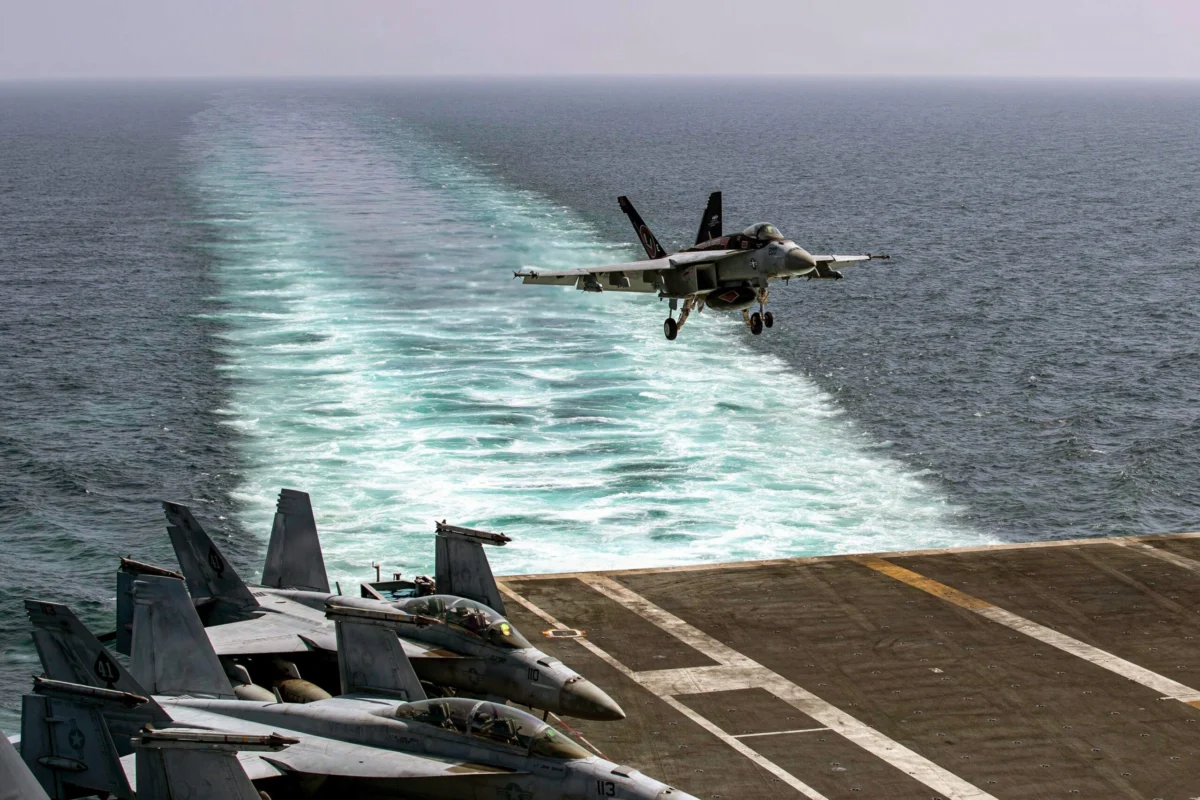
The PLA’s ambition for global power projection, exemplified by the development of its blue-water navy and overseas bases, has also encountered significant headwinds and potential strategic miscalculations. The construction of aircraft carriers, while a potent symbol of naval power, has been a protracted and technically challenging endeavor. The early generations of Chinese carriers have been heavily reliant on foreign technology and expertise, and their operational effectiveness is still being proven in scenarios beyond coastal defense. The establishment of the base in Djibouti, while a significant step in extending its reach, has also drawn international scrutiny and raised questions about its long-term sustainability and strategic utility. The PLA’s efforts to develop expeditionary capabilities are hampered by a relative lack of experience in sustained overseas operations, complex logistical chains, and the inherent political and diplomatic challenges associated with deploying military forces far from home. The historical limitations of a continental army transitioning to a global force are evident, requiring a fundamental shift in mindset, training, and organizational capacity that cannot be achieved overnight.
Organizational reform within the PLA has been a recurring theme, often driven by the need to address past failures and adapt to evolving security environments. However, these reforms have not been without their own set of challenges and setbacks. The sweeping restructuring undertaken in recent years, aimed at streamlining command structures, enhancing joint operations, and reducing bureaucratic bloat, has been a monumental undertaking. While intended to improve efficiency and combat readiness, such large-scale transformations inevitably lead to disruption, resistance, and potential inefficiencies in the short to medium term. The disbandment and reallocation of numerous units, the creation of new theater commands, and the shift in focus towards joint operations require significant retraining and adaptation from personnel at all levels. The success of these reforms hinges on effective implementation, consistent leadership, and the ability to overcome deeply ingrained institutional inertia. Reports suggest that while progress has been made, challenges remain in achieving true jointness and fully realizing the intended benefits of these ambitious structural changes.
The PLA’s focus on information warfare, cyber capabilities, and the development of anti-access/area denial (A2/AD) strategies, while strategically important, also presents inherent vulnerabilities. The reliance on advanced technological systems makes the PLA susceptible to counter-cyber operations and electronic warfare. The very sophistication that enables its A2/AD capabilities can also become a point of failure if these systems are compromised or countered by adversaries. Moreover, the doctrine of "informatized warfare" is still in its developmental stages, and its practical application in complex, high-stakes scenarios remains largely untested. The potential for miscalculation, escalation, and unintended consequences in a hyper-connected battlespace is significant, and the PLA’s ability to navigate such complexities under pressure is a subject of ongoing debate and analysis.
Furthermore, the PLA’s historical experience with large-scale conscript armies has left a legacy of organizational and cultural challenges as it transitions to a more professionalized force. While modernization efforts are ongoing, the ingrained structures and hierarchies of a system built on mass mobilization can still present obstacles to agility and innovation. The promotion system, for instance, has historically been influenced by factors beyond pure meritocracy, leading to concerns about the effectiveness of leadership at various levels. The effort to cultivate officers with modern strategic thinking and operational acumen, capable of leading in complex joint environments, is a long-term process that has seen its share of challenges and setbacks. The PLA’s continuous internal efforts to combat corruption and improve discipline also point to ongoing issues that can undermine operational effectiveness and strategic coherence.
The PLA’s performance in peacekeeping operations and humanitarian assistance missions, while increasing in scope, has also encountered instances of logistical challenges and effectiveness concerns. While these missions are generally less demanding than full-scale combat, they require a different set of skills and capabilities, including robust logistical support, adherence to international law, and effective coordination with multinational forces. Reports from some missions have highlighted areas where the PLA could improve its interoperability and responsiveness. While these are not direct military "fails" in the traditional sense, they represent missed opportunities to build experience and refine capabilities in critical areas of modern military engagement.
In conclusion, the People’s Liberation Army, despite its impressive modernization and growing capabilities, has a history replete with strategic setbacks and operational failures. From the costly lessons of the Sino-Vietnamese War to the ongoing challenges of technological integration, force projection, and organizational reform, these "fails" are not mere footnotes but rather defining moments that have shaped the PLA’s evolution. Understanding these persistent issues is crucial for accurately assessing its current strengths, limitations, and its potential trajectory in the complex geopolitical landscape of the 21st century. The PLA’s journey is one of continuous adaptation, driven by a desire to overcome past deficiencies and achieve its strategic objectives, but the path is marked by significant hurdles that continue to inform its development.




Leave a Reply