
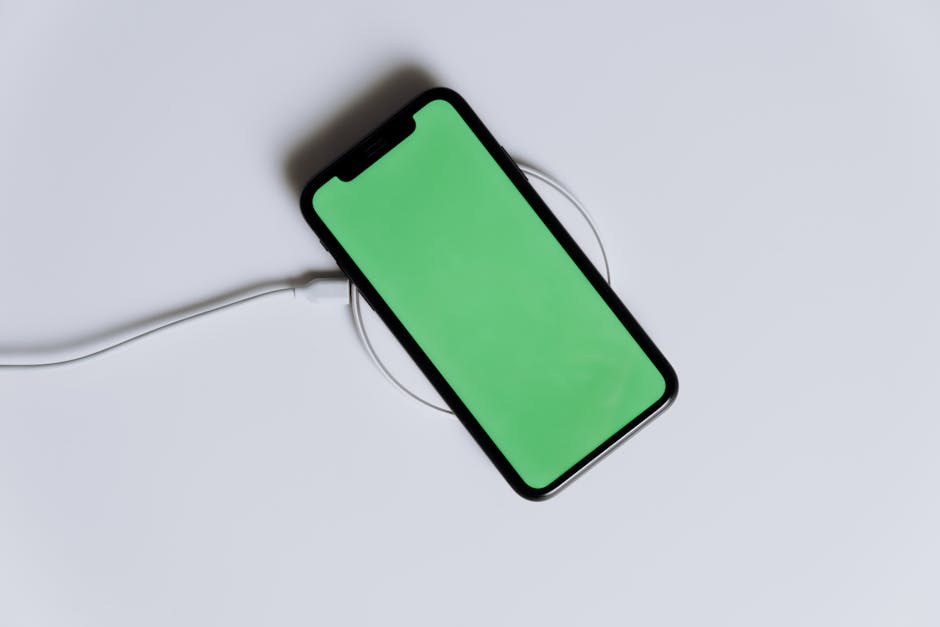
Optimizing iPhone Charging: A Deep Dive into Better Battery Health and Longevity
Optimized battery charging, a feature increasingly integrated into modern smartphones, plays a crucial role in extending the lifespan and maintaining the peak performance of your iPhone’s battery. This intelligent charging system, developed by Apple and progressively refined, aims to mitigate the detrimental effects of prolonged exposure to high charge levels, a known catalyst for battery degradation. Understanding how optimized charging works and how to ensure it’s functioning optimally is paramount for any iPhone user seeking to maximize their device’s longevity. The core principle behind optimized charging is to reduce the time your iPhone spends at a 100% charge. Batteries, particularly lithium-ion batteries found in iPhones, experience higher stress when held at full capacity for extended periods, especially at elevated temperatures. This stress accelerates the chemical reactions within the battery that lead to capacity loss over time, commonly referred to as battery aging. Instead of charging your iPhone to full immediately upon connection to a power source, optimized charging employs a learning algorithm. This algorithm observes your daily charging habits, including when you typically plug in your iPhone overnight and when you tend to unplug it in the morning. Based on this learned behavior, it strategically delays charging the final 20% of the battery capacity. It will charge to approximately 80% and then pause, only resuming the charge to 100% shortly before you are predicted to disconnect your iPhone from the charger. This means your iPhone will spend less time dwelling at that critical 100% mark, thereby reducing unnecessary wear and tear on the battery.
The implementation of optimized charging is primarily managed through your iPhone’s software, specifically within the "Battery" settings. Accessing these settings is straightforward: navigate to "Settings" > "Battery" > "Battery Health & Charging." Here, you’ll find the toggle for "Optimized Battery Charging." By default, this feature is typically enabled. However, it is essential to verify its status and, in some instances, to actively ensure it is selected. The system relies on machine learning to predict your charging patterns. This means it needs data to learn. If you frequently change your charging habits or unplug your iPhone at unpredictable times, the algorithm may struggle to accurately predict your routine. For instance, if you typically charge your iPhone overnight for 8 hours but then suddenly need to leave the house after only 4 hours, and you’ve manually overridden the charging to reach 100%, the system might adapt its predictions, potentially leading to less optimal charging in the future. Conversely, consistent charging patterns reinforce the algorithm’s accuracy, leading to a more effective optimized charging experience. This learned behavior is stored locally on your iPhone and is not sent to Apple. The system is designed for privacy and convenience.
Several factors influence the effectiveness and activation of optimized charging. The most significant is your charging routine. The algorithm is designed to be unobtrusive. If your iPhone detects that you need a full charge sooner than predicted, such as if you unplug it earlier than usual or if it recognizes an unusual charging pattern (e.g., charging during the day unexpectedly), it will often bypass the optimized charging pause and proceed to charge to 100%. This is a fail-safe mechanism to ensure you always have a full battery when you need it. Additionally, environmental factors can play a role. Extreme temperatures, both hot and cold, can impact battery health. While optimized charging aims to reduce stress, prolonged exposure to very high temperatures while charging can still accelerate battery degradation. Therefore, charging your iPhone in a cool, well-ventilated environment is always recommended, regardless of whether optimized charging is active. The type of charger used can also be a consideration, though less impactful than charging habits. Using certified MFi (Made for iPhone) chargers and cables is advisable to ensure compatibility and safety, but the optimized charging logic primarily operates at the device level.
Troubleshooting optimized charging issues typically involves a few key steps. The most common solution is to ensure the feature is indeed enabled in the Battery settings. Sometimes, after a software update or a significant change in usage patterns, the setting might revert or require reconfirmation. If Optimized Battery Charging is enabled but you’re not experiencing the expected behavior, try toggling it off and then back on. This can sometimes reset the learning process. Another crucial step is to allow the feature time to learn your habits. If you’ve just enabled it or significantly altered your charging routine, give it a few days to adapt. Consistency in your charging habits will expedite this learning process. If you consistently find that your iPhone is not optimizing its charge and you are always reaching 100% immediately, it might indicate that the algorithm is not accurately predicting your unplugging time. Consider charging your iPhone at a more consistent time each night and for a predictable duration. For users who require a guaranteed full charge at a specific time, manual overriding is an option. If you see a notification on your Lock Screen stating that your iPhone is paused at 80%, you can tap and hold it and then select "Charge Now" to override the pause and complete the charge immediately. However, doing this consistently will defeat the purpose of optimized charging.
The benefits of optimized battery charging extend beyond mere convenience. By actively reducing the time your iPhone spends at 100% charge, you are significantly mitigating the primary driver of battery aging. This translates to a battery that retains a higher percentage of its original capacity for a longer period. A battery with better health means your iPhone can last longer on a single charge throughout the day, reducing the need for mid-day top-ups. Over the lifespan of your device, this can mean delaying the need to replace the battery, which is an often costly and inconvenient process. In the long term, this contributes to a more sustainable approach to smartphone usage, as it reduces the frequency of battery replacements and, consequently, electronic waste. For many users, the psychological benefit of knowing their device is being cared for in a way that prolongs its useful life is also a significant advantage. It instills confidence in the longevity of their investment.
Furthermore, understanding the nuances of optimized charging can empower users to make informed decisions about their device’s care. For example, users who travel frequently or have unpredictable schedules might find that the automatic learning mechanism doesn’t perfectly align with their needs. In such cases, being aware of how to manually override the charging, or perhaps even temporarily disabling optimized charging for periods of unpredictable travel, can be beneficial. However, for the vast majority of users with relatively consistent daily routines, leaving optimized charging enabled is the most effective strategy for battery health. The underlying technology is designed to be as seamless as possible, working in the background to protect your battery without requiring constant user intervention. Apple’s commitment to battery health is evident in the continuous refinement of this feature, which is a testament to their understanding of the critical role a healthy battery plays in the overall user experience. By understanding and utilizing optimized charging effectively, iPhone users can ensure their devices remain powerful and reliable for years to come.
The evolution of optimized battery charging reflects a deeper understanding of lithium-ion battery chemistry and user behavior. Initially, the focus was primarily on maximizing charge speed. However, as devices became more integrated into our daily lives and users held onto their phones for longer periods, the emphasis shifted towards longevity. Optimized charging is a direct response to this shift, acknowledging that while quick charging is desirable, sustained battery health is arguably more important for long-term user satisfaction. The algorithm’s sophistication has improved with each iOS iteration, becoming more adept at interpreting subtle cues in user behavior. This includes learning not just when you unplug, but also the typical duration of your charging sessions and even the ambient temperature. While the core functionality remains the same – delaying the final charge to 100% – the intelligence behind the prediction has become more robust. This continuous improvement means that even if you’ve had a less-than-ideal experience with optimized charging in the past, updating your iPhone to the latest iOS version might offer a significantly enhanced and more accurate charging optimization. It’s a subtle yet powerful feature that significantly impacts the long-term viability of your iPhone.




Leave a Reply