
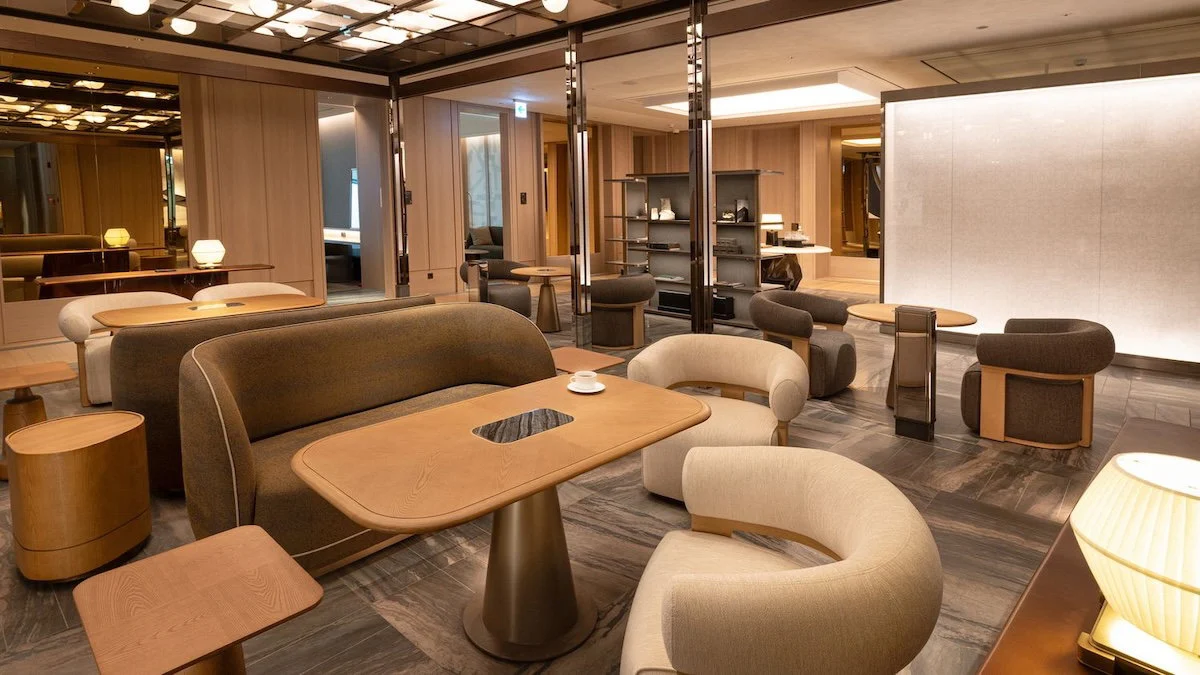
Korean Air has officially announced the opening of its flagship First Class Lounge at Seoul Incheon International Airport (ICN) Terminal 2, scheduled for April 17, 2026. This long-awaited facility marks the final stage of a multi-year initiative to overhaul the airline’s ground services, a strategic move designed to align its premium offerings with its impending merger with Asiana Airlines. The new lounge represents a significant departure from the airline’s previous ground products, emphasizing privacy, traditional Korean aesthetics, and a substantial increase in physical capacity to meet the demands of high-net-worth travelers and elite frequent flyers.
The facility spans 921 square meters (approximately 9,914 square feet), making it 2.3 times larger than the previous First Class Lounge it replaces. By expanding the footprint so aggressively, Korean Air aims to resolve long-standing criticisms regarding overcrowding and the perceived lack of "wow factor" that has historically trailed behind regional competitors such as Singapore Airlines, Cathay Pacific, and Japan Airlines. The new space is partitioned into a communal open hall and 11 high-specification private suites, a configuration tailored to the specific privacy expectations of the East Asian luxury market.
A Strategic Pivot in the Era of Airline Consolidation
The timing of this opening is not coincidental. As Korean Air moves toward the final stages of its integration with Asiana Airlines, the carrier is under pressure to establish a unified, world-class brand identity. For years, Korean Air was viewed as a reliable but somewhat conservative carrier that lacked the cutting-edge lounge innovations found in Singapore or Hong Kong. With the merger set to create a "mega-carrier" that dominates the North Pacific corridor, the airline is utilizing this period to modernize every touchpoint of the passenger journey.
Industry analysts suggest that the investment in the First Class Lounge is a defensive maneuver against the rising quality of premium products in mainland China and the continued dominance of Middle Eastern carriers like Emirates and Qatar Airways, which have set high benchmarks for ground services. By creating a flagship space in Terminal 2—a terminal specifically designed for the SkyTeam alliance and Korean Air’s hub operations—the airline is asserting its dominance at Incheon, which remains one of the world’s most efficient and highly-rated transit hubs.
Chronology of Korean Air’s Ground Service Evolution
The path to the 2026 lounge opening began shortly after the inauguration of Incheon Terminal 2 in 2018. While the terminal itself was a massive upgrade over the aging Terminal 1, the initial lounge offerings were seen by many frequent flyers as functional rather than aspirational.
- 2018: Korean Air moves operations to the newly opened Terminal 2 at Incheon, introducing a new suite of lounges.
- 2020–2022: The COVID-19 pandemic slows international travel, leading to a temporary suspension of various premium services. During this period, Korean Air begins planning for a post-pandemic "remium recovery."
- 2023: The airline announces a major renovation project for its lounge portfolio, including the expansion of its Prestige Class (Business Class) and Miler Club facilities.
- 2024: Korean Air receives regulatory approvals from several global markets for its merger with Asiana, prompting a renewed focus on brand harmonization.
- 2025: Renovation work begins on the First Class space, with the airline temporarily utilizing smaller facilities to accommodate top-tier passengers.
- April 17, 2026: The new 921-square-meter First Class Lounge officially opens to passengers.
Architectural Design and Cultural Significance
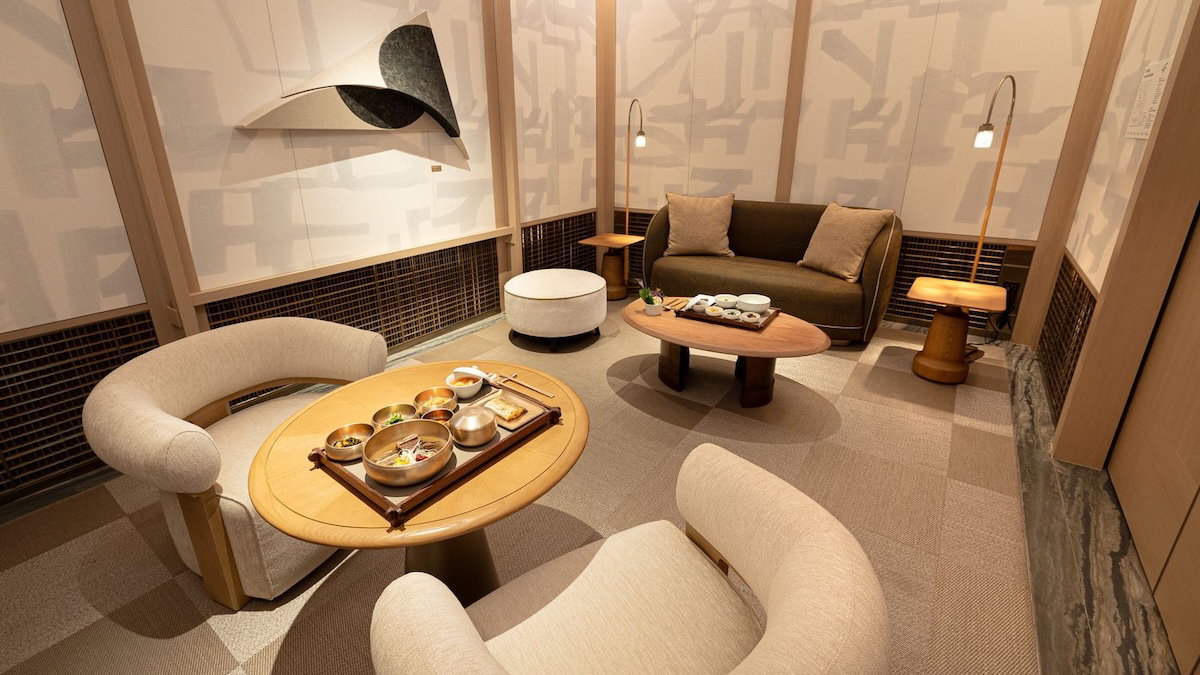
The design philosophy of the new lounge is rooted in "quiet luxury" and traditional Korean architecture. The airline has moved away from the sterile, corporate aesthetic of its previous lounges in favor of a design language that utilizes wood pillars, exposed beams, and ramie (known as mosi) textures. Ramie is a traditional Korean fabric known for its breathability and fine weave, historically used in high-end traditional clothing (hanbok).
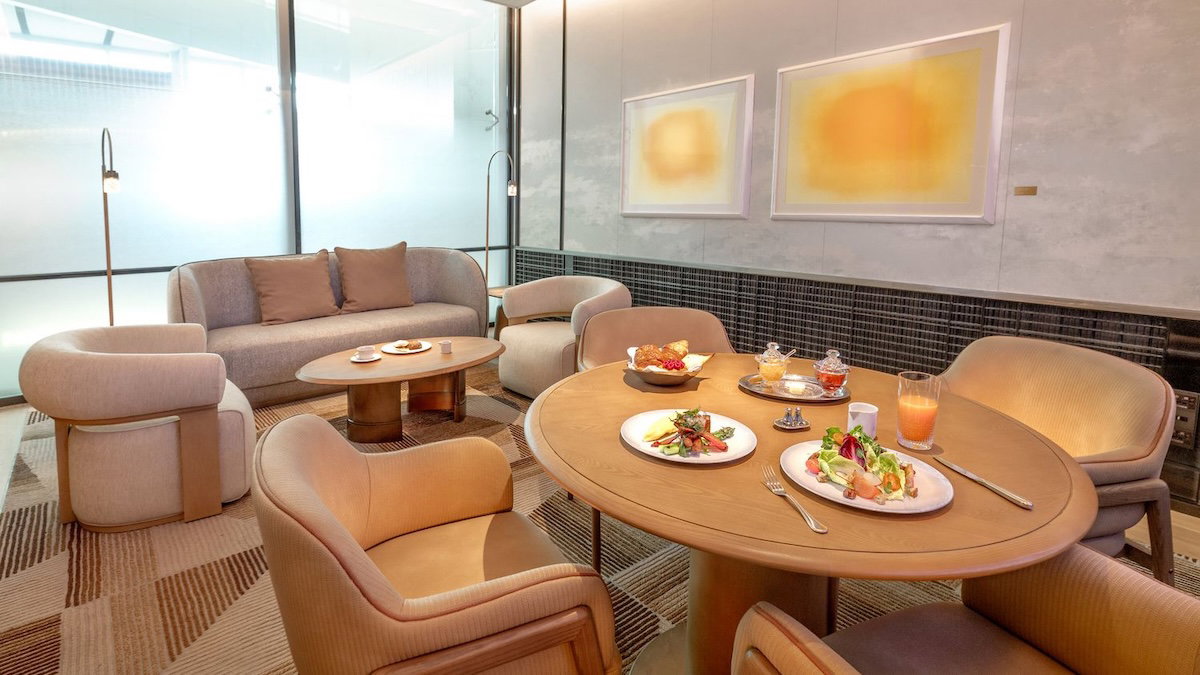
The inclusion of 11 private suites is perhaps the most distinctive feature of the facility. While many international first-class lounges offer semi-private booths or "daybeds," Korean Air has opted for fully secluded environments. This reflects a broader trend in South Korean luxury hospitality where "private rooms" (bang) are a cultural staple, offering guests a sanctuary from the bustling environment of a major international airport. These suites are expected to be equipped with high-end ergonomic seating, personalized entertainment systems, and dedicated workspace areas, allowing passengers to transition seamlessly from business to relaxation.
Data-Driven Expansion: Capacity and Utilization
The decision to increase the lounge’s size by 130% comes at a time when Korean Air is actually reducing the number of aircraft equipped with a traditional First Class cabin. Currently, the airline offers First Class on its Boeing 747-8i and Airbus A380 fleets, as well as select Boeing 777-300ER aircraft. However, as the airline transitions toward a fleet dominated by Boeing 787-10s and Airbus A350s, the "First Class" footprint on board is being streamlined.
The rationale for a larger lounge despite a potentially smaller First Class passenger count lies in the "Miler Club" and elite status tiering. As Korean Air integrates Asiana’s Diamond Plus and Platinum members into its own SKYPASS program, the number of "status-based" lounge entrants is expected to rise. Furthermore, by providing more space per passenger, Korean Air is ensuring that even during peak departure windows—such as the late-morning bank of flights to North America—the lounge maintains an atmosphere of exclusivity and calm.
Comparative Lounge Dimensions (ICN T2):
- Old First Class Lounge: ~400 Square Meters
- New First Class Lounge: 921 Square Meters
- Growth Factor: 2.3x
- Private Suites: 11
Enhanced Services and Amenities
Beyond the physical architecture, the lounge is expected to introduce a revamped culinary program. Historically, Korean Air’s first-class catering on the ground has been criticized for being limited in variety compared to the elaborate buffet and a-la-carte offerings of Middle Eastern rivals. The new facility is rumored to feature a dedicated a-la-carte dining room where passengers can order traditional Korean delicacies and international fine dining prepared to order.
Other anticipated features include:
- Wellness Zones: High-end shower suites featuring luxury Korean skincare brands and massage therapy options.
- Concierge Services: Dedicated staff to handle ticketing, seating changes, and personalized boarding assistance.
- Digital Integration: Seamless Wi-Fi and smart-room controls within the private suites, allowing guests to adjust lighting and temperature via personal devices.
Official Reactions and Industry Implications
While official statements from Korean Air executives have focused on the "home away from home" concept, the broader industry views this as a necessary step for the airline to justify its premium pricing. In a statement regarding the lounge’s opening, a spokesperson for the airline noted that the facility was designed to "prioritize the passenger’s personal space and peace of mind above all else."
Aviation consultants suggest that the "suite-centric" model of the lounge could set a new standard for ground operations. "Korean Air is recognizing that for the ultra-premium traveler, luxury is no longer about gold leaf and chandeliers; it is about silence and the ability to control one’s environment," said one industry analyst. "By offering 11 private suites, they are effectively giving First Class passengers their own ‘mini-terminal’ within the airport."
The merger with Asiana Airlines also looms large over this development. Asiana was known for having a very loyal following for its "First Class Suite" product. By upgrading its own flagship lounge, Korean Air is sending a signal to Asiana’s high-value customers that their needs will not only be met but exceeded in the combined entity.
Conclusion: A New Era for South Korean Aviation
The opening of the new First Class Lounge at Incheon Terminal 2 is more than just a renovation; it is a statement of intent. As Korean Air prepares to enter its next chapter as one of the world’s ten largest airlines, the quality of its flagship hub will be the primary metric by which it is judged.
By doubling its capacity and introducing a design that honors Korean heritage while embracing modern needs for privacy, Korean Air is closing the gap with its regional rivals. Whether this will be enough to propel the carrier to the very top of the "World’s Best Airline" rankings remains to be seen, but for the passengers traveling through Incheon starting in April 2026, the ground experience is set to become a destination in its own right. The airline’s investment reflects a confident bet on the future of premium long-haul travel, ensuring that the "Land of the Morning Calm" starts its journey right at the lounge gate.










Leave a Reply