
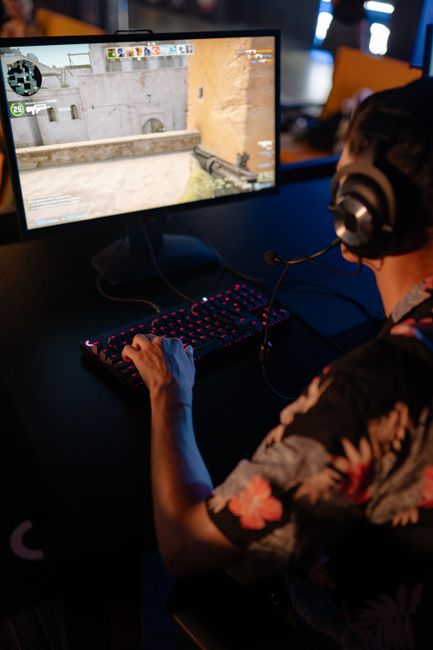
Ubisoft Invites Players to Test Upcoming Shooter: Exclusive Beta Access and What It Means
Ubisoft has officially opened the doors for select players to test its latest shooter title, offering a crucial window into the development process and a chance for the community to provide direct feedback. This closed beta phase, a common practice for major game releases, allows Ubisoft to stress-test server infrastructure, refine gameplay mechanics, identify and patch bugs, and gauge player reception before the game’s wider launch. The invitation to participate, often distributed through email sign-ups, social media campaigns, or as rewards for loyalty programs, signifies a commitment to player-driven development and aims to build anticipation while ensuring a polished final product. For those granted access, it represents an opportunity to be at the forefront of a new gaming experience, influencing its direction and providing invaluable insights that could shape the future of the title.
The shooter in question, shrouded in initial secrecy, is understood to be a fresh IP or a significant evolution of an existing franchise, designed to tap into the competitive and cooperative gaming market. Ubisoft’s track record with shooters, spanning from the tactical realism of Rainbow Six Siege to the open-world stealth of Far Cry and the online multiplayer chaos of The Division, suggests a high level of polish and innovation. This beta isn’t merely a demo; it’s a meticulously crafted environment where every action, decision, and piece of feedback from participants is logged and analyzed. The types of tests conducted during a closed beta are multifaceted. Technical stability is paramount. Developers will be monitoring server load, connection stability, ping times, and crash reports to ensure a smooth experience for a potentially massive player base. Gameplay mechanics are under intense scrutiny. This includes weapon balancing, movement systems, ability effectiveness, map design, and overall game flow. Player feedback is critical in identifying what feels fair, fun, and intuitive, as well as what needs significant adjustments. Early bug hunting is another core objective. While not every glitch will be discovered, a large player pool can uncover edge cases and unforeseen issues that internal testing might miss.
For players who receive an invitation, the experience goes beyond mere entertainment. It’s an active role in game development. The feedback mechanisms provided within the beta client are often sophisticated, allowing players to report bugs with screenshots or video, rate specific features, and offer detailed suggestions. This direct line of communication is invaluable. Developers can observe player behavior in real-time, understanding how strategies unfold and where players encounter difficulties. This data, combined with direct player input, forms the basis for iterative improvements. The inclusion of specific game modes or maps within the beta is strategic. Developers might focus on core gameplay loops, testing specific combat scenarios, or evaluating the effectiveness of new mechanics. The selection of participants also plays a role. Ubisoft may target specific demographics or players with a history of providing constructive feedback to ensure a diverse range of perspectives. This is not just about identifying problems; it’s also about recognizing what players enjoy and amplifying those positive aspects.
The SEO implications of Ubisoft inviting players to a shooter beta are significant. This announcement acts as a powerful search engine trigger. Terms like "Ubisoft shooter beta," "new Ubisoft game test," "upcoming shooter closed beta," and the specific game title (once revealed) will see a surge in search queries. Content creators – YouTubers, Twitch streamers, and gaming journalists – who gain access will produce a wealth of related content. This content, optimized with relevant keywords, will rank highly in search results, driving organic traffic and increasing brand visibility. The buzz generated by these early access opportunities creates a snowball effect, drawing in more potential players and fostering a community even before the game officially launches. Furthermore, Ubisoft’s official channels will be leveraging this event for content marketing. Blog posts detailing beta features, developer interviews discussing feedback, and social media updates highlighting player experiences will all be meticulously crafted with SEO in mind, ensuring their content is discoverable by anyone searching for information about the game.
Understanding the "shooter" genre and its current landscape is crucial when analyzing Ubisoft’s strategic move. The shooter market is highly competitive, with established titans like Call of Duty, Apex Legends, Valorant, and Counter-Strike 2 dominating the scene. To carve out a niche, a new shooter must offer something distinct. This could be a unique gameplay mechanic, a compelling narrative, an innovative approach to multiplayer modes, or a strong commitment to live-service content. The beta phase provides a critical testing ground for these differentiators. Are the new mechanics intuitive and fun? Does the narrative resonate with players? Are the multiplayer modes engaging enough to foster long-term play? Ubisoft’s decision to involve the player base early suggests they are confident in their core offering but understand the need for refinement. The feedback received during the beta will be instrumental in shaping the game’s identity and ensuring it stands out from the crowd. For instance, if the beta reveals that a particular weapon is overpowered or that a certain map leads to unbalanced gameplay, Ubisoft can implement changes that directly address these player concerns, rather than relying solely on internal testing.
The role of community in modern game development cannot be overstated. For a shooter, especially one aiming for a competitive edge or a robust live-service model, a dedicated and engaged community is vital for long-term success. The closed beta serves as the initial spark for this community. By inviting players into the development process, Ubisoft fosters a sense of ownership and investment. Participants are more likely to become vocal advocates for the game, spreading the word and encouraging others to join. This early engagement also allows for the cultivation of a positive community culture. Developers can actively participate in forums and social media, addressing player concerns and building rapport. This transparency and responsiveness can go a long way in establishing trust and mitigating potential negative sentiment before launch. The insights gained from beta testers can also inform the game’s post-launch content roadmap. If a particular mode or weapon is exceptionally popular, developers can prioritize its expansion and support. Conversely, if a feature falls flat, they can pivot their development efforts to areas that resonate more with the player base.
The technical aspects of running a large-scale shooter beta are as important as the gameplay itself. Server infrastructure must be robust enough to handle thousands, if not tens of thousands, of concurrent players. Load balancing, regional server optimization, and efficient data management are all critical. Ubisoft will be closely monitoring server performance, looking for bottlenecks, latency issues, and connection drops. The beta client itself will likely include diagnostic tools to help identify and report technical problems. For players, the experience of participating in a beta is also an opportunity to understand the technical demands of a modern online game. Stable internet connections and capable hardware are essential for a smooth experience. The feedback loop on technical performance is crucial for the developers to ensure a stable and enjoyable launch for all players, not just those lucky enough to get into the initial beta.
From an SEO perspective, the information disseminated during and after the beta is gold. Ubisoft will strategically release details about the game’s features, lore, and gameplay mechanics, all optimized for search engines. Player-generated content, such as gameplay clips, reviews, and forum discussions, will further amplify this. By monitoring trending keywords and search volumes related to the game, Ubisoft can tailor its marketing efforts and content creation to meet player interest. For instance, if players are frequently searching for information on a specific character’s abilities or a particular weapon’s stats, Ubisoft can create targeted content that addresses these queries, driving traffic to its official channels and further increasing the game’s discoverability. The goal is to ensure that when a potential player searches for anything related to the game, Ubisoft’s official sources or highly-ranked community content appears prominently.
The strategic implications of a closed beta extend beyond immediate testing. It’s a powerful marketing tool. The exclusivity of beta invitations creates a sense of desire and anticipation. This can lead to increased social media engagement, with players sharing their experiences and inviting friends. Furthermore, the data collected during the beta can inform future marketing campaigns. By understanding which aspects of the game resonate most with players, Ubisoft can tailor its advertising and promotional materials to highlight those strengths. For example, if early testers find a particular co-op mode to be exceptionally fun, Ubisoft can feature that mode heavily in its marketing. This data-driven approach ensures that marketing efforts are targeted and effective, maximizing their reach and impact. The word-of-mouth generated by beta participants is also invaluable, providing authentic endorsements that can be more persuasive than traditional advertising.
The evolution of shooter games has seen a significant shift towards live-service models, where games are continuously updated with new content, events, and features. This model relies heavily on player engagement and retention. The beta phase is the first step in cultivating this long-term engagement. By involving players early, Ubisoft can build a community that feels invested in the game’s ongoing development. This can lead to higher player retention rates post-launch, as players feel a sense of loyalty and ownership. The feedback gathered during the beta can also inform the game’s live-service roadmap, ensuring that the content released post-launch is aligned with player preferences and expectations. This iterative approach to development, guided by player feedback, is crucial for the success of any live-service shooter in today’s competitive market. The insights gained from this initial testing phase will directly influence how the game evolves over its lifespan, ensuring it remains relevant and engaging for its player base.
In conclusion, Ubisoft’s invitation to players to test its upcoming shooter is a multi-faceted strategy with significant implications for game development, community building, and market positioning. The closed beta serves as a critical crucible for refining gameplay mechanics, stress-testing technical infrastructure, and gathering invaluable player feedback. For the participating players, it’s an opportunity to influence a game’s direction and gain early access to a potentially groundbreaking title. From an SEO perspective, this initiative generates a substantial volume of relevant search queries, content creation, and organic traffic, driving discoverability and brand awareness. The strategic value lies in fostering early community engagement, understanding market preferences, and laying the groundwork for a successful live-service model. This player-centric approach, coupled with meticulous data analysis, positions Ubisoft to launch a polished and player-approved shooter, ready to compete in the dynamic gaming landscape. The success of this beta phase will be a key indicator of the game’s potential, directly impacting its reception and long-term viability in the highly competitive shooter genre.





Leave a Reply