
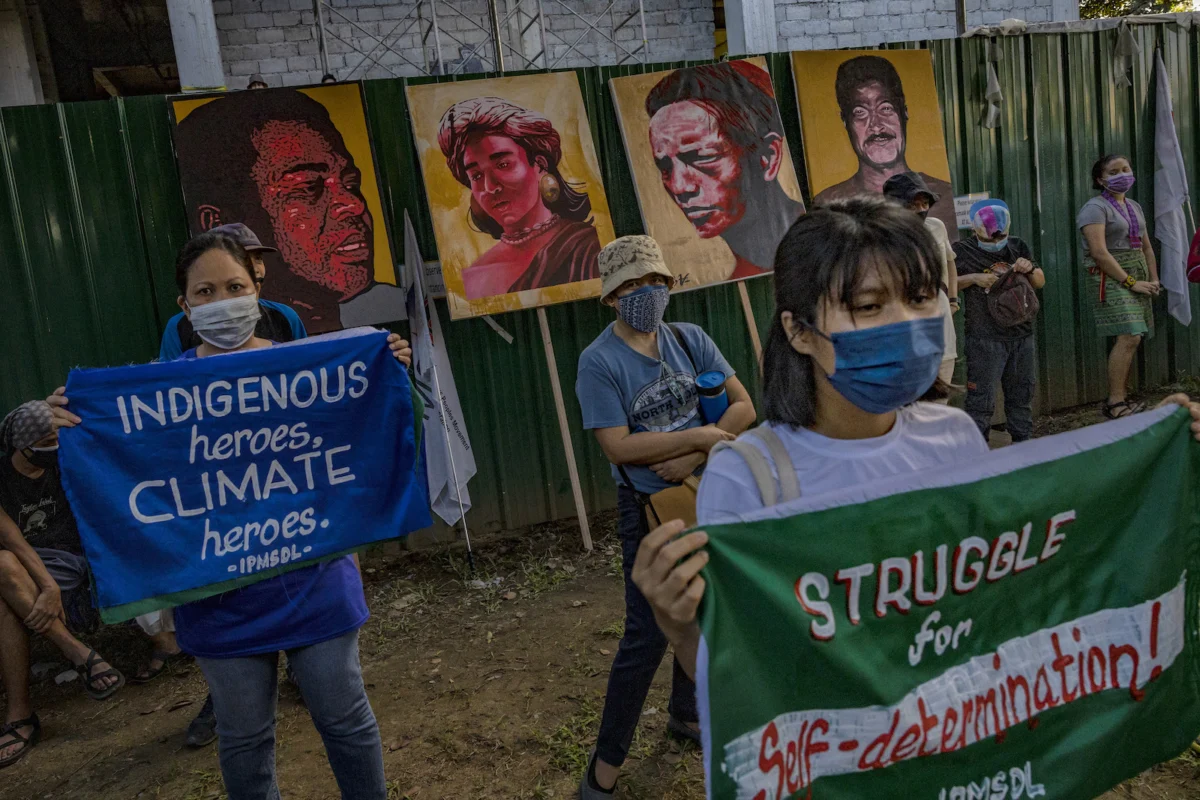
The global struggle to protect the planet’s remaining biodiversity and climate stability reached a harrowing paradox in 2025. While international judiciaries issued unprecedented rulings affirming the human right to a healthy environment, the individuals on the front lines of this movement faced a relentless wave of lethal and non-lethal violence. According to the latest annual report from Front Line Defenders, a Dublin-based human rights organization, at least 358 human rights advocates were murdered last year, with environmental and Indigenous rights defenders bearing a disproportionate share of the carnage.
The data reveals a stark disconnect between the high-level legal frameworks established in global capitals and the lawless reality of the world’s resource-rich frontiers. Nearly one-quarter of those killed—84 individuals—were targeted specifically for their efforts to protect land, water, and forests from industrial exploitation. Indigenous rights defenders, whose work often overlaps with environmental protection but is categorized separately due to the unique cultural and ancestral rights they represent, accounted for an additional 17 percent of the documented fatalities. Together, these groups represent the most endangered segment of civil society, operating at the intersection of corporate interests, state corruption, and organized crime.
The Human Toll: A Global Map of Lethal Repression
The killings documented in 2025 were not confined to a single region, though the patterns of violence were most acute in the Global South. Fatalities were confirmed in a diverse array of nations, including Brazil, Colombia, Ecuador, France, Honduras, Guatemala, Mexico, India, Indonesia, Peru, the Philippines, Turkey, Somalia, and Palestine.
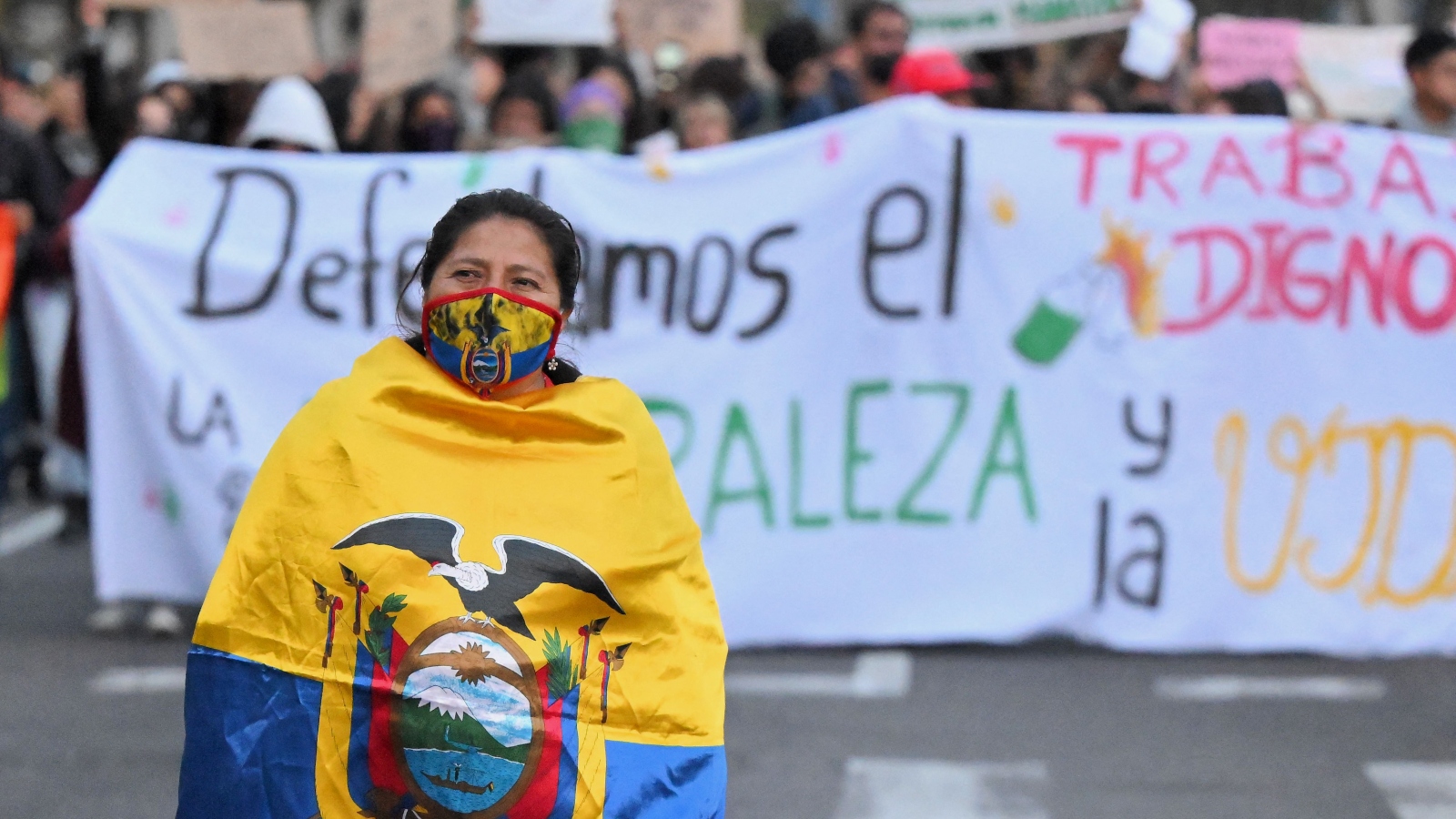
In Latin America, the trend of "economies of violence" continued to claim lives at an alarming rate. Colombia and Brazil remained among the deadliest countries for land defenders, driven by the expansion of cattle ranching, illegal logging, and the drug trade. However, the situation in Ecuador emerged as a particularly grim case study of state and corporate collusion. Among the victims was Efraín Fueres, a 46-year-old community leader and environmental defender who was gunned down while participating in nationwide protests against the government’s aggressive pro-extractive industry policies.
The circumstances of Fueres’ death, captured in social media footage, provide a chilling look at the tactical nature of this violence. Videos show Fueres being shot while marching; as he lay dying in the street, a military vehicle approached. Rather than offering aid, armed officers surrounded the scene and reportedly assaulted a companion who was attempting to assist the fallen leader. This incident highlights a recurring theme in the 2025 report: the role of state security forces in facilitating or directly executing violence against peaceful protesters. To date, neither the Ecuadorian Consulate in Washington nor the nation’s public prosecutor’s office has provided a formal response to inquiries regarding the incident.
Beyond Lethal Violence: The Spectrum of Harassment
While the 358 killings represent the most extreme form of repression, they are only the tip of a much larger iceberg of systemic harassment. Front Line Defenders documented nearly 4,000 non-lethal attacks across 119 countries in 2025. These incidents include arbitrary detentions, enforced disappearances, torture, physical assaults, and sophisticated surveillance operations.
One of the most pervasive tools used against defenders is "legal harassment" or "criminalization." This involves the use of retaliatory lawsuits—often referred to as Strategic Lawsuits Against Public Participation (SLAPPs)—and the filing of unfounded criminal charges such as "sabotage," "terrorism," or "incitement to violence." These legal maneuvers are designed to drain the financial resources of activists, damage their reputations, and divert their energy from environmental advocacy to legal self-defense.
The report emphasizes that the documented figure of 4,000 attacks is likely a significant undercount. In many authoritarian or conflict-torn regions, the total closure of civic space makes it impossible to verify reports of abuse. In countries such as China, the Democratic Republic of Congo, and Iran, internet blackouts, the suppression of independent media, and the direct targeting of human rights documenters create "data blackholes" where violations occur with total impunity.
A Chronology of 2025: Legal Triumphs vs. Field Realities
To understand the volatility of 2025, one must look at the timeline of legal developments that occurred alongside the rising body count:
- January–March 2025: Several European nations began implementing stricter due diligence laws, requiring corporations to monitor their supply chains for human rights abuses and environmental destruction.
- April 2024: In a precursor to 2025’s trends, the Inter-American Court of Human Rights began deliberating on a landmark advisory opinion regarding the climate emergency and human rights.
- July 2025: The International Court of Justice (ICJ) issued a significant advisory opinion affirming that a healthy environment is a fundamental prerequisite for the enjoyment of all other human rights. The court ruled that states have a legal obligation to protect environmental defenders as a component of their climate commitments.
- September 2025: Despite these legal milestones, the killing of Efraín Fueres in Ecuador signaled a defiant pushback by pro-extractive administrations against the burgeoning "rights of nature" movement.
- December 2025: The year concluded with more than 165 countries having formally recognized the human right to a clean, healthy, and sustainable environment, yet violence against those exercising this right reached its highest levels in five years.
The Rise of "Economies of Violence"
The 2025 report introduces a critical concept for understanding the modern threat landscape: "economies of violence." This refers to the overlapping networks of government officials, multinational corporations, private security firms, and criminal syndicates that operate around extractive industries like mining, oil and gas, and large-scale agribusiness.
In these zones, the distinction between "legal" and "illegal" activity often blurs. For instance, in remote regions of Ecuador and Peru, illegal mining operations frequently exist within the concessions of legitimate mining companies. These entities may share security infrastructure or rely on the same corrupt local officials to suppress community opposition. Defenders who challenge land dispossession or water pollution find themselves targeted by a hydra-headed enemy; if a legal challenge fails to stop them, a smear campaign follows, and if that fails, physical violence is deployed.
The report notes that the "majority of criminalization cases occurred within the context of socio-environmental conflicts where mining projects are imposed on communities without their free, prior, and informed consent (FPIC)." This violation of Indigenous sovereignty remains a primary driver of conflict globally.
The Judicial Response: A New Legal Frontier
Despite the dangers, 2025 saw the judiciary emerge as a powerful, if slow-moving, ally for defenders. The Inter-American Court of Human Rights’ advisory opinion was particularly transformative. The court stated, “Respect for and guarantee of the rights of environmental human rights defenders is particularly important because they perform a task that is fundamental for strengthening democracy and the rule of law.”

This ruling effectively linked environmentalism to the very survival of democratic institutions. It argued that without public involvement and the protection of those who speak out, governments cannot make informed decisions about resource management, leading to systemic corruption and the erosion of the social contract.
Furthermore, the recognition of the right to a healthy environment by 165 nations has provided a new set of teeth for domestic litigation. In several instances in 2025, local courts in the Philippines and Mexico cited these international standards to halt industrial projects that threatened community health, though such victories often prompted immediate retaliatory violence against the plaintiffs.
Implications for the Global Climate Agenda
The ongoing targeting of environmental defenders has profound implications for the global effort to mitigate climate change. As the world attempts to transition to renewable energy, the demand for "transition minerals" like lithium, cobalt, and copper has surged. This "green rush" is creating new flashpoints for violence in areas where these minerals are located, often on Indigenous lands.
If the people most capable of monitoring and protecting carbon-sequestering ecosystems—such as the Amazon rainforest or the peatlands of Indonesia—are silenced, the global community loses its most effective line of defense against ecological collapse. The Front Line Defenders report makes it clear: the protection of human rights is not a secondary concern to climate action; it is a prerequisite.
As 2025 draws to a close, the data serves as a sobering reminder that legal declarations are only as strong as their enforcement. The "economies of violence" continue to thrive because the perpetrators of attacks against defenders are rarely held accountable. Until international pressure forces governments to dismantle the networks of impunity that shield those who kill land defenders, the gap between the halls of justice and the front lines of the environmental struggle will only continue to widen. The report concludes with a call to action for the international community to move beyond rhetoric and implement concrete protection mechanisms, including emergency relocation funds and the conditioning of trade agreements on the safety of civil society activists.









Leave a Reply