
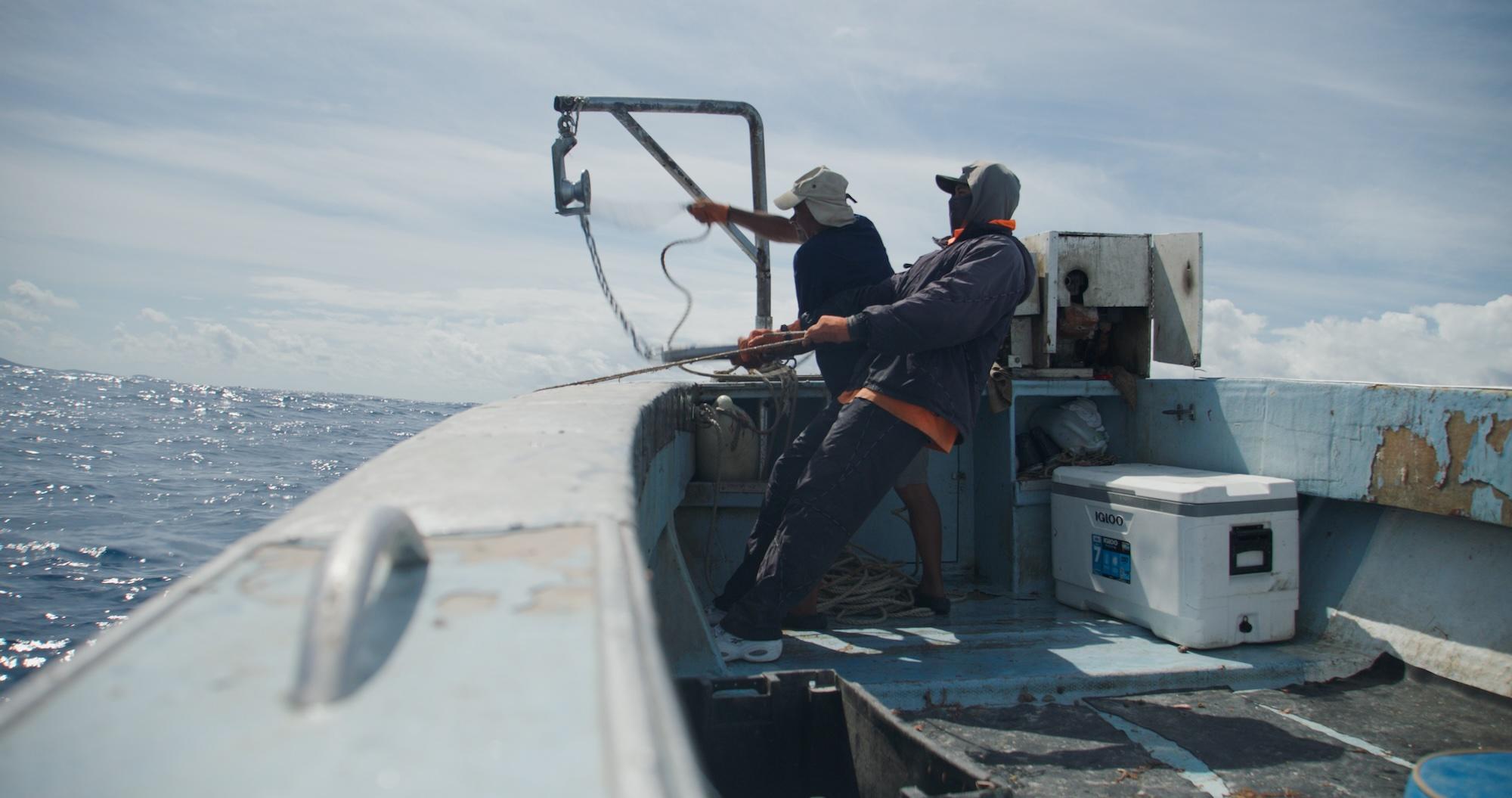
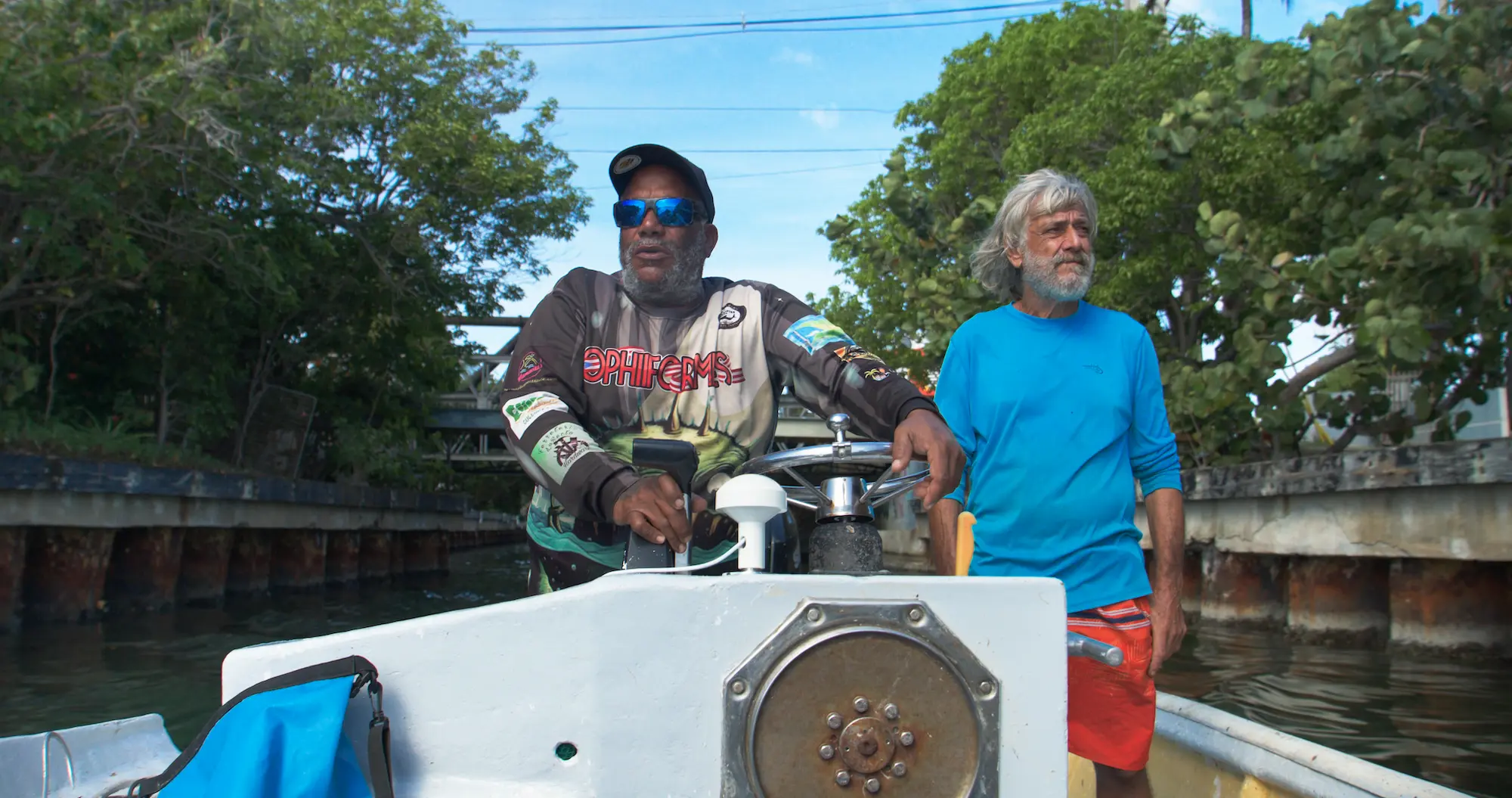
Tomás Ayala, a 50-year-old traditional fisher on the Puerto Rican island of Culebra, represents the front line of a quiet but critical revolution within the archipelago’s maritime food system. Descending from generations of divers and trap-setters, Ayala’s daily routine—plunging into the swells to spear hogfish and harvest lobster—is no longer just a matter of trade, but an act of communal preservation. In Culebra, and across the main island of Puerto Rico, small-scale fishers are increasingly operating in a vacuum of government support, forced to rebuild their own infrastructure, navigate a labyrinthine bureaucracy, and fortify their livelihoods against the accelerating impacts of climate change.
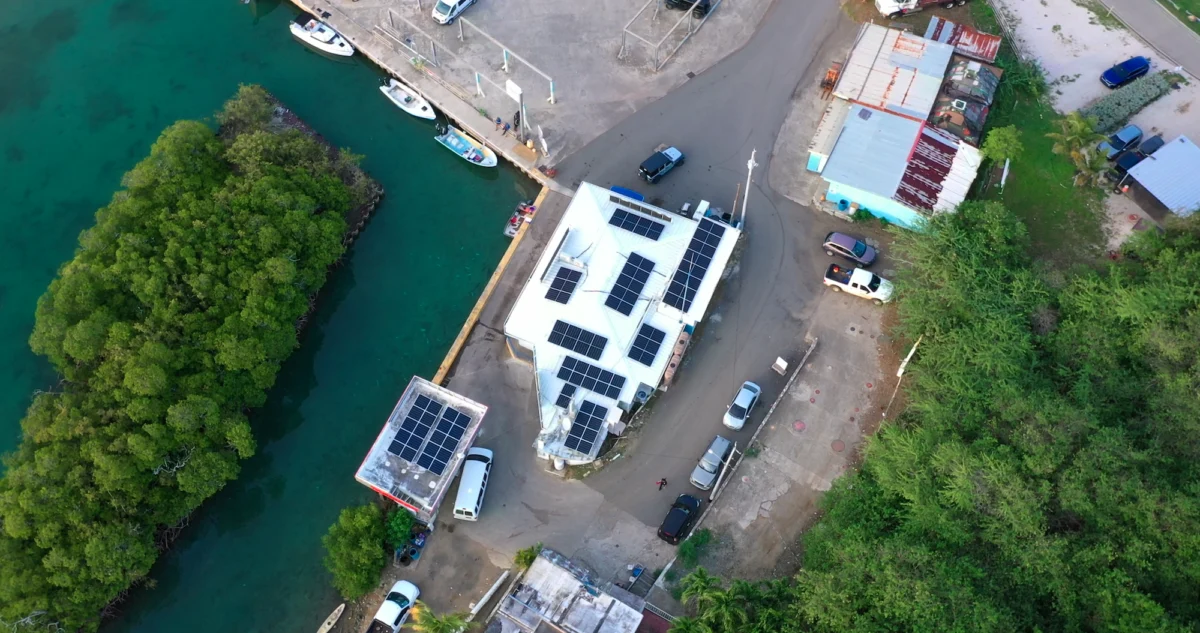
The centerpiece of this struggle is the villa pesquera, or fishing village. These landing centers serve as the vital organs of Puerto Rico’s artisanal fishing industry, providing the refrigeration, cleaning stations, and market space necessary to move catch from the sea to the table. For decades, many of these sites have languished in disrepair. In Culebra, the local villa pesquera sat dormant for nearly twenty years, shuttered in 2002 due to political infighting and a withdrawal of state funding. Its recent resurrection in October 2023 was not the result of a government initiative, but of a four-year grassroots campaign led by Ayala and marine scientist Nicolás Gómez Andújar, fueled by community donations and local labor.
A Legacy of Institutional Fragmentation
The current state of Puerto Rico’s fishing infrastructure is rooted in a history of shifting administrative priorities. In the early 1960s, the Puerto Rican government made a concerted effort to modernize the sector, formalizing informal landing spots into regulated villas pesqueras. This led to the 1979 creation of the Corporation for the Development and Administration of Marine, Lacustrine, and Fluvial Resources (CODREMAR), a centralized agency designed to oversee research, conservation, and commercial development.
However, the era of centralized support was short-lived. In 1990, the government dissolved CODREMAR, citing inefficiency. Its responsibilities were split between the Department of Agriculture and the Department of Natural and Environmental Resources (DNER). This division created a "patchwork" governance model that experts say has crippled the industry. Today, a fisher seeking to operate legally must navigate a gauntlet of stakeholders, including:
- The Department of Agriculture: Oversees the management of the villas and certain equipment.
- The Department of Natural and Environmental Resources (DNER): Issues fishing licenses and regulates boat ramps.
- Federal Agencies: The U.S. Army Corps of Engineers, the EPA, NOAA, and the U.S. Coast Guard all maintain various permitting authorities.
- Local Municipalities: Often co-manage the physical sites alongside fisher associations.
Luis Alexis Rodríguez Cruz, a food systems researcher with the Caribbean Agroecology Institute, describes the situation as being "between the sword and the wall." Fishers often find that one agency’s requirements directly contradict another’s, or that the cost of compliance—ranging from hundreds to thousands of dollars for permits—is prohibitive for small-scale, artisanal producers.
The Economic Paradox of Puerto Rican Fisheries
While fishing accounts for a statistically marginal portion of Puerto Rico’s economy—falling within the agriculture, forestry, and fishing sector that represented just 0.69 percent of the gross domestic product in 2024—its importance to food security is outsized. In an archipelago where approximately 85 percent of food is imported and poverty rates in coastal communities often double the U.S. national average, local fisheries offer a rare path toward food sovereignty.
A recent report by the nonprofit Conservación ConCiencia found that just 12 active villas pesqueras contribute more than $3 million annually to the local economy. Despite this, the number of active centers has plummeted. In the 1980s, there were approximately 63 villas pesqueras across Puerto Rico; today, only about 41 are confirmed to be actively selling seafood. The DNER currently has 1,646 licensed fishers on record, though experts suggest the actual number of people participating in the informal fishing economy is likely higher.
The Hurricane Maria Catalyst and the Aid Gap
The vulnerability of the sector was laid bare in 2017 when Hurricane Maria struck the islands. The storm caused an estimated $17.8 million in damages to fishing gear, vessels, and shoreside infrastructure. In the town of Ceiba, fishers Beverly Román Figueroa and Ernesto Correa Torres have spent years fighting for the restoration of their hub. Despite federal allocations intended for repairs, the couple found their facility in a state of advanced neglect as late as 2023, with waterlogged floors and destroyed plumbing.
Tired of waiting for government intervention, Román Figueroa and Correa Torres invested over $60,000 of their own funds to repair the Ceiba villa pesquera. Their experience is reflected in broader data: a January 2025 audit by the Office of the Inspector General at the U.S. Department of Commerce revealed a staggering delay in disaster relief. The audit found that the Puerto Rican government had distributed only about 7 percent of the $11.4 million in federal disaster assistance earmarked for fisheries since 2020. Out of 17 designated restoration projects, only four had been completed five years after the funds were made available.
Climate Change and the Need for "Climate-Proof" Infrastructure
The challenges facing fishers are compounded by a rapidly changing environment. Since 1901, the average ocean temperature around Puerto Rico has risen by nearly 2 degrees Fahrenheit, bleaching coral reefs and altering the migration patterns of key species. Furthermore, coastal erosion has been identified in more than one-third of Puerto Rico’s beaches, prompting Governor Jenniffer González-Colón to declare multiple states of emergency regarding shoreline loss.
Ariam Torres Cordero, an environmental planner and professor at the University of Puerto Rico, argues that the current government approach of rebuilding destroyed villas exactly as they were is a recipe for future failure. "It’s not sustainable just to keep rebuilding the same," Torres Cordero noted. He is currently leading a pilot project in Vieques to design "climate-proof" structures that utilize mobile components for fish markets and docks, allowing them to be moved inland before a storm, while keeping heavy infrastructure like industrial freezers in reinforced, permanent locations.
However, even these academic and community-led innovations are hindered by broader societal instability. Torres Cordero’s project has faced delays due to military deployments in Vieques and administrative strikes at the University of Puerto Rico, illustrating how the "waiting game" for progress is often dictated by factors far beyond the water’s edge.
Innovation Amidst Bureaucracy: The Culebra Model
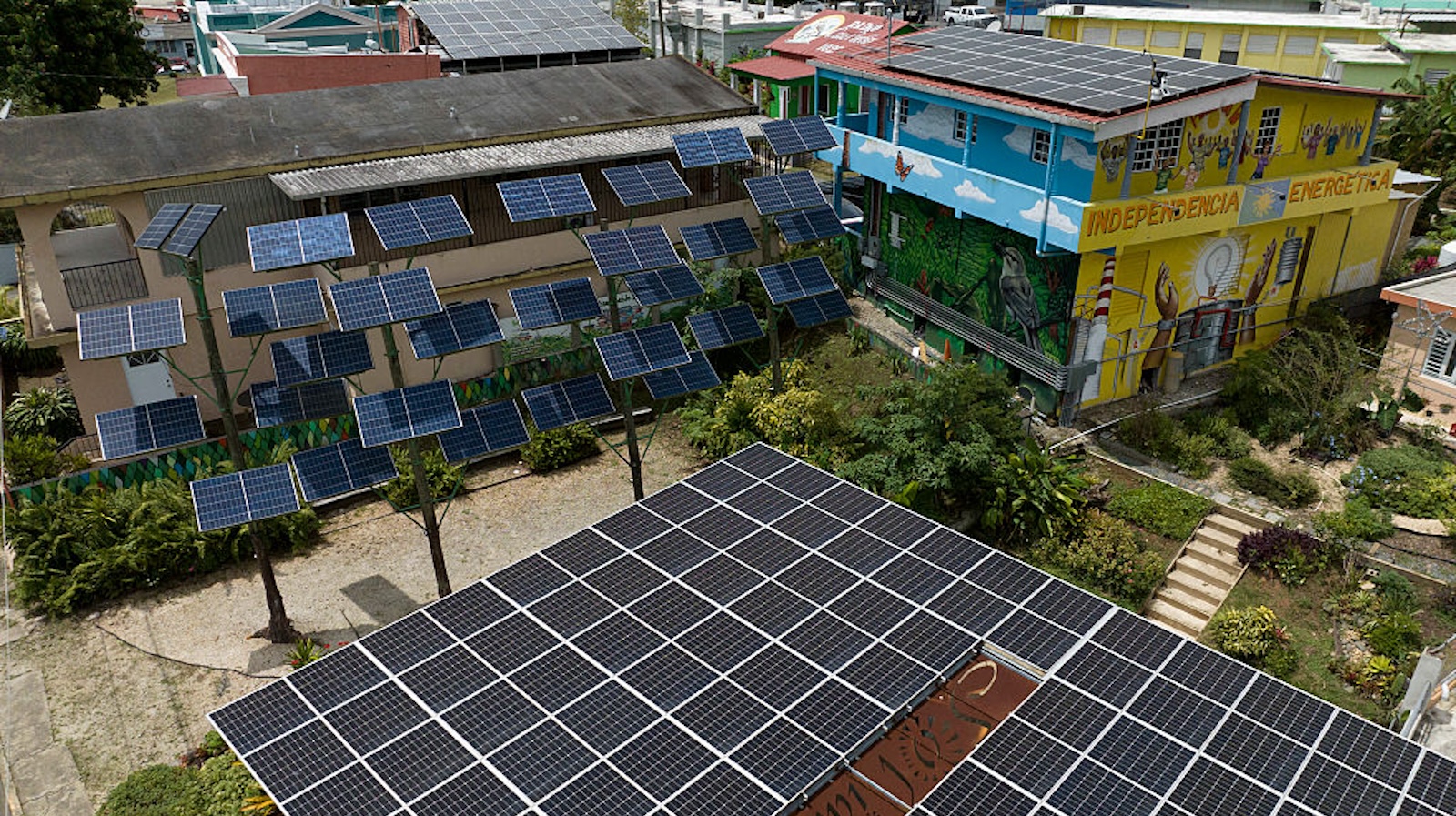
In Culebra, the newly reopened villa pesquera serves as a model for decentralized resilience. The building is now equipped with over two dozen solar panels, hurricane-proof windows, and a rainwater harvesting system. These upgrades, funded largely through partnerships with nonprofits like the Hispanic Federation and Conservación ConCiencia, ensure that the facility can continue to process and store seafood even when the island’s fragile power grid fails.
The Culebra fishers are also attempting to diversify the local food supply through aquaculture. Nicolás Gómez Andújar and environmental scientist Megan Considine established Puerto Rico’s only permitted native oyster farm. While the project is currently limited to research, it represents a strategic move toward a more stable seafood supply chain. Yet, even this innovation is currently under threat; a critical permit from the U.S. Army Corps of Engineers is nearing expiration, forcing the farm to suspend half of its operations to avoid federal violations.
Implications for the Future of the Archipelago
The struggle of Puerto Rico’s fishers is a microcosm of a larger global tension between traditional livelihoods and modern bureaucratic and environmental pressures. For the residents of Culebra and Ceiba, the villa pesquera is more than a place to clean fish; it is a community center, a school for the next generation of maritime workers, and a bulkhead against the rising tide of food insecurity.
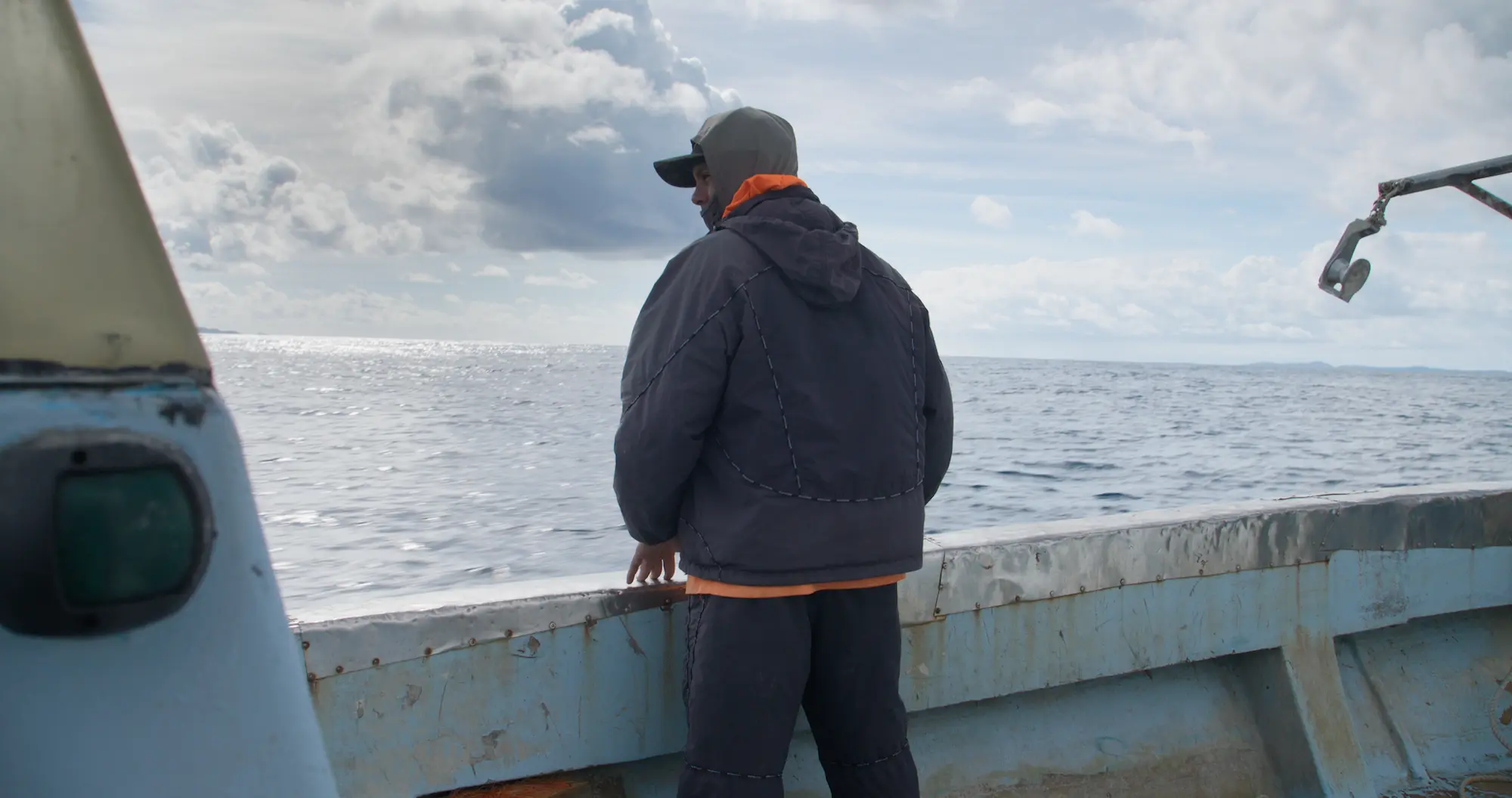
The failure of the Puerto Rican government to streamline the permitting process or efficiently distribute disaster aid has forced a shift toward self-reliance. While this has fostered a spirit of innovation and community solidarity, it remains an exhausting and precarious way to manage a vital resource. As Tomás Ayala observes, the ocean provides a path to a resilient future, but the administrative "red tape" remains the most formidable barrier to reaching it.
Without a fundamental restructuring of how fisheries are represented—moving toward a centralized, communicative regulatory body that accounts for climate reality—the traditional fisherfolk of Puerto Rico will continue to find themselves, in their own words, "between the sword and the wall," fighting for a livelihood that the rest of the world increasingly depends on for survival.









Leave a Reply