
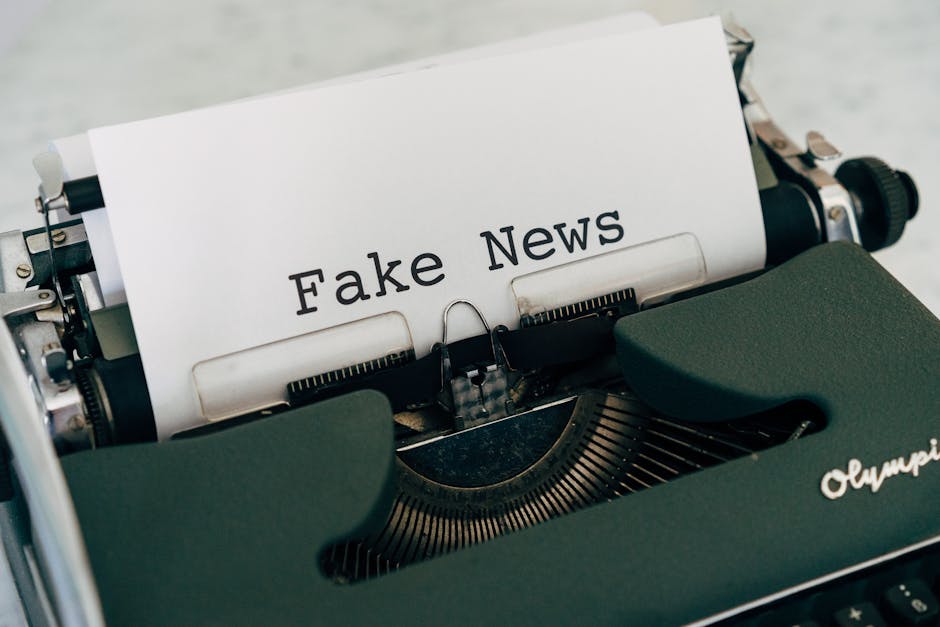
Fueled Disinformation Explodes: The Digital Echo Chamber and its Insidious Impact
The proliferation of disinformation, amplified by sophisticated digital architectures, represents a critical juncture for global society. This phenomenon, far from being a fringe issue, has infiltrated mainstream discourse, eroding trust in established institutions, exacerbating social divisions, and posing a tangible threat to democratic processes and public health. The speed and scale at which false narratives now spread are unprecedented, driven by a confluence of factors including algorithmically-driven content amplification, the economic incentives of attention-seeking platforms, and the strategic weaponization of misinformation by state and non-state actors. Understanding the mechanics of this digital inferno, its underlying motivations, and its profound consequences is paramount to developing effective countermeasures.
At the heart of the disinformation explosion lies the architecture of social media and online platforms. These platforms, designed to maximize user engagement and data collection, have inadvertently created fertile ground for the rapid dissemination of falsehoods. Algorithms, trained to identify and promote content that elicits strong emotional responses, frequently prioritize sensationalism and outrage over accuracy and nuance. This creates an "echo chamber" effect, where users are primarily exposed to information that confirms their existing beliefs, regardless of its veracity. Within these insulated environments, misinformation can fester and grow, unchallenged by dissenting perspectives. The feedback loop is potent: engagement begets visibility, and visibility begets further engagement, creating a self-perpetuating cycle that allows demonstrably false claims to gain traction and legitimacy within specific communities. This algorithmic bias towards engagement inadvertently punishes factual, nuanced reporting, which often fails to generate the same level of emotional arousal as inflammatory or misleading content. Consequently, a significant portion of the information consumed by individuals online is filtered through a lens that favors the sensational and the divisive, creating a distorted perception of reality.
The economic model underpinning many digital platforms also contributes to the disinformation crisis. These platforms derive revenue primarily from advertising, and their success is directly tied to the amount of time users spend on their sites. This incentivizes them to keep users engaged for as long as possible, leading to the optimization of algorithms that favor addictive content. Disinformation, often crafted to be emotionally resonant and attention-grabbing, is inherently effective at achieving this engagement. Furthermore, the rise of "fake news" operations, often motivated by financial gain through ad revenue generated by clicks on their fabricated stories, highlights the direct economic incentives for creating and spreading disinformation. These operations can range from small, independent websites to more sophisticated networks masquerading as legitimate news organizations, utilizing tactics like clickbait headlines and sensationalized reporting to lure unsuspecting audiences. The ease with which such content can be monetized, coupled with the low barrier to entry for online publishing, has democratized the ability to spread propaganda on a massive scale.
The motivations behind the dissemination of disinformation are multifaceted and often intertwined. State-sponsored disinformation campaigns, for example, are frequently employed as a tool of foreign policy and geopolitical influence. These operations aim to sow discord within rival nations, undermine democratic institutions, and shape public opinion to favor the sponsoring state’s interests. Examples include the alleged interference in democratic elections, the spread of propaganda to destabilize regions, and the creation of false narratives to justify military actions. These campaigns are often highly sophisticated, employing advanced psychological tactics, leveraging social media bots and troll farms, and meticulously tailoring messages to exploit existing societal divisions. Beyond state actors, domestic political groups also engage in disinformation to advance their agendas, often by demonizing opponents, suppressing voter turnout, or promoting conspiracy theories that resonate with their base. The amplification of partisan narratives, even when factually inaccurate, can be a powerful tool for consolidating political power and mobilizing supporters.
On a more individual level, some actors spread disinformation for personal financial gain, as previously mentioned. Others may be driven by ideological conviction, genuinely believing the false narratives they promote. The psychological appeal of conspiracy theories, which offer simple explanations for complex events and often position the believer as possessing privileged knowledge, can lead to fervent adherence and active propagation of misinformation. The sense of belonging and community that can form around shared belief in these narratives, even if based on falsehoods, can be a powerful motivator for engagement. Furthermore, the ease with which information can be shared online, combined with a lack of critical media literacy skills, can lead to the unwitting spread of disinformation. Individuals may share content without verifying its accuracy, driven by a desire to be informed or to express solidarity with their online communities.
The impact of this fueled disinformation is profound and far-reaching. In the realm of public health, the spread of anti-vaccine sentiments, unproven medical cures, and denial of scientific consensus has had devastating consequences. During the COVID-19 pandemic, misinformation regarding the virus’s origins, transmission, and prevention led to increased infections, hospitalizations, and deaths. Conspiracy theories surrounding vaccines, fueled by deliberate disinformation campaigns, contributed to vaccine hesitancy and undermined public health efforts. The erosion of trust in scientific and medical authorities, a direct consequence of persistent disinformation, makes it increasingly difficult to address future public health crises effectively.
Politically, disinformation erodes the foundations of democracy. When citizens are bombarded with false narratives about candidates, electoral processes, or policy issues, their ability to make informed decisions is severely compromised. This can lead to decreased voter turnout, the election of unqualified or extremist candidates, and a general decline in civic engagement. The polarization fostered by disinformation makes constructive political dialogue nearly impossible, leading to gridlock and a breakdown of societal cohesion. Trust in democratic institutions, including elections, the judiciary, and the free press, is systematically undermined. The perception of widespread fraud, even when unsubstantiated, can delegitimize election outcomes and fuel social unrest.
Socially, disinformation exacerbates existing inequalities and fosters discrimination. Racist, xenophobic, and misogynistic narratives often thrive in online echo chambers, exploiting pre-existing biases and prejudices. These narratives can incite violence, fuel hate crimes, and contribute to the marginalization of vulnerable groups. The creation of "us vs. them" mentalities, a common tactic of disinformation campaigns, deepens societal divides and makes reconciliation more challenging. The spread of false information about minority groups, for example, can lead to increased prejudice and discrimination, impacting everything from housing and employment opportunities to personal safety.
Combating this escalating tide of disinformation requires a multi-pronged approach. Technological solutions, such as improved content moderation, fact-checking initiatives, and the development of AI tools to detect and flag misinformation, are crucial. However, these tools are not a panacea and can be circumvented by sophisticated actors. Platform accountability is also essential. Social media companies must be held responsible for the content they host and amplify. This may involve regulatory measures, such as increased transparency requirements for algorithms and advertising practices, as well as greater investment in human moderation and fact-checking resources. The business models of these platforms may need to be re-evaluated to disincentivize the amplification of harmful content.
Media literacy education is another vital component of the solution. Equipping individuals with the critical thinking skills necessary to evaluate online information, identify misinformation, and understand the motivations behind its creation is paramount. This education should begin in schools and continue throughout life, fostering a more discerning and resilient citizenry. Encouraging a culture of skepticism and verification, where individuals are encouraged to question what they see and to seek out multiple sources of information, is a powerful countermeasure. Public awareness campaigns highlighting the dangers of disinformation and providing practical tips for identifying and avoiding it can also be effective.
Finally, strengthening independent journalism and supporting fact-based reporting are crucial. A robust and trusted media landscape provides an essential bulwark against disinformation. Investing in investigative journalism, supporting public service media, and creating a favorable environment for journalists to operate freely are vital to ensuring that accurate information is readily available to the public. The economic viability of news organizations is a critical factor in their ability to produce high-quality, fact-based journalism, and addressing the challenges posed by the digital advertising landscape is a complex but necessary undertaking. Ultimately, stemming the tide of fueled disinformation requires a collective effort involving technology companies, governments, educational institutions, civil society, and individual citizens. The health of our democracies, our public health, and our social fabric depend on our ability to navigate and overcome this pervasive digital threat. The digital echo chamber, while offering unprecedented connectivity, has become a breeding ground for deception, and only through concerted, multi-faceted action can its insidiousness be effectively countered.





Leave a Reply