
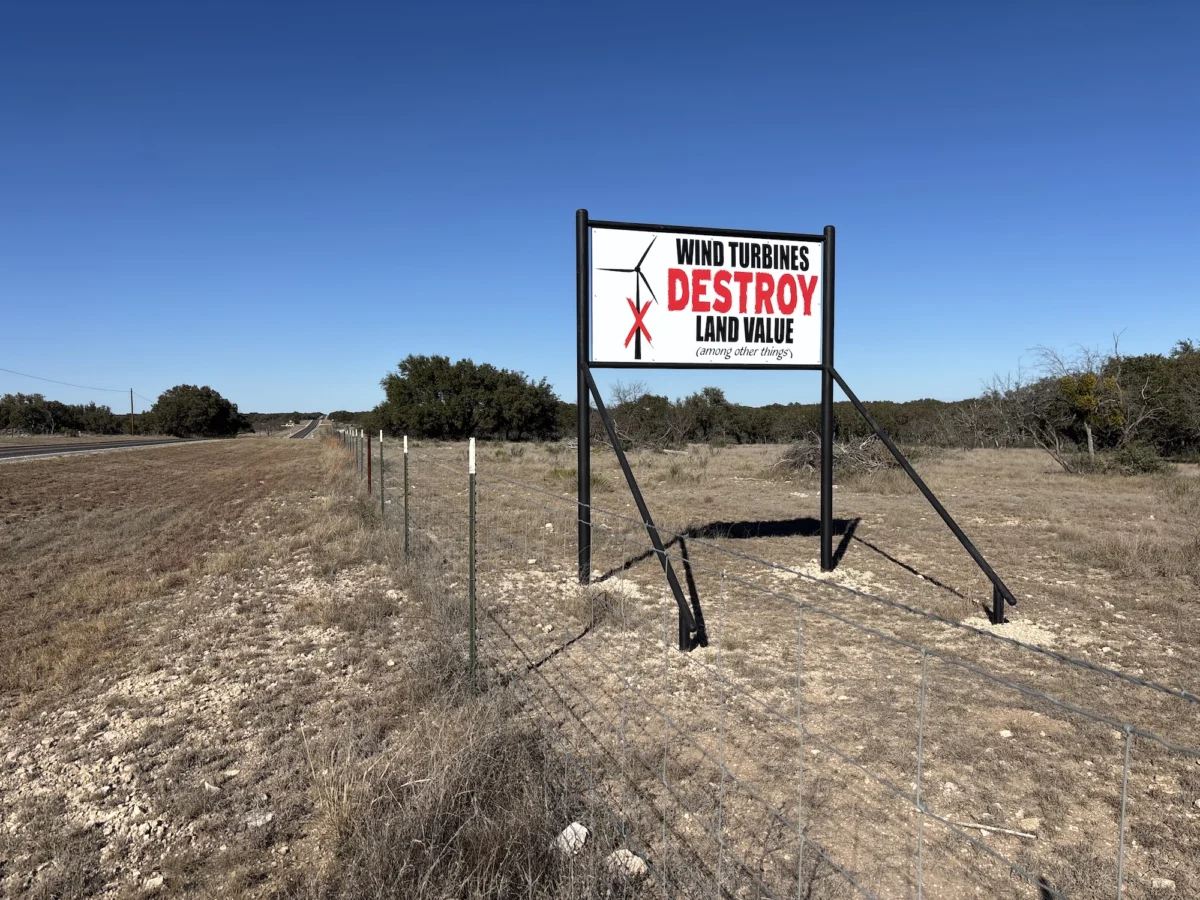
The United States offshore wind industry, once poised for a period of rapid expansion following years of federal support and private investment, has entered a state of profound volatility as the second Trump administration intensifies its efforts to dismantle renewable energy infrastructure. Through a combination of executive orders, stop-work mandates, and multi-billion-dollar lease buyouts, the administration has signaled a decisive break from the climate goals of the previous decade. While the White House frames these actions as a necessary pivot toward "proven and reliable" energy sources, the sudden shift in policy has triggered a series of high-stakes legal battles and left thousands of specialized union workers caught in a cycle of economic uncertainty.
For decades, Donald Trump has maintained a vocal and often idiosyncratic opposition to wind energy. His rhetoric has frequently linked wind turbines to various grievances, ranging from the aesthetic disruption of coastal views to unsubstantiated claims regarding human health and marine ecology. However, the current administrative push goes beyond rhetorical opposition, utilizing the full weight of federal agencies to stall projects that are already in advanced stages of construction. As of mid-2026, the administration’s strategy has evolved from simple permitting delays to a complex program of financial settlements designed to permanently retire wind energy leases.
A Chronology of Executive Intervention
The current wave of disruption began shortly after the administration took office for its second term. In January 2025, a sweeping executive order was issued that effectively froze all offshore wind leasing and permitting activities on the Outer Continental Shelf. This order did not merely stop new projects from entering the pipeline; it authorized a comprehensive review of existing federal leases, citing concerns over national security and maritime safety.
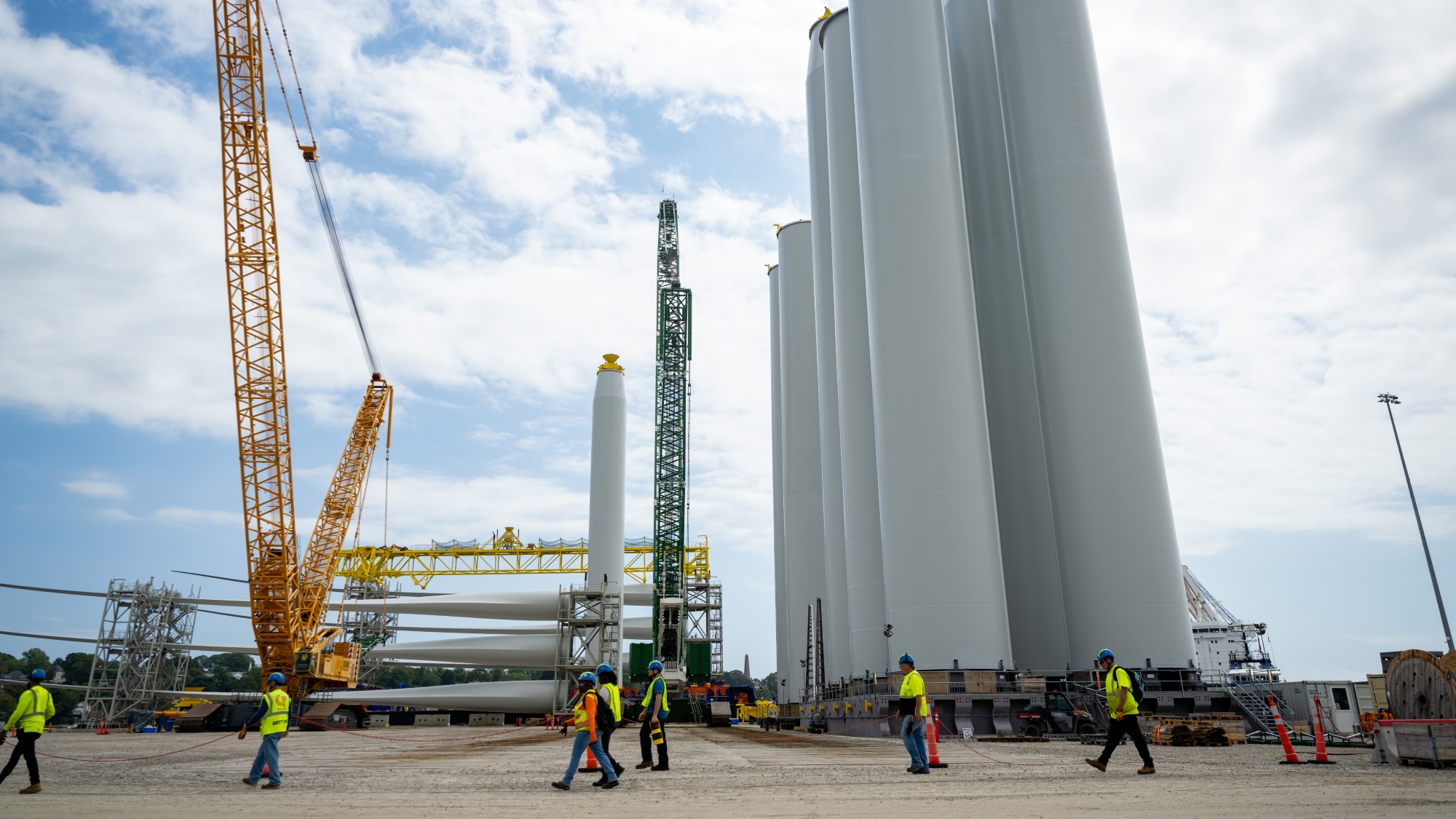
By the summer of 2025, the administration began issuing stop-work orders on projects already under construction. In August, the Revolution Wind project—a joint venture between Ørsted and Eversource located off the coast of Rhode Island and Connecticut—was ordered to cease operations. At the time, the project was more than 80 percent complete and employed over 1,000 union workers. The order arrived while many workers were already at sea, leading to immediate confusion and logistical challenges.
The legal response was swift. In September 2025, a federal court granted an injunction to block the stop-work order, allowing construction to resume. However, the reprieve was short-lived. In December, citing "national security" concerns related to maritime radar interference, the Department of the Interior (DOI) issued a second 90-day stop-work order. This second order was eventually stayed by another federal judge in January 2026, marking a consistent pattern of judicial pushback against the administration’s attempts to bypass established administrative procedures.
The Human Cost of Policy Volatility
For the specialized workforce that powers the offshore wind sector, the political tug-of-war has translated into personal and financial strain. The nature of offshore construction requires workers to adhere to rigorous schedules, often spending 28 consecutive days on specialized vessels at sea, followed by 28 days of rest. This "28-on, 28-off" rotation is designed to maximize efficiency and safety in the harsh Atlantic environment, but it leaves workers highly vulnerable to sudden shifts in project status.
Thomas Kilday, a furnace electrician with IBEW Local 99 in Providence, Rhode Island, exemplifies the challenges faced by the industry’s rank-and-file. Kilday was on a vessel in the Atlantic when the first stop-work order was issued. He describes a period of intense anxiety where workers were unsure if they would be paid for their current shifts or if their specialized training would remain relevant in a changing political climate. "You plan your whole life around being gone for 28 days," Kilday noted, highlighting the difficulty of balancing family life with a career that can be halted by an executive pen-stroke.
The uncertainty peaked during the 2025 holiday season when the second stop-work order was issued. For many workers, the timing was particularly difficult, occurring just as they were preparing for their next rotation. Beyond the immediate loss of wages, union members have expressed frustration over the potential waste of their certifications and specialized training. Many, like Will Gonzalez of Laborers’ Local 385, had recently completed certifications for the Vineyard Wind 1 project—the first large-scale offshore wind farm in the U.S.—only to find that subsequent projects were being systematically dismantled.
The $2.6 Billion Buyout Strategy
In June 2026, following several high-profile losses in federal court, the Trump administration shifted its tactics. Realizing that stop-work orders were frequently being overturned by judges who viewed them as "arbitrary and capricious," the Department of the Interior began a program of "voluntary" lease buyouts. By offering massive cash settlements to energy corporations, the administration has sought to bypass the courts and ensure that wind projects are never completed.
To date, the federal government has paid out more than $2.6 billion to cancel wind energy leases. These settlements include:
- $765 million to Invenergy: Paid to abandon four major wind projects spanning the coasts of California, New York, and Maine.
- $900 million to Bluepoint Wind and Garden State Wind: Paid to cancel offshore leases that were intended to provide power to the New York and New Jersey metropolitan areas.
- Additional Settlements: Hundreds of millions more have been allocated to smaller leaseholders to ensure that planned developments in the Gulf of Maine and the Mid-Atlantic are permanently shelved.
Critics of the policy, including Pat Crowley, president of the Rhode Island AFL-CIO, argue that this strategy is a fiscally irresponsible use of taxpayer funds. Crowley contends that the administration is "throwing money away for the sake of their ideology," noting that these funds could have been used to improve existing infrastructure or support transition programs for workers. Instead, the money is being used to prevent the generation of clean energy and the creation of long-term union jobs.
Official Justifications and the "National Security" Argument
The White House and the Department of the Interior have consistently defended these actions as being in the best interest of the American economy and security. A spokesperson for the DOI stated that the administration is prioritizing "proven, affordable, and reliable energy" over projects that they claim were not yet producing significant employment.
The administration’s central argument for the stop-work orders has often rested on national security. Officials have claimed that offshore wind turbines could interfere with military radar systems and sonar, potentially creating "blind spots" in the nation’s coastal defenses. While the Department of Defense has historically worked with wind developers to mitigate these issues through technological upgrades and turbine placement, the current administration has treated these concerns as insurmountable barriers to project completion.
Furthermore, the DOI spokesperson denied that the cancellation of leases has led to job losses. "No jobs were eliminated because none of these leases were operational or supporting employment," the spokesperson claimed. This statement, however, stands in direct contrast to the testimonies of union leaders and workers who were actively employed on projects like Revolution Wind and Vineyard Wind 1.
Historical Context and the Personal Dimension
Many industry analysts and labor leaders believe the administration’s focus on wind energy is rooted in Donald Trump’s long-standing personal history with the technology. In 2015, Trump lost a high-profile legal battle in the United Kingdom Supreme Court over an offshore wind farm planned near his golf resort in Aberdeenshire, Scotland. Trump had argued that the turbines would be an "ugly" blight on the landscape and ruin the experience for his guests.
The loss in Scotland appears to have been a foundational moment in his opposition to the industry. Since then, his public statements have frequently targeted wind energy, often using hyperbolic language. Will Gonzalez of Laborers’ Local 385 described the current federal policy as a "personal vendetta" that has unfairly targeted the livelihoods of blue-collar workers. "Good union jobs—we shouldn’t be trying to take those off the table. That just doesn’t make any kind of sense," Gonzalez said.
Broader Implications for the U.S. Energy Market
The systematic dismantling of the offshore wind sector has broader implications for the U.S. energy landscape and its international standing. For over a decade, the U.S. has been in a global race to develop a domestic supply chain for offshore wind, competing with established markets in Europe and emerging sectors in Asia. The current instability has led many European developers to reconsider their investments in the American market, potentially ceding leadership in renewable technology to other nations.
Moreover, the cancellation of these projects creates a significant gap in state-level energy plans. States like Rhode Island, Massachusetts, and New York had integrated offshore wind as a cornerstone of their strategies to meet carbon reduction goals and ensure energy grid reliability. Without these large-scale projects, these states may be forced to rely longer on aging fossil fuel infrastructure or face higher electricity costs as they scramble to find alternative energy sources.
The Revolution Wind project, despite the administrative hurdles, began delivering power to the New England grid in March 2026. At 90 percent completion, it stands as a testament to the scale of the industry that the administration is seeking to curtail. Once fully operational, it is expected to power 350,000 homes. The contrast between a project delivering power to hundreds of thousands of citizens and a federal policy paying billions to stop similar projects highlights the deep ideological divide currently defining American energy policy.
As the administration enters the latter half of its term, the fate of the remaining wind leases remains uncertain. While the buyout strategy has successfully neutralized several major projects, the resilience of labor unions and the intervention of the federal judiciary suggest that the "war on wind" will continue to be a central point of contention in the nation’s courts and coastal communities. For workers like Thomas Kilday and Will Gonzalez, the hope remains that the "important work" they have started will eventually be allowed to reach completion, providing both power to the grid and stability to their families.










Leave a Reply