In a move that marks a significant turning point for the American technology infrastructure landscape, New York Governor Kathy Hochul issued an executive order on Tuesday establishing the first statewide moratorium on the construction of large-scale, "hyperscale" data centers. The order, which mandates a one-year pause on the issuance of new permits for these massive facilities, comes as lawmakers and environmental advocates express escalating alarm over the strain these energy-intensive hubs place on the state’s electrical grid, utility prices, and natural resources.
The executive order represents a direct intervention by the executive branch into the rapidly expanding sector of digital infrastructure, which has seen unprecedented growth fueled by the global rush toward artificial intelligence (AI) and cloud computing. By halting new developments, New York becomes the first state in the union to implement a blanket pause at the state level, a decision that is expected to reverberate through the tech industry and potentially set a precedent for other states grappling with similar infrastructure challenges.
The Scope of the Executive Order
Governor Hochul’s directive targets "large-scale" data centers, often referred to in the industry as hyperscale facilities. These centers typically house tens of thousands of servers and require vast amounts of electricity to power the computing hardware and the sophisticated cooling systems necessary to prevent overheating.
Under the terms of the executive order, the New York State Department of Public Service (DPS) is prohibited from issuing new permits for these facilities for a period of twelve months. During this hiatus, the DPS is tasked with conducting a comprehensive environmental and economic analysis. This study will focus on the cumulative impact of data centers on the state’s energy goals, specifically how their massive power demands align with or hinder the requirements of the Climate Leadership and Community Protection Act (CLCPA).
Furthermore, the order initiates a formal proceeding to re-evaluate how data centers are integrated into the state’s energy market. Governor Hochul indicated that the state would explore new regulatory frameworks that would "require data centers to either pay more for their energy or supply their own." This "pay-to-play" model is designed to shield residential and small-business ratepayers from the price spikes often associated with sudden, massive increases in localized energy demand.
A Growing Conflict Between Tech and the Grid
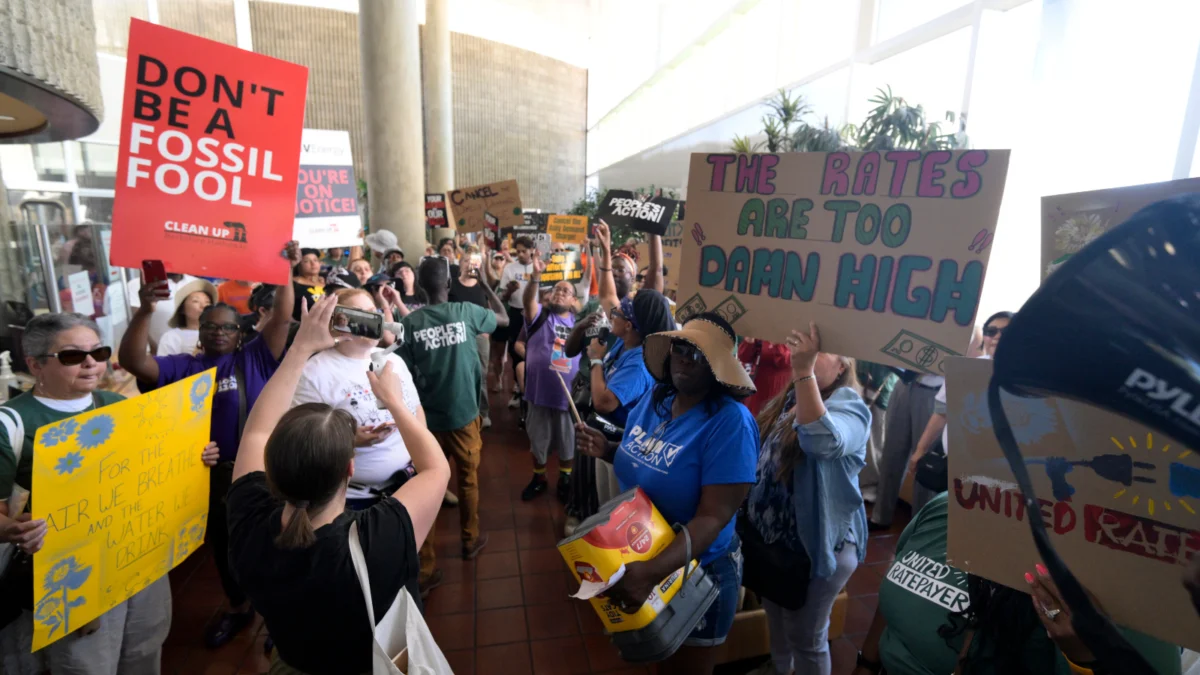
The decision to implement a moratorium follows years of mounting tension between technology giants and local communities. Companies such as Amazon, Google, and Microsoft have invested billions of dollars across the United States to build the infrastructure necessary to support the "AI revolution." However, the sheer scale of these projects has often outpaced the ability of local utilities to upgrade their grids.
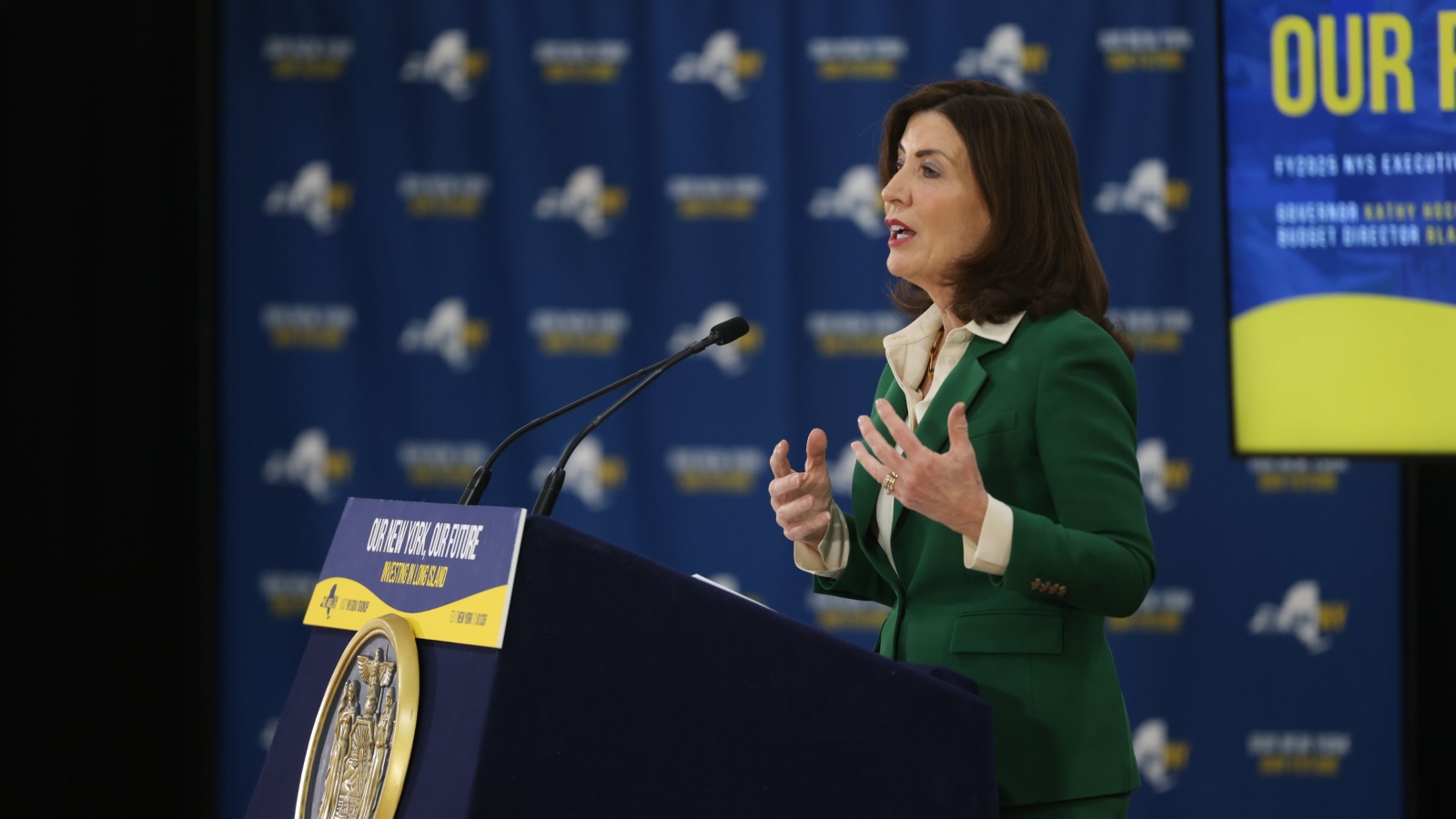
In her official statement, Governor Hochul framed the moratorium as a necessary protective measure for New York’s citizens. "As data center development threatens to hike up utility bills, deplete our natural resources, and create uncertainty for New Yorkers, it’s my responsibility to take action and lead," Hochul said.
The energy consumption of data centers is staggering. According to the International Energy Agency (IEA), a single request to an artificial intelligence model like ChatGPT can require up to ten times the electricity of a standard Google search. On a macro level, data centers currently account for approximately 1% to 1.5% of global electricity use, but that figure is projected to rise sharply as more AI-integrated services are deployed. In New York, the concentration of these centers in specific regions—particularly in the Hudson Valley and Upstate New York—has raised fears of "grid congestion," where the physical wires and transformers are unable to handle the load, leading to potential brownouts or the need to reactivate older, dirtier fossil-fuel "peaker" plants to meet demand.
Economic Frameworks and Community Impact
Beyond energy concerns, the Governor’s order addresses the social and economic footprint of these facilities. Data centers are often criticized for their "job-light" nature; while they require hundreds of workers during the construction phase, a completed hyperscale facility may only employ a few dozen permanent staff members.
To address this, Hochul has directed the Empire State Development (ESD) agency to create a new framework for local communities to use when negotiating with tech firms. This framework will move beyond simple property tax breaks and instead focus on tangible community benefits. The proposed guidelines will encourage municipalities to demand:
- Infrastructure Improvements: Requiring tech companies to pay for upgrades to local roads, water systems, and electrical substations.
- Child Care Investments: Funding for local child care centers to support the regional workforce.
- Labor and Wage Standards: Ensuring that both construction and permanent jobs meet high-level wage and benefit requirements.
- Direct Financial Support: Contributions to local municipal funds to offset the increased strain on public services.
Additionally, the Governor called on the New York State Legislature to repeal existing sales tax exemptions for large data centers. Currently, many states, including New York, offer these exemptions to attract tech investment. However, Hochul’s administration argues that the environmental and infrastructure costs now outweigh the economic incentives provided by these tax breaks.
Legislative Context and National Comparisons
The executive order arrives shortly after the New York State Legislature passed its own version of a data center moratorium (Bill S10642) in June 2026. While the legislative bill was more expansive in some areas, Governor Hochul has not yet signed it, opting instead to use her executive authority to shape the pause on her own terms. This suggests a desire for the executive branch to maintain tighter control over the specific parameters of the study and the subsequent regulatory changes.
New York’s aggressive stance stands in stark contrast to other states. Earlier this year, Maine Governor Janet Mills vetoed a similar measure that would have established a statewide ban, citing concerns that it would stifle innovation and drive tech investment to neighboring states. In Virginia, which houses the world’s largest concentration of data centers in "Data Center Alley" (Loudoun County), the state government has largely resisted statewide moratoriums, despite increasing pushback from residents over noise pollution and the aesthetic impact of massive transmission lines.
New York’s decision is likely to embolden local activists across the country. Several cities and counties in states like Arizona and Ohio are reportedly preparing ballot measures for the upcoming election cycle that would restrict data center zoning and water usage.
Chronology of the Data Center Debate in New York
- 2023-2024: Tech companies increase applications for data center sites in Upstate New York, drawn by the region’s cooler climate and historical access to hydroelectric power from the Niagara River and St. Lawrence Seaway.
- Late 2025: Reports from the New York Independent System Operator (NYISO) warn that the state’s "reliability margin" is shrinking, partly due to the retirement of fossil-fuel plants and the slow pace of new renewable energy integration.
- April 2026: Maine Governor Janet Mills vetoes a statewide moratorium, sparking a national debate on the balance between tech growth and grid stability.
- June 2026: The New York State Senate and Assembly pass S10642, a bill calling for a three-year moratorium and a study on the environmental impacts of data centers.
- July 14, 2026: Governor Hochul issues the executive order for a one-year moratorium, taking a more targeted but immediate approach than the pending legislation.
Implications for the Tech Industry and Clean Energy Goals
For the technology sector, the moratorium is a clear signal that the era of unregulated expansion is coming to an end. Industry analysts suggest that New York’s move may force companies to invest more heavily in their own energy production, such as on-site solar farms or small modular nuclear reactors (SMRs), to bypass grid constraints.
"The industry can no longer treat the power grid as an infinite resource," said one energy analyst. "New York is saying that if you want to operate here, you have to be part of the solution for the energy transition, not a burden on it."
The environmental implications are equally profound. New York has some of the most ambitious climate goals in the country, aiming for 70% renewable energy by 2030. If a single hyperscale data center can consume as much power as a small city, the addition of dozens of such facilities could mathematically make those targets impossible to reach without a massive, and expensive, acceleration of wind and solar projects.
As the one-year study begins, the tech world will be watching New York closely. The findings of the Department of Public Service and the eventual "pay-to-play" energy structure could serve as a blueprint for the rest of the nation. For now, the "cloud" has hit a physical limit in the Empire State, as the government pauses to ensure that the digital future does not come at the expense of the state’s physical and economic stability.