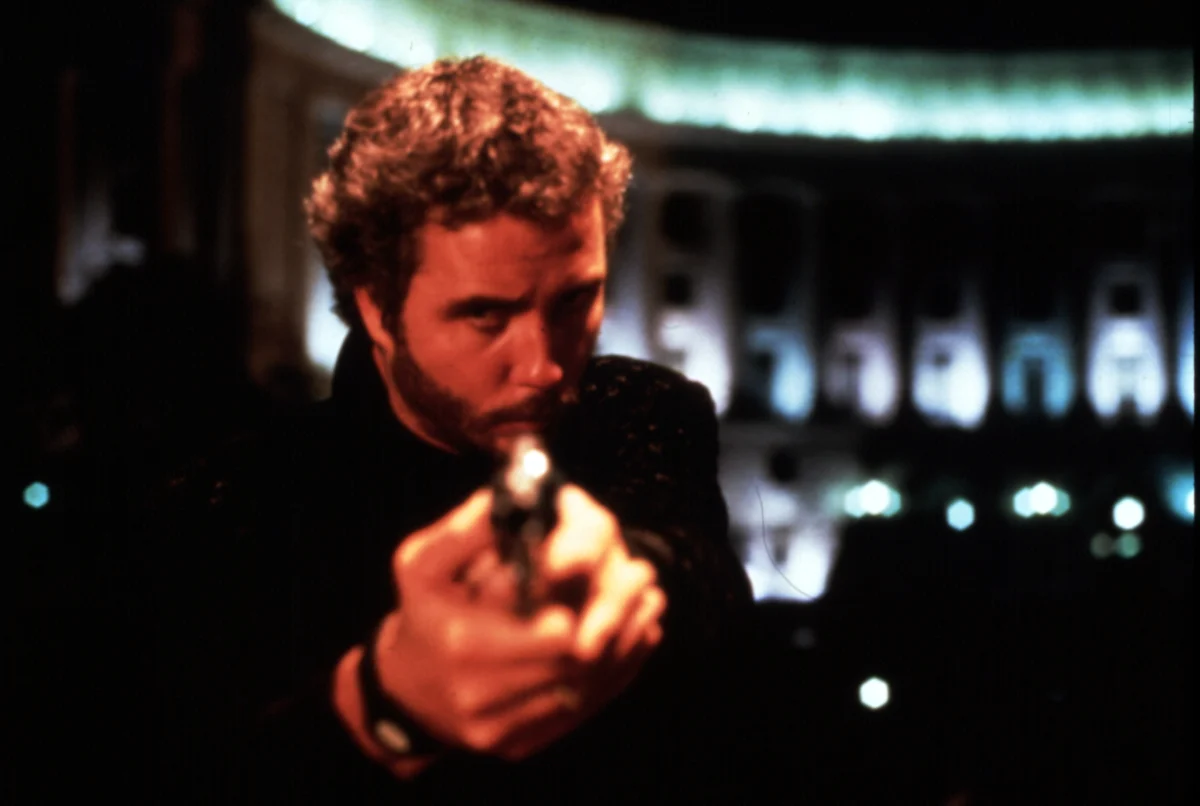
The enduring power of Michael Mann’s 1986 neo-noir thriller, Manhunter, is being recognized with a limited theatrical re-release of Manhunter: The Final Cut, a meticulously restored 4K version overseen by the director himself. While the film’s original release date was August 15, 1986, the 40th anniversary commemoration, commencing July 24, provides a timely opportunity to re-evaluate a film that, despite its critical acclaim among cinephiles and its influence on the genre, has often been overshadowed by its more commercially successful successor, The Silence of the Lambs. This re-release invites a deeper appreciation for Manhunter‘s groundbreaking approach to the forensic thriller, its haunting portrayal of a serial killer, and its profound exploration of empathy and perception.
A Masterpiece of Atmosphere and Psychology
For many, Manhunter transcends the typical thriller, offering an immersive experience that lingers long after the credits roll. This fascination stems from a confluence of elements: its distinctive visual style, characterized by a moody, atmospheric aesthetic that blends sensuality with clinical precision; its compelling exploration of fascination and terror; the chilling complexity of its antagonist; and the introspective portrayal of its FBI profiler protagonist. The film’s sonic landscape, a rich tapestry of synthesizers and post-punk music, further enhances its unique, "saturnine lyricism," as some critics have described it, contributing to an overall vibe that is both captivating and unsettling. It is this potent combination that has cemented Manhunter as a personal favorite for many, with some even positing it as the greatest thriller ever made.
The Underappreciated Gem of Michael Mann’s Filmography
Despite its artistic merits, Manhunter has historically struggled to find its definitive place in the cinematic canon. Unlike Mann’s other celebrated works such as Heat or The Insider, Manhunter is rarely cited by fans as their primary choice from the director’s oeuvre. This underappreciation is further exacerbated by its source material, Thomas Harris’s 1981 novel Red Dragon, the inaugural serial killer saga to feature Hannibal Lecter. While The Silence of the Lambs, based on Harris’s 1988 sequel, garnered widespread critical and commercial success, Manhunter, despite its own significant achievements, has often been perceived as a lesser adaptation. This comparative assessment, however, overlooks the distinct brilliance and thematic depth that Manhunter brings to the narrative.
Reinterpreting the Forensic Thriller
Manhunter is widely regarded as a pioneering work in the forensic thriller genre, a distinction that holds significant weight in retrospect. The film was among the first to meticulously depict the intricate processes of FBI profiling and forensic investigation, showcasing techniques such as infrared analysis to decipher faint markings. The opening scenes, with FBI profiler Will Graham (William Petersen) meticulously examining a crime scene, set a precedent for the genre by treating forensics not merely as plot devices, but as integral components of psychological exploration. Graham’s ability to inhabit the mind of the killer, a crucial element of his method, is portrayed with a visceral intensity. This approach allowed the film to explore the dehumanizing effects of technology and the psychological toll of confronting extreme violence, themes that resonate even more profoundly in today’s data-saturated world. The film’s innovative use of forensic details poetically unlocks the killer’s psyche, transforming scientific observation into a portal for understanding a disturbed consciousness.
The Authentic Portrayal of a Serial Killer
A cornerstone of Manhunter‘s enduring power is its unflinching and authentic portrayal of its serial killer, Francis Dollarhyde, brought to life by the late Tom Noonan. Noonan’s performance, which the author of this piece paid tribute to following his passing in February 2026, is a masterclass in conveying psychotic mentality. His halting delivery, projected rage, and chilling sense of superiority ("The Red Dragon! You’re just a slug in the sun") create a truly terrifying and believable antagonist. The film immerses the audience in Dollarhyde’s fractured worldview, exploring the deep-seated damage and psychological trauma that drive his horrific acts. Unlike other, more sensationalized portrayals of serial killers in cinema, Manhunter delves into the existential emptiness and profound damage that fuel such violence. Dollarhyde’s haunting presence, amplified by his scarred visage, serves as a constant reminder of the darkness that lies beneath the surface of seemingly ordinary life. This authentic depiction of the killer’s motivations and psychological landscape sets Manhunter apart, offering a more profound and disturbing examination of the human psyche than many of its contemporaries.
Brian Cox’s Mesmerizing Hannibal Lecter
While Anthony Hopkins’s portrayal of Hannibal Lecter in The Silence of the Lambs is iconic, Brian Cox’s original interpretation in Manhunter is equally, if not more, compelling. Cox’s Lecter, confined to a pristine white cell, exudes a chilling blend of diabolical intelligence, imperious amusement, and predatory cunning. His performance is characterized by indelible line readings that reveal Lecter’s manipulative genius, such as his keen observation of Graham’s aftershave and his ingenious use of a piece of gum to manipulate prison communications. Cox’s Lecter is not just a monstrous figure; he is a complex intellectual whose pronouncements on murder, such as his observation that "blood in the moonlight… appears quite black," hint at a disturbing philosophical detachment that challenges the audience’s perception of humanity. This portrayal presents homicide not as mere criminality, but as a potential, albeit terrifying, expression of an altered state of being, adding a layer of philosophical depth to the film’s unsettling atmosphere.
William Petersen’s Portrayal of Will Graham
William Petersen’s performance as Will Graham is central to the film’s thematic resonance. In an era rife with misinformation and competing narratives, Graham’s quest to piece together a fragmented reality mirrors the contemporary struggle to make sense of a complex world. Petersen imbues Graham with a quiet intensity, his voice measured and his gaze unwavering, conveying the immense psychological burden of stepping into the mind of a killer. The character’s journey is not just about solving crimes; it’s about restoring order to a world fractured by violence and chaos. A particularly poignant scene features Graham explaining to his stepson, Kevin, the profound impact of his encounter with Lecter, revealing the personal cost of confronting the darkest aspects of human nature. This moment underscores the film’s exploration of the fragility of the human psyche and the potential for even good individuals to be irrevocably changed by exposure to darkness.
The Transcendent Power of the Soundtrack
The musical score of Manhunter is an integral element that elevates the film beyond a standard thriller. Michael Mann’s inspired use of music, including a synthesized score that incorporates elements of Pink Floyd’s "Comfortably Numb" and a selection of potent post-punk tracks, creates an auditory landscape that is both evocative and deeply immersive. The opening notes of the score, accompanying the chilling imagery of a killer’s flashlight illuminating a crime scene, immediately establish a sense of frozen fear. The strategic placement of songs like Shriekback’s "This Big Hush" during Dollarhyde’s dinner with Reba, or The Prime Movers’ "Strong as I Am" during a moment of mounting paranoia, amplifies the emotional subtext of these scenes, capturing the nuanced interplay of sadness, desire, and dread. The film’s audacious use of Iron Butterfly’s "In-A-Gadda-Da-Vida" during a particularly frenetic sequence further exemplifies Mann’s daring approach to sound design, signaling a descent into a cinematic madness that is both disorienting and exhilarating.
A Tapestry of Unforgettable Moments
Manhunter is replete with extraordinary and haunting images that contribute to its lasting impact. From the terrifying reveal of crime scene photos falling open on an airplane to the visceral image of a tabloid reporter engulfed in flames, the film consistently delivers striking and memorable sequences. The subtle yet potent exchange between Dollarhyde and Reba, where he assures her he is smiling without actually doing so, encapsulates the character’s chilling duality. However, it is the moment of Graham’s breakthrough, the culmination of his deductive process, that truly defines the film. By piecing together seemingly disparate clues—the killer’s momentary removal of surgical gloves, the use of fractured mirrors, and the desire for love reflected in his victims’ eyes—Graham uncovers the killer’s profound longing and his twisted sense of connection. This realization transforms Manhunter from a mere crime story into a profound fable of empathy and understanding.
The ‘Final Cut’ Debate and Artistic Integrity
The release of Manhunter: The Final Cut reignites a perennial debate surrounding director’s cuts and the integrity of a finished work of art. While Michael Mann’s dedication to refining his vision is commendable, the author expresses a general skepticism towards director’s cuts, arguing that they often detract from rather than enhance a film’s original identity. The 2003 DVD release of the "Restored Director’s Cut" already introduced changes, such as extended dialogue in the Atlanta police station scene and the addition of a controversial ending sequence where Graham visits the next potential victim’s family. These alterations, while perhaps intended to deepen the narrative, are seen by some as diluting the film’s potent impact. The argument is made that a great film, like any significant work of art, possesses a singular identity that should be preserved. Tampering with such a work, even with good intentions, risks diminishing its sacred quality.
A Superior Thriller: Manhunter vs. The Silence of the Lambs
While The Silence of the Lambs rightfully earned its place as a cinematic classic and earned numerous accolades, including an Academy Award for Best Picture, Manhunter arguably presents a richer, deeper, and more disturbing experience. The film’s villain, Francis Dollarhyde, is arguably more terrifying and thematically complex than Buffalo Bill in Demme’s film. Furthermore, Manhunter‘s exploration of empathy, perception, and the psychological cost of confronting evil offers a more profound and cathartic viewing experience. In an era grappling with the complexities of human behavior and the pervasive influence of darkness, Manhunter stands as a timely and prescient thriller, a film that truly "sees the light that makes the darkness visible." Its enduring power lies not just in its thrilling narrative, but in its profound insights into the human condition, making it a timeless masterpiece worthy of continued appreciation and critical re-examination.