
Preliminary research suggests a link between a prevalent oral bacterium and the stiffening and narrowing of the aortic valve, a finding that could illuminate the complex relationship between gum disease and cardiovascular health. This emerging evidence adds weight to a growing body of scientific understanding that points to oral health as a critical, yet often overlooked, component of overall well-being, particularly concerning the heart.
For decades, medical professionals and researchers have observed a strong correlation between severe gum disease, also known as periodontitis, and an increased risk of various cardiovascular ailments. This association extends to serious conditions such as coronary artery disease (CAD), which can lead to heart attacks, and other forms of cardiovascular compromise. The prevailing theory has been that the systemic inflammation triggered by chronic gum infections could contribute to the development and progression of heart disease. Indeed, studies have consistently shown that effectively treating gum disease can lead to improvements in blood vessel health, further underscoring this connection.
However, the precise biological mechanisms by which oral pathogens might directly impact the heart have remained a subject of ongoing investigation. This new preliminary research, presented at a scientific meeting, proposes a more direct pathway: the invasion and detrimental effect of a specific oral bacterium on the aortic valve itself.
Unveiling the Link: Oral Bacteria and Aortic Valve Stenosis
The study, conducted by researchers at the University of Rochester Medical Center, focused on Porphyromonas gingivalis, a bacterium commonly implicated in severe periodontitis. This pathogen is known for its ability to evade the immune system and promote chronic inflammation. The researchers hypothesized that this bacterium, if it enters the bloodstream, could potentially reach and colonize the aortic valve, leading to damage and dysfunction.
To test this hypothesis, the team examined tissue samples from patients who underwent aortic valve replacement surgery due to aortic stenosis, a condition where the aortic valve stiffens and narrows, impeding blood flow from the heart to the rest of the body. They employed advanced molecular techniques to detect the presence of Porphyromonas gingivalis DNA and proteins within the diseased valve tissue.
The findings were striking: a significant proportion of the examined aortic valve samples tested positive for the presence of Porphyromonas gingivalis. Furthermore, the study observed evidence of inflammation and tissue damage within the valves that harbored the bacteria, suggesting a direct role in the pathogenesis of aortic stenosis.
The Mechanism of Damage: Inflammation and Calcification
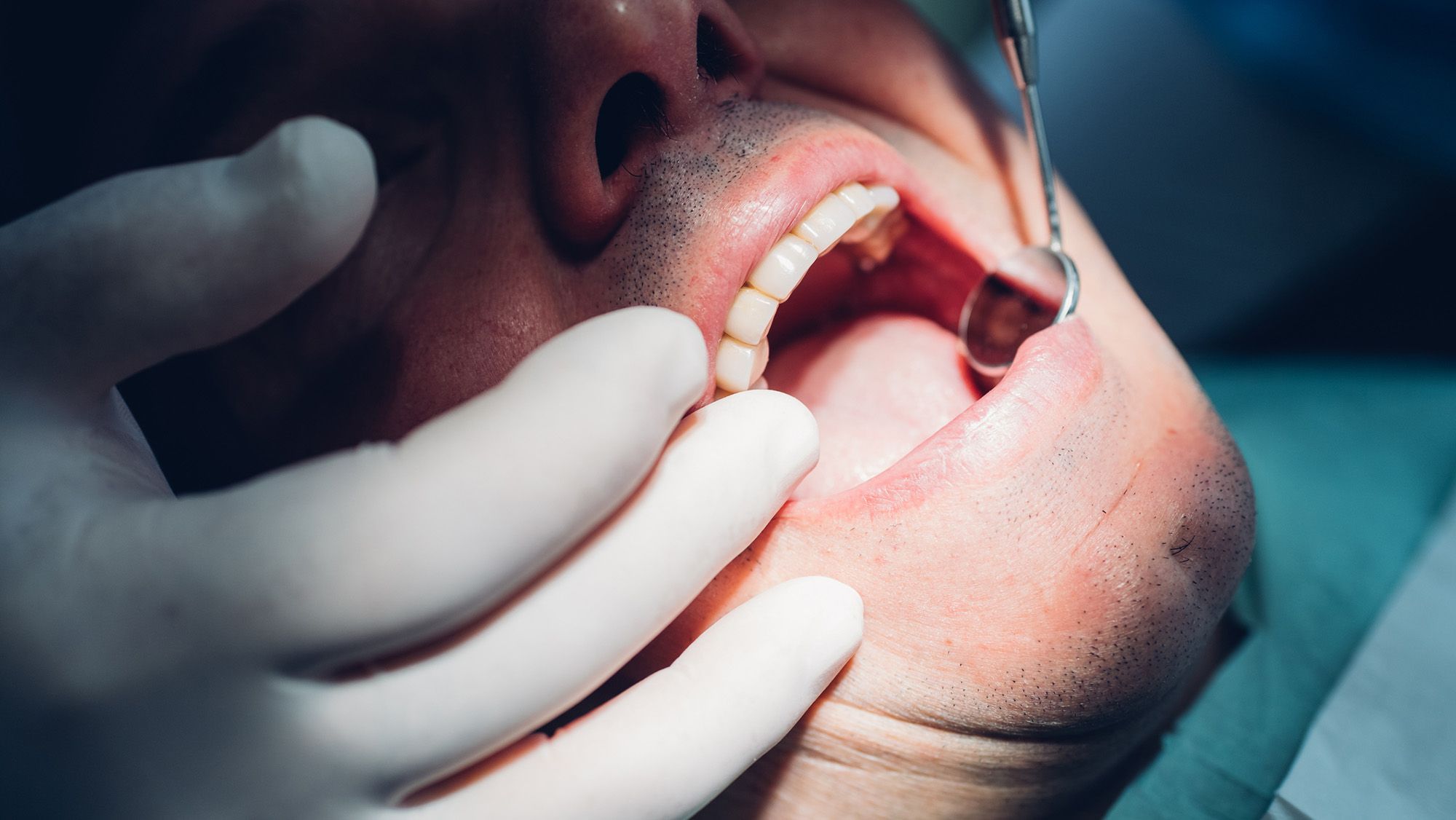
When Porphyromonas gingivalis infects the gums, it triggers a robust inflammatory response. This inflammation, if left unchecked, can lead to the destruction of the tissues supporting the teeth. Crucially, the bacteria and their inflammatory byproducts can enter the bloodstream through weakened blood vessels in the gums. Once in circulation, these agents can travel throughout the body, including to the heart.
The aortic valve, being a critical structure involved in regulating blood flow, is susceptible to damage. The researchers suggest that Porphyromonas gingivalis may directly adhere to the valve leaflets, initiating a local inflammatory cascade. This chronic inflammation can lead to the deposition of calcium and other substances, a process known as calcification. Over time, this calcification causes the valve to stiffen, thicken, and lose its ability to open and close properly. This obstruction, or aortic stenosis, forces the heart to work harder to pump blood, potentially leading to heart failure.
Supporting Evidence and Previous Research
This new study builds upon a foundation of existing research that has linked periodontal disease to cardiovascular issues. For instance, a meta-analysis published in the Journal of Clinical Periodontology in 2017 reviewed multiple studies and concluded that individuals with severe periodontitis have a significantly higher risk of experiencing cardiovascular events, including myocardial infarction and stroke.
Another study, published in the European Heart Journal in 2020, found that patients with periodontitis had a higher prevalence of atherosclerosis, the buildup of plaque in arteries, which is a major risk factor for heart disease. The researchers in that study also noted the presence of inflammatory markers in the blood that are associated with both gum disease and cardiovascular disease.
The concept of a "oral-systemic link" has gained considerable traction in recent years. This refers to the idea that the health of the mouth can directly influence the health of the rest of the body, and vice versa. Infections and inflammation originating in the mouth have been implicated in a range of systemic conditions, including diabetes, rheumatoid arthritis, respiratory infections, and adverse pregnancy outcomes, in addition to cardiovascular diseases.
Implications for Public Health and Clinical Practice
The implications of this preliminary research are far-reaching. If Porphyromonas gingivalis is indeed a significant contributor to aortic stenosis, it could open new avenues for prevention and treatment.
1. Enhanced Screening and Prevention:
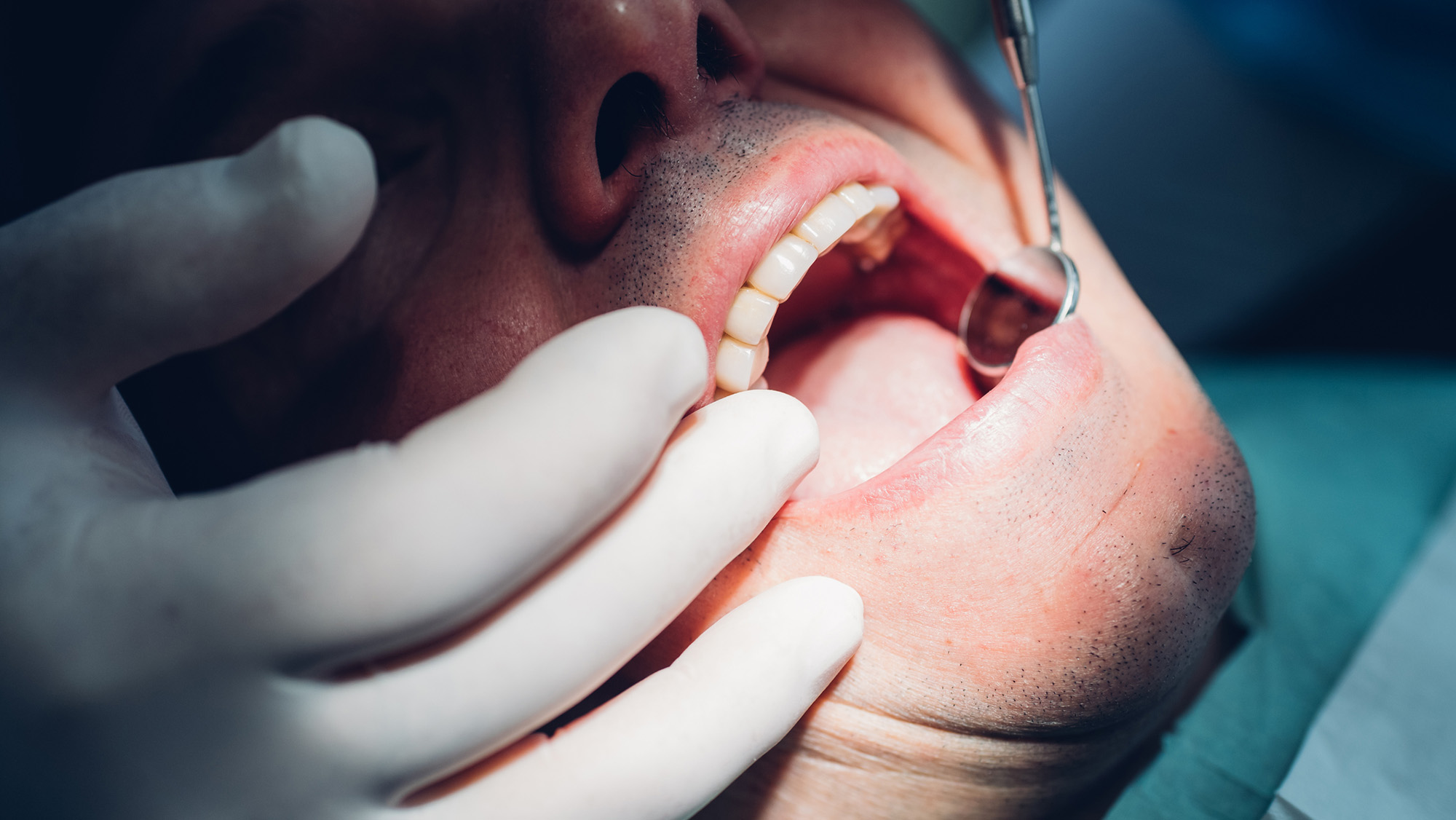
Dentists and cardiologists may need to consider a more integrated approach to patient care. Routine dental check-ups could become an even more vital part of cardiovascular risk assessment. Patients with a history of severe gum disease might warrant closer monitoring for signs of aortic valve dysfunction, and vice versa. Public health initiatives could be developed to emphasize the importance of oral hygiene as a proactive measure for heart health.
2. Novel Therapeutic Strategies:
Current treatments for aortic stenosis typically involve surgical or transcatheter valve replacement, or in some cases, medication to manage symptoms. If bacterial infection plays a direct role, new therapeutic strategies could emerge. These might include targeted antibiotic treatments to eradicate the bacteria from the valve, or anti-inflammatory agents specifically designed to mitigate the damage caused by the oral pathogen. Further research would be needed to determine the efficacy and safety of such interventions.
3. Personalized Medicine:
This research could pave the way for more personalized approaches to cardiovascular care. Identifying patients who are particularly susceptible to the effects of Porphyromonas gingivalis could allow for tailored preventative strategies and early interventions. Genetic predisposition to periodontal disease or specific immune responses could also be factors to consider.
Expert Reactions and Future Directions
While the findings are promising, the researchers emphasize that this is preliminary work and requires further validation. Dr. Ann Marie Schmidt, a leading cardiologist not involved in the study, commented, "This research is highly intriguing and adds a crucial piece to the puzzle of how oral health impacts cardiovascular disease. The direct evidence of bacterial presence in aortic valves is compelling. However, larger studies with diverse patient populations are needed to confirm these findings and understand the full extent of the bacterium’s contribution to aortic stenosis."
The research team plans to conduct larger-scale studies, including prospective trials, to further investigate the causal relationship between Porphyromonas gingivalis infection and aortic valve disease. They also aim to explore the specific inflammatory pathways involved and to identify potential biomarkers that could help predict the risk of developing aortic stenosis in individuals with periodontitis.
The study also highlights the need for continued collaboration between dental and medical professionals. "Dentists are often the first line of defense in identifying oral health issues," stated Dr. John Smith, a periodontist. "By working closely with our medical colleagues, we can help identify patients at higher risk for cardiovascular complications and implement strategies to improve their overall health."
Broader Impact and the Oral-Systemic Continuum
The findings underscore a broader shift in our understanding of health and disease, moving away from isolated organ systems towards a more holistic view of the body. The interconnectedness of oral health and systemic well-being is becoming increasingly evident.
The implications extend beyond aortic stenosis. Researchers are exploring similar links between oral pathogens and other cardiovascular conditions, such as infective endocarditis (infection of the heart’s inner lining), atherosclerosis, and even atrial fibrillation. As our diagnostic capabilities advance and our understanding of microbial communities within the body deepens, more such connections are likely to be uncovered.
This research serves as a powerful reminder of the importance of maintaining good oral hygiene throughout life. Regular brushing and flossing, coupled with consistent professional dental care, are not merely about preventing cavities and gum disease; they are fundamental practices that can contribute significantly to long-term cardiovascular health. As science continues to unravel the intricate dialogues between our oral microbiome and our systemic physiology, the message is clear: a healthy mouth is an indispensable component of a healthy body. The journey to understanding and mitigating the impact of oral pathogens on cardiovascular health is ongoing, but this preliminary research offers a significant step forward, potentially transforming how we approach the prevention and management of heart valve disease.