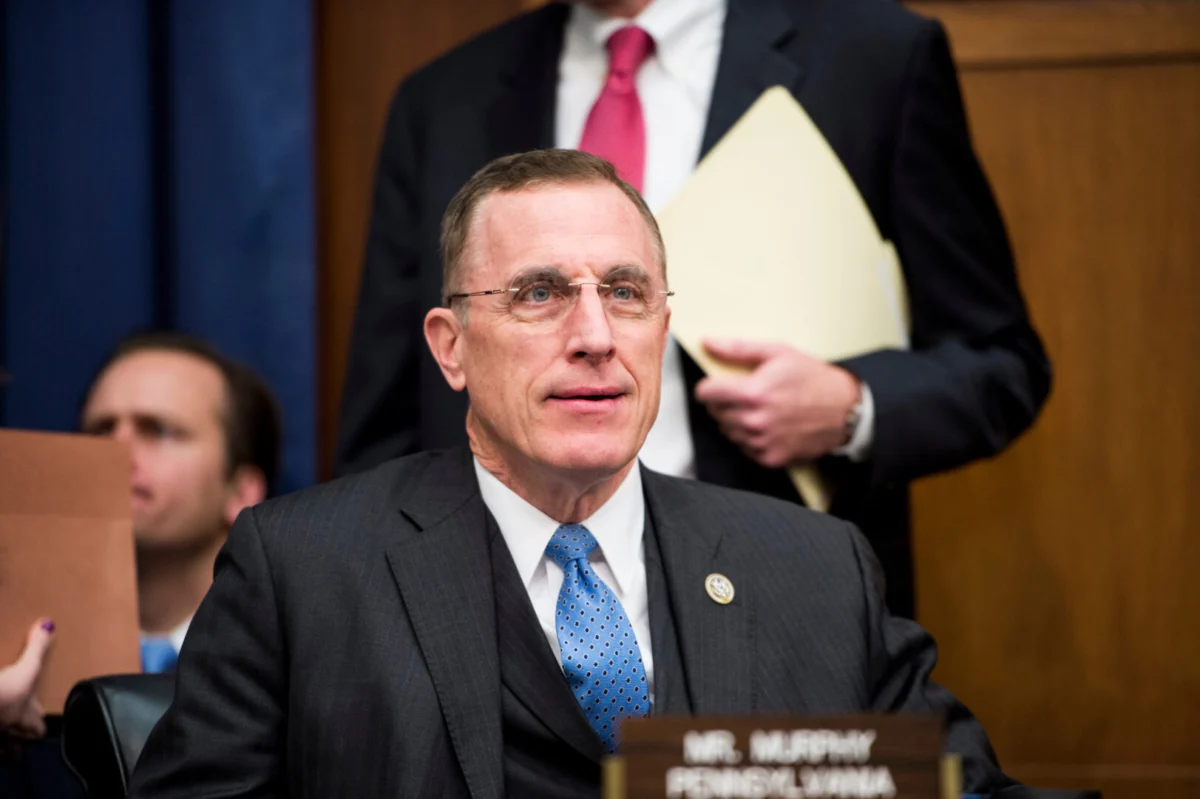
The Pennsylvania Republican passed away on Saturday from an apparent heart attack, according to reports from local news outlets, marking the end of a life characterized by significant public service, particularly in the realm of mental healthcare, and a sudden, dramatic fall from grace. Murphy’s career was defined by a profound commitment to improving mental health services, a cause he championed with the fervor of a trained psychologist, yet it was overshadowed by a personal controversy that led to his swift resignation from the House of Representatives in 2017.
A Career Rooted in Psychology and Public Service
Born in Cleveland, Ohio, Tim Murphy’s professional journey began not in the halls of power, but in the therapeutic environment of mental health practice. He earned his Ph.D. in psychology from the University of Pittsburgh in 1979, laying the academic foundation for a career that would deeply inform his later legislative efforts. Following his doctoral studies, Murphy established his own private practice, providing clinical psychological services to individuals and families in the Pittsburgh area. His expertise extended beyond the clinic; he taught at his alma mater, imparting knowledge to future generations of psychologists, and became a recognizable local figure as "Dr. Tim," offering advice and insights on mental health issues across Pittsburgh radio and television airwaves. This early public engagement built a foundation of trust and recognition that would serve him well as he transitioned into politics.
Murphy’s political career commenced in 1996 when he successfully ran for a seat in the Pennsylvania State Senate. His tenure in the state legislature provided him with crucial experience in policy-making and constituent service, preparing him for the national stage. A pathway to the U.S. Congress opened in 2002, a pivotal year marked by significant legislative redistricting in Pennsylvania. The GOP-led state legislature redrew the lines of the 18th Congressional District, effectively creating a more Republican-friendly territory and offering Murphy a viable path to Washington D.C. He seized this opportunity, winning the election and embarking on what would become a distinguished, albeit ultimately controversial, career in the nation’s capital.
Championing Mental Health Reform in Congress
Upon his arrival in Washington, Representative Murphy quickly established himself as a leading voice on mental health issues, leveraging his professional background as a psychologist to advocate for comprehensive reforms. He was a tireless proponent of increased research into mental illness and expanded access to effective treatment. Murphy frequently articulated a vision for a healthcare system that recognized the intrinsic link between physical and psychological well-being. He argued passionately for the coordinated treatment of chronic physical illnesses, such as heart disease and diabetes, which are often correlated with higher rates of psychological ailments like depression and anxiety.
His signature legislative effort was the "Helping Families in Mental Health Crisis Act" (H.R. 2646), a monumental bill he introduced in 2013 and tirelessly championed for years. This legislation aimed to overhaul the nation’s mental health system by addressing critical issues such as the shortage of psychiatric beds, the fragmentation of care, and the need for greater integration of mental and physical health services. Murphy’s bill sought to clarify federal privacy rules (HIPAA) to allow family members to play a more active role in the treatment of severely mentally ill loved ones, a provision born from countless heartbreaking stories he heard from constituents struggling to navigate a complex and often unyielding system. He contended that the existing framework often criminalized mental illness, leading to individuals with severe conditions ending up in jails or on the streets rather than receiving appropriate medical care.
Murphy’s advocacy culminated in significant provisions from his bill being incorporated into the "21st Century Cures Act," signed into law in December 2016. This landmark legislation allocated billions of dollars for medical research and drug innovation, but critically, it also included substantial reforms to the mental health system. The mental health title of the Cures Act, heavily influenced by Murphy’s tireless work, established an Assistant Secretary for Mental Health and Substance Use, clarified HIPAA privacy rules, promoted evidence-based interventions, and expanded the mental health workforce. This achievement was widely hailed by mental health organizations and advocates as the most significant mental health reform in decades, solidifying Murphy’s legacy as a pivotal figure in the national conversation surrounding mental illness.
"The real cost saving in health care is not going to come just by providing more money, more insurance," Murphy stated in 2017, encapsulating his philosophy. "It really has to come from doing a better job and focusing on quality and value." He believed that by investing in coordinated, evidence-based care, the healthcare system could not only improve patient outcomes but also reduce overall expenditures, particularly by decreasing costly emergency room visits and hospitalizations for preventable conditions.
Beyond Mental Health: Other Legislative Priorities
While mental health was his primary focus, Representative Murphy was also a diligent advocate for his constituents in other critical areas. Representing a district in Western Pennsylvania, a region with a rich industrial heritage and burgeoning energy sector, he actively sought to boost the local natural gas industry. At a time when the Marcellus Shale boom was transforming the regional economy, Murphy championed policies that supported responsible energy development, aiming to create jobs and economic opportunities for his district.
As chairman of the Congressional Steel Caucus, a bipartisan group dedicated to preserving and strengthening the American steel industry, Murphy was a vocal proponent of "Buy American" provisions. He tirelessly pushed for federal construction projects to utilize domestically manufactured steel, arguing that such policies were essential for national security, economic stability, and the preservation of high-paying manufacturing jobs. His efforts reflected a broader commitment to protecting American industries from unfair foreign competition, a stance that resonated deeply with his working-class constituents.
Murphy’s background as an officer in the Naval Reserve also shaped his legislative priorities. He was a staunch supporter of military personnel, veterans, and local defense facilities. He consistently advocated for the Naval Reserve’s naval operations support center at Pittsburgh International Airport and the Air National Guard’s 911th Airlift Wing, recognizing their strategic importance and their contribution to the regional economy. His personal experience in uniform provided him with a unique perspective on the challenges faced by service members and their families, including the often-overlooked issue of veterans’ mental health, which he integrated into his broader advocacy efforts.
Furthermore, as chairman of the Energy and Commerce Committee’s Oversight Subcommittee, Murphy played a crucial role in scrutinizing federal agencies and programs. He notably opposed cuts to vital federal research agencies like the Substance Abuse and Mental Health Services Administration (SAMHSA), arguing that such reductions would undermine critical efforts to address the nation’s growing mental health and addiction crises.
Confronting the Opioid Epidemic
The escalating opioid epidemic was another issue that deeply concerned Murphy, and one where his personal experience lent a powerful authenticity to his advocacy. He raised alarms about the devastating impact of synthetic opioid addiction, particularly fentanyl, which was rapidly becoming a leading cause of overdose deaths across the nation. Murphy publicly shared his own experience with fentanyl, recounting how he was administered the powerful synthetic opioid after being injured in a vehicle rollover in Iraq during a 2005 congressional delegation visit. "At no point did anybody discuss with me, ‘be careful with this stuff… this can be addictive,’" he later recalled. This personal encounter underscored the lack of patient education and awareness surrounding highly addictive pain medications, fueling his resolve to push for stronger safeguards and expanded treatment options. His legislative efforts in this area focused on increasing funding for prevention, treatment, and recovery services, and improving prescription drug monitoring programs to curb over-prescription.
The Scandal and Abrupt Resignation
Despite his significant legislative achievements and public persona as a dedicated advocate, Tim Murphy’s congressional career came to an abrupt and ignominious end in October 2017. The scandal erupted when the Pittsburgh Post-Gazette reported on text messages between Murphy and a woman with whom he was having an extramarital affair. The most damaging revelation was that Murphy, a prominent member of the House Pro-Life Caucus and a vocal opponent of abortion, had urged the woman to get an abortion during an "unfounded pregnancy scare."
The revelation sent shockwaves through the political landscape, particularly given the stark hypocrisy it exposed. Murphy’s public stance on abortion rights, which included co-sponsoring legislation that would ban abortions after 20 weeks, stood in direct contradiction to his private actions. The scandal sparked immediate outrage from both sides of the political spectrum, with pro-life groups feeling betrayed and others condemning the apparent duplicity. The swiftness of the public and political backlash was unprecedented. Within just two days of the story breaking, facing immense pressure from his Republican colleagues, party leadership, and a wave of national condemnation, Murphy submitted his resignation from the House of Representatives. His departure left his seat vacant and triggered a highly competitive special election in Pennsylvania’s 18th Congressional District, which was ultimately won by Democrat Conor Lamb in a closely watched race that signaled shifting political tides.
Legacy and Reactions
In the wake of his death, members of Pennsylvania’s congressional delegation and others reflected on Tim Murphy’s complex legacy. While the circumstances of his departure from Congress remain a notable part of his story, many chose to focus on his dedicated public service, particularly his profound impact on mental health policy.
Republican Representative Guy Reschenthaler, whose current district overlaps with a significant portion of Murphy’s former constituency, remembered him fondly, calling him "a dear friend and a trusted mentor to me for many years." Reschenthaler’s tribute underscored Murphy’s role in guiding newer generations of lawmakers and his commitment to his home region.
GOP Senator Dave McCormick also offered praise, stating, "No one worked harder for his constituents. He believed that no family should have to face a mental health crisis alone, and he dedicated his career to making that belief a reality." These sentiments highlight the enduring appreciation for Murphy’s advocacy, recognizing the tangible improvements his work brought to mental health care access and awareness.
The mental health community, in particular, acknowledges Murphy’s instrumental role in elevating mental health issues to a national priority. His relentless push for the "21st Century Cures Act" mental health provisions fundamentally reshaped federal policy and funding for mental health and substance use disorders. While the issues he championed—from fragmented care to the opioid crisis—continue to challenge the nation, Murphy’s legislative groundwork provided a critical framework for ongoing efforts. His legacy, therefore, is a nuanced tapestry woven with threads of dedicated public service, significant legislative triumphs in an often-overlooked policy area, and a personal scandal that served as a stark reminder of the complexities inherent in public life. He will be remembered as a psychologist who brought his professional expertise to the legislative arena, leaving an indelible mark on mental health policy, even as his political career ended under a cloud of controversy.