
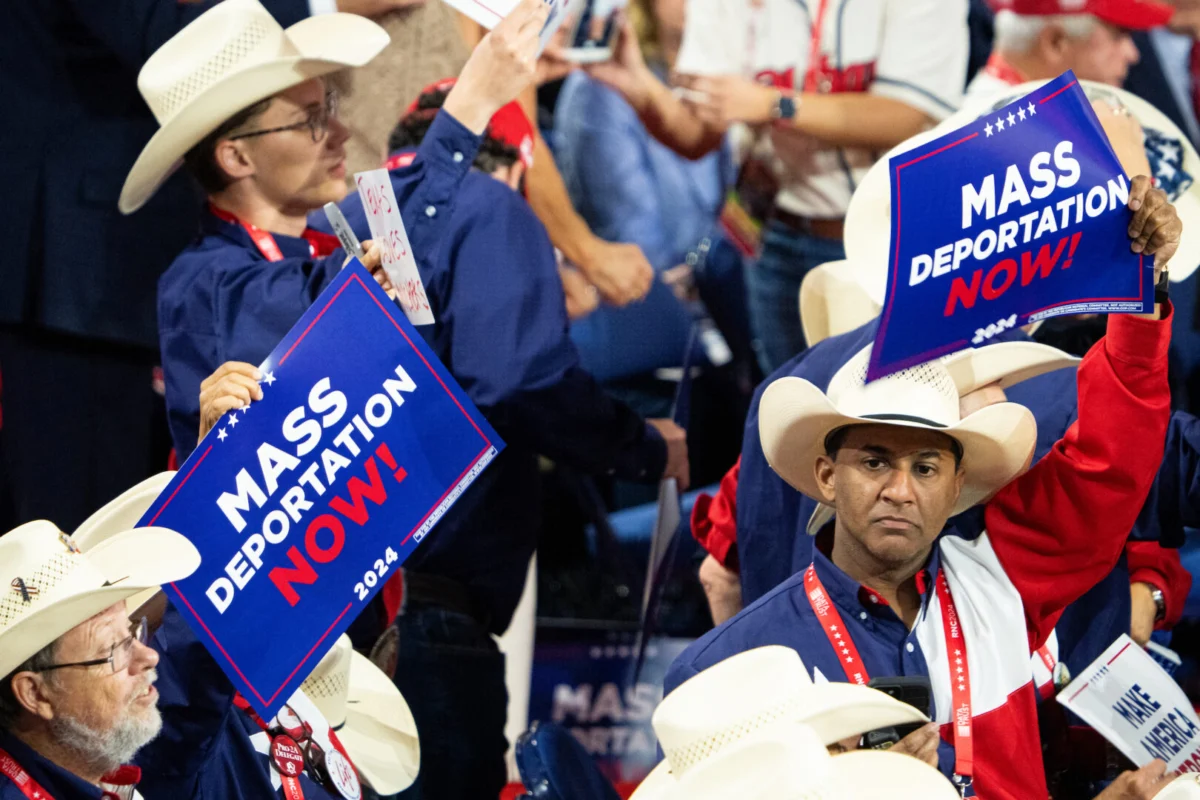
The Supreme Court of the United States issued a consequential order on Tuesday, granting the Trump administration the authority to continue the practice of "third-country removals," a policy that allows the federal government to deport immigrants to nations other than their countries of origin. By staying a lower-court injunction, the high court has permitted the administration to expedite the removal of thousands of individuals to countries including El Salvador, Libya, and South Sudan, effectively clearing the path for the government to maintain its current enforcement operations while a final constitutional battle looms on the horizon.
This order, which effectively pauses a ruling from the U.S. Court of Appeals for the 1st Circuit, signals that the Supreme Court is prepared to adjudicate one of the most contentious aspects of the administration’s immigration agenda. The justices have scheduled oral arguments for December, a session that will weigh the scope of judicial oversight in foreign policy matters, the rights of detainees to challenge their removal destinations, and the ultimate constitutionality of a policy that has been a cornerstone of the White House’s strategy to address backlogs in the immigration system.
A Chronology of the Legal Battle
The controversy over third-country removals gained momentum early in President Trump’s second term as his administration sought to bypass the logistical and diplomatic hurdles associated with repatriating individuals to countries that refuse to accept them. For years, the U.S. government has faced challenges in deporting individuals—particularly those with criminal records—when their home countries refuse to issue travel documents or acknowledge their citizenship.
The legal friction began in earnest when civil rights organizations challenged the practice, arguing that it violates both statutory law and fundamental human rights protections. In the lower courts, U.S. District Court Judge Brian Murphy of the District of Massachusetts issued a significant ruling, finding that the administration’s policy was deficient because it failed to grant immigrants a formal hearing to determine whether they would face torture or persecution in a third country. The 1st Circuit Court of Appeals subsequently upheld this assessment, asserting that the government’s reliance on "blanket assurances" from destination nations did not meet the rigorous procedural standards mandated by federal law.
The administration, undeterred by the appellate court’s rebuff, filed an emergency request with the Supreme Court. This was not the first time the issue reached the high court; previously, the administration successfully petitioned for stays to allow for the deportation of eight specific individuals to South Sudan. Tuesday’s order, however, represents a broader endorsement of the policy’s current application, allowing it to persist while the merits of the case are debated in the winter term.
The Administration’s Justification and Strategic Priorities
Central to the administration’s defense is the assertion that the judiciary lacks the mandate to intervene in delicate foreign policy negotiations. In its filings, the Department of Justice argued that the government relies on diplomatic agreements with destination nations, which include explicit assurances that deported individuals will not be subjected to torture or persecution. According to the administration, requiring the courts to evaluate the validity of these assurances on a case-by-case basis would effectively paralyze the deportation process.
"The decision that a foreign government’s categorical assurance against torture or persecution is sufficient for all aliens is itself a ‘foreign policy’ judgment the Judiciary is ‘not suited’ to question," the government argued in its Supreme Court filing.
Beyond the legal theory, the administration has framed the policy as a vital public safety tool. Officials maintain that the practice is reserved for the "worst of the worst"—individuals who have committed serious offenses such as murder, kidnapping, rape, and aggravated assault. The administration’s brief warned that if these deportations were halted, the government would be forced to release dangerous criminals into the United States due to legal and practical constraints on long-term detention. They argued that such a result would place law-abiding citizens at direct risk, turning the legal dispute into a matter of national security and public safety.
The Perspective of Rights Advocates and Judicial Dissent
While the majority of the Supreme Court granted the stay, three justices—Sonia Sotomayor, Elena Kagan, and Ketanji Brown Jackson—indicated they would have denied the administration’s request. Although they did not provide a written dissent, their position reflects the concerns of legal advocates who argue that the policy strips immigrants of essential protections against human rights abuses.
Attorneys representing the immigrants who challenged the policy have argued that the law is clear: the government has an affirmative duty to ensure that no individual is sent to a country where their life or freedom would be threatened. Their filing emphasized that "denying a stay does not prevent third-country removals; rather, it simply requires them to do so lawfully." By bypassing individual hearings, critics argue, the administration is potentially violating the principle of non-refoulement—the international law prohibition against returning individuals to a country where they would be in danger.
Fact-Based Analysis of Broader Implications
The legal stakes of this case extend far beyond the immediate removal of thousands of individuals. The impending Supreme Court decision will likely set a precedent for how much deference the judiciary grants to the executive branch in the realm of immigration and foreign policy. If the Supreme Court ultimately rules in favor of the administration, it would effectively consolidate executive power, reducing the ability of federal courts to intervene in deportation proceedings based on the claims of individual detainees.
Conversely, a ruling against the administration would force a comprehensive overhaul of the current deportation apparatus. Should the Court affirm the 1st Circuit’s decision, the Department of Homeland Security would be required to implement a more robust evidentiary process for third-country removals. This would necessitate additional administrative hearings and independent reviews of the human rights conditions in recipient nations, a move that would undoubtedly slow the pace of deportations and increase the fiscal burden on the immigration court system.
Furthermore, the case highlights a persistent tension between the administration’s "law and order" focus and the international human rights obligations that define the U.S. legal system. The outcome will likely influence future diplomatic efforts, as other nations may be less inclined to enter into "blanket assurance" agreements if the U.S. Supreme Court mandates that such assurances are subject to extensive judicial scrutiny.
Looking Toward December
As the nation prepares for the oral arguments in December, the case stands as a landmark test of the limits of presidential authority. For the thousands of immigrants currently in detention, the Court’s eventual decision will determine the difference between remaining in a controlled environment under U.S. law or being transferred to foreign jurisdictions with varying levels of oversight and human rights protections.
The Supreme Court’s involvement underscores the administration’s success in framing its immigration agenda as a high-stakes constitutional imperative. With the judiciary now firmly positioned at the center of this controversy, the December hearings will be watched closely by human rights groups, federal policymakers, and international observers alike, all of whom recognize that the Court’s ruling will reshape the legal landscape for immigration enforcement for years to come. Whether the Court chooses to prioritize the administrative efficiency and diplomatic prerogative of the executive branch or the procedural safeguards of the individual remains the defining question of this legal saga.








Leave a Reply