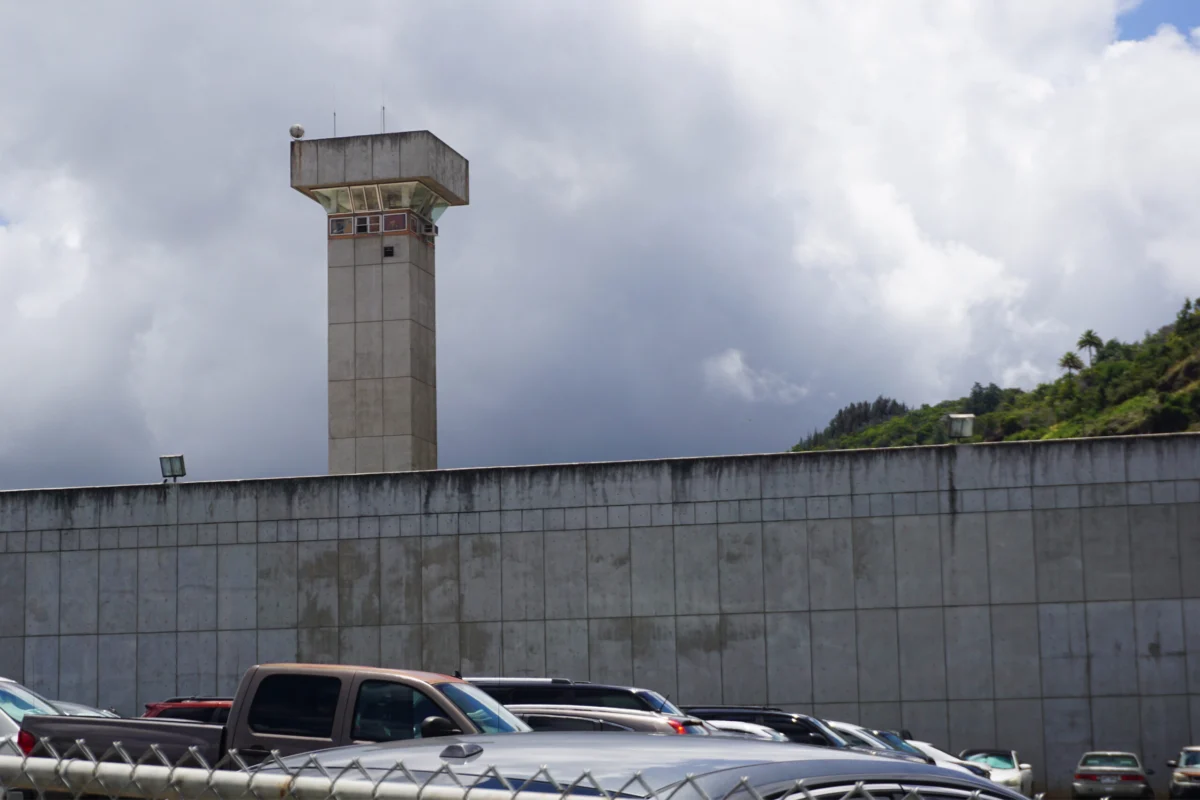
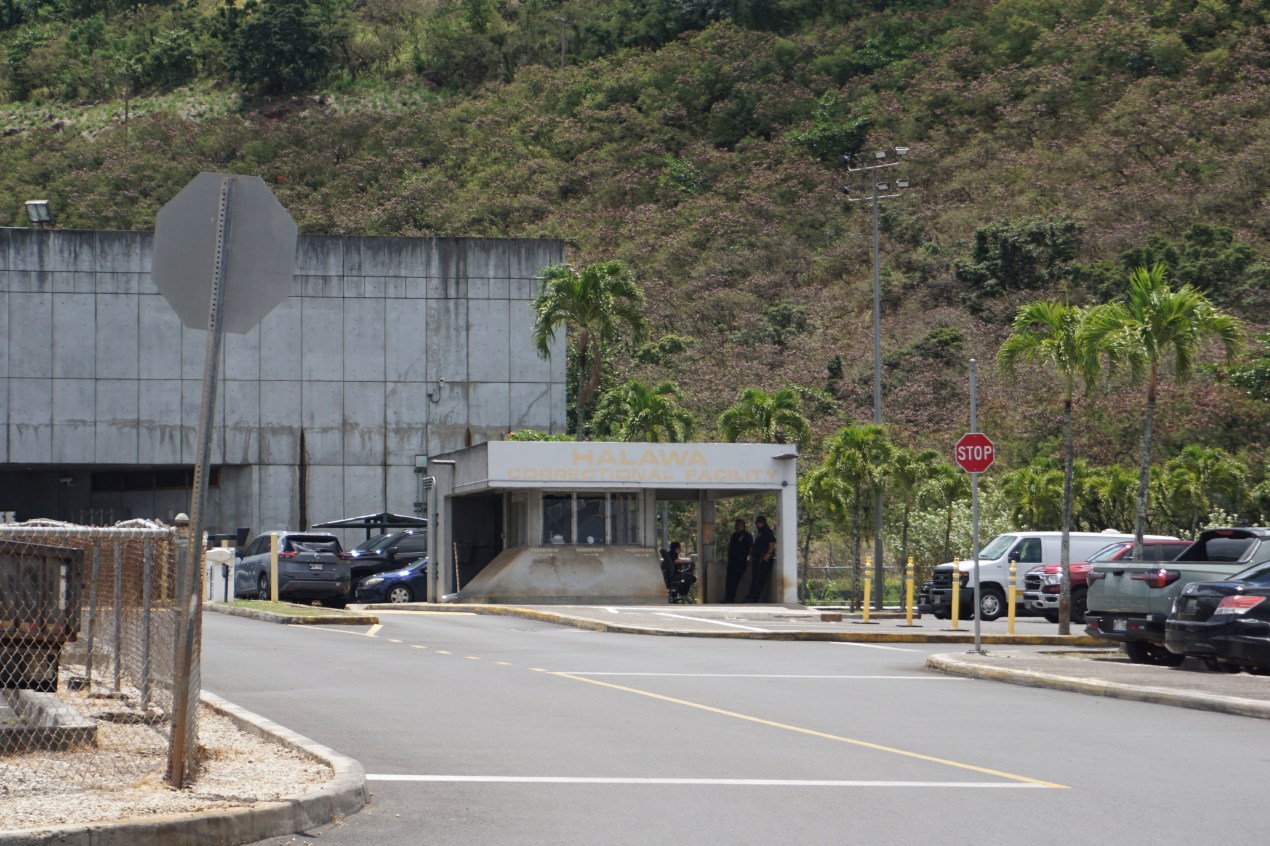
Christian Alameda, a 52-year-old inmate at the Halawa Correctional Facility in Honolulu, struggles to rise from his prison bed, a cane his only aid. A severe stroke in January left him with partial paralysis on his right side, confining him to the facility’s medical infirmary. While Hawaii’s parole board granted him compassionate release in February, a pathway to early probation for individuals with critical medical conditions, his departure remains indefinitely stalled. The crux of his predicament, and that of at least three other prisoners in similar circumstances as of June, lies in the stark reality that no long-term care facility in Hawaii has been willing to accept him, primarily due to his criminal background. This situation is not unique to Hawaii; it represents a growing national crisis where the intent of compassionate release is undermined by the practical barriers faced by vulnerable incarcerated individuals.
The Promise and Peril of Compassionate Release
Compassionate release, a mechanism designed to allow terminally ill or severely incapacitated prisoners to be freed from incarceration to receive necessary medical care, exists in some form in every U.S. state. However, Hawaii operates on an internal policy rather than a specific statute, a distinction that advocates argue contributes to its challenges. Typically, prisoners who qualify for compassionate release suffer from debilitating conditions, terminal illnesses, or a profound inability to care for themselves, necessitating placement in assisted living centers, nursing homes, or hospice care. Yet, a significant hurdle arises when these long-term care facilities, citing various concerns, decline to admit individuals with a history of incarceration. This refusal can leave prisoners languishing behind bars for months, or even years, after they have been legally deemed eligible for release.
The consequences of this disconnect are far-reaching, impacting not only the well-being of the prisoners but also the financial burden on taxpayers and the efficacy of the justice system. In Rhode Island, a study revealed a dramatic surge in nursing home rejections when potential residents were identified as having come from correctional facilities. Similarly, in Colorado, parolees with extensive medical needs experienced average delays of 200 days before securing placement in long-term care, a direct result of repeated denials. The situation has escalated to the point where, in New York, prisoners granted parole have resorted to legal action against the state, seeking recourse for their inability to access nursing home beds.
Financial and Regulatory Hurdles Compound the Problem
Adding another layer of complexity to this issue is the impact of federal legislation. President Donald Trump’s "One Big Beautiful Bill Act," enacted in the summer of 2025, has placed additional strain on long-term care providers’ capacity to accept individuals transitioning from incarceration. A critical factor is the qualification for Medicaid. Prisoners are ineligible for Medicaid while incarcerated, forcing parolees to navigate a complex application process upon release. The aforementioned act significantly reduced the window for retroactive Medicaid reimbursement for new patients, shrinking it from three months to as little as 30 days prior to application. This creates a substantial financial risk for facilities, which may not be reimbursed for care provided to new Medicaid patients if their applications are not processed within this narrow timeframe.
Timothy Foster, a spokesperson for the Centers for Medicare & Medicaid Services (CMS), acknowledged the challenge, stating that CMS "encourages providers and beneficiaries to prioritize timely application submission to maximize coverage." However, this guidance does little to alleviate the immediate concerns of facilities facing potential financial losses.
The "Risk Is Just Too High": Facility Perspectives
The reluctance of long-term care facilities to accept individuals with criminal records is rooted in a confluence of factors, chief among them being perceived safety risks and resource limitations. A 2024 report by the American Health Care Association and the National Center for Assisted Living highlighted that most nursing homes nationwide already grapple with extensive waiting lists for new residents. This existing demand serves as another obstacle, making it difficult for facilities to prioritize or even consider individuals with the added complexities associated with incarceration.
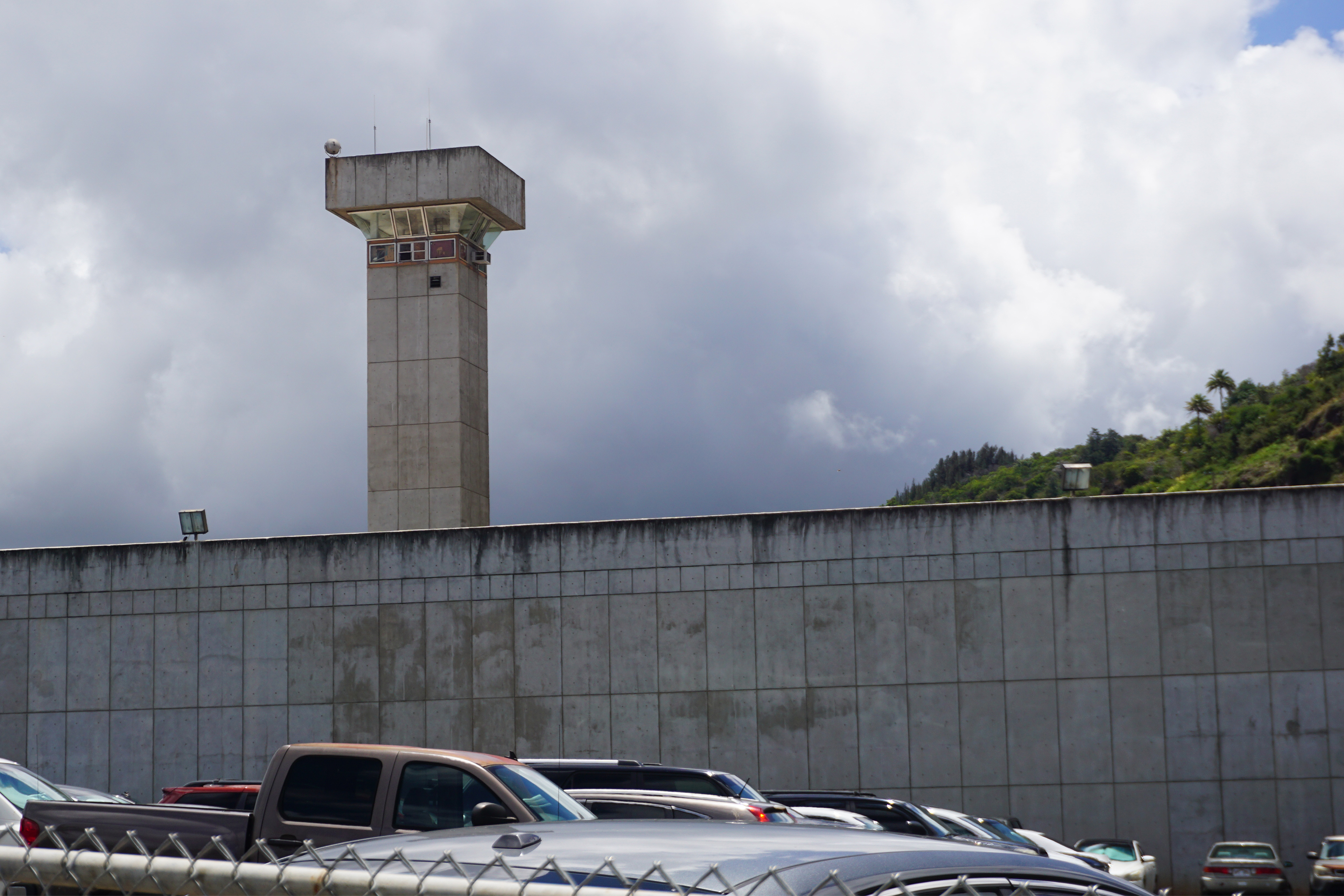
Bob Merce, a former attorney and advocate for prisoners’ compassionate release, acknowledges this concern. "We tell the nursing homes that most of the people who we are talking about cannot hurt somebody," Merce stated, underscoring the often-misconceived perceptions surrounding incarcerated individuals. However, the reality for some prisoners in the Halawa infirmary in June painted a stark picture of their medical incapacitation. Some were unable to walk or dress themselves, one individual could not recall their own illness, and another with brain cancer was unable to communicate coherently.
Sean Sanada, the Oʻahu Region CEO for the Hawaii Health Systems Corp., which manages two state-funded long-term care facilities, Leahi Hospital and Maluhia, explained the system’s position. While the health system has reviewed numerous compassionate release referrals, they have never accepted any. Sanada emphasized that the facilities do not discriminate based on an individual’s origin but cited staff safety and the availability of adequate resources to manage potentially complex patient needs as paramount concerns. "The risk is just too high in most of those instances," Sanada commented, echoing the sentiment of many facility administrators.
The documented increase in violent incidents within long-term care facilities further fuels these anxieties. A 2024 study observing 14 assisted living facilities found that 15% of residents experienced aggression from other residents within a single month. This backdrop of resident-to-resident aggression, coupled with concerns about staff safety, creates a challenging environment for facilities considering the admission of individuals with criminal backgrounds.
The Financial Fallout of Rejection
When long-term care facilities refuse to accept prisoners granted compassionate release, the burden of care often falls squarely on state taxpayers. FAMM reports that the annual cost of incarcerating an individual with complex medical needs in Hawaii can be up to eight times the average cost of housing a standard inmate, which is estimated at $112,505 per year. In contrast, the average Medicaid reimbursement for a long-term care patient at a Hawaii Health Systems Corp. facility hovers around $135,000 annually. This discrepancy highlights a significant financial inefficiency, where keeping medically vulnerable individuals incarcerated proves more costly than facilitating their transition to appropriate long-term care.
Models for Success: State Contracts and Specialized Providers
While Hawaii faces significant challenges, some states have implemented innovative solutions to address this issue. Four states—Connecticut, Georgia, Massachusetts, and Vermont—have established contracts with nursing facilities to specifically accept prisoners granted compassionate release. iCare Health Network’s MissionCare Health, a provider that operates nursing homes for individuals transitioning from incarceration, has secured contracts in three of these states. David Skoczulek, iCare’s vice president of business development and communication, estimates that their daily rates per patient are $100 to $350 higher than average nursing home rates in their operating states. This suggests a willingness to cover the increased costs associated with specialized care and potentially higher risk profiles, provided there is a structured contractual framework.
Hawaii’s Roadblocks: Lack of Statutory Framework and Family Reliance
In Hawaii, the correctional department makes recommendations to the parole board, which then decides on compassionate release. Successful release typically requires either a family member to commit to providing care or placement in a long-term care facility. However, Corey Reincke, head of the Hawaii Paroling Authority, stated that in his 24-year career, he cannot recall a single instance of a prisoner being placed in a long-term care facility without family intervention, such as families proactively contacting facilities themselves.
"Parole has to find a facility that can meet their medical needs and is also willing to take them," Reincke explained. "That’s where we’re hitting the roadblocks." He recounted a case where he called over 100 care homes for a parolee, but all declined due to safety concerns. Compounding this difficulty, a 2024 state report indicated that while Hawaii’s long-term care facilities operate at approximately 80% bed capacity, workforce shortages make it challenging to maintain even these levels.
The Tragic Case of Paul Kupihea and the Fight for Legislative Change
The human cost of these systemic failures is starkly illustrated by the case of Paul Kupihea, a 69-year-old man who died in a Honolulu hospital just five days after being granted compassionate release to his family. He succumbed before he could even travel to his home island. In July 2025, Lahela Kruse, Kupihea’s former partner, received news of his deteriorating health. Diagnosed with an incurable form of cancer, Kupihea had been hospitalized multiple times while still in custody.
Kruse and their daughter flew to Oahu to see him, only to be shocked by his emaciated state. Despite having had a fractured relationship with her father for most of her life, their daughter agreed to take him into her home in Hilo, on Hawaii Island. Kruse recounted the profound impact of this decision, acknowledging her daughter’s bravery in the face of her father’s severe illness, a severity that was not fully grasped until their visit. Kupihea’s daughter’s willingness to provide care was instrumental in his compassionate release. However, Kruse lamented that the notification of his critical condition came too late.
Molly Crane, an attorney with FAMM, has been a vocal advocate for expanding compassionate release laws, aiming to increase eligibility and transparency. Hawaii lawmakers have made multiple attempts over the years to pass legislation formalizing compassionate release, but these efforts have thus far been unsuccessful. Crane asserts that without a statutory framework that clearly outlines the process and eligibility criteria, even familial support may not be sufficient to prevent life-threatening delays. "The absence of a compassionate release statute means that people who need compassionate release languish and even die in prison," Crane stated emphatically.
A Glimmer of Hope in Personal Connection
Back in Christian Alameda’s cell, the stark reality of his confinement is palpable. The cramped space, marked by a toilet in the corner and a view of concrete walls, is a far cry from the care he needs. Alameda, who has been incarcerated since 2024 for drug possession, driving a stolen vehicle, and jumping bail, expressed remorse for his past actions and a deep desire to be present for his daughter, who recently turned five. "I made some mistakes in my life," Alameda said, "I tried when my daughter was born, but I know I’ll change, because she needs me out of here."
Merce, the former attorney, continues his tireless efforts to find a placement for Alameda, emphasizing that his client committed no violent crimes. Merce’s commitment stems from his firsthand experience as a trial lawyer, having facilitated the release of approximately 15 prisoners from Hawaii’s correctional facilities for medical treatment. He has witnessed cases where individuals have waited years for release, but it is the cases of those for whom he could not secure placements that haunt him the most. The struggle of individuals like Christian Alameda underscores the urgent need for systemic reform, ensuring that the promise of compassionate release translates into tangible care and dignity for those who need it most.