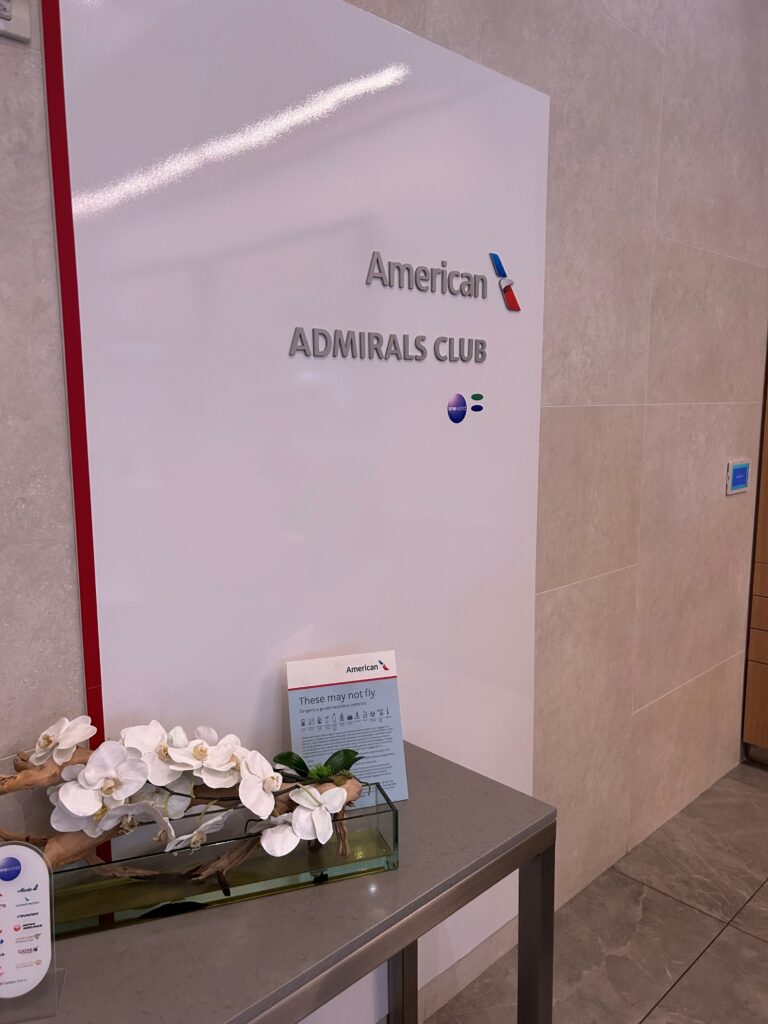
Dallas-Fort Worth International Airport (DFW), the primary hub for American Airlines and the second-busiest airport globally by passenger traffic, serves as a critical nexus for both domestic and international travel. Within this sprawling aviation complex, Terminal D stands as the premier international gateway, housing an array of premium services designed to cater to a high volume of transcontinental travelers. Among these facilities is the American Airlines Admirals Club located near Gate D23. This facility, which shares a footprint with the more exclusive Flagship Lounge, offers a standardized yet essential sanctuary for travelers navigating the complexities of modern air travel. As of July 2026, the lounge remains a cornerstone of American Airlines’ ground experience at DFW, providing a mix of traditional hospitality and specialized culinary features that distinguish it from other domestic membership clubs.
Strategic Location and Entry Protocol
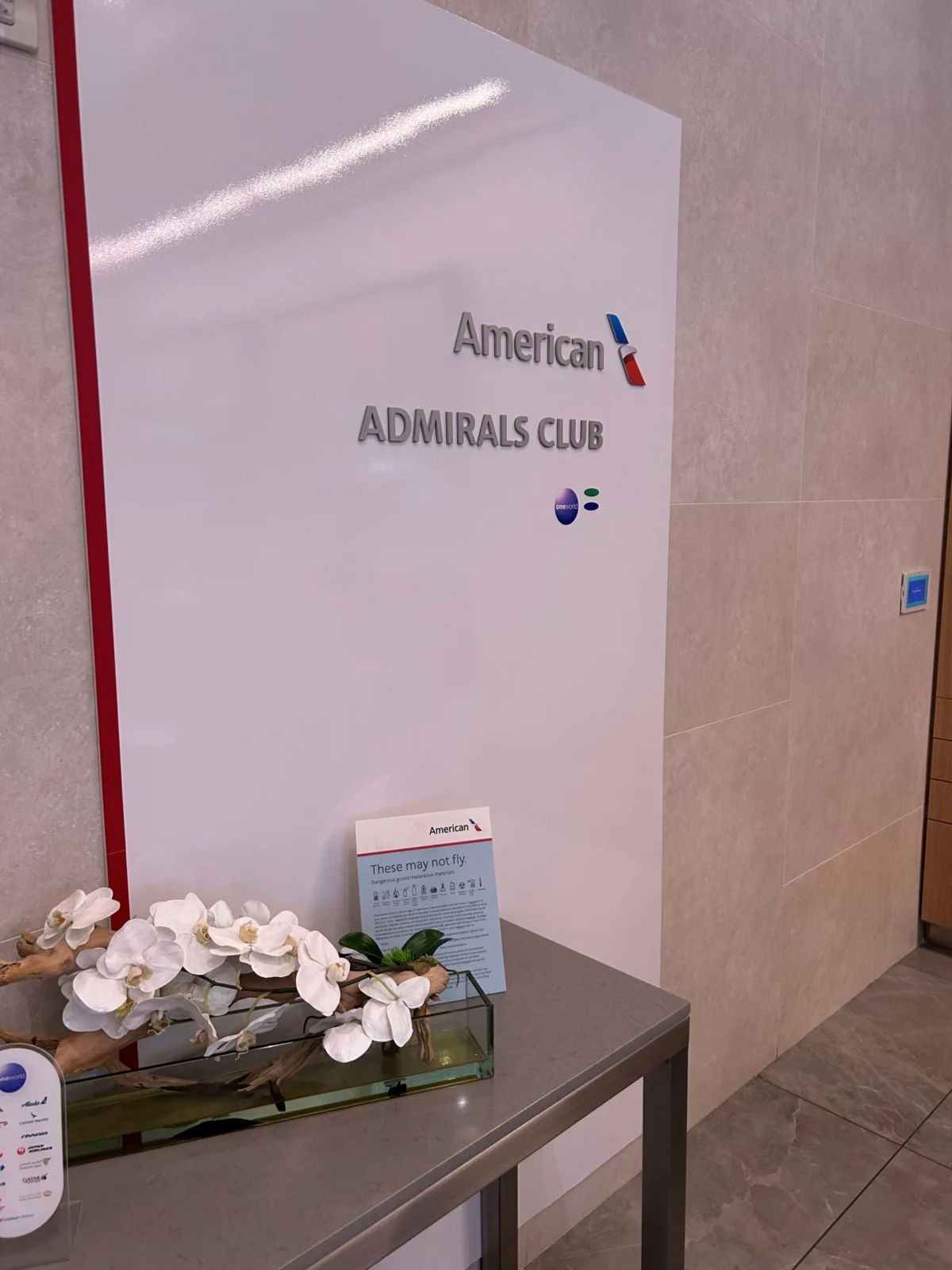
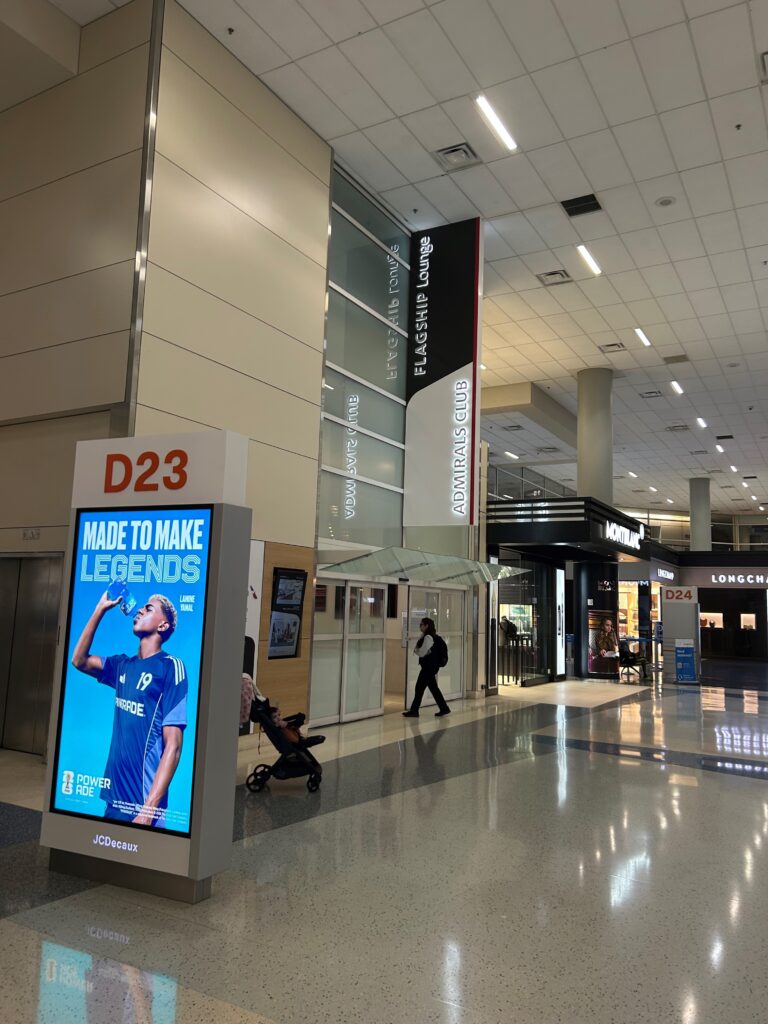
The Admirals Club in Terminal D is strategically positioned to serve passengers departing from the airport’s most modern concourse. Gate D23 is centrally located, making the lounge accessible to those arriving from other terminals via the Skylink automated people mover, as well as those originating their journeys in Terminal D. The entry experience begins at the concourse level with a reception desk that serves as the initial gatekeeper for both the Admirals Club and the adjacent Flagship Lounge.
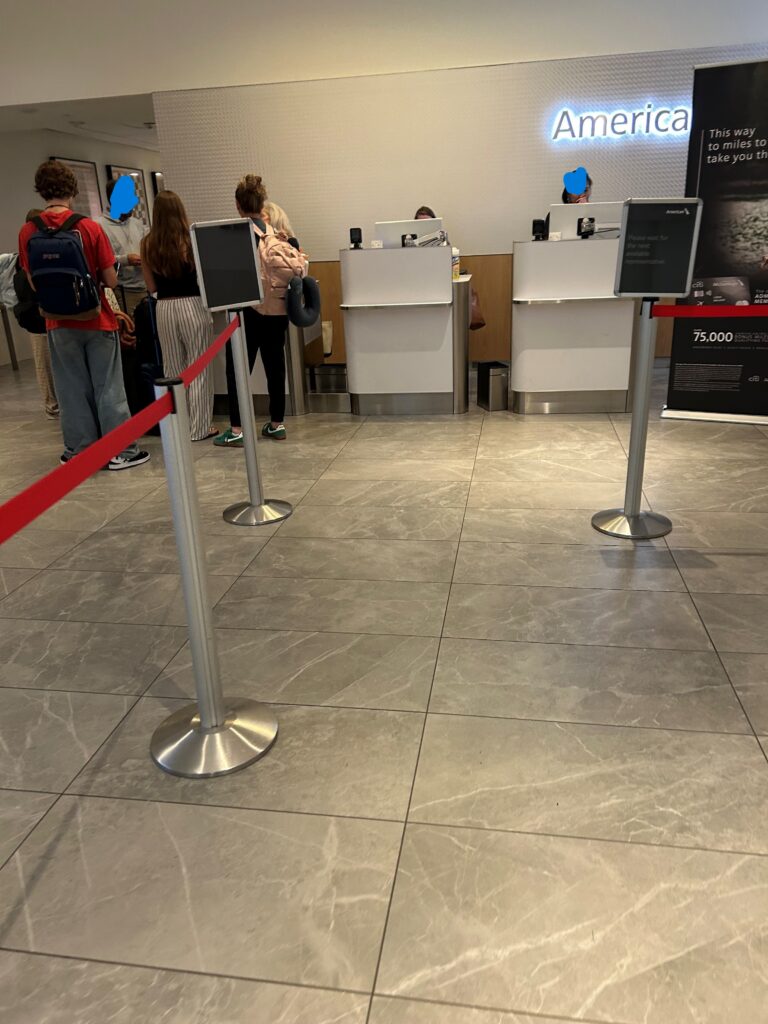
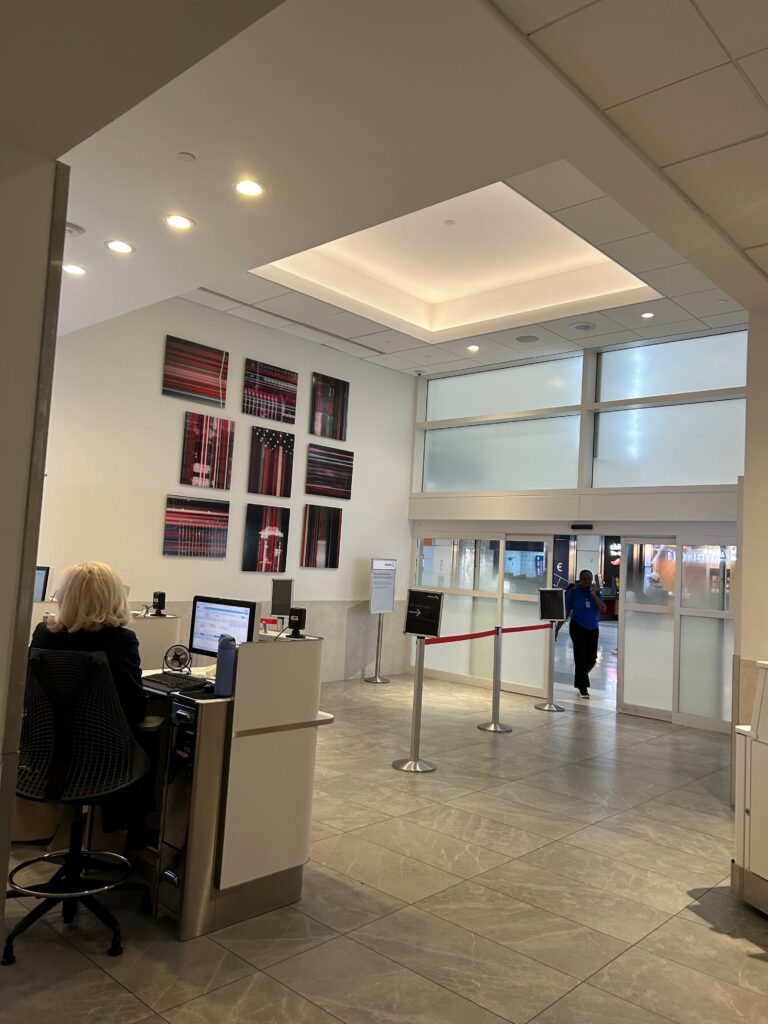
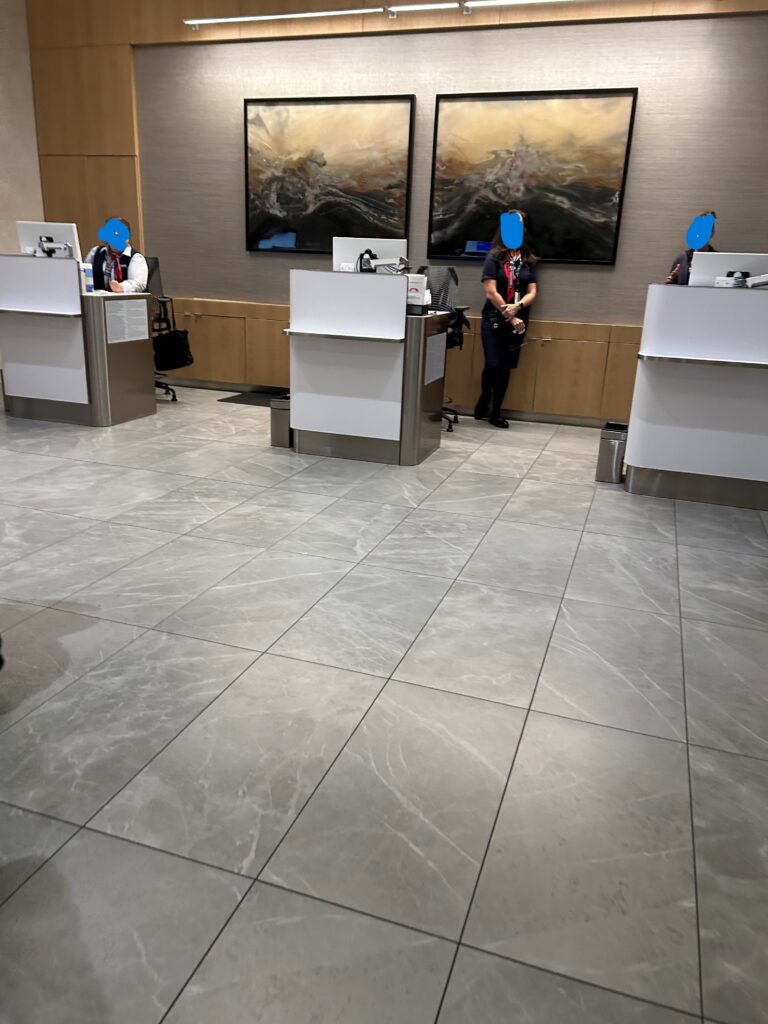
The architectural layout of the entrance is characterized by a utilitarian aesthetic, focusing on efficiency rather than opulence. Guests are required to present their credentials—ranging from annual memberships and qualifying elite status to day passes purchased for a fee—before proceeding. Once cleared, visitors utilize an elevator to ascend one floor to the main lounge level. This secondary reception area acts as a final checkpoint, where staff direct guests to the left for the Admirals Club or to the right for the Flagship Lounge. This bifurcated entry system allows American Airlines to manage two distinct service tiers within a single architectural envelope, optimizing staffing and space utilization.
Architectural Design and Interior Atmosphere
The interior of the Admirals Club at Terminal D is dominated by a large, open-concept room that prioritizes natural light and exterior views. Floor-to-ceiling windows run the length of the lounge, offering expansive vistas of the DFW tarmac—a feature highly prized by aviation enthusiasts and travelers seeking a sense of openness. The design language incorporates elements seen in the more premium Flagship Lounge, such as wood partitions and contemporary artwork, yet the overall execution has begun to show signs of its age.
The seating arrangement is diverse, catering to different traveler needs. Options include:
- Communal Tables: Designed for groups or individuals comfortable with shared spaces, often equipped with integrated power outlets.
- Traditional Lounge Chairs: Arranged in clusters to facilitate conversation or individual relaxation.
- Workstations: Semi-private carrels intended for business travelers requiring a dedicated surface for laptops and documents.
- Dining Tables: Located near the buffet area to accommodate guests consuming full meals.
Despite the variety, the decor is increasingly described by frequent visitors as "dated" or "featureless" compared to the newer "New York" or "DCA" design standards recently introduced at other American Airlines hubs. While the use of wood and colorful art pieces attempts to inject warmth into the space, the neutral color palette and standard upholstery reflect a previous era of airline lounge design. An alcove to the right of the entrance serves as a designated television room, though its lack of physical separation from the main seating area means that ambient sound often bleeds into the surrounding quiet zones.

The Culinary Experience: A Focus on the Bagel Bar
The most significant differentiator for this specific Admirals Club is its elevated food program. While domestic lounges in the United States were historically known for offering little more than pre-packaged snacks and well-drinks, the Terminal D Admirals Club has embraced a more substantial "hot and fresh" philosophy.

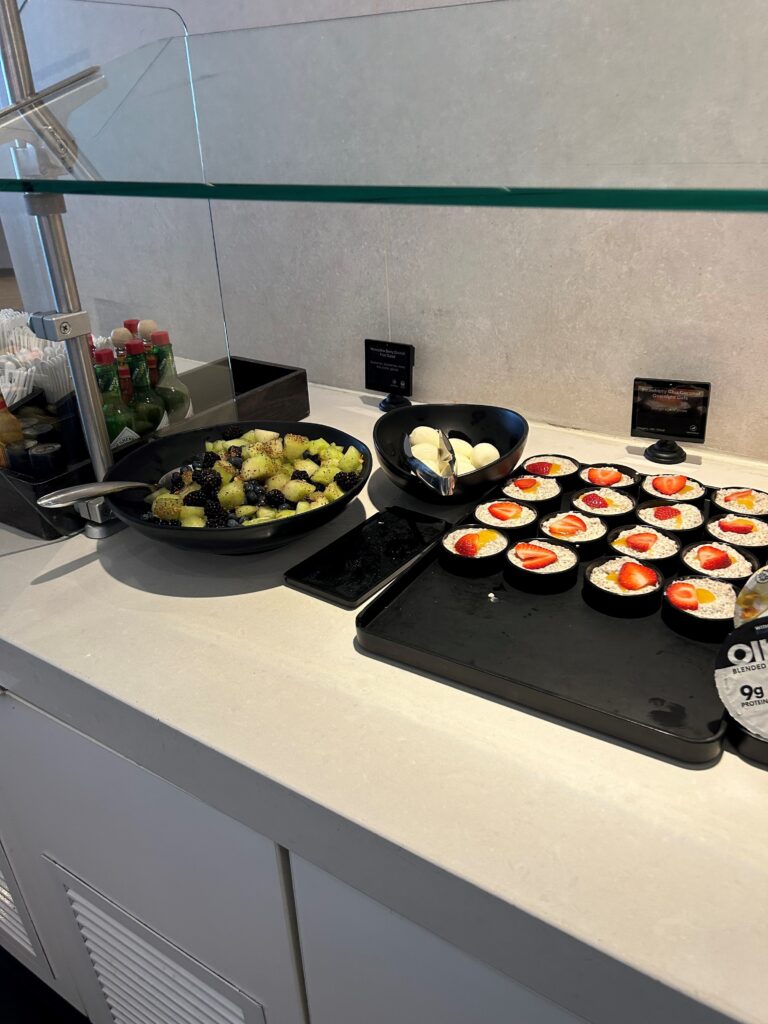
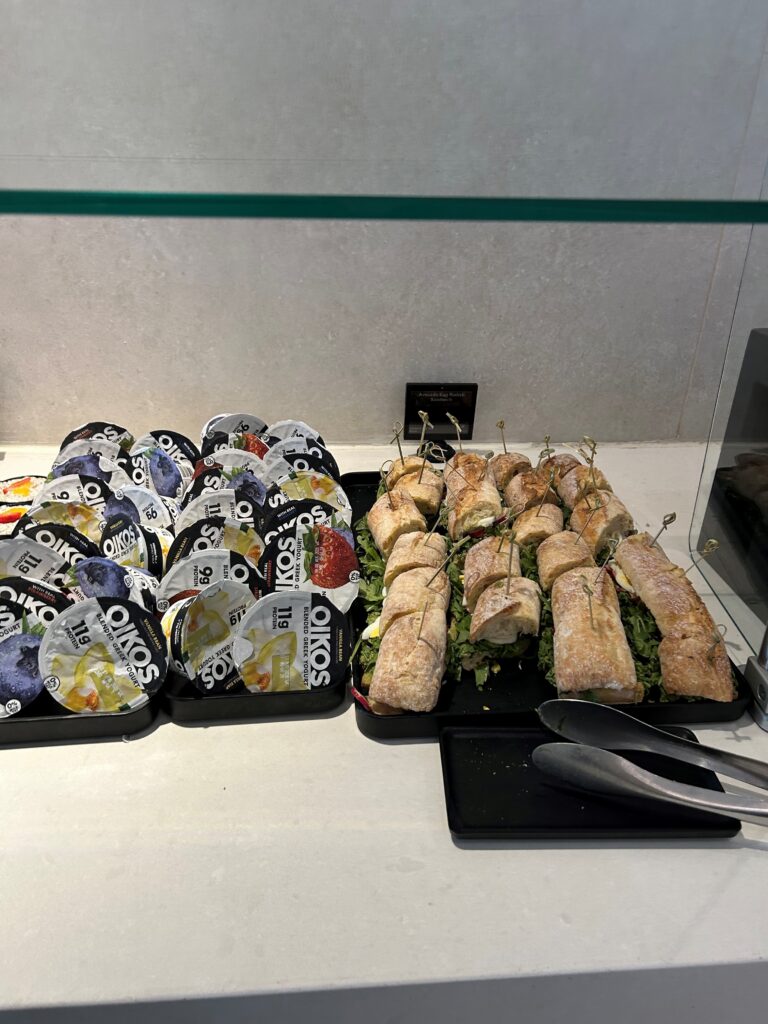
The breakfast service, documented in mid-July 2026, featured a robust buffet that exceeded standard industry expectations for a domestic membership club. The spread included:

- Cold Options: Freshly sliced fruit, hard-boiled eggs, yogurt parfaits, and overnight oats.
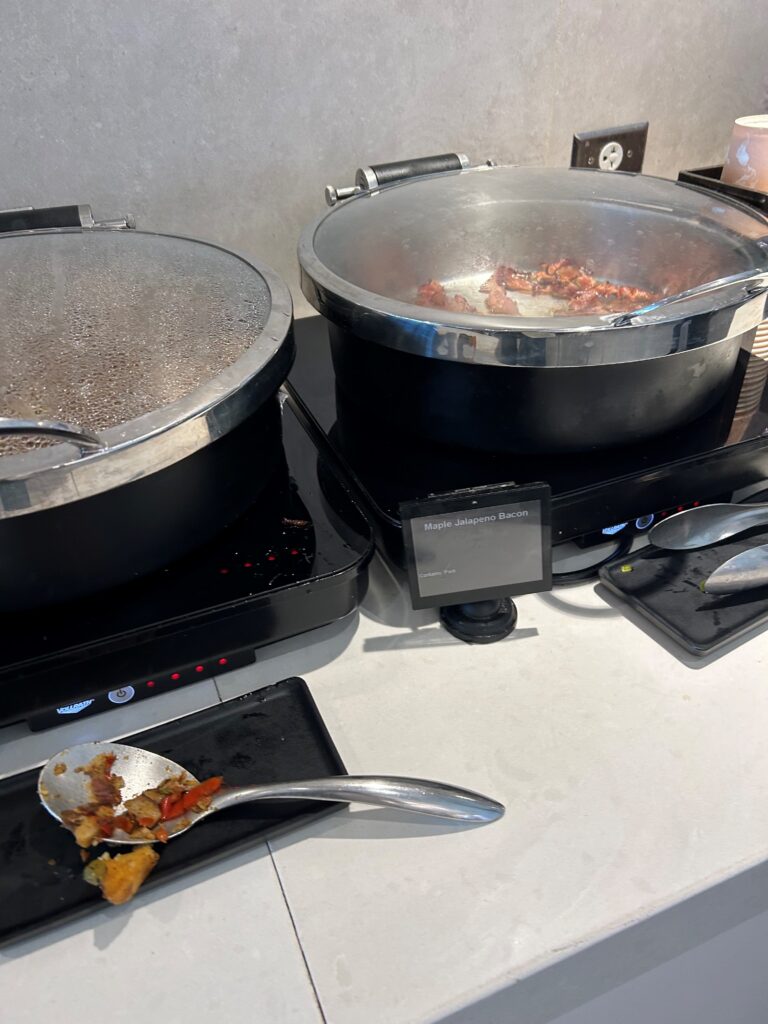
- Hot Options: Scrambled eggs, crispy bacon, and seasoned breakfast potatoes.
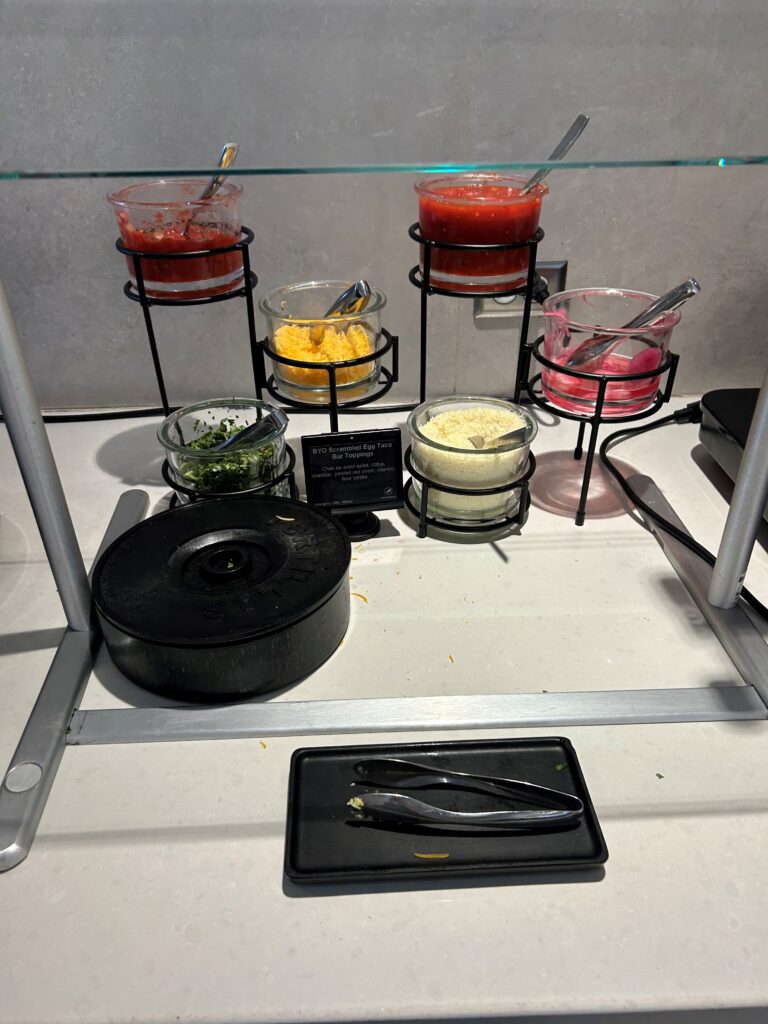
- Regional Specialties: A dedicated station for egg tacos, complete with various "fixings" such as salsa and cheese, acknowledging the lounge’s Texan location.
- Prepared Sandwiches: Pre-assembled avocado and egg sandwiches.
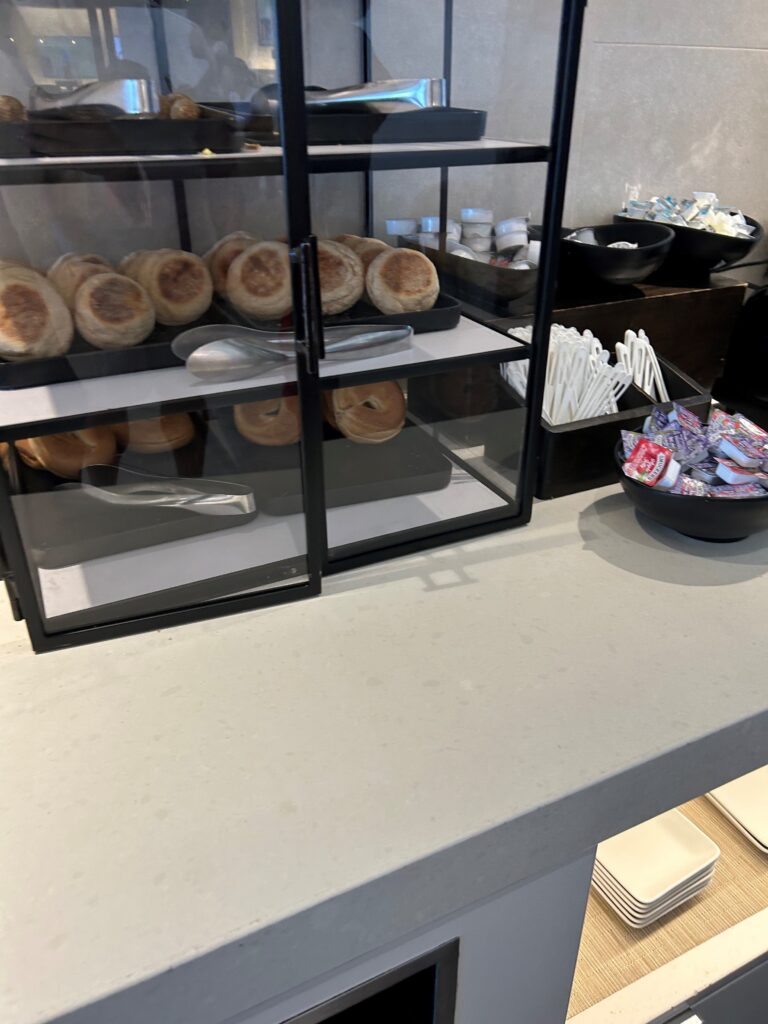
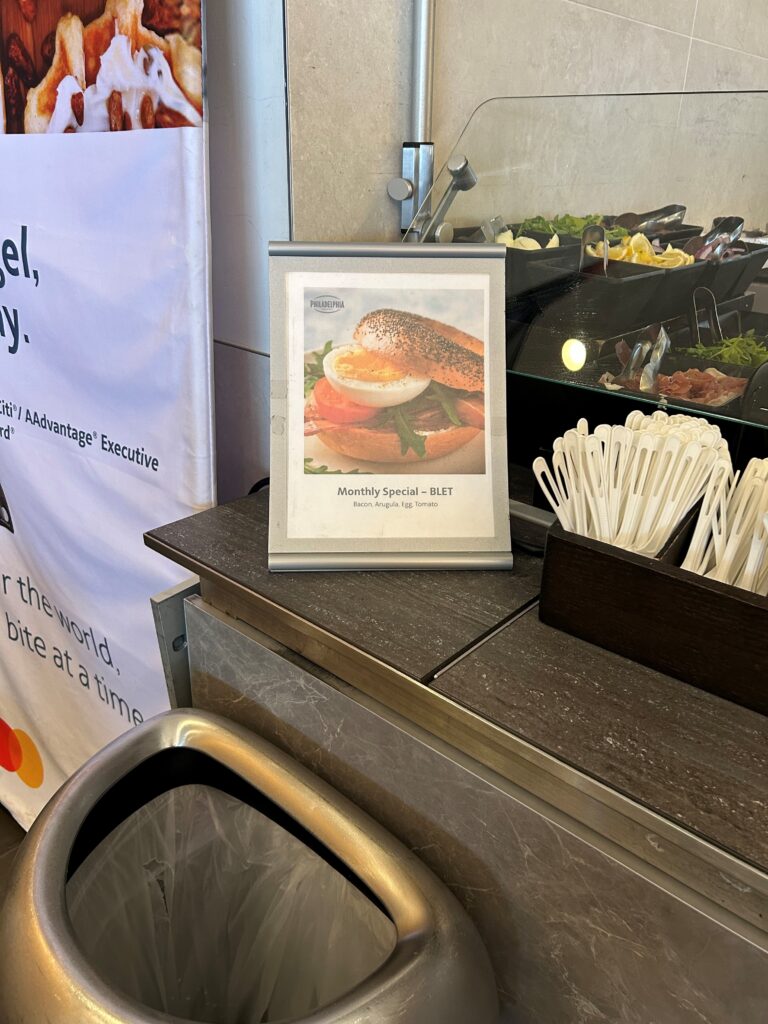
The undeniable highlight of the culinary program is the "Bagel Bar." This station features a dedicated server who prepares personalized egg bagel sandwiches upon request. This move toward "made-to-order" service is a strategic shift for American Airlines, aiming to provide a touch of personalized luxury that is typically reserved for higher-tier international lounges. The presence of a live-action station not only improves the quality of the food but also enhances the perceived value of the lounge membership.

Beverage Program and Regional Regulations
The beverage offerings at the Terminal D lounge follow the standard Admirals Club protocol, which differentiates between complimentary "house" options and "premium" selections available for purchase. The self-service stations provide standard drip coffee, infused waters, and a variety of soft drinks via soda dispensers. Notably, the absence of high-end automated espresso machines—a common feature in many international and competitor lounges—remains a point of contention for some travelers.

The lounge also features a fully manned bar. However, service hours are strictly governed by the Texas Alcoholic Beverage Commission (TABC) regulations. Travelers visiting on Sunday mornings will find the bar closed during early hours, a reflection of local "blue laws" that restrict the sale of alcohol. For those visiting during operational hours, a selection of complimentary house wines and domestic beers is available, while premium spirits, craft cocktails, and high-end wines require additional payment or the use of "drink chits" often provided to certain elite status members.
Amenities and Infrastructure
A critical feature of the Terminal D Admirals Club is the inclusion of shower facilities. Located to the right of the secondary reception desk, these suites are a vital amenity for passengers arriving on long-haul international flights or those facing lengthy layovers. The provision of showers is a significant competitive advantage for American Airlines at DFW, particularly as some domestic competitors have scaled back such offerings in their standard club tiers.
In terms of digital infrastructure, the lounge provides widespread access to power outlets, which are integrated into many of the seating areas and communal tables. This ensures that business travelers can maintain device charges without searching for rare wall sockets. While the facility offers complimentary high-speed Wi-Fi, the reliability and speed of the connection are subject to the density of the lounge’s occupancy at any given time.
Chronology of the Lounge Experience
The typical journey through the Gate D23 Admirals Club follows a structured timeline:
- Check-in (0-5 minutes): Rapid verification of credentials at the concourse level.
- Transition (2 minutes): Elevator transit to the upper level.
- Orientation (5 minutes): Selection of seating based on the traveler’s intent (work vs. relaxation).
- Dining (15-30 minutes): Utilization of the breakfast buffet and the custom Bagel Bar.
- Productivity/Rest (Variable): Use of workstations or lounge seating until the boarding call.
Comparative Analysis and Strategic Context
American Airlines’ decision to maintain a high-capacity Admirals Club in Terminal D is a response to the intense competition at DFW. The airport also hosts the highly-rated Capital One Lounge and the American Express Centurion Lounge, both of which offer premium dining and modern aesthetics. By enhancing the food program—specifically through the Bagel Bar—American Airlines is attempting to retain its loyal membership base against the encroachment of credit card-branded lounges.
Furthermore, the proximity to the Flagship Lounge allows American to efficiently manage its most valuable customers while still providing a "better-than-concourse" experience for its broader membership. The inclusion of showers and a substantial hot breakfast buffet positions the Gate D23 club as one of the stronger performers in the Admirals Club network, even if its physical decor requires a modern refresh to remain competitive with the airline’s newer facilities in Dallas and beyond.
Broader Impact and Implications
The state of the Terminal D Admirals Club reflects a broader trend in the airline industry: the "premiumization" of the ground experience. As airfares remain volatile and concourses become increasingly crowded, the value of a lounge sanctuary has risen. American Airlines’ investment in fresh food and personalized service stations suggests a move away from the cost-cutting measures of the previous decade.

However, the "dated" nature of the Terminal D interior highlights the challenges of maintaining a consistent product across a global network. As American rolls out its new "Admirals Club of the Future" design language—characterized by warmer tones, sustainable materials, and more intimate seating pods—facilities like the one at Gate D23 will eventually require significant capital investment to align with the brand’s evolving identity. For now, the lounge remains a functional and culinary-forward option that fulfills its primary mission: providing a reliable, comfortable, and well-fed transition for the thousands of passengers passing through the heart of the American Airlines hub.