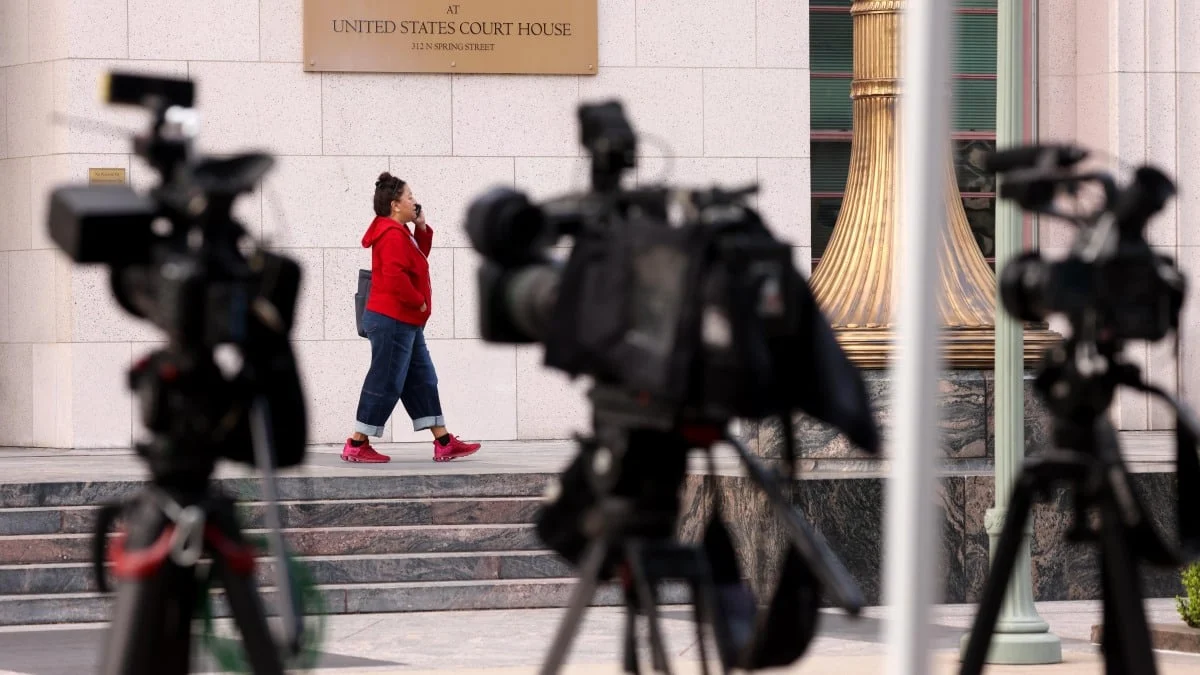
Meta Platforms Inc. has once again avoided a potentially landmark jury trial concerning allegations that its social media platforms contribute to a youth mental health crisis, as a 15-year-old plaintiff, identified as R.K.C., abruptly withdrew his claims just days before proceedings were set to begin. The trial, slated for the Superior Court of California for the County of Los Angeles, was anticipated to be a significant test case in the burgeoning legal battle against social media giants. The plaintiff’s decision to drop the lawsuit against Meta comes after reaching confidential settlement agreements with other prominent social media companies, including Snapchat, TikTok, and YouTube, which were initially named in the same legal action.
The withdrawal marks a pivotal moment in the ongoing litigation against tech companies, which face a wave of lawsuits from individuals, parents, school districts, and state attorneys general nationwide, all asserting that the platforms are designed to be addictive and cause psychological harm to young users. R.K.C.’s attorneys issued a statement confirming the withdrawal, citing "the overall successful result of the litigation" and the plaintiff’s desire to avoid a "grueling weeks-long trial." The statement further emphasized R.K.C.’s readiness to "close this chapter and focus on his recovery and engage in therapy as he aspires to have a normal life." This sentiment underscores the personal toll and emotional burden often associated with high-profile legal battles, particularly for young plaintiffs.
The Genesis of the Lawsuit and Its Trajectory
The lawsuit filed by R.K.C. alleged that he developed a severe addiction to social media over a seven-year period, directly linking his struggles with anxiety and depression to extensive time spent online. His legal team contended that the platforms, through their design features, intentionally exploited adolescent vulnerabilities to maximize engagement, leading to detrimental mental health outcomes. The initial complaint cast a wide net, targeting several major players in the social media landscape. However, the pre-trial settlements reached with Snapchat, TikTok, and YouTube significantly narrowed the focus, leaving Meta as the sole remaining defendant just days before the scheduled trial.
These settlements, the details of which remain undisclosed, indicate a growing willingness among some social media companies to resolve these cases out of court, potentially to avoid the public scrutiny and legal precedent that a jury verdict could establish. The strategy employed by plaintiffs in these cases often involves extensive discovery processes, which can expose internal company documents, design philosophies, and research findings related to user engagement and psychological effects. For companies, a settlement can mitigate risks associated with adverse judgments, negative publicity, and the potential for a cascade of similar lawsuits.
Meta, however, adopted a more combative stance, consistently denying the direct causal link between its platforms and R.K.C.’s mental health challenges. Following the news of the dropped lawsuit, a Meta spokesperson stated, "Days after settling with other social media companies, the plaintiff dropped his case against Meta, the only remaining defendant, without receiving any payment. The claims never held up, and this outcome makes clear that we will not back away from defending ourselves against baseless lawsuits." The spokesperson further elaborated that the facts of the case could not prove that Meta’s platforms were the direct cause of R.K.C.’s struggles. In a prior Motion for Summary Judgment, Meta had contended that R.K.C. had not spent significant amounts of time on its platforms, such as Facebook and Instagram, and that the company could not verify a long-standing account history for the plaintiff on its services. This defense strategy emphasizes individual responsibility and questions the extent of the plaintiff’s engagement with Meta’s specific offerings, attempting to differentiate Meta from other platforms implicated in the broader addiction narrative.
A Precedent-Setting Verdict and Meta’s Ongoing Legal Battles
While R.K.C.’s case against Meta concludes without a monetary judgment or a jury verdict, it is crucial to place this development within the broader context of Meta’s ongoing legal challenges. Just months prior, in March, Meta and YouTube were ordered to pay a combined $6 million to another teen plaintiff who also accused multiple social media companies of knowingly investing in design features that hook users, despite being aware of their potential harm. In that instance, a jury found both companies liable for mental health-related harms caused by negligent design features and "social media addiction." This verdict was hailed as a significant legal milestone, marking the first time a jury explicitly held social media companies responsible for the psychological effects of their platforms on teens.
That March verdict sent ripples through the tech industry and the legal community, signaling a potential shift in how courts view the responsibilities of social media companies regarding user well-being. Meta, predictably, announced its intention to appeal that decision, maintaining its position that teenage mental health is a "profoundly complex" issue that cannot be solely attributed to a single application. Following the March verdict, a Meta spokesperson reiterated this stance, stating, "Teen mental health is profoundly complex and cannot be linked to a single app. We will continue to defend ourselves vigorously as every case is different, and we remain confident in our record of protecting teens online."
Indeed, Meta has become a central target in a growing wave of lawsuits. These legal actions originate from various fronts, including individual teens and their parents, school districts struggling with the educational and behavioral consequences of excessive social media use, and even state attorneys general who have launched investigations and filed lawsuits alleging consumer protection violations and public nuisance. These lawsuits collectively argue that social media companies employ sophisticated psychological tactics and algorithmic designs—such as infinite scroll, push notifications, and engagement-maximizing algorithms—that are inherently addictive, particularly for developing adolescent brains. They further contend that these companies prioritize profit and user engagement over the well-being of their young user base, despite possessing internal research indicating potential harms.
The Broader Context: A Public Health Crisis and Regulatory Scrutiny
The legal challenges facing social media companies are deeply intertwined with a broader societal concern about a perceived youth mental health crisis. Numerous studies and reports from authoritative bodies have highlighted a concerning rise in rates of anxiety, depression, self-harm, and suicidal ideation among adolescents, coinciding with the widespread adoption of social media platforms.
For instance, a 2023 advisory from the U.S. Surgeon General, Dr. Vivek Murthy, declared social media an "urgent public health concern" for young people. The advisory cited evidence suggesting a correlation between excessive social media use and negative mental health outcomes, particularly among girls. It noted that adolescents who spend more than three hours a day on social media face double the risk of experiencing poor mental health outcomes, including symptoms of depression and anxiety. This advisory underscored the need for greater research, robust safety standards, and more thoughtful platform design to protect young users.
Similarly, organizations like the American Psychological Association (APA) have issued guidance for adolescent social media use, acknowledging both potential benefits and significant risks. The APA’s recommendations emphasize the importance of monitoring usage, fostering digital literacy, and designing platforms with developmental considerations in mind. Data from the Pew Research Center consistently shows that a vast majority of teenagers use social media, with many reporting feeling addicted to their devices and expressing concerns about social comparison and cyberbullying. For example, a 2022 Pew study found that 95% of teens use at least one social media platform, and 35% say they use one of the top five platforms "almost constantly."
The alleged mechanisms of harm are multifaceted. Experts point to factors such as:
- Social Comparison: Constant exposure to idealized or curated lives of peers and influencers can foster feelings of inadequacy, envy, and low self-esteem.
- Cyberbullying: The anonymous and pervasive nature of online interactions can facilitate bullying, which can have severe psychological impacts.
- Fear of Missing Out (FOMO): The constant stream of updates can create pressure to stay connected, leading to anxiety and a sense of exclusion.
- Sleep Disruption: Late-night social media use, often fueled by addictive algorithms, can interfere with sleep patterns, which are critical for adolescent brain development and mental health.
- Echo Chambers and Misinformation: Algorithms can create filter bubbles, exposing users to narrow perspectives and potentially harmful content, while also exacerbating mental health issues through the spread of misinformation regarding health and body image.
This confluence of scientific research, public health advisories, and mounting anecdotal evidence forms the backdrop against which these social media addiction lawsuits are being litigated. Plaintiffs’ attorneys often leverage this broader narrative to argue that tech companies are not just passively hosting content but are actively designing environments that contribute to this public health crisis.
Implications and the Road Ahead
The withdrawal of R.K.C.’s lawsuit against Meta, while a temporary reprieve for the tech giant, does not signal an end to the broader legal and regulatory challenges it faces. Instead, it highlights several key dynamics at play:
- Meta’s Defensive Stance: Meta’s refusal to settle with R.K.C. and its assertive public statements indicate a strong resolve to defend itself against "baseless lawsuits." This strategy could be aimed at deterring future individual plaintiffs who might be swayed by the prospect of a lengthy and costly legal battle without the guarantee of a settlement.
- The Power of Precedent: The March $6 million verdict against Meta and YouTube remains a significant precedent. While R.K.C.’s case didn’t proceed to verdict, other plaintiffs will undoubtedly reference the March outcome as evidence that juries are willing to hold social media companies accountable.
- Multi-District Litigation (MDL): The individual lawsuits like R.K.C.’s are often part of larger, coordinated legal efforts. Many similar cases are consolidated under Multi-District Litigation (MDL) in federal courts, streamlining discovery and pre-trial motions. The outcomes of individual cases, whether through settlement or verdict, can influence the trajectory and settlement value of the broader MDL.
- Regulatory and Legislative Pressure: Beyond litigation, social media companies face increasing scrutiny from lawmakers. States like Utah and Arkansas have already passed laws restricting youth access to social media or imposing age verification requirements, though some of these laws face legal challenges. At the federal level, bipartisan efforts are underway to introduce legislation aimed at protecting children online, which could mandate design changes, data privacy protections, and greater transparency from tech companies.
- Shifting Public Opinion: Public perception of social media’s impact on youth mental health is increasingly negative. This shift can influence jury decisions, regulatory actions, and ultimately, the long-term viability and public trust in these platforms.
In conclusion, while Meta has successfully navigated the immediate threat of a jury trial in R.K.C.’s case, the landscape for social media companies remains fraught with legal and ethical challenges. The withdrawal of this specific lawsuit is a tactical victory for Meta, but it does not diminish the growing body of evidence linking excessive social media use to youth mental health struggles, nor does it halt the relentless pursuit of accountability by plaintiffs, parents, and policymakers. The ongoing legal battles and the broader societal debate over digital well-being are set to continue shaping the future of social media for years to come.