The World Health Organization (WHO) today commemorates the 25th anniversary of Research4Life, a monumental public-private partnership that has profoundly transformed the landscape of scientific knowledge accessibility for researchers, educators, health professionals, and policymakers in low- and middle-income countries. Since its inception in 2001, Research4Life has evolved from a modest pilot initiative into one of the world’s most extensive and enduring collaborations dedicated to ensuring equitable access to vital scientific research. This milestone underscores a quarter-century of dedicated effort in bridging the knowledge gap and fostering a more inclusive global research community.
A Quarter-Century of Bridging the Knowledge Divide
Research4Life’s journey began as a three-year pilot program spearheaded by the WHO with a clear mission: to democratize access to scientific literature, which was, at the time, largely inaccessible to many institutions and individuals in resource-constrained settings. The initiative recognized that the disparity in access to up-to-date research was a significant impediment to progress in health, education, and sustainable development. Today, the partnership stands as a testament to the power of collaborative action, providing access to a vast repository of scientific knowledge for professionals in over 120 countries.
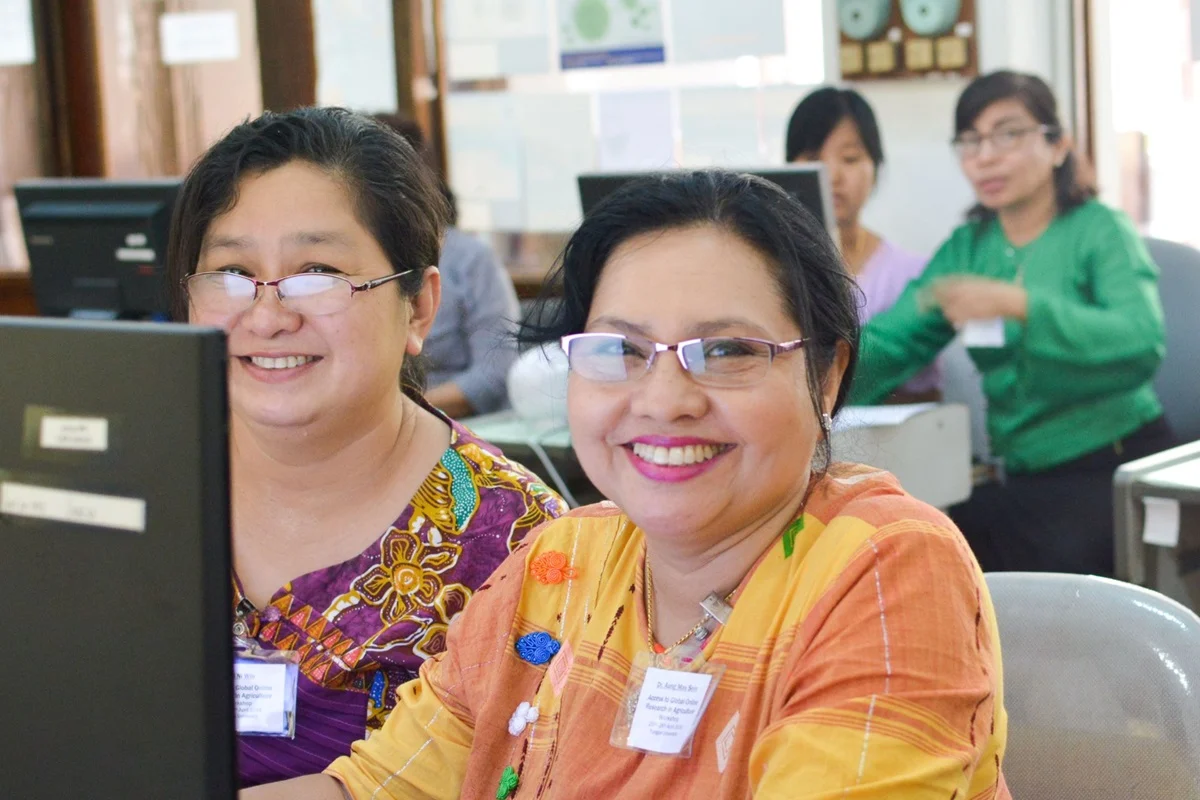
The impact of Research4Life is not merely anecdotal; it is substantiated by robust, independent studies. These evaluations reveal that the program has significantly boosted research output, with some studies indicating an increase in research publishing by as much as 75%. Furthermore, it has demonstrably enhanced global health research efforts, leading to a more than 20% rise in participation in international clinical trials. A particularly encouraging outcome has been the strengthening of opportunities for women researchers, who have seen their publication rates increase by up to 30% in countries facing the most formidable barriers to research participation.
Dr. Sylvie Briand, Chief Scientist at the World Health Organization, eloquently summarized the initiative’s evolution and impact: "What began as an effort to close the knowledge gap in health has grown into a global movement for research equity. For 25 years, Research4Life has helped ensure that researchers, educators, health professionals and policy-makers everywhere can access the evidence they need to improve lives and advance sustainable development." This sentiment highlights the initiative’s transition from a technical solution to a broader ethical imperative.
From Humble Beginnings to a Global Force
The initial phase of Research4Life saw the collaboration of just six publishing partners. This foundational group laid the groundwork for what would become a sprawling network. Today, the partnership boasts an impressive roster of over 185 publishers and partner organizations. This expansive coalition collectively provides institutions in low- and middle-income countries with unrestricted access to a wealth of biomedical and health research publications.
The sheer scale of access facilitated by Research4Life is staggering. More than 12,000 institutions worldwide now benefit from this program, gaining entry to over 250,000 journals, books, and databases sourced from many of the world’s leading academic publishers and research organizations. This unparalleled access has been instrumental in building research capacity, enabling evidence-informed decision-making, and ultimately contributing to better health outcomes and accelerated development across numerous nations.
Beyond Access: Fostering Meaningful Engagement
Recognizing that access to information is only one piece of the research puzzle, Research4Life has strategically evolved to foster meaningful participation within the global research community. The program now encompasses comprehensive training initiatives, vital publishing support services, and collaborative projects designed to equip researchers with the essential skills, networks, and opportunities required to produce, publish, and disseminate high-quality scientific research. This holistic approach addresses the multifaceted challenges faced by researchers in resource-limited settings, empowering them not just to consume knowledge but to actively contribute to its creation and global dissemination.
Navigating the Evolving Research Landscape
As the global research ecosystem continues its rapid evolution, Research4Life remains committed to adapting and innovating. The organization’s forward-looking 2030 Strategy acknowledges the advancements brought about by the open science movement, which has undoubtedly increased access to research. However, it also recognizes persistent barriers, such as article processing charges (APCs) and other associated costs, which continue to hinder many researchers, particularly those in less affluent regions, from disseminating their work effectively. Addressing these financial and logistical hurdles is deemed critical to ensuring that scientific knowledge truly functions as a global public good, benefiting all and enabling contributions from every corner of the world.
A Legacy Built on Collaboration and Vision
The 25th anniversary of Research4Life is being marked with a significant Partners Meeting hosted by the World Intellectual Property Organization (WIPO). This gathering serves as a crucial platform for members to reflect on the partnership’s remarkable achievements over the past quarter-century and to collaboratively shape the priorities and direction of the Research4Life 2030 Strategy. This forward-looking discussion is vital for ensuring the continued relevance and impact of the initiative in the years to come.
The WHO has extended its profound gratitude to all partners, both past and present, whose unwavering commitment has transformed a visionary, short-term initiative into a robust and enduring global movement. Their collective efforts have been instrumental in strengthening research capacity, advancing the cause of research equity, and translating invaluable knowledge into tangible improvements in health and sustainable development worldwide.
The Pillars of Research4Life: Key Partners
Research4Life’s success is a direct result of the collaborative spirit and dedicated contributions of its core partners. The initiative is proudly supported by:
- World Health Organization (WHO): As a founding member and lead agency, the WHO provides crucial leadership and guidance in the health research domain.
- World Intellectual Property Organization (WIPO): WIPO’s involvement underscores the importance of intellectual property frameworks in fostering research and innovation.
- Food and Agriculture Organization of the United Nations (FAO): FAO’s participation highlights the critical role of research in global food security and sustainable agriculture.
- International Labour Organization (ILO): ILO’s inclusion emphasizes the connection between research, decent work, and social justice.
- United Nations Environment Programme (UNEP): UNEP’s engagement underscores the necessity of scientific research for environmental protection and sustainable development.
- Cornell University: A key academic partner providing expertise and resources.
- Yale University: Another esteemed academic institution contributing significantly to the partnership’s endeavors.
- International Association of Scientific, Technical and Medical Publishers (STM): This organization represents a vast network of publishing houses committed to making their content accessible through Research4Life.
- Hundreds of Publishing Partners: The widespread commitment from individual publishers is the bedrock upon which Research4Life’s extensive content offering is built.
A Broader Context: The Global Push for Open Science and Research Equity
The establishment and sustained success of Research4Life align with a broader global movement towards open science and a more equitable distribution of knowledge. For decades, a significant chasm existed between the research output of high-income countries and the access and capacity of low- and middle-income countries. This disparity not only hindered local innovation and problem-solving but also led to a brain drain of talented researchers seeking better opportunities.
Initiatives like Research4Life represent a crucial counter-narrative, demonstrating that scientific progress is a collective endeavor and that the benefits of research should be shared universally. The COVID-19 pandemic, in particular, underscored the urgent need for rapid and equitable access to scientific findings, accelerating discussions around open access models and global research collaboration. Research4Life’s role in providing access to critical health research has been invaluable in this context, enabling health professionals and researchers in affected regions to stay abreast of the latest findings and best practices.
The ongoing challenge lies in moving beyond mere access to fostering genuine research capacity. This involves not only providing journals and books but also investing in training, infrastructure, and mentorship. Research4Life’s expansion into these areas reflects a mature understanding of the complex factors that underpin a thriving research ecosystem. As the world grapples with complex global challenges such as climate change, pandemics, and persistent inequalities, the ability of all nations to contribute to and benefit from scientific discovery becomes increasingly paramount. Research4Life’s silver jubilee is not just a celebration of past achievements but a powerful affirmation of its continued vital role in shaping a more equitable and informed future for global scientific endeavor.