Methane, a colorless and odorless hydrocarbon, has emerged as the most critical focal point for short-term climate action as global temperatures continue to shatter historical records. While carbon dioxide (CO2) remains the primary driver of long-term global warming due to its centuries-long persistence in the atmosphere, methane (CH4) is a far more potent heat-trapping agent in the immediate term. Scientists and policy experts increasingly agree that because methane lasts only about 12 years in the atmosphere before breaking down, reducing its emissions offers the "fastest lever" available to slow the rate of global heating and avoid catastrophic tipping points.
Composed of one carbon atom and four hydrogen atoms, methane is the primary component of natural gas, which currently accounts for approximately 25 percent of global electricity generation. However, its role in the climate crisis is disproportionate to its concentration. Over a 20-year horizon, methane is 86 times more powerful than CO2 at trapping heat. As of 2023, atmospheric concentrations of the gas reached 1,934 parts per billion (ppb), a staggering 265 percent increase over pre-industrial levels. This surge is responsible for roughly one-third of the total global warming experienced to date.
The Evolution of Methane Measurement and Detection
Accurately quantifying methane emissions has historically been a challenge for climate scientists, leading to a significant "implementation gap" between reported data and actual atmospheric levels. Traditionally, emissions were calculated using "bottom-up" methods, which involve multiplying the number of known sources—such as the number of cattle in a region or the number of valves in a gas field—by a standardized emission factor. While useful for general planning, these estimates often fail to account for "super-emitters," which are localized incidents of massive leakage.

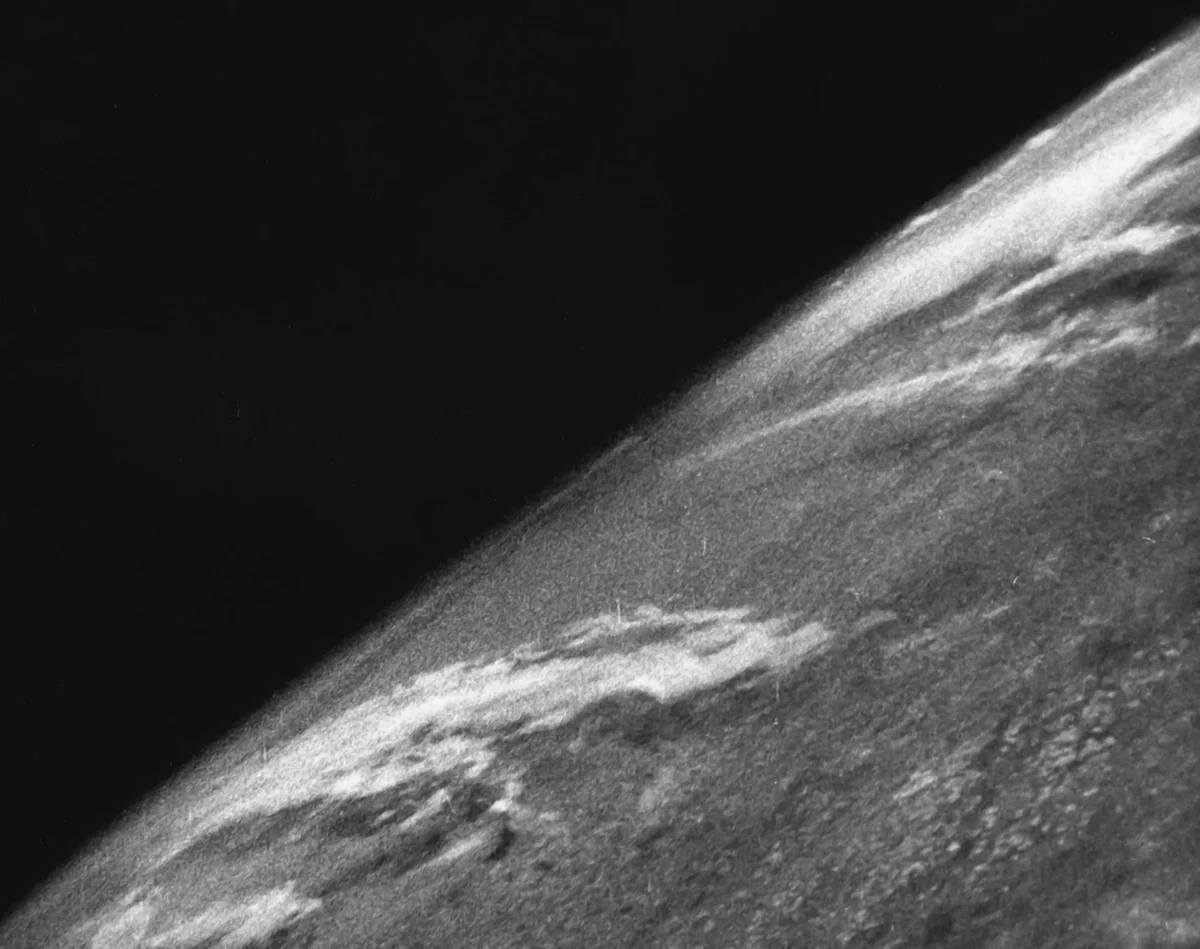
Recent years have seen a revolution in "top-down" measurement technologies. High-altitude aircraft and advanced satellite constellations, such as those operated by GHGSat and the Environmental Defense Fund’s MethaneSAT, now allow researchers to detect plumes of methane from space. This data has revealed a startling reality: official government inventories often underestimate emissions. A landmark study published in the journal Science found that methane leaks from U.S. oil and gas operations were 60 percent higher than estimates provided by the Environmental Protection Agency (EPA).
Furthermore, satellite data has identified thousands of super-emitter events globally. In 2022, researchers tracked over 1,000 such incidents, including a leak in Turkmenistan that spewed methane at a rate equivalent to the total hourly emissions of the nation of France. These findings suggest that the largest 5 percent of leaks are likely responsible for more than half of the total leakage volume in the fossil fuel industry.
Chronology of Anthropogenic Methane Growth
The trajectory of methane emissions follows the history of human industrial and agricultural expansion. For millennia, atmospheric methane remained relatively stable at around 700 ppb. This stability began to fracture during the Industrial Revolution, but the most dramatic acceleration has occurred within the last two decades.
In the early 2000s, methane levels appeared to plateau, leading some scientists to hope that the gas was stabilizing. However, since 2007, concentrations have surged. The period between 2020 and 2023 saw the highest growth rates ever recorded by the World Meteorological Organization (WMO). This "exceptional growth" has been attributed to a combination of increased fossil fuel extraction—particularly the rise of hydraulic fracturing (fracking)—and a surge in biological emissions from tropical wetlands and livestock.

If current trends continue without aggressive intervention, human-caused methane emissions are projected to rise by an additional 13 percent by 2030. To align with the Intergovernmental Panel on Climate Change (IPCC) goal of limiting warming to 1.5 degrees Celsius, these emissions must instead be slashed by 34 percent by the end of this decade.
Primary Drivers: Agriculture, Fossil Fuels, and Waste
Human activities are responsible for approximately 60 percent of global methane emissions, categorized into three dominant sectors:
Agriculture (40% of Human-Caused Emissions)
The livestock sector is the largest single source, contributing 32 percent of anthropogenic methane. This occurs primarily through enteric fermentation, a digestive process in ruminant animals like cows and sheep where microbes break down plant matter and release methane as a byproduct. Rice cultivation is another major contributor at 8 percent, as flooded paddies create oxygen-poor environments ideal for methane-producing archaea.
Fossil Fuels (35% of Human-Caused Emissions)
Methane is a frequent byproduct of coal, oil, and gas production. In coal mining, methane trapped in seams is released during extraction or through ventilation systems designed for miner safety. In the oil and gas sector, methane is released through intentional "venting," inefficient "flaring" (burning off excess gas), and accidental leaks throughout the vast network of pipelines and processing facilities.

Waste Management (20% of Human-Caused Emissions)
Landfills and wastewater treatment plants act as massive bioreactors. As organic waste—such as food scraps and paper—decomposes in the oxygen-deprived environment of a landfill, it produces significant quantities of landfill gas, which is roughly 50 percent methane. With global solid waste production expected to rise by 73 percent by 2050, the waste sector represents the fastest-growing source of methane.
Debunking the Bridge Fuel Myth
For years, the natural gas industry promoted methane as a "bridge fuel" that could help transition the world from coal to renewables. The logic was based on the fact that burning natural gas for electricity produces about half the CO2 of burning coal. However, this narrative often ignores the impact of "upstream" and "midstream" methane leakage.
Scientific analysis now indicates that if as little as 0.2 percent of methane leaks during production and transport, the climate benefits of switching from coal to gas are effectively neutralized. Recent studies suggest that when these leaks are accounted for, liquefied natural gas (LNG) may have a 33 percent greater global warming potential than coal over a 20-year period. This has led to intense scrutiny of LNG export expansions in the U.S. and Australia, with activists warning that these "methane bombs" could lock in decades of high-emissions infrastructure.
Natural Sinks and Positive Feedback Loops
While 60 percent of methane is human-caused, the remaining 40 percent comes from natural sources, primarily wetlands. Under normal conditions, natural "sinks"—such as soil bacteria and chemical reactions in the atmosphere—keep these levels in check. However, the climate crisis has triggered dangerous positive feedback loops.

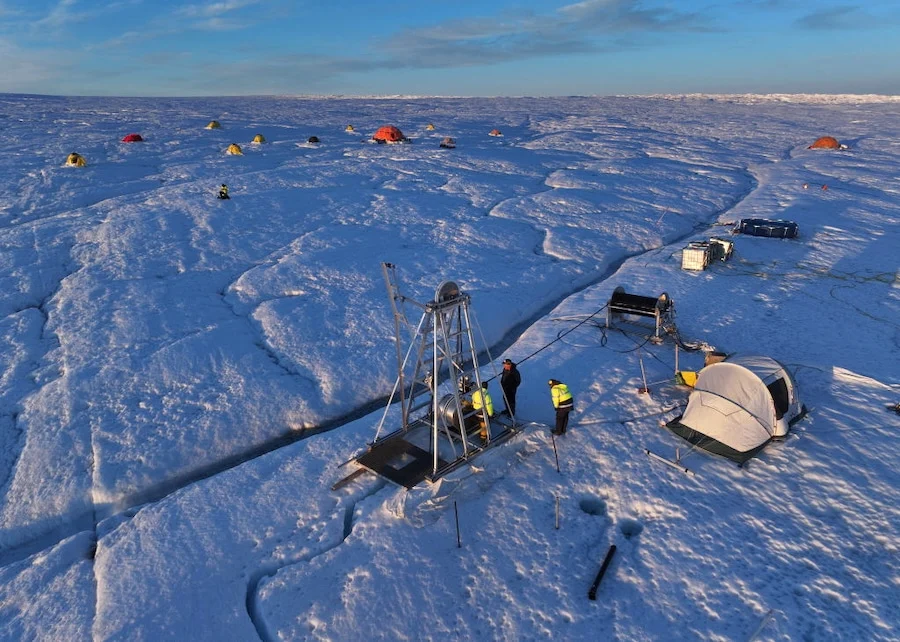
As the planet warms, tropical wetlands are expanding due to increased rainfall, while Arctic permafrost is beginning to thaw. This thawing releases ancient organic matter that has been frozen for millennia, providing a feast for methane-producing microbes. The Arctic currently holds 2.5 times more carbon underground than is present in the entire atmosphere. If a significant portion of this is released as methane, it could trigger a "tipping point" where global warming becomes self-sustaining and irreversible.
Public Health and Economic Impacts
The arguments for methane reduction extend beyond climate stabilization to immediate public health benefits. Methane is a primary precursor to the formation of ground-level ozone (smog). Unlike the protective ozone layer in the stratosphere, ground-level ozone is a toxic air pollutant that causes respiratory diseases, triggers asthma attacks, and damages lung tissue.
Methane-generated ozone is currently linked to approximately 500,000 premature deaths annually worldwide. Reducing methane emissions by one million metric tons could prevent roughly 1,430 deaths from respiratory and heart diseases each year. Furthermore, ground-level ozone inhibits plant growth, leading to annual losses of 145,000 metric tons of essential crops like wheat, soy, and rice.
Global Policy and the Path Forward
The international community took a significant step toward addressing this crisis with the launch of the Global Methane Pledge at COP26 in 2021. Led by the United States and the European Union, the pledge now includes 159 nations committed to reducing global methane emissions by 30 percent from 2020 levels by 2030.

Technical solutions are already available and, in many cases, cost-effective. In the fossil fuel sector, the International Energy Agency (IEA) estimates that 70 percent of methane emissions can be eliminated with existing technology, and 40 percent can be cut at no net cost by capturing and selling the leaked gas. In agriculture, innovations such as seaweed-based feed supplements for cattle have shown the potential to reduce enteric methane by over 80 percent. In the waste sector, diverting organic matter from landfills and installing gas-capture systems can transform waste into a source of renewable energy.
Despite these pledges, the 2024 Global Methane Tracker indicates that emissions remain at record highs. The gap between political rhetoric and atmospheric reality remains wide. Bridging this gap will require not only technological implementation but also a fundamental shift in energy and food systems, moving away from a reliance on methane-heavy processes toward a circular, renewable economy. The window for action is narrow, but the potential rewards—a stabilized climate and a healthier global population—are immense.