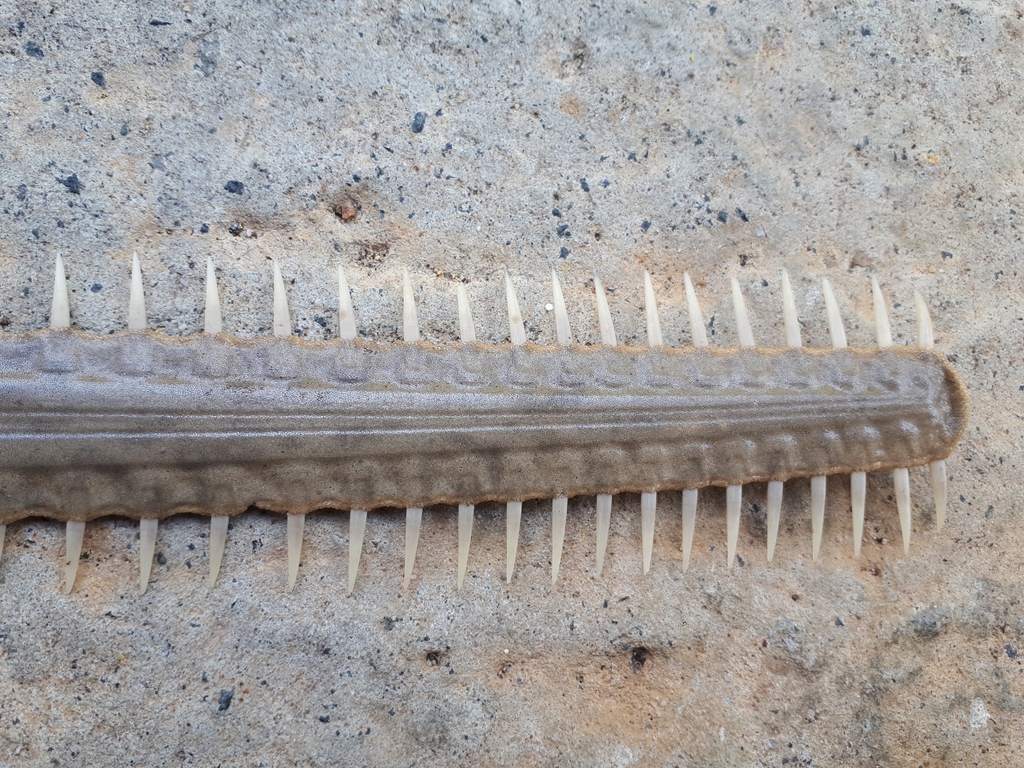
In the murky coastal waters and tropical estuaries of the world, the sawfish serves as one of nature’s most distinctive apex predators. A member of the ray family, these cartilaginous fish are defined by their rostrum—a long, flat snout lined with sharp, transverse teeth-like scales known as rostral teeth. For millions of years, the sawfish has used this specialized appendage as a sophisticated hunting tool, utilizing electro-receptors to detect the heartbeats of prey buried in the sand and swinging the "saw" with lethal precision to impale or stun fish. However, in the 21st century, this biological marvel has become the centerpiece of a clandestine and highly lucrative international black market. Across Latin America, the very tools that allow the sawfish to survive are being harvested to arm gamecocks in blood sports, driving all five species of sawfish toward the brink of extinction.
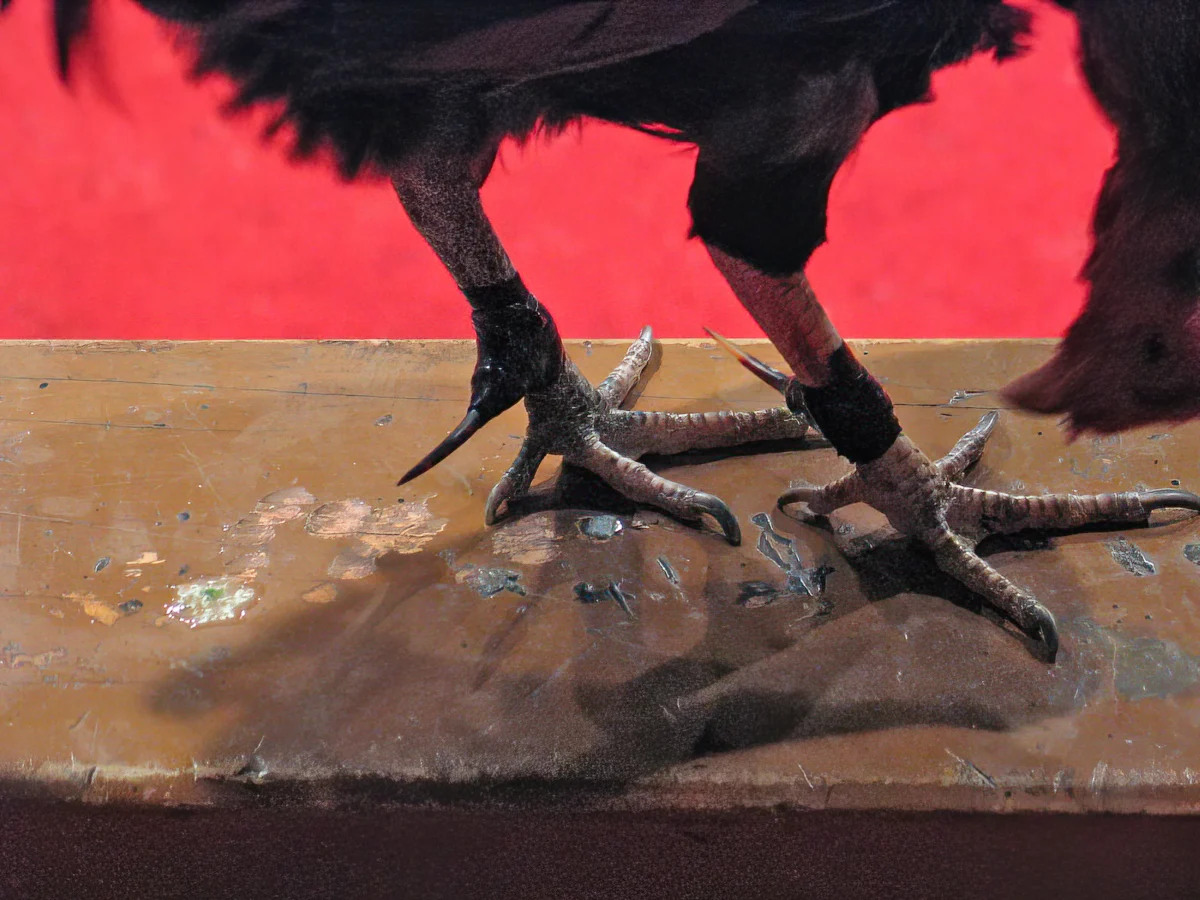
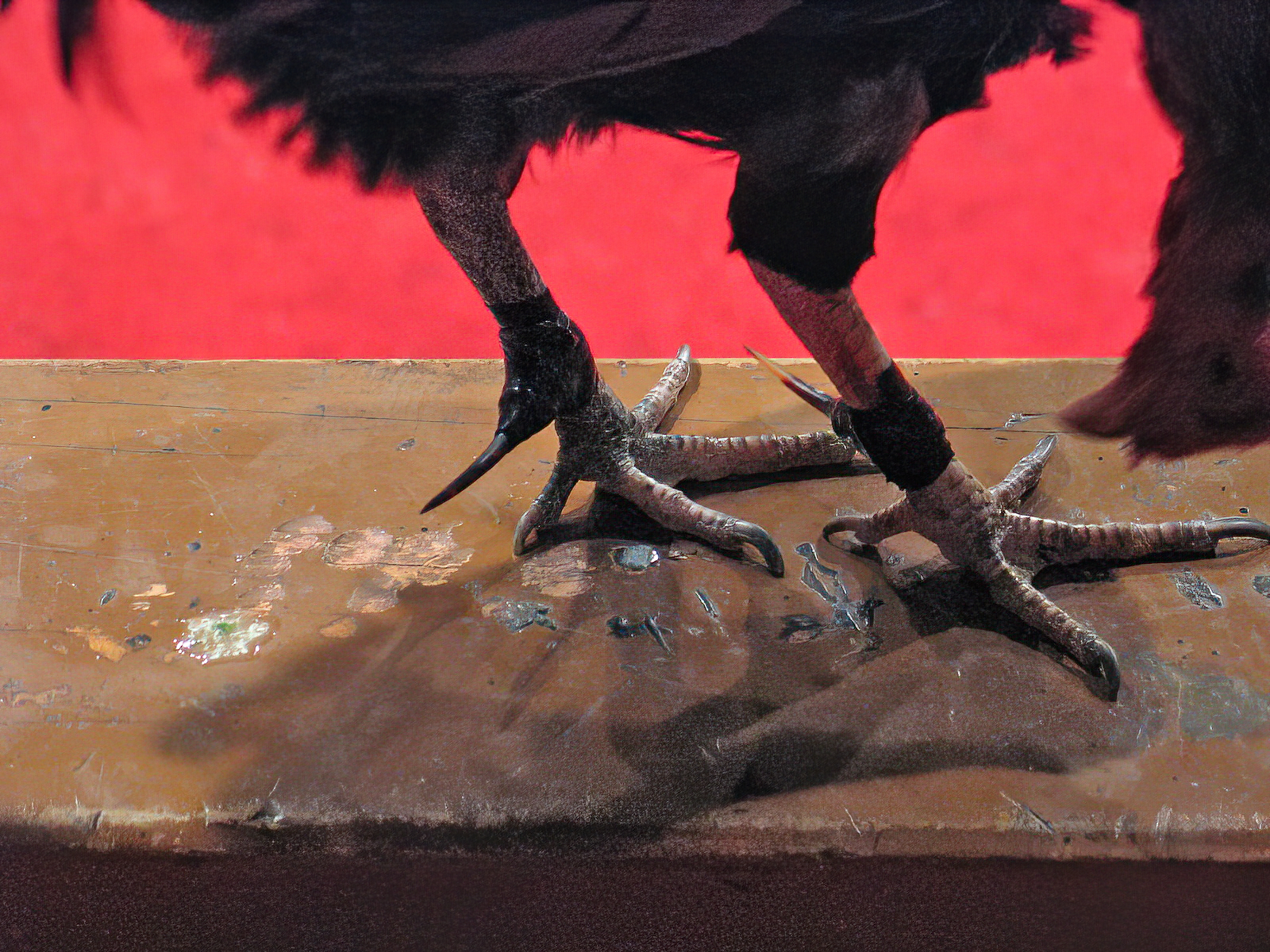
A recent landmark study published in the journal Conservation Letters has exposed the depth of this "hidden trade." Despite nearly two decades of international bans and strict protections under the Convention on International Trade in Endangered Species of Wild Fauna and Flora (CITES), the commerce in sawfish rostra and individual teeth remains vibrant. Researchers have found that the demand is fueled by the cockfighting industry, where the natural hardness and lethality of sawfish teeth make them the most coveted material for "spurs"—sharp spikes attached to a rooster’s legs to deliver fatal blows to its opponent.
The Biological Weapon Turned Cultural Artifact
The sawfish (family Pristidae) is uniquely vulnerable to human exploitation. Its rostrum is not merely a weapon but a sensory organ. According to research published in Current Biology, the rostrum is covered in small pores that detect electric fields, allowing the fish to navigate and hunt in low-visibility waters. This evolutionary specialization, however, has become its greatest liability. The long, serrated snout is easily entangled in fishing nets, making sawfish frequent victims of accidental bycatch. Once caught, the value of the rostrum often exceeds the value of the fish’s meat or fins, leading fishermen to remove the snout before discarding the carcass.

In Latin American countries, particularly Peru, Ecuador, and Brazil, there is a centuries-old tradition of using these teeth in cockfighting. While many formal cockfighting associations have officially transitioned to plastic or metal spurs due to conservation concerns and cost, a robust informal market persists. The preference for sawfish teeth is rooted in their physical properties; they are exceptionally durable and can be sharpened to a razor edge that maintains its integrity even after multiple strikes.
Of particular interest to practitioners are the "caramelo" (caramel-hued) spurs. These are derived from the teeth located in the center of the rostrum, which are believed to be the hardest and most resilient. According to the study lead author Mariano Cabanillas-Torpoco, a researcher at the Instituto Chico Mendes de Conservação da Biodiversidade (ICMBio) in Brazil, these specific teeth are rumored to come from female sawfish and are prized for their "greatest potential to inflict injuries to opponents."
A Timeline of Regulation and Evasion
The history of sawfish conservation is a narrative of escalating protections met with increasingly sophisticated smuggling techniques.
- 1980–2000: The peak of the sawfish trade in Peru and neighboring regions occurred during this period. Trade was largely open, and the use of natural spurs was a standard practice in both formal and informal arenas.
- 2000s: As global sawfish populations plummeted—with some estimates suggesting a 90% decline in certain regions—conservationists began pushing for total trade bans. Many national cockfighting associations in Latin America began banning natural materials to avoid international scrutiny.
- 2007: A turning point occurred when all sawfish species were added to CITES Appendix I. This designation represents the highest level of protection, effectively banning all international commercial trade in sawfish parts.
- 2016–2022: The period covered by the latest research indicates that despite these bans, the trade has not disappeared but has instead moved underground and online.
Mario Espinoza, a sawfish expert at the University of Costa Rica, notes that the trade is often invisible to national governments because it is embedded in local culture. In 2016, during an educational campaign intended to raise awareness about the endangered largetooth sawfish (Pristis pristis), Espinoza’s team was shocked when members of the public contacted them via Facebook and WhatsApp not to learn about the fish, but to offer to buy the educational rostrums for use in cockfighting.

The Economics of Extinction: High Profits and Low Risks
The financial incentives driving the illegal sawfish trade are staggering, rivaling the profit margins of more high-profile wildlife crimes like the trade in rhino horn or elephant ivory. The Conservation Letters study provides a detailed breakdown of the market value of these animals:
- Whole Rostra: A single large rostrum can sell for upwards of $5,600 on the black market.
- Online Sales: On platforms like eBay, the average price for a rostrum is approximately $1,242.
- Processing and Spurs: Each rostrum typically contains about 40 teeth. A single tooth can be carved into an average of four spurs, resulting in 160 spurs (or 80 pairs) per fish.
- Retail Value: A pair of spurs retails for between $100 and $130.
- Net Profit: For a middleman or manufacturer, the total net profit from a single rostrum can reach $8,000.
The trade has also evolved to evade law enforcement. In the past, entire rostra were smuggled across borders. Today, traffickers frequently remove the teeth from the snout and sell them loose. Small, lightweight, and easy to conceal in personal luggage or mail, these individual teeth are significantly harder for customs officials to detect than the large, distinctive "saw."
Peru as the Regional Hub
While sawfish are found in the waters of Brazil, Ecuador, and Colombia, the study identifies Peru as the primary destination for the illegal trade. This is largely due to the legal status of cockfighting in the country. Unlike Brazil and parts of Ecuador, where the sport faces heavy restrictions or outright bans, cockfighting is a protected cultural activity in Peru.
The researchers interviewed 47 Peruvian practitioners and five association representatives across the region. Their findings were clear: Peru acts as a "sink" for sawfish parts harvested throughout the Amazon basin and the Pacific coast. More than half of the practitioners admitted to seeing sawfish spurs used or sold recently, with many teeth being sourced from Brazil and Ecuador before being smuggled into Peru for final manufacture and use.
Ecological Implications and the "Forgotten" Crisis
The decline of the sawfish is more than a loss of a charismatic species; it is an ecological disaster for tropical marine environments. As apex predators, sawfish maintain the health of seagrass beds and estuarine ecosystems by controlling the populations of smaller fish and crustaceans. Their large size and high mobility allow them to transport nutrients between different habitats, a process vital for ocean health.
However, sawfish are biological "slow-starters." They are long-lived, take many years to reach sexual maturity, and produce few offspring. These traits make it nearly impossible for populations to recover once they have been depleted by overfishing. In many parts of South America, the sawfish is already considered "locally extinct," having not been sighted in the wild for decades.
The continued demand for spurs ensures that any sawfish accidentally caught by a fisherman is unlikely to be released alive. The "hidden" nature of the trade means that even as governments celebrate the success of CITES bans on paper, the actual pressure on the remaining wild populations remains unchanged.
A Call for Forensic Action and International Cooperation
The authors of the study and conservationists across Latin America are calling for a paradigm shift in how wildlife laws are enforced. Simply banning the trade is insufficient if authorities cannot identify the product.
"Collaboration with local authorities, the police, shipping agencies, and INTERPOL is necessary at a national and regional level," says Mario Espinoza. One of the primary recommendations is the implementation of forensic tools. Because sawfish teeth can look similar to other natural materials when carved, training customs officers in visual identification and DNA testing is essential.
Furthermore, the study urges CITES and its member nations to recognize that the sawfish trade is not a relic of the past but an active, contemporary threat. Stricter regulations on the sale of "antique" rostra—a common loophole used to sell freshly harvested parts—are needed, along with a crackdown on digital marketplaces where these items are openly traded.
Ultimately, the survival of the sawfish may depend on changing the culture of the sport that prizes them. While some associations have embraced plastic alternatives, the allure of the "caramelo" tooth remains a powerful force. Without aggressive intervention, the sawfish—a creature that survived the extinction of the dinosaurs—may find its final resting place not in the ocean, but on the heels of a gamecock in a dusty arena.